IRENA reports a record 693 GW of new renewable capacity was added in 2025, taking global renewables to 5.15 TW. At 2025 growth rates the world would reach about 10.6 TW by 2030 — roughly 0.6 TW short of the COP28 target of 11.2 TW. UN officials hailed nearly $500 billion in avoided fossil fuel costs, but experts warn rising demand and lagging efficiency improvements mean the pace of change must accelerate.
Renewables Set Record In 2025 — Pace Must Accelerate To Meet 2030 COP28 Goal
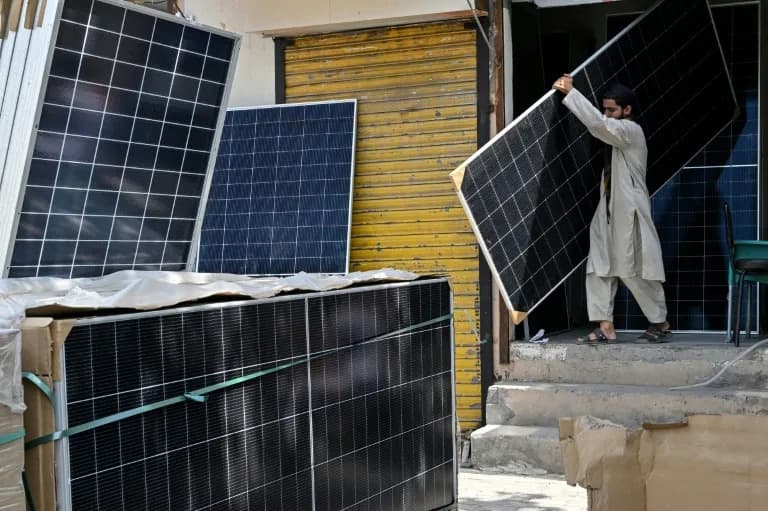
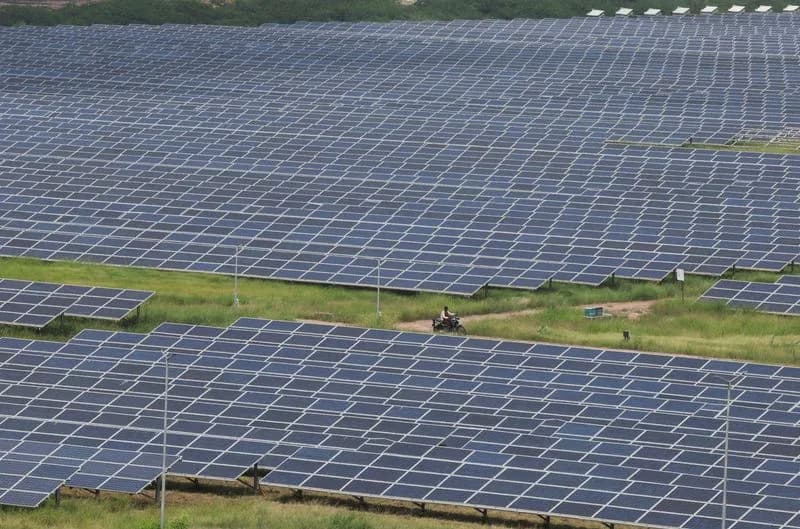
Global renewable power capacity grew by a record level last year, an energy agency report shows, even as more needs to be done to displace fossil fuels (Arif ALI)
Global renewable power capacity expanded by a record amount in 2025, but experts say the world must move faster to meet the 2030 COP28 target. A new report from the International Renewable Energy Agency (IRENA) credited market forces with driving a rapid shift to clean energy, even as rising demand and lagging efficiency improvements threaten to blunt progress.
IRENA found that 693 gigawatts (GW) of new renewable capacity came online in 2025 — more than half the installed capacity of the entire United States — bringing total global renewable capacity to 5.15 terawatts (TW). (1 TW = 1,000 GW.)
If the growth rate recorded in 2025 continues through the decade, global renewable capacity would reach about 10.6 TW by 2030, leaving an estimated shortfall of roughly 0.6 TW from the COP28 goal of 11.2 TW. That gap has narrowed from 0.9 TW in last year’s assessment, but experts said acceleration is still required.
"Thanks to global renewables, humanity avoided almost half a trillion US dollars in fossil fuel costs," said Simon Stiell, executive secretary of the UN Framework Convention on Climate Change (UNFCCC), calling it a "mammoth decarbonization dividend" greater than the GDP of more than three-quarters of countries.
The IRENA report also found renewables remained the most cost-competitive source of new electricity in most markets in 2025, reinforcing arguments that market dynamics favor the transition to clean power.
Challenges and Recommendations
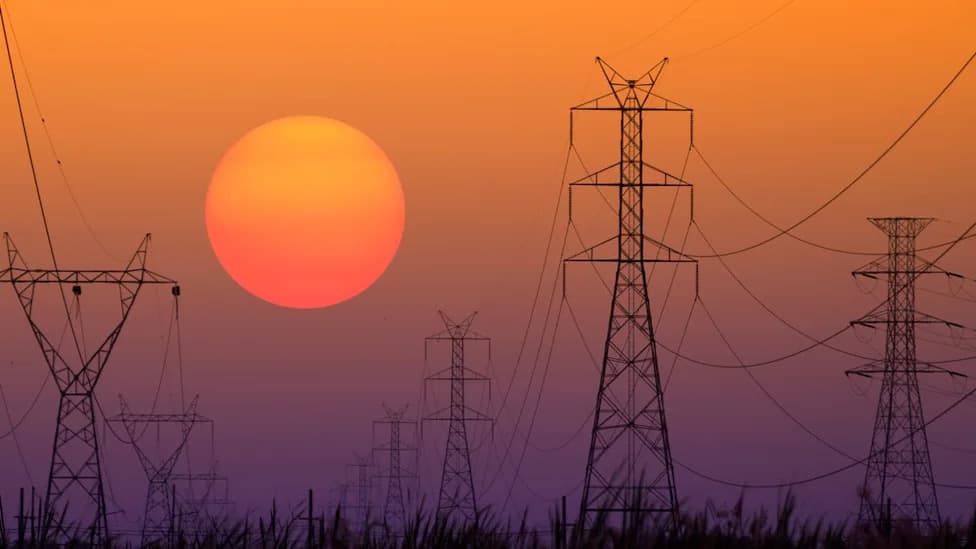
Despite the positive momentum, the report warned the world is behind on a related objective: doubling the rate of energy-efficiency improvement by 2030. IRENA recommended a range of measures to close the gap, including modernizing and expanding electric grids, accelerating permitting and financing for projects, and combining solar, wind and battery storage to deliver cost-competitive, around-the-clock electricity.
David Waskow, director of the international climate initiative at the World Resources Institute, cautioned that rising global energy demand means renewables are not yet displacing enough fossil fuels. He pointed to two major drivers of increased demand: more cooling needs in a warming world and the rapid growth of AI and data centers.
Complementing IRENA's findings, the Energy Institute's Statistical Review of World Energy (June 2025) reported that fossil fuels still supplied about 86% of global energy in 2025 and continued to grow in absolute terms — underscoring the scale of the challenge ahead.
Outlook
While record additions in 2025 show the momentum of market-driven renewables deployment, reaching the COP28 target and aligning energy systems with climate goals will require faster deployment, stronger efficiency gains, grid upgrades and policies that actively reduce fossil fuel consumption.
Help us improve.