The recent energy shocks tied to conflict around Iran have pushed electrification higher on policy agendas, making a 35 percent electrification target by 2035 more plausible. An IEA analysis finds electricity could supply about 33 percent of global final energy by 2035, up from roughly 23 percent today. Rapid growth in rooftop solar and low-cost clean technologies—especially across emerging markets—combined with market-driven moves to reduce fossil-fuel dependence, underpin the proposed 35 by '35 pledge ahead of COP31. The IEA estimates that faster electrification could save more than $400 billion by 2035 while improving energy security and climate outcomes.
35 by '35: Can the World Reach 35% Electrification by 2035?
Can the World Hit 35% Electrification by 2035?
The global energy shock tied to the conflict involving the United States and Israel in and around Iran has unexpectedly accelerated the shift toward electricity, improving the odds that the world could reach 35 percent electrification by 2035. The so-called "35 by '35" goal is now a central plank for COP31, the UN climate conference set for November 9–20, 2026, in Antalya, Türkiye.
IEA Analysis: 33% Is Within Reach
A new analytical report from the International Energy Agency (IEA) finds that electricity could feasibly and cost-effectively supply about 33 percent of global final energy consumption by 2035, up from roughly 23 percent today. That is a steep but attainable rise: between 2015 and 2025 electricity demand grew at more than 3 percent per year on average—about twice the pace of overall energy demand.
Geopolitics, Prices, and the Push to Electrify
The IEA release accompanying the analysis frames this era as an emerging "Age of Electricity," with potential gains for economic competitiveness, energy security, and decarbonization—provided electricity remains secure and affordable as it expands. The report's modelling uses pre-conflict electricity price assumptions, implying an expectation that current price spikes will moderate over time.
The study, commissioned by Türkiye and Australia ahead of COP31, will underpin a proposed international pledge to push global electrification to 35 percent by 2035. That target aligns with prior Paris Agreement assessments suggesting that reaching roughly 35 percent electrification by 2035 (and exceeding 50 percent by 2050) would support efforts to limit warming toward 1.5°C above pre-industrial levels.
How Market Shocks Are Speeding Adoption
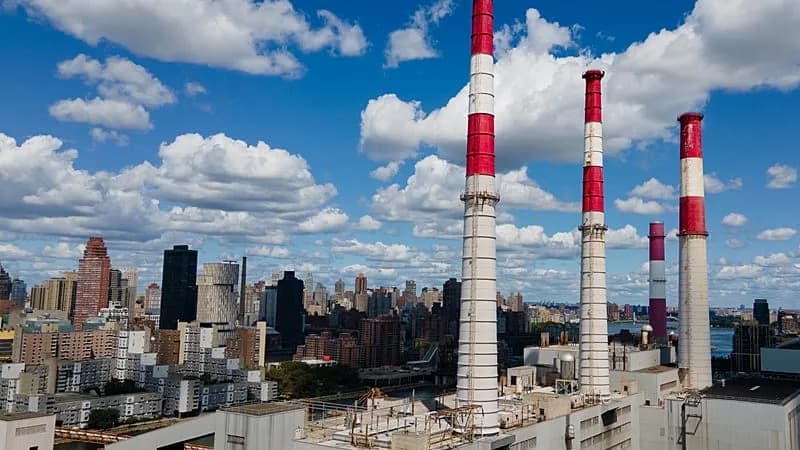
Since February, a global energy price crisis has jolted markets and spurred many import-dependent countries to reduce fossil-fuel exposure and expand domestic electricity supply. Investments across the spectrum—from additional solar and wind capacity to new nuclear projects—are contributing to faster electrification in multiple regions, with benefits for both climate outcomes and national economies.
Rooftop Solar and Emerging Markets
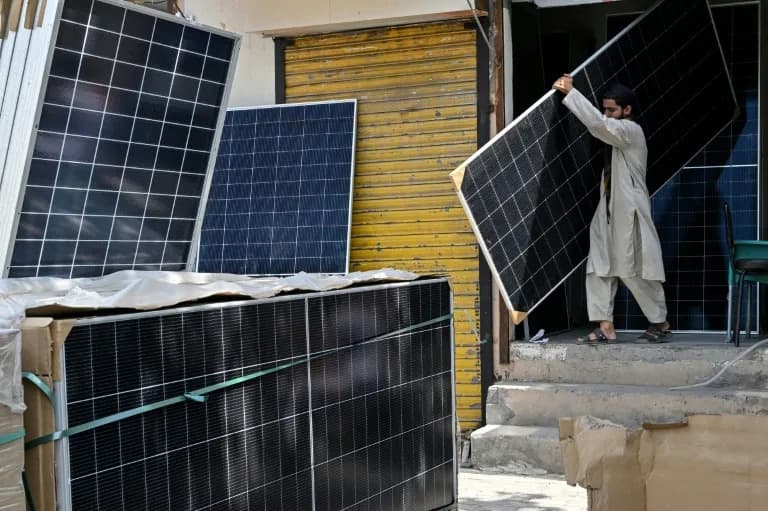
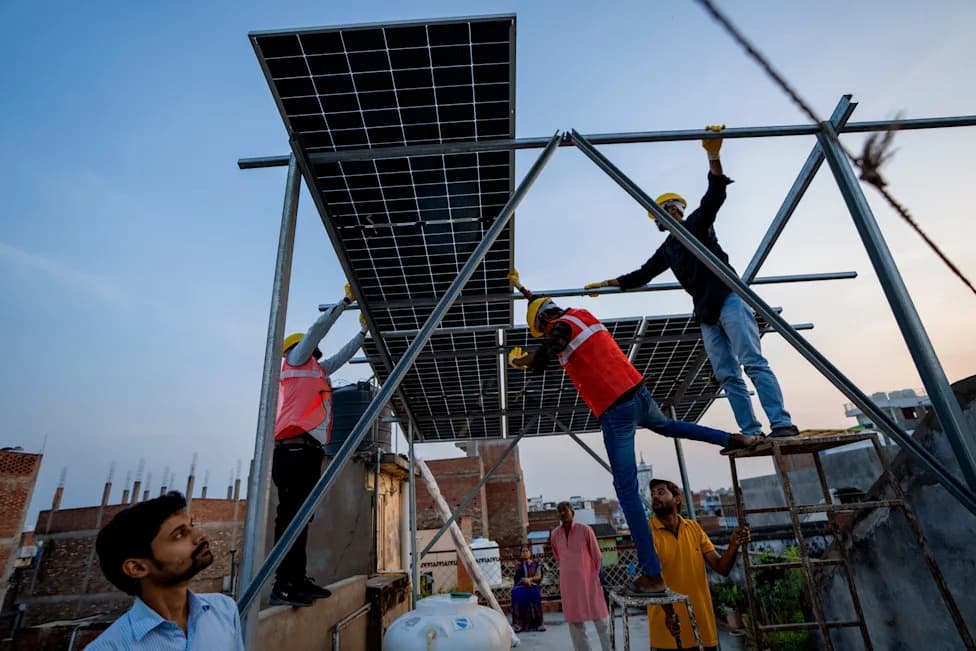
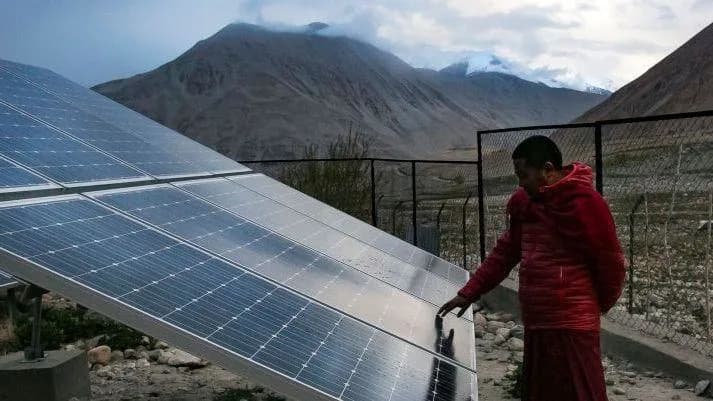
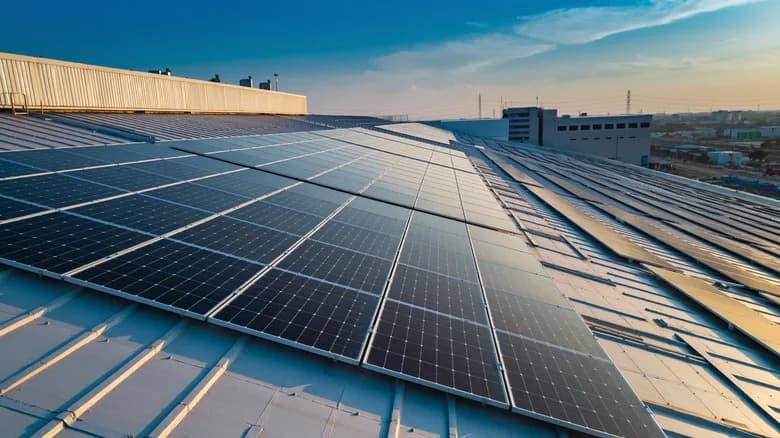
Rooftop solar installations have surged across Southeast Asia as households and businesses in the Philippines, Indonesia, Cambodia, and Malaysia seek resilience against volatile fossil-fuel markets. Renewables increasingly look like a geopolitically resilient choice for emerging economies: decentralized wind and solar are not prone to embargoes or blockades.
Wind and solar cannot be embargoed, blockaded, or shut off by a foreign power. Every terawatt-hour of domestic renewable generation is a terawatt-hour that no adversary can weaponize.
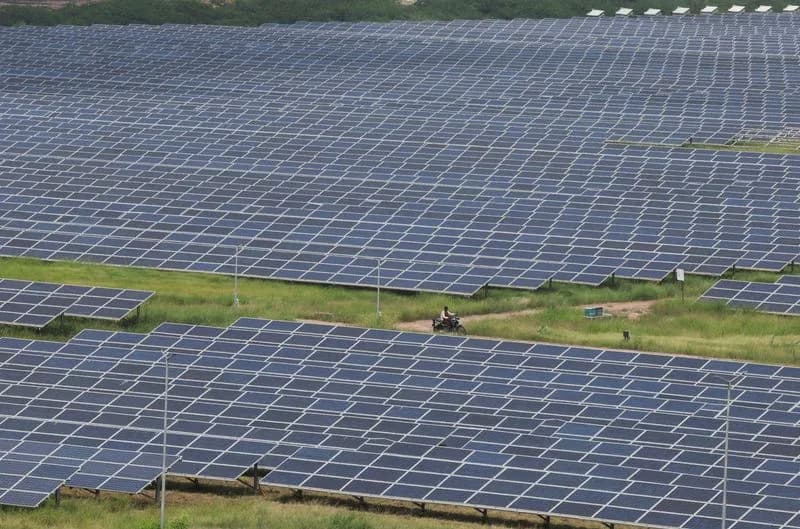
Even before the recent conflict, many developing countries were accelerating their clean-energy transitions, helped by low-cost technologies from China. Nations such as Brazil, Chile, El Salvador, Morocco, Kenya, and Namibia have in recent years matched or outpaced the United States on several clean-energy metrics. By the end of 2025, roughly 63 percent of emerging markets in Africa, Asia and Latin America derived a larger share of their power from solar than the United States did.
Demand Pressure and Economic Opportunity
Sustained growth in clean electricity supply is essential to meet surging demand in the developing world. A report from S&P Global warns that emerging economies could raise global energy consumption by more than 60 percent by 2060—roughly the equivalent of adding another China to world demand. While electrification alone will not satisfy all of that growth, it can cut oil and gas import bills and reduce exposure to volatile fossil-fuel markets.
The IEA estimates that significantly accelerating electrification could collectively save countries more than $400 billion through 2035 while helping avoid more severe climate impacts. Policymakers at COP31 will need to decide whether to formalize and finance a faster electrification pathway that locks in the benefits outlined in the analysis.
By Haley Zaremba for OilPrice.com
Help us improve.