Researchers examined 178 canned salmon fillets, preserved for quality control and spanning 42 years from the Gulf of Alaska and Bristol Bay, and found anisakid nematodes inside the fish. Counts of these parasites rose over time in chum and pink salmon while remaining steady in coho and sockeye. Because anisakids require multiple intermediate hosts and marine mammals to reproduce, their presence can signal food-web connectivity and possible recovery of marine-mammal populations. Limitations include inability to identify parasite species due to canning and the indirect nature of the proxy.
40-Year-Old Canned Salmon Reveal a Surprising Sign of Ocean Recovery
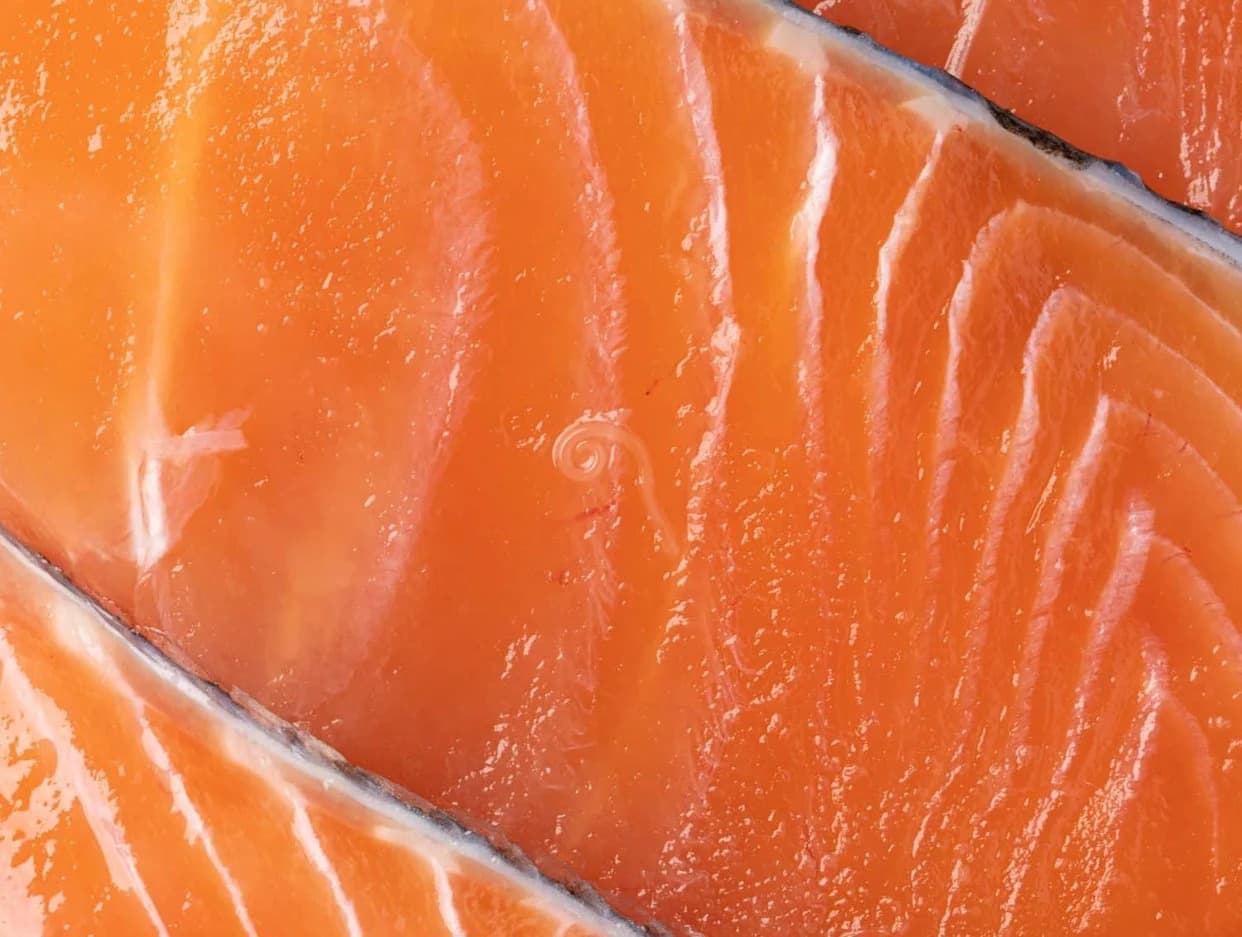
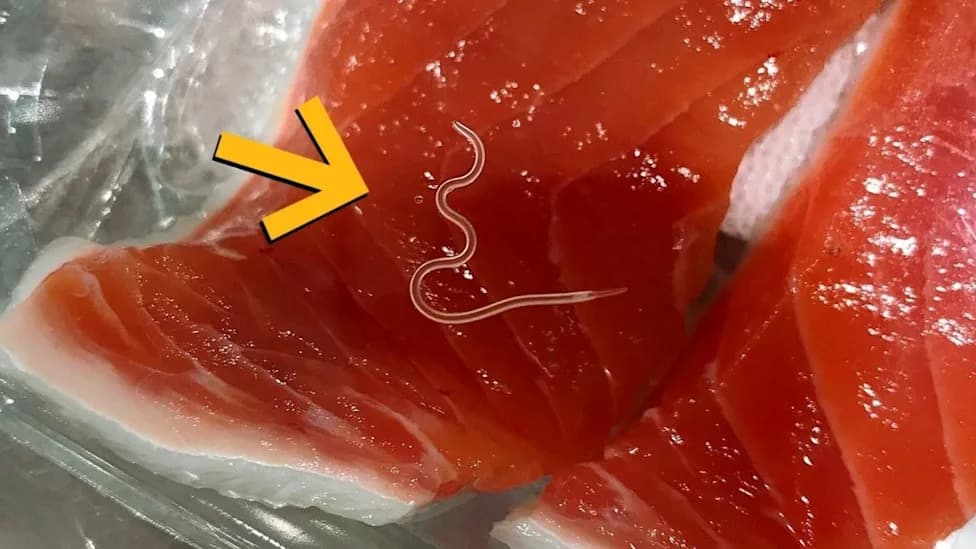
Anisakis parasite in raw salmon© Hanasaki/Shutterstock.com
Finding a worm in a fillet is enough to make most diners recoil, but a new study shows that certain parasites can actually signal a healthy marine ecosystem. Researchers who examined decades-old canned salmon discovered anisakid nematodes preserved in the flesh — and their presence may reflect strong food-web connectivity in Alaska waters over the past four decades.

Anisakids are small parasitic worms that live in the flesh of fish, including salmon.©WH_Pics/Shutterstock.com
Study and Method
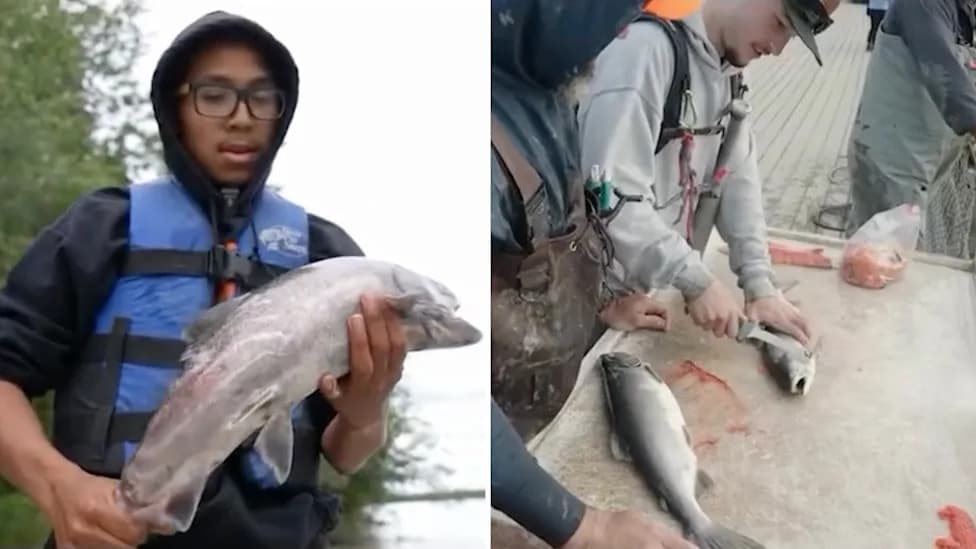
Natalie Mastick, now a postdoctoral researcher at the Peabody Museum of Natural History at Yale, used an unusual historical source: canned salmon tins preserved for quality control by the Seattle-based Seafood Products Association. Mastick and colleagues opened and dissected 178 cans of salmon collected from the Gulf of Alaska and Bristol Bay across a 42-year span (1979–2021) and counted anisakid parasites in the preserved fillets.
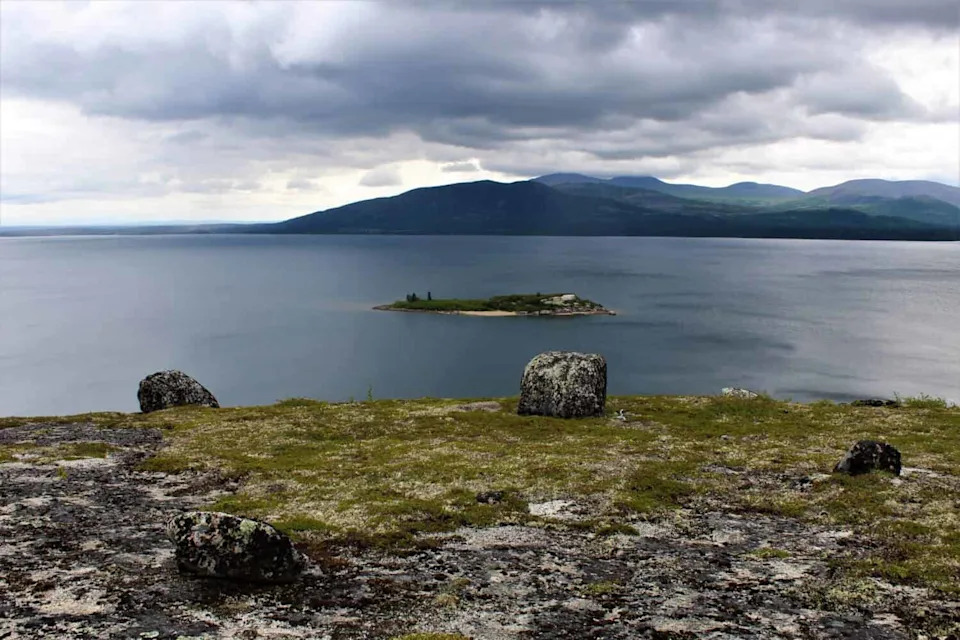
Bristol Bay has one of the world’s biggest salmon populations.©liveyourlife/Shutterstock.com
What Anisakids Indicate
Anisakids are small nematode parasites that require multiple intermediate hosts (for example, krill and forage fish) and a marine mammal as the definitive host to complete their life cycle. Because their life cycle integrates many parts of the food web, anisakid presence and abundance can serve as a proxy for food-web connectivity and the availability of hosts.
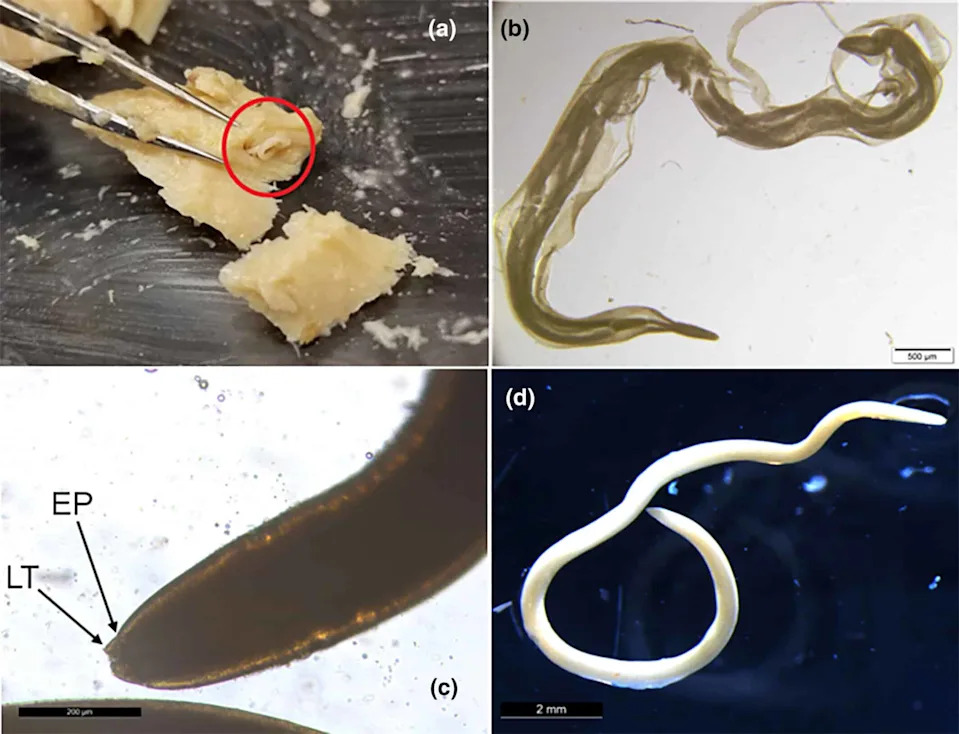
These nematodes were taken from 40-year-old cans of salmon.©Ecology and Evolution –Original/License
Chelsea Wood, associate professor of aquatic and fishery sciences at the University of Washington: "The anisakid life cycle integrates many components of the food web. I see their presence as a signal that the fish on your plate came from a healthy ecosystem."
Key Findings
The team found rising anisakid counts over time in chum and pink salmon from the study region, while coho and sockeye salmon showed relatively stable parasite levels. Mastick observed that the increase in some species suggests anisakids were finding the necessary intermediate and definitive hosts to reproduce more often during the study period.
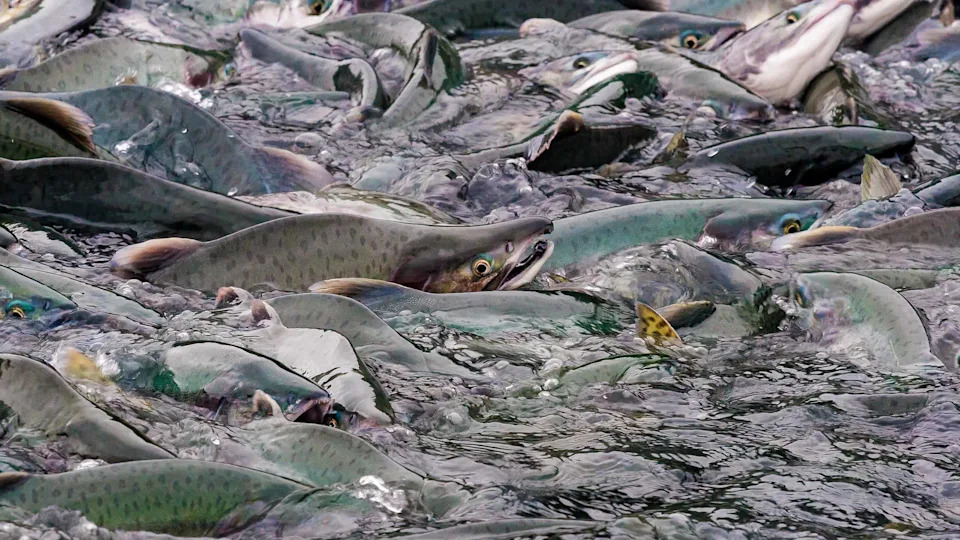
Pink salmon congregate in Alaska waters.©Troutnut/Shutterstock.com
Possible Drivers and Limitations
Researchers suggest several factors that could explain rising anisakid numbers, including the recovery of many marine mammal populations after protective laws such as the Marine Mammal Protection Act (1972) and improved water quality following environmental regulations like the Clean Water Act (1972). More marine mammals can mean more opportunities for anisakids to reproduce and complete their life cycle.
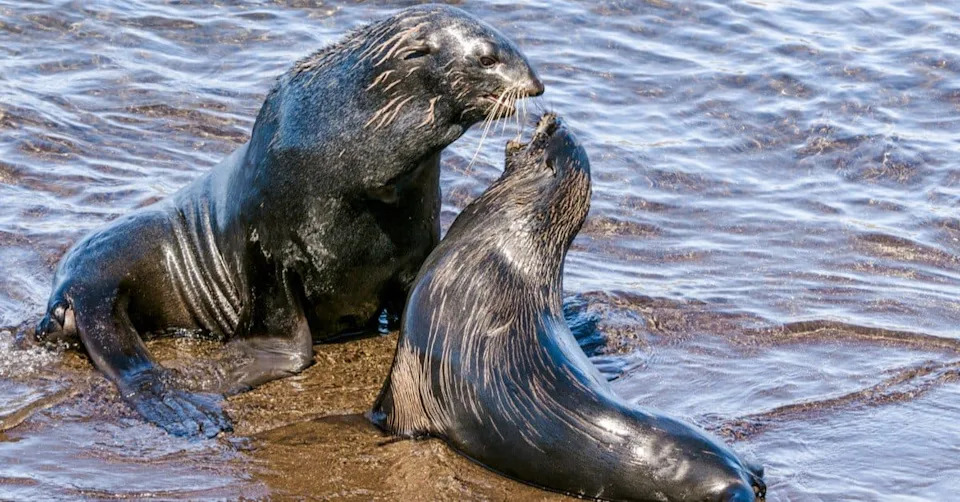
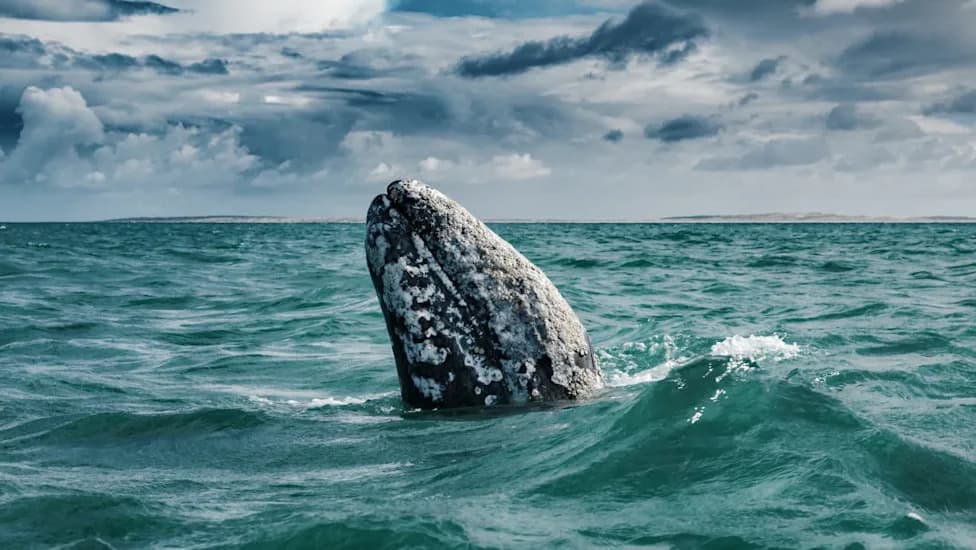
Seals are one marine mammal that anisakids rely on to reproduce.©Nick Pecker/Shutterstock.com
However, there are important limitations. The canning process preserved only the parasites' external form and destroyed internal anatomical details, preventing species-level identification of anisakids. Different anisakid species require different host combinations, so species-specific trends remain unknown. The study is also observational and uses parasite counts as an indirect proxy for ecosystem health rather than a direct measure of species abundance or water conditions.
Why This Matters
Using archived industry samples offers a creative way to extend historical baselines for marine ecosystems when long-term data are scarce. Although most consumers prefer their fish parasite-free, the presence of anisakids in these historical samples provides an informative window into past food-web structure and suggests parts of Alaska’s marine ecosystem have retained or recovered the host diversity needed to sustain complex parasite life cycles.
Natalie Mastick, lead author of the study: "Anisakids can only reproduce in the intestines of a marine mammal, so this could be a sign that, over our study period — from 1979 to 2021 — anisakid levels were rising because of more opportunities to reproduce."
Future research that combines parasite data with direct measures of predator and prey populations, water conditions, and modern genetic methods to identify parasite species would clarify how widespread and meaningful these trends are for ecosystem recovery.
Help us improve.