Alaskans say they are being shut out of rivers as industrial trawlers continue large offshore catches. A 2024 U.S.–Canada agreement effectively closed most king salmon fishing on affected rivers for seven years while Yukon River king runs have plunged from about 400,000 in 1981 to under 40,000 today. NOAA attributes the decline mainly to warming oceans, but fishing communities point to bycatch, habitat damage and unrecorded discards—figures cited include roughly 100,000 Alaska-origin salmon taken as bycatch in 2025 and 4.2 million pounds of halibut. The dispute has sparked political debate in Alaska over trawling rules, bycatch policy and coastal stewardship.
Alaskans Fight Back: Families Lose Salmon Access While Trawlers Discard Millions
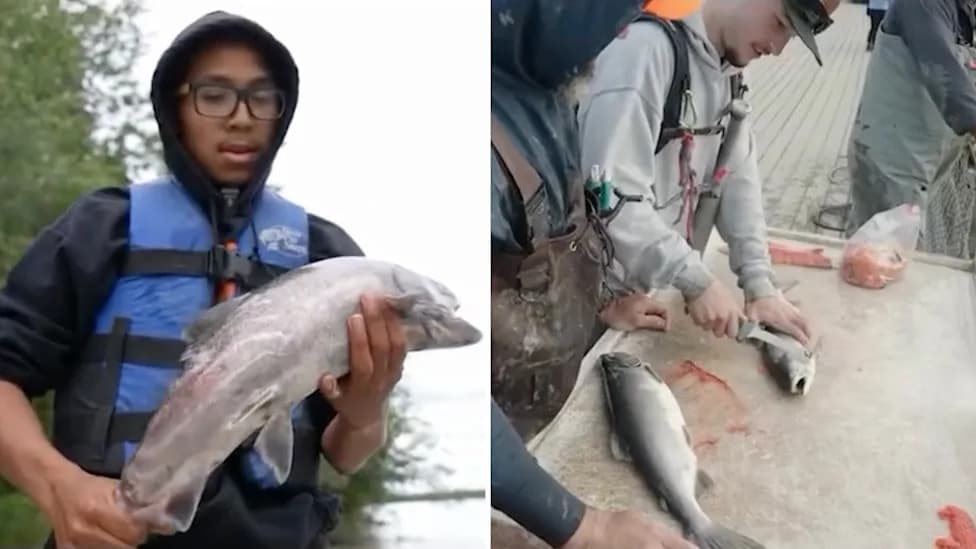
Photo Credit: More Perfect Union
Communities across Alaska that have relied on salmon for generations say they are being shut out of rivers and coastal fisheries even as large industrial trawlers continue to haul in massive offshore catches. The tensions pit subsistence harvesters, small-boat fishers and Indigenous communities against an industrial fishing sector that critics say discards fish and contributes to habitat stress.
What Residents Say
In a widely shared Instagram video by More Perfect Union, locals framed the dispute bluntly:
"Regular people are losing the right to fish in Alaska. Corporations discard millions of pounds of fish every year while people lose access to rivers, and the media is sleeping on the story."The piece follows subsistence harvesters and small-boat fishermen who say declines in salmon runs have upended daily life and threatened cultural survival.
Numbers And Official Findings
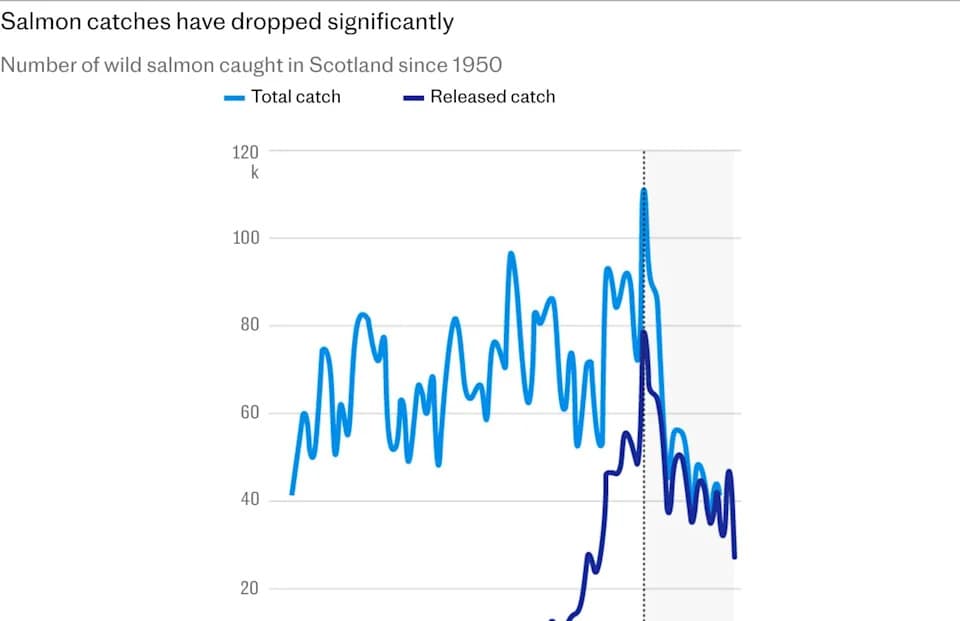
Key figures cited in reporting include a dramatic decline in Yukon River Chinook (king) salmon runs—from roughly 400,000 returns in 1981 to under 40,000 in recent years. In 2024 the United States and Canada reached an agreement that, in practice, closed most king salmon fishing on affected rivers for seven years.
Federal officials at the National Oceanic and Atmospheric Administration (NOAA) attribute the collapse primarily to warming oceans and climate-related impacts. A 2026 NOAA study referenced in the coverage concluded that bycatch removals did not appear to meaningfully drive Yukon River Chinook declines at the population level.
Bycatch, Discards And Community Concerns
Community members dispute that explanation as complete. The video cites figures from More Perfect Union showing Alaska trawlers brought in roughly 100,000 Alaska-origin salmon as bycatch in 2025, along with about 4.2 million pounds of halibut. Fishers interviewed say that potential habitat damage, food-web disruption and unrecorded discards could be contributing factors that the official analyses do not fully capture.
"Corporations and greed are destroying everything. Trawling should be illegal all over the world," one commenter wrote, summing up local anger.
Local Impacts And Examples
The report profiles residents such as Eva and Charlie at a village fish camp on the Tanana River, who say they had to obtain a special educational permit just to take a small number of salmon for food and cultural practice—even while large offshore fleets remained active. For many Alaskans, access to salmon is about survival, identity and passing on a way of life.
Economic Stakes And Governance
Alaska pollock trawling supports a substantial industry—generating about $832 million in economic activity and supporting just over 6,000 jobs—much of it linked to companies based outside Alaska. The North Pacific Fishery Management Council sets bycatch limits, gear rules and fishing areas for trawlers; critics note that several council members have ties to organizations whose operations depend on trawling.
Politics And Policy Responses
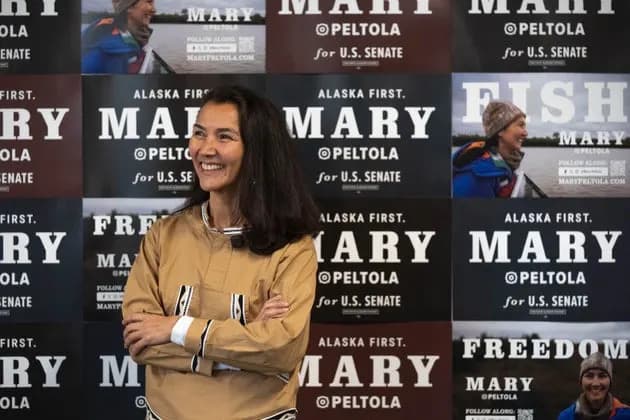
Political pressure is rising. A Facebook group focused on trawling and bycatch grew to nearly 60,000 members, and candidates in a closely divided state face questions about their positions. Independent House candidate Bill Hill, a small-boat commercial fisherman, said, "If bottom trawling is destroying the environment...we need to find a way to ban that." Representative Mary Peltola's campaign has expressed support for prohibiting factory trawling.
Senator Dan Sullivan and Representative Nick Begich have introduced bills aimed at improving bycatch research and gear technology, but those measures do not ban specific gear types or close fishing areas to trawlers.
Broader Context
The Alaska salmon conflict is one front in a wider debate about disappearing fisheries, industrial pressure and who bears the costs. Related reporting highlights Native communities losing subsistence catches, gaps in ocean monitoring as fisheries decline, and international concerns that industrial-scale blue economy projects can marginalize small-scale fishers.
What’s Next: The dispute is likely to shape local and federal policy discussions on bycatch limits, gear restrictions, monitoring improvements, and habitat restoration—while continuing to fuel grassroots advocacy and political debate in Alaska.
Help us improve.