Environment Agency data show just over 4,050 wild salmon were landed in England and Wales last year — a 42% drop on the 2020–24 average and the lowest total in a 70-year record. Experts point to pollution, dams and degraded river habitats, plus impacts from salmon farms (sea lice and escapes), as prime drivers. Conservation groups and angling organisations are calling for urgent, systemic action to prevent possible collapse of wild salmon as a breeding species within decades.
Wild Salmon Catches in England and Wales Fall to Record Low — 4,050 Landed, 42% Drop
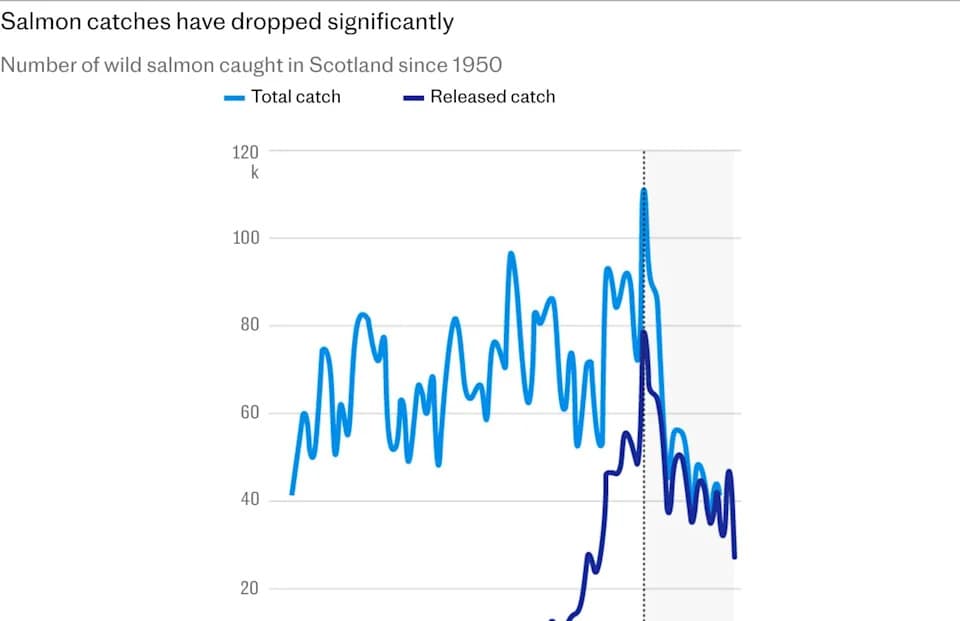
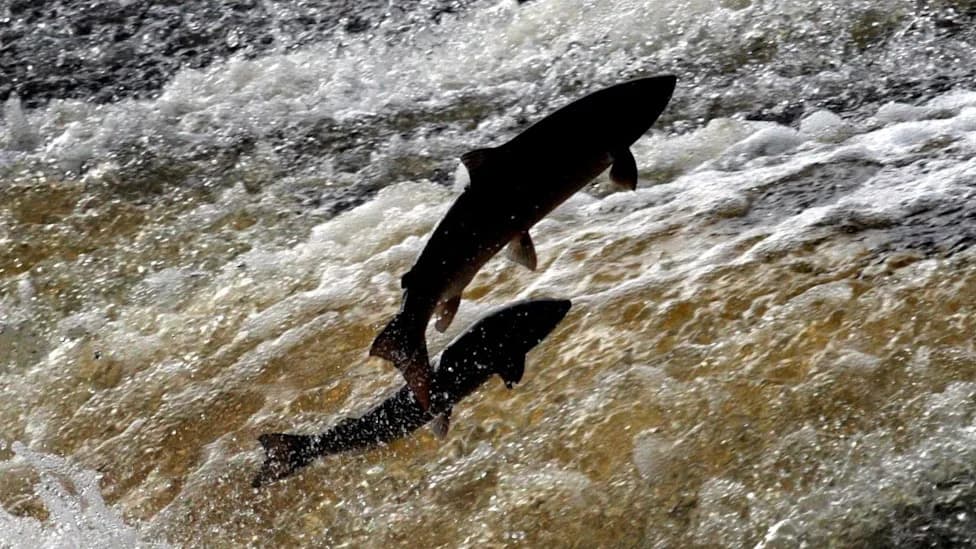
New figures from the Environment Agency show that the number of wild Atlantic salmon landed by anglers in England and Wales fell to just over 4,050 last year — a 42% decline compared with the average annual catch between 2020 and 2024 and the lowest total in a 70-year series.
Drivers of the Decline
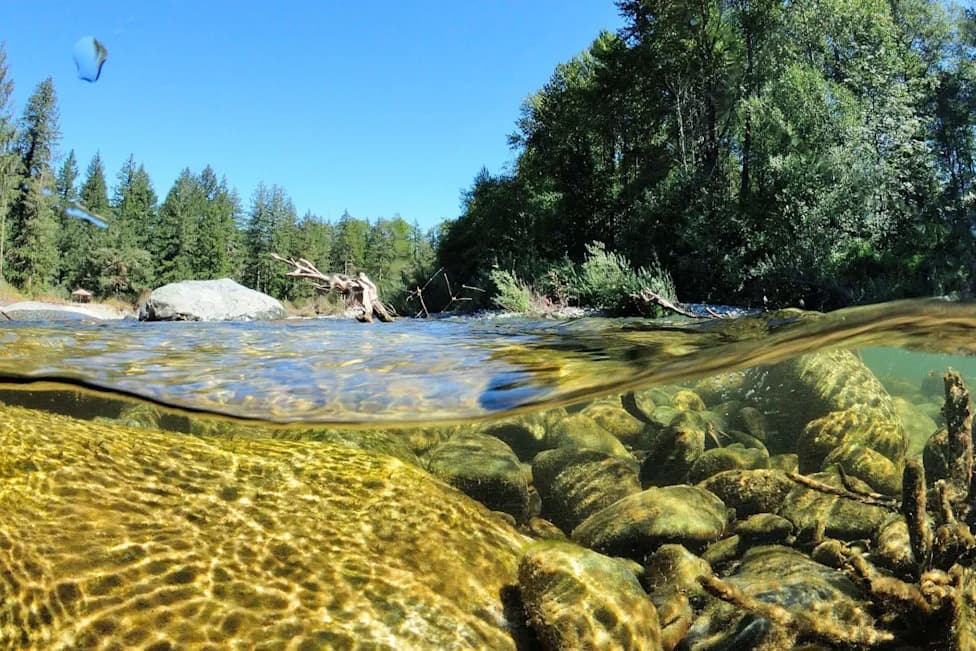
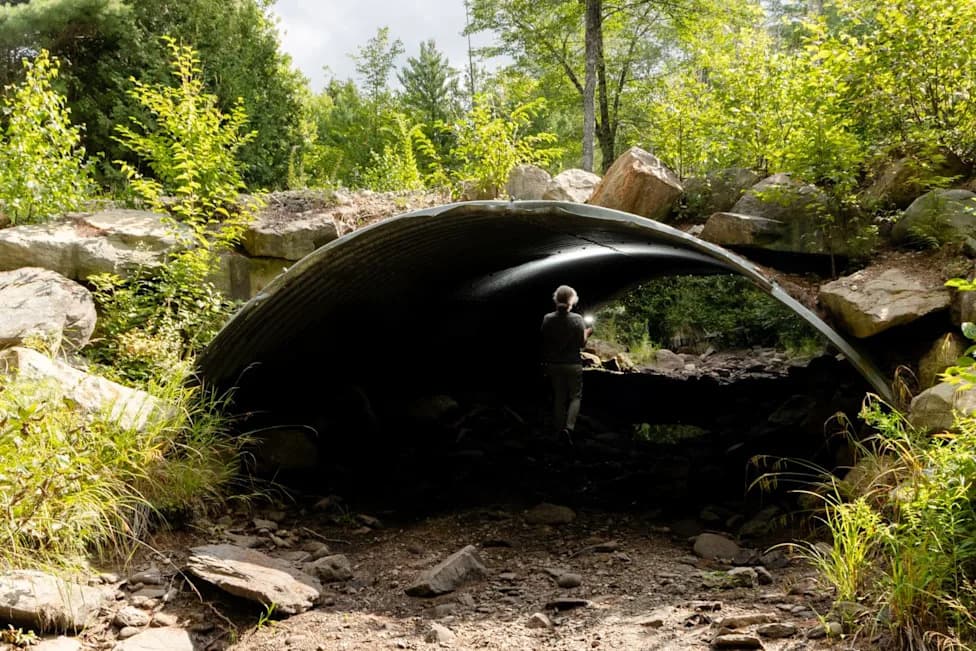
Conservationists and fisheries experts say multiple, interacting pressures are making river systems increasingly inhospitable for salmon. Pollution, in-river barriers such as dams, reduced flows from over-abstraction, and degraded spawning and juvenile habitat have all been identified as major contributors to the steep fall in wild stocks.
Fish farming is also implicated: industrial salmon cages can harbour sea lice that infest migrating wild fish, and escaped farmed fish can interbreed with wild salmon, producing weaker hybrids. A recent study published by WildFish found that sea lice originating from salmon farms are accumulating in large numbers along key migration routes used by wild salmon.
Voices from the Field
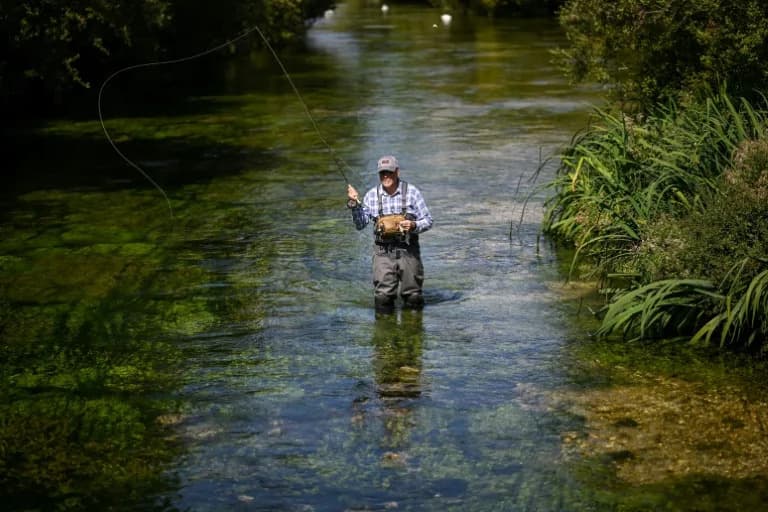
"The lowest figure in a record stretching back 70 years is another grim milestone in a decline that anglers and fisheries managers have been warning about for many years," said Mark Owen, head of fisheries at the Angling Trust. He noted that anglers already release more than 98% of the salmon they catch and called for urgent, coordinated action to tackle poor water quality, habitat loss and barriers across the species' lifecycle.
Campaigner Feargal Sharkey described Atlantic salmon as "a poster boy for the abuse of our rivers," warning that, if current trends continue, anglers "may no longer be able to catch salmon in the British Isles within the next 15 years." The Game & Wildlife Conservation Trust has also warned that salmon could cease to be a breeding species in British rivers within 25 years.
Janina Gray of WildFish added: "We need urgent action to tackle the pressures driving the decline of salmon, including pollution, over-abstraction and in-river barriers. Government and regulators need to stop tinkering around the edges and take the collapse of wild salmon seriously — this is an ecological crisis."
Economic and Cultural Impact
Experts stress the loss extends beyond ecology: recreational salmon angling supports rural economies. In Scotland alone, pubs, hotels and tackle shops linked to angling are estimated to contribute more than £50 million annually.
The Department for Environment, Food and Rural Affairs (Defra) was contacted for comment.
Help us improve.