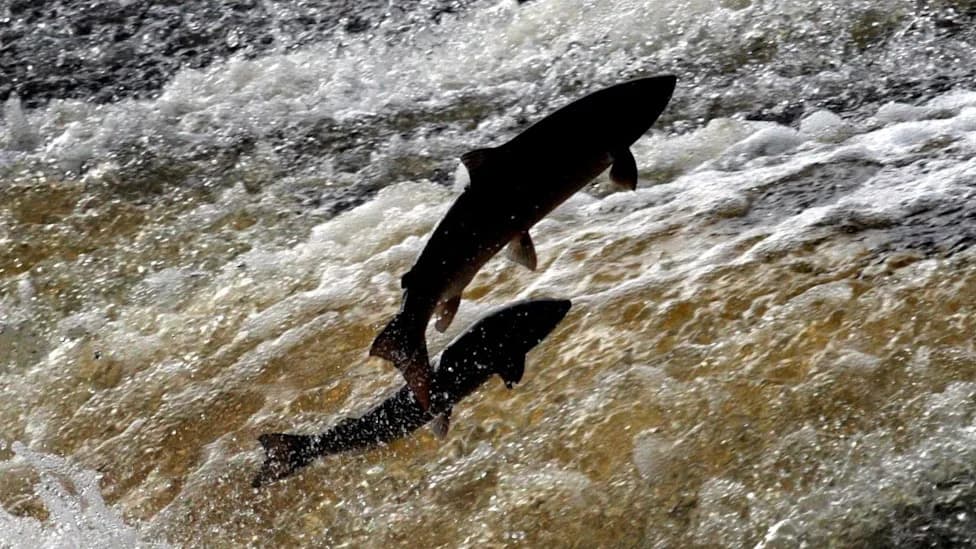
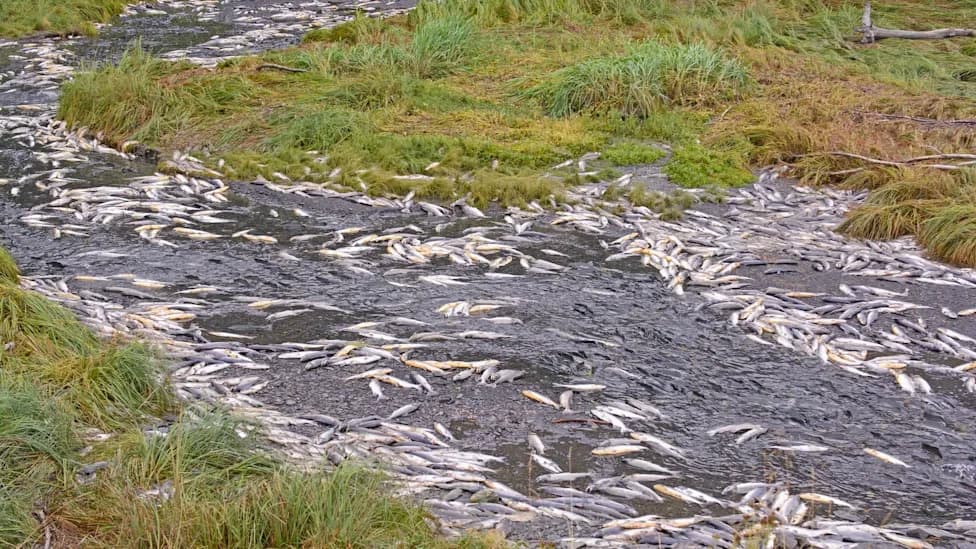
Three generations of a Vancouver Island family now stand on the Cowichan River and see almost no salmon where strong runs once appeared. Unusually low flows and warmer water are stressing migrating fish, and forecasts for Fraser River sockeye were cut sharply on Sept. 3 from nearly 8 million to about 3 million. Experts point to broader environmental drivers and urge sustained monitoring, restoration and potential harvest limits to protect food security, culture and ecosystems.
Three Generations, One Empty River: Cowichan Salmon Runs Collapse Threatens Livelihoods
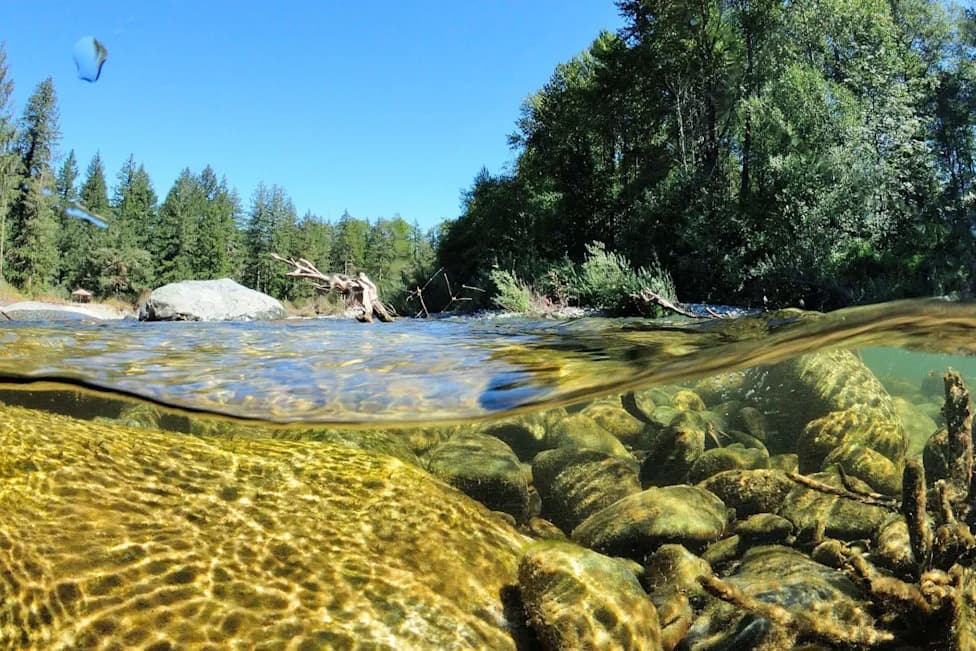
Photo Credit: iStock
For a Vancouver Island family that has fished the Cowichan River for generations, the region’s salmon decline is painfully real: three generations can now stand on the riverbank and see almost nothing where a healthy run once swam.
Local Fishers Sound the Alarm
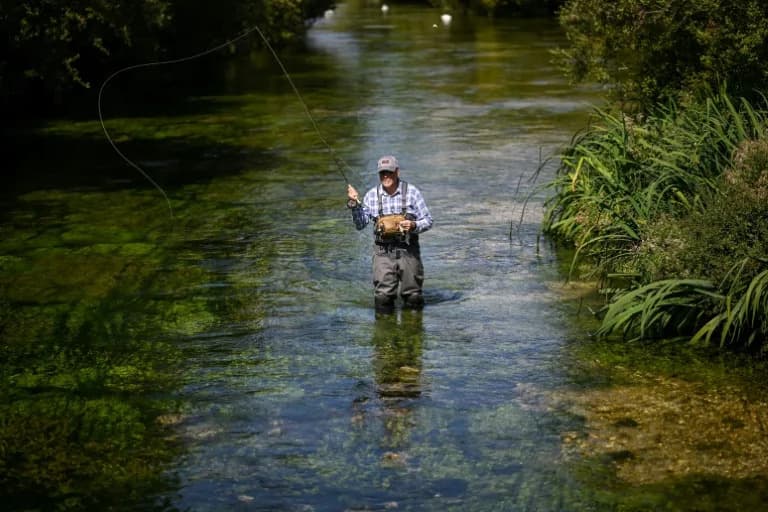
In a TikTok post by CHEK Media, 68-year-old fisherman Glenn Radoc — whose family has harvested salmon from the Cowichan River across three generations — described the situation as dire.
"Zero up here right now. I don't know why they aren't coming all the way up. It's hard for them to survive. This has been our livelihood for fishing for hundreds of years, and now it's just really depleting so fast." — Glenn Radoc
A Rapid, Wide-Scale Decline
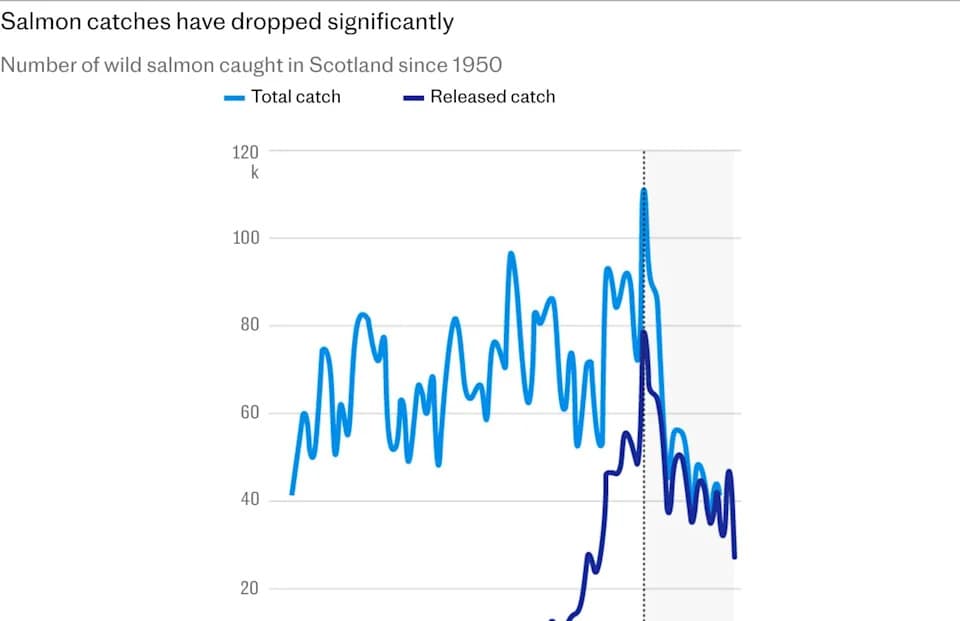
CHEK Media reports that unusually low river levels across Vancouver Island are creating harsh conditions for salmon attempting to migrate upriver. On Sept. 3, forecasts for the Fraser River sockeye return were sharply revised downward — from nearly 8 million fish to about 3 million.
Catherine Michielsens, director of fisheries management science at the Pacific Salmon Commission, stressed how unexpected the decline is, noting that just four cycles earlier (sockeye generally follow a four-year life cycle) the Fraser recorded a return of 28 million sockeye.
Why This Matters
Salmon runs are more than seasonal wildlife events: they sustain family traditions, local economies and whole ecosystems. As salmon migrate, they ferry vital nutrients into rivers and surrounding forests and provide food for a wide range of wildlife. Declining runs therefore translate into reduced food security, lower economic stability for fishing communities, and additional stress on already vulnerable ecosystems.
Drivers, Responses and Local Observations
Low flows and warmer water increase physiological stress on migrating fish and can block access to spawning grounds. Some community members urged immediate harvest restrictions: "Stop netting for em if you want a bounce back," one commenter wrote, calling for limits on commercial and large-scale traditional harvest.
Experts emphasize that many pressures — including reduced river flows and rising temperatures — are driven by larger environmental factors that require coordinated monitoring, restoration, and management rather than quick fixes.
Still, local fishers hold cautious hope. Nanaimo fisherman Lance Settler, who has been checking the Nanaimo River daily, said some of the salmon seen there looked healthy and offered a hopeful note: "There might still be more surprises coming up."
Part Of A Broader Pattern
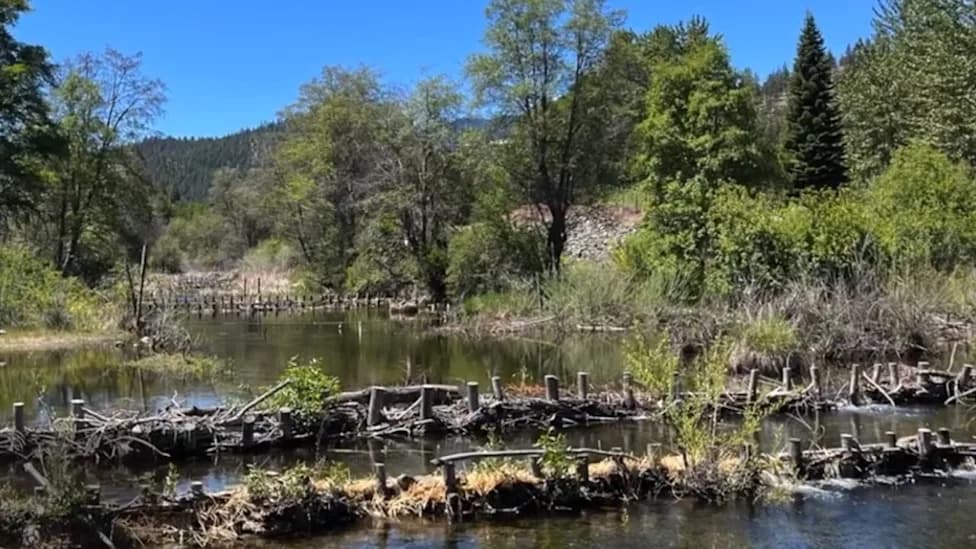
Vancouver Island’s troubles reflect wider issues where fishing is tied to food and culture: prized catches have declined in parts of Alaska; restoration groups in Oregon such as the McKenzie River Trust are working to rebuild habitat; and sites like England’s Swindale Beck show that damaged rivers can recover with focused restoration.
For now, families who have spent decades on these rivers continue to watch the water, hoping the runs return and that long-standing cultural and economic ties to salmon can be preserved.
Help us improve.