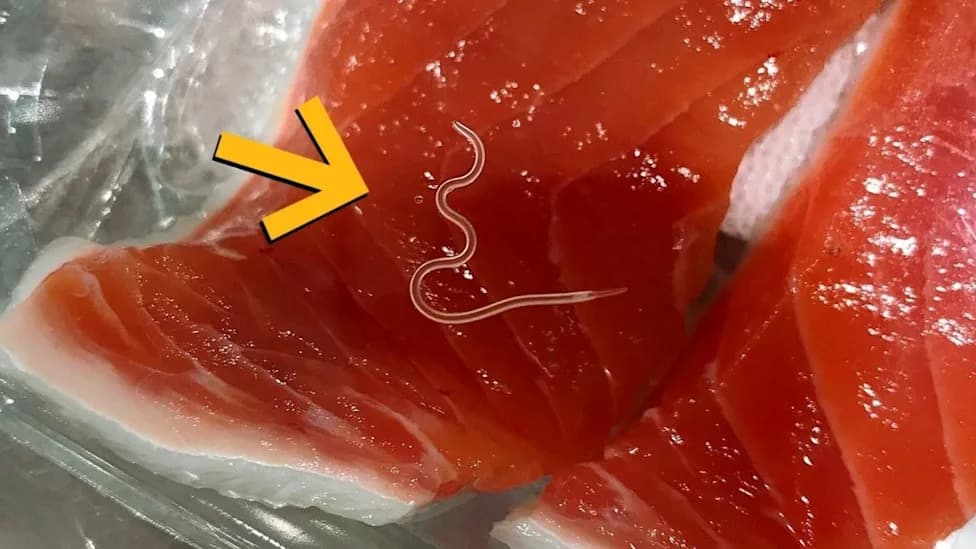
Researchers at the Federal University of Santa Catarina examined 53 locally caught skipjack tuna and found parasites in 96% of samples, including muscle and stomach tissue. Microscopy identified zoonotic groups Nematoda and Trypanorhyncha, with more than 1,400 parasites counted in stomachs. The study warns larvae can migrate after capture and urges immediate evisceration and stronger sanitary inspection; public‑health advice favors proper cooking or approved freezing protocols for fish served raw.
Study Finds Parasites in 96% of Sushi‑Grade Skipjack Tuna — Over 1,400 Worms Found in Sample Stomachs
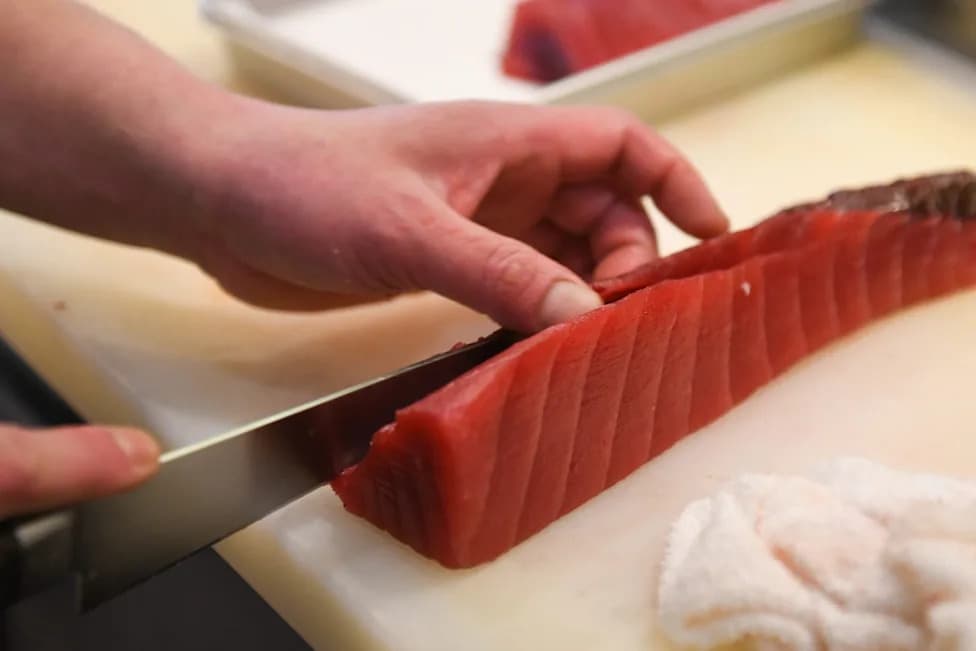
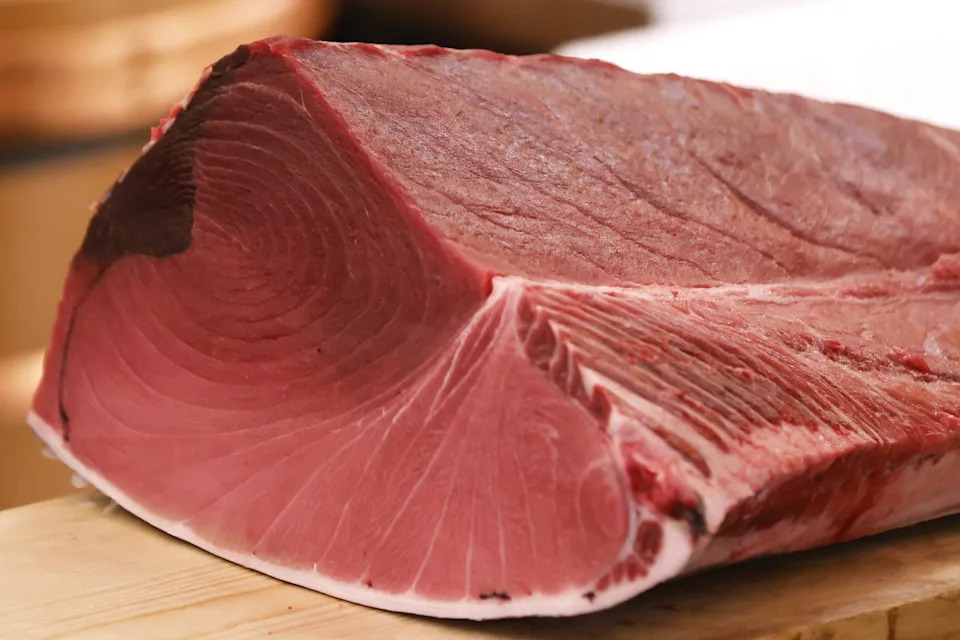
Parasites were found throughout tuna, including in portions commonly consumed by people.
Brazilian researchers report that nearly all of the sushi‑grade skipjack tuna they tested contained parasitic worms, raising concerns about raw‑fish safety and post‑catch handling.
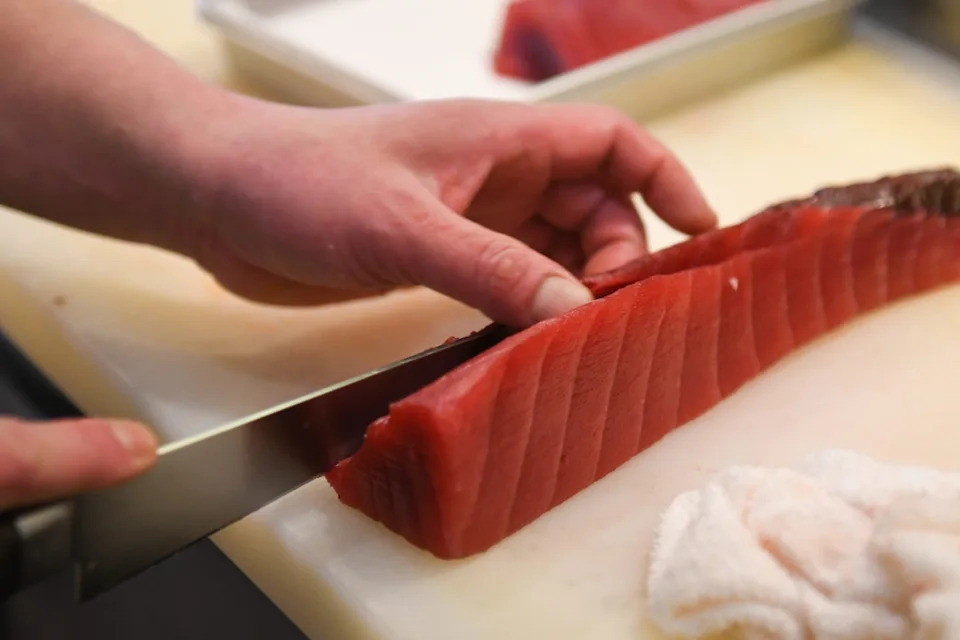
Parasites were found throughout tuna, including in portions commonly consumed by people.
What the study examined
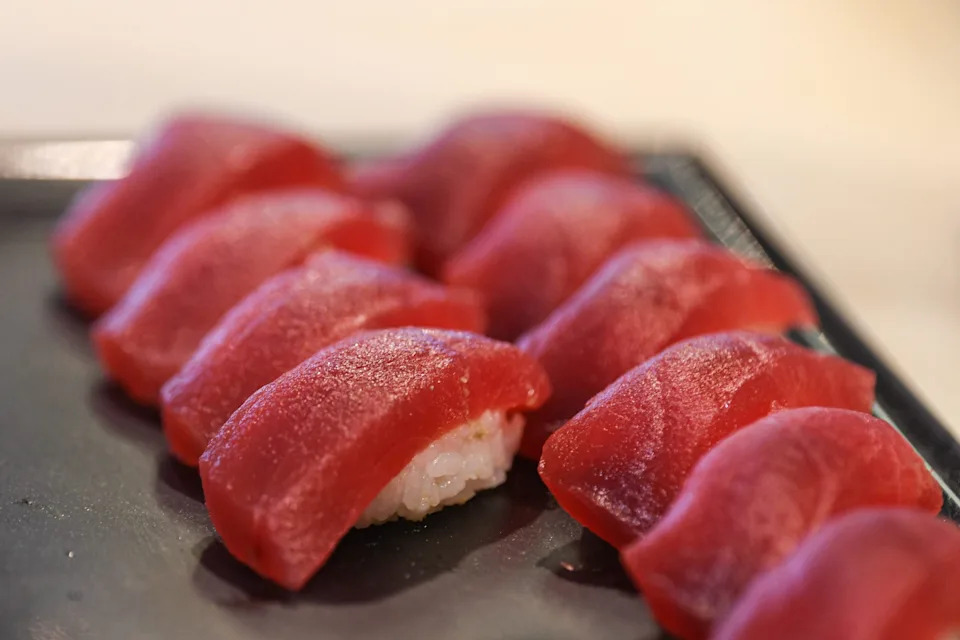
In a recent study, Brazilian scientists found that nearly all sushi-grade tuna was infested with parasitic worms.
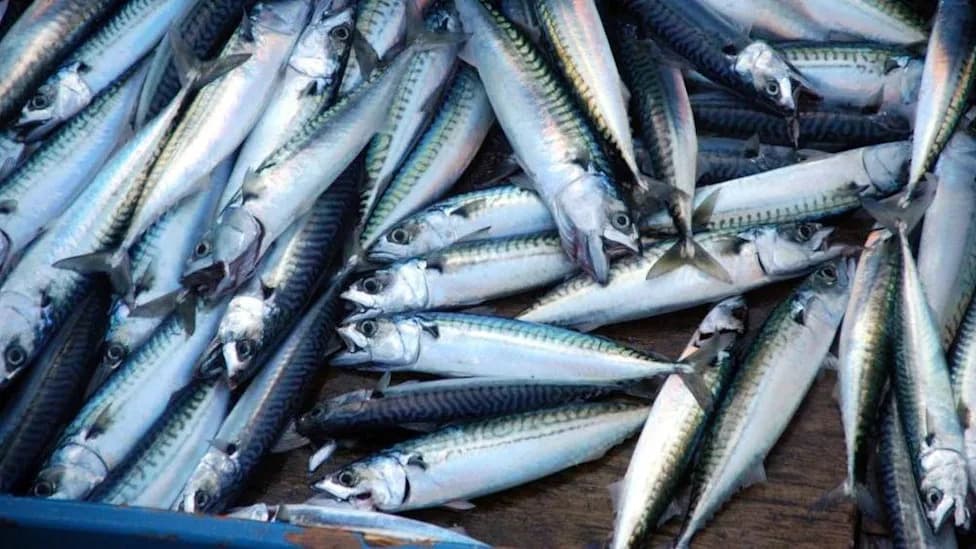
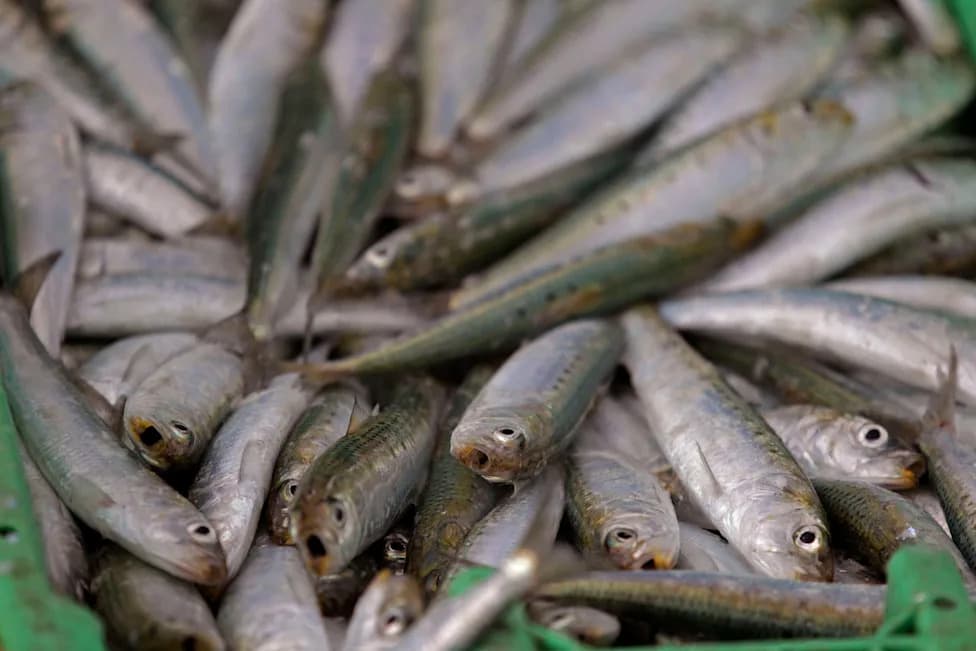
Scientists at the Federal University of Santa Catarina analyzed 53 locally caught skipjack tuna (Katsuwonus pelamis) specimens and found parasites in 96% of the samples. The research was published in the journal Ocean and Coastal Research.
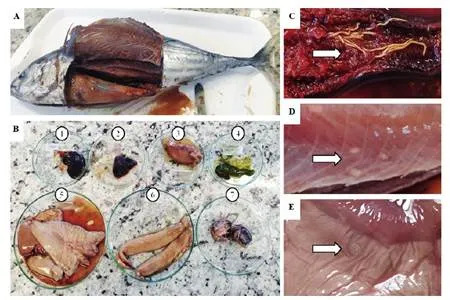
The tuna products tested in the study.
Where parasites were found and which types
Parasites were detected throughout the fish: in the intestines, stomach and, notably, in muscle tissue — the portion most often served raw in sushi and sashimi. In one striking result, researchers counted more than 1,400 parasites in stomach tissue across the sampled fish. Microscopic and electron‑microscopy techniques identified two zoonotic groups: Nematoda and Trypanorhyncha.
The researchers found worms in the intestine, muscle tissue and stomach.
Why this matters
The authors emphasized that the concern is not only the presence of parasites but their abundance and ability to migrate from the gut into muscle and other tissues after capture. That migration can limit the effectiveness of some post‑catch inspections and handling practices.
“These results highlight the importance of sanitary inspection and emphasize the importance of immediate evisceration to avoid the migration of larvae,” the study states.
Health implications and guidance
Eating raw or undercooked fish can expose people to parasites and foodborne illnesses that may cause symptoms such as nausea, vomiting and diarrhea. Many parasitic infections are treatable, and some symptoms lessen as parasites die, but preventive steps are recommended.
Public‑health guidance typically advises either thorough cooking or adherence to regulatory freezing protocols and sanitary inspection standards designed to kill or remove parasites in fish intended to be consumed raw. The researchers and food‑safety authorities also recommend prompt evisceration after capture to minimize larval migration.
Broader context
Skipjack tuna is a globally important species, accounting for a substantial share of the world’s tuna catch and used in canned products as well as raw preparations such as sushi. The study’s findings underline the need for industry vigilance, effective sanitary inspection and clear consumer guidance about the risks of raw seafood.
Practical takeaways: Consumers who eat raw fish should source seafood from reputable suppliers that follow inspection and handling standards; when in doubt, cook fish thoroughly to reduce risk.
Help us improve.