Sea otters are a keystone species that prevent kelp forest collapse by preying on sea urchins, sometimes eating up to 50 urchins per day. Historic hunting reduced their numbers from an estimated 150,000–300,000 to about 2,000, but legal protections have enabled partial recovery in places like California. Recent studies and reintroductions — supported by a $1.5 million 2025 grant for Oregon efforts — show otters can help kelp rebound. Ongoing threats such as oil spills, disease, predators, and habitat limits mean continued conservation is critical.
How Sea Otters Save Kelp Forests — And Why Their Return Matters
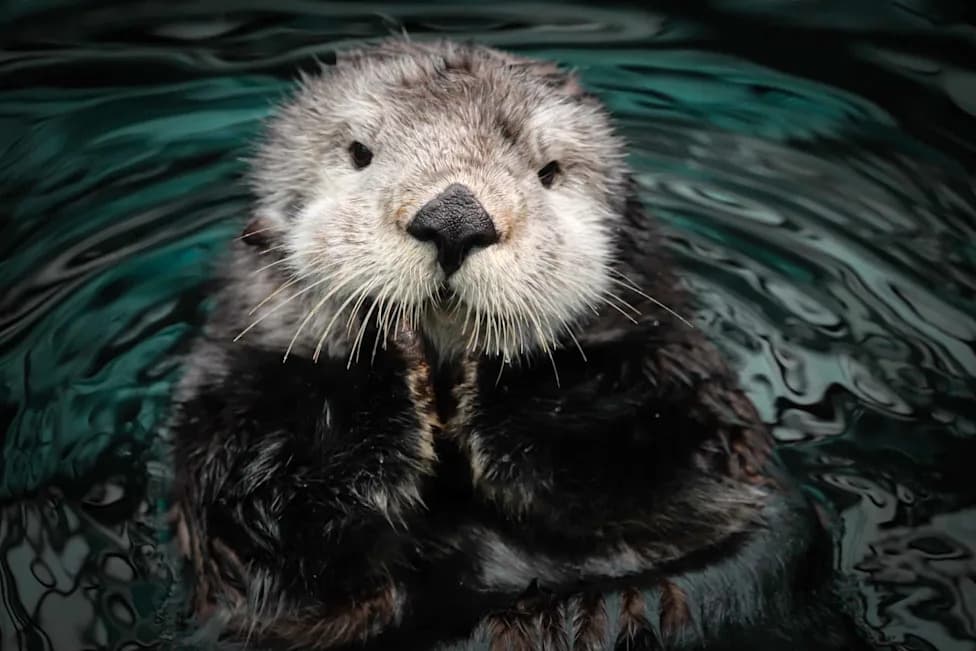
otter© nvphoto/Shutterstock.com
Sea otters are more than charming marine mammals — they are a keystone species that help keep coastal ecosystems alive. One of the clearest examples of their outsized role is the kelp forest, often called the "rainforest of the sea." Without otters, these underwater forests can collapse within years.
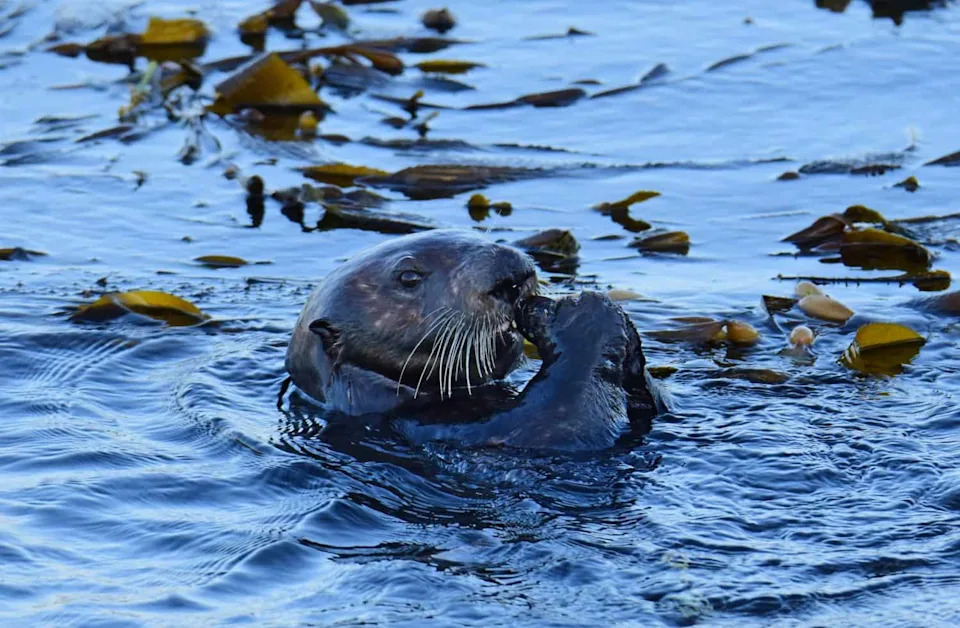
Sea otters protect kelp forests by consuming sea urchins.©Nina B/Shutterstock.com
How Otters Protect Kelp
Sea otters control populations of one of kelp's most destructive consumers: the sea urchin. Left unchecked, urchins can graze a kelp forest down to a barren seafloor in a year or two. Individual sea otters may consume as many as 50 sea urchins per day and require roughly 20–25% of their body weight in calories daily, so they frequently dive to feed on urchins and other invertebrates. Their predation keeps urchin numbers low and allows kelp and the diverse communities it supports to thrive.
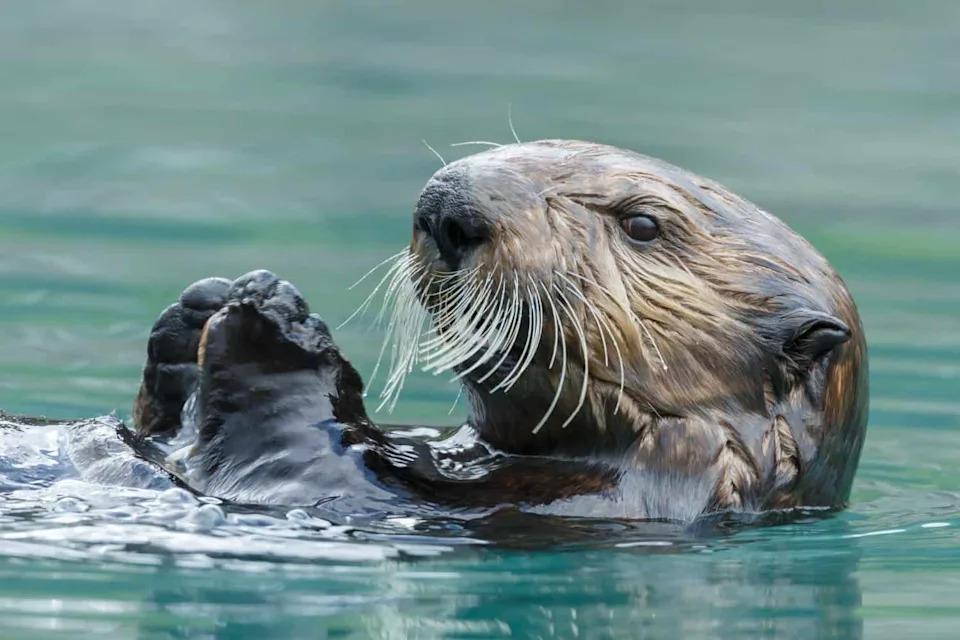
Sea otters use rocks to open and smash hard-shelled creatures, including sea urchins.©Menno Schaefer/Shutterstock.com
Tool Use Strengthens Their Role
Sea otters are among the few nonhuman mammals known to use tools. They often use a rock to crack open hard-shelled prey such as crabs, clams, mussels, and sea urchins, sometimes carrying a favorite rock in loose skin under the forearms. This behavior expands their available diet and makes them particularly effective at controlling species that threaten kelp.
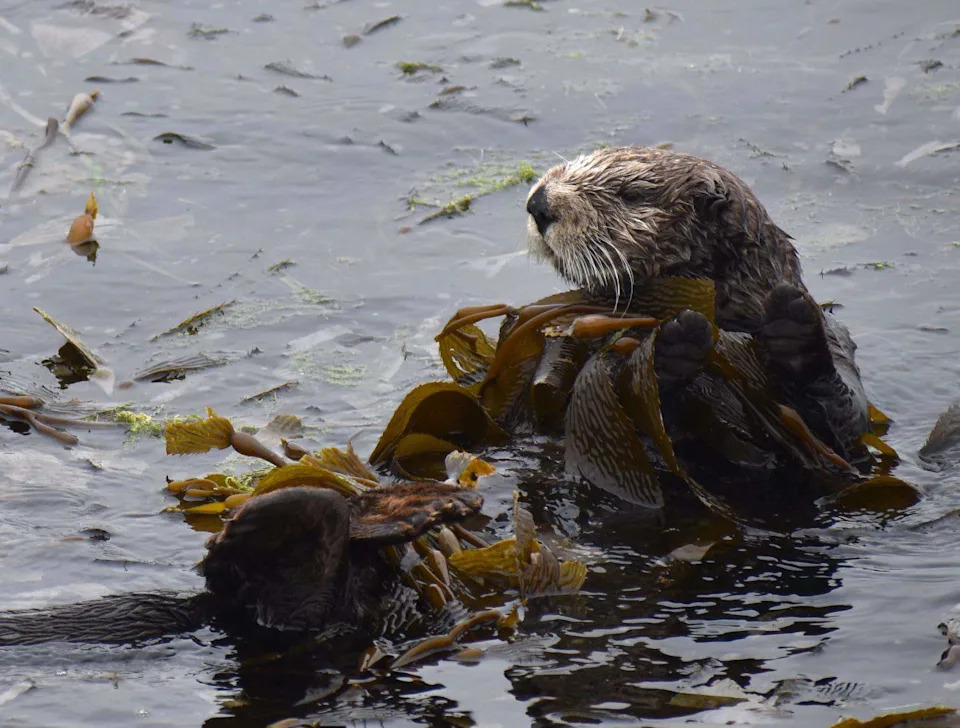
Sea otters nearly went extinct after being targeted by the fur trade.©elakazal/Shutterstock.com
Historic Decline and Partial Recovery
Historically, an estimated 150,000 to 300,000 sea otters lived along the North Pacific rim, from Japan to Baja California. Intensive hunting for pelts during the fur trade era reduced populations precipitously; by the early 1900s only about 2,000 otters remained worldwide, with many West Coast populations locally extirpated. Protection gradually improved — the 1911 International Fur Seal Treaty and later the Marine Mammal Protection Act of 1972 helped curb hunting. Today Central and Southern California populations have rebounded to roughly 3,000 otters, but overall numbers remain far below historical levels.
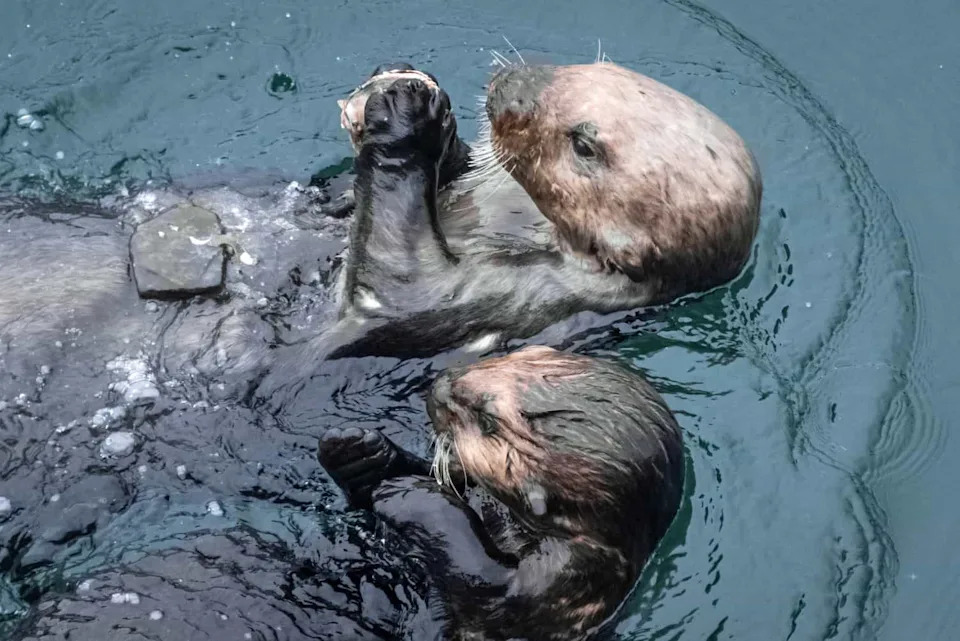
Sea otters have rebounded in some regions thanks to the Marine Mammal Protection Act of 1972.©Alaskan Wildlife/Shutterstock.com
Reintroductions and Kelp Recovery
Recent research and reintroduction efforts show that sea otters can enable kelp recovery. A 2025 study reported kelp returning around locations such as San Nicolas Island (California) and Vancouver Island (British Columbia) after sea otters were reintroduced following local extinctions. Reintroductions and natural recolonization can therefore restore ecological balance and help kelp forests rebound even after severe declines.
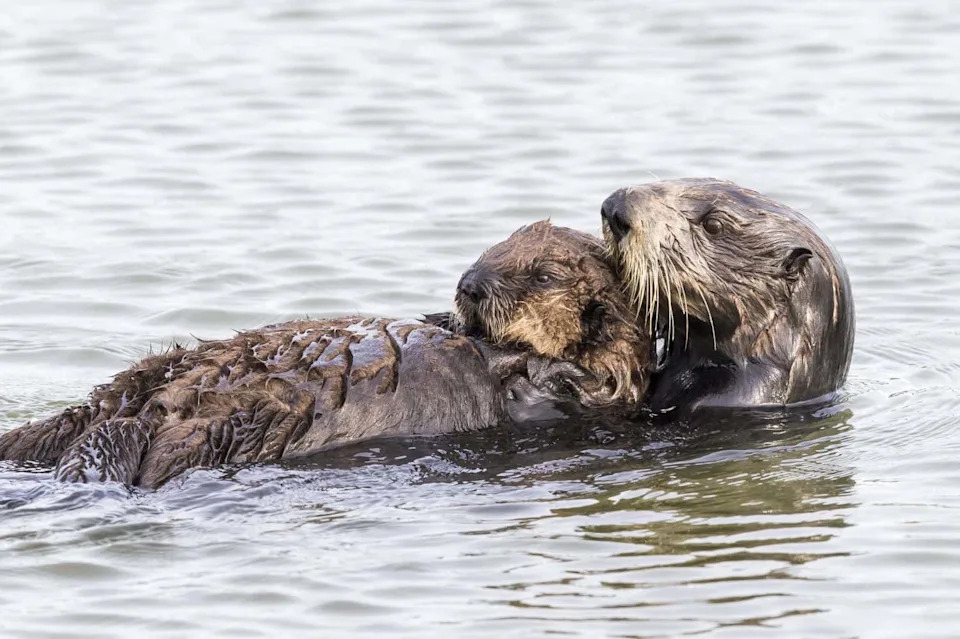
Sea otters are threatened today by predation, oil spills, habitat loss, and more.©Brian Lasenby/Shutterstock.com
Current Threats
Although hunting has largely ceased, sea otters still face many modern threats that could reverse progress: predation from large sharks and killer whales, oil spills, habitat loss and fragmentation, pollution, disease, and slow reproductive rates. Because many otter populations are small and geographically concentrated, a single disaster can have outsized impacts.
Conservation Needs and Outlook
Efforts to restore otters to parts of their former range are underway. In 2024 two sea otters were sighted off the Oregon coast for the first time since 1906, and in 2025 a $1.5 million grant was awarded to the Confederated Tribes of Siletz Indians to support potential reintroduction efforts in Oregon and northern California. Successful reintroduction and habitat protection could help kelp forests recover, strengthen biodiversity, and increase coastal resilience — but continued conservation, pollution prevention, and habitat expansion are essential.
Bottom line: Protecting and expanding healthy coastal habitat for sea otters is not just about saving a charismatic species — it is about restoring entire kelp forest ecosystems that benefit countless marine species and coastal communities.
Help us improve.