Key Finding: A June study in Science Advances found that Atlantic cod in the Bornholm Basin shrank from an average length of >40 cm to ~20 cm between 1996 and 2019. Genetic analyses indicate that fishing has favored variants linked to smaller size and slower growth, producing a fisheries-driven evolutionary change. Despite halting targeted fishing in 2019, recovery has been limited, and scientists warn that reversing the genetic shift could take decades.
Europe’s Cod Are Shrinking — Fishing Has Driven Genetic Change in Baltic Stocks
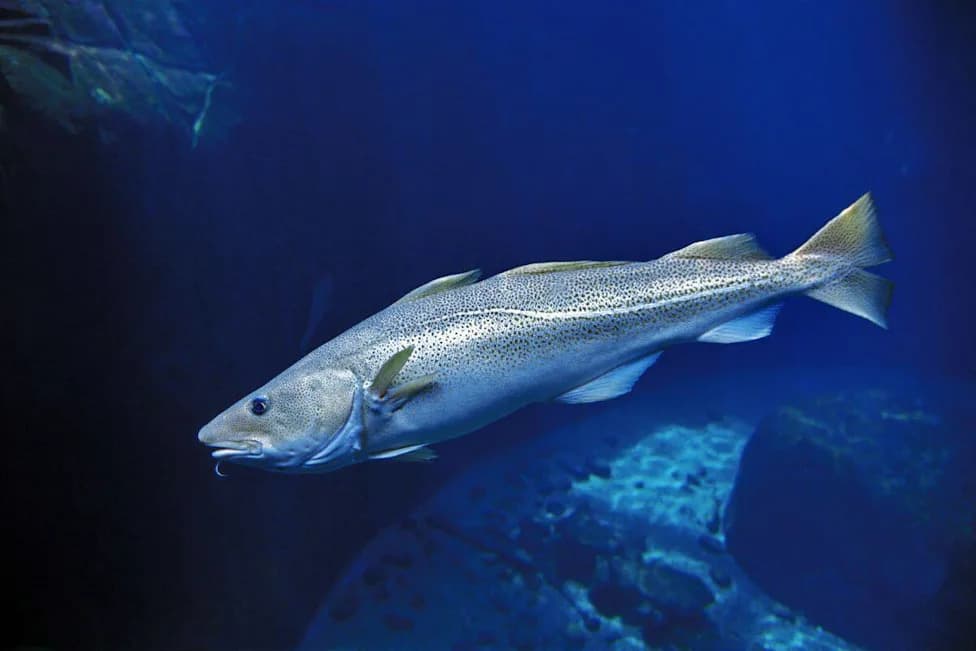
Europe's Favorite Fish Hit By A Strange Genetic Mutation: Should You Be Worried?© slowmotiongli/ via Canva.com
The Atlantic cod (Gadus morhua) has been a culinary and cultural staple across Europe for centuries — from French brandade to classic British fish and chips. A new study published in Science Advances now shows that, beneath the surface, the species is undergoing a startling change: many Baltic cod have become much smaller, and the shift appears to be written into their genes.
Study And Methods
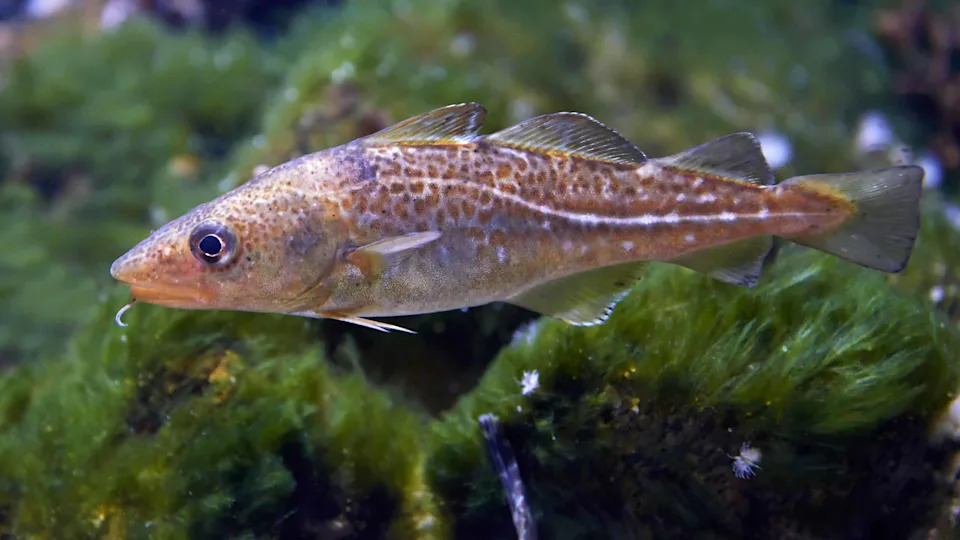
Researchers studied cod from the Bornholm Basin in the Baltic Sea, a region long exposed to heavy commercial fishing. Between 1996 and 2019 they sampled hundreds of fish, taking precise length measurements and using otoliths (tiny ear bones) to reconstruct year-by-year growth histories. Scientists also extracted DNA from individuals across the study period to look for genetic changes linked to growth and size.
©Dennis Jacobsen/Shutterstock.com
Clear Genetic And Size Shifts
The results were striking: over roughly two decades the average adult cod length fell from more than 40 centimeters to about 20 centimeters. Genetic analyses showed that variants associated with smaller adult size and slower growth became more common over that time. In other words, the population is not just smaller because of fewer fish — it has evolved toward smaller, earlier-maturing individuals.
How Fishing Drives Evolution
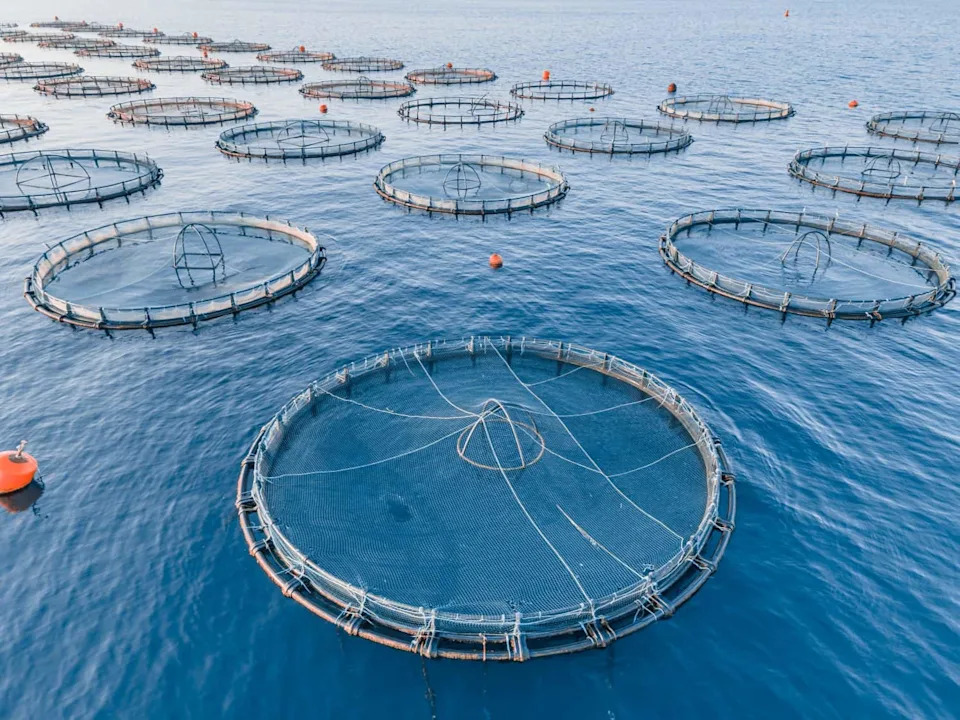
Industrial fishing tends to remove the largest fish because they are more valuable and more likely to be caught. When larger individuals are consistently removed, smaller, earlier-maturing fish have a survival and reproductive advantage. This selective pressure can shift the population's genetic makeup, favoring traits that produce smaller adult cod — an unintended form of human-driven evolution.
©Leonid Sorokin/Shutterstock.com
"It's fascinating from a scientific viewpoint, but worrying ecologically," said Professor Thorsten Reusch, a co-author of the study.
Consequences And Outlook
Baltic Sea cod stocks remain fragile. Even after targeted fishing was halted in 2019, populations have shown only limited recovery, and scientists warn that reversing the genetic shift will not be quick. Evolutionary changes that have accumulated over generations can take decades — or longer — to reverse, and some traits may not return to their former state without strong, sustained management and conservation efforts.
Wider Implications
The study highlights that fishing affects more than catch numbers: it can reshape the biological identity of a species, with cascading effects on ecosystem function, fisheries economics, and food security. Managers may need to consider not only quotas and closures but also gear, size limits, and protected areas designed to reduce selective pressure on large individuals.
As policymakers, fishers, and consumers consider how to restore healthy stocks, the shrinking cod offers a clear reminder that human choices can have deep, long-lasting effects on wild populations.
Help us improve.