The Supreme Court declined on its shadow docket to block California’s new Democrat-leaning congressional map, leaving in place a plan that could yield up to five Democratic pickups in 2026. The unsigned order followed a divided federal panel that had upheld the map and came after the Court earlier allowed a Republican-favoring Texas map to stand. The twin rulings have produced a partisan stalemate that may largely offset gains in each state, even as redistricting litigation continues in multiple states and a pending Louisiana case could affect Voting Rights Act protections.
Supreme Court Lets California Map Stand, Setting Up Redistricting 'Mexican Standoff' With Texas
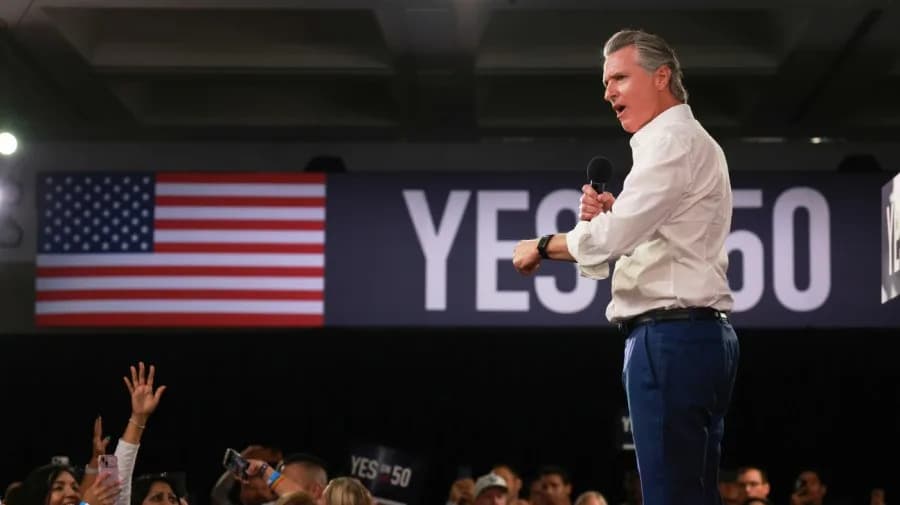
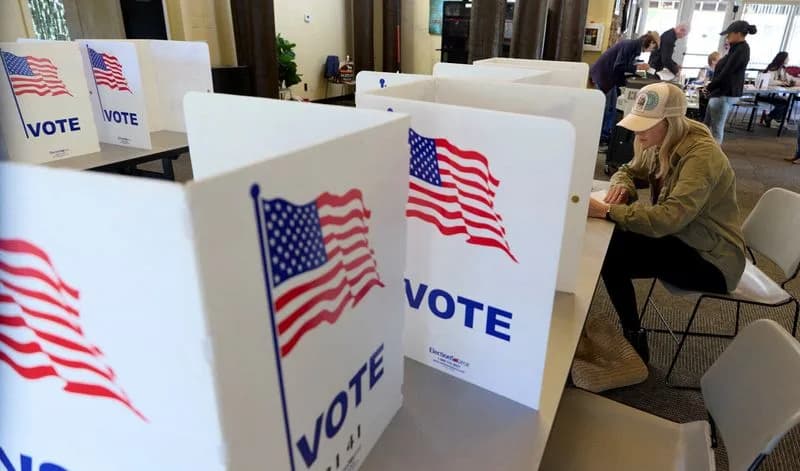
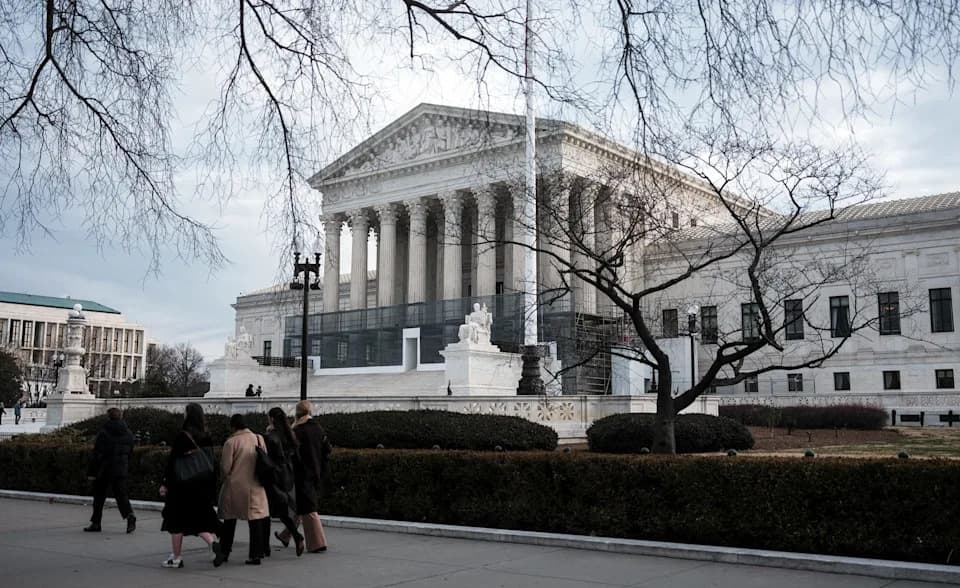
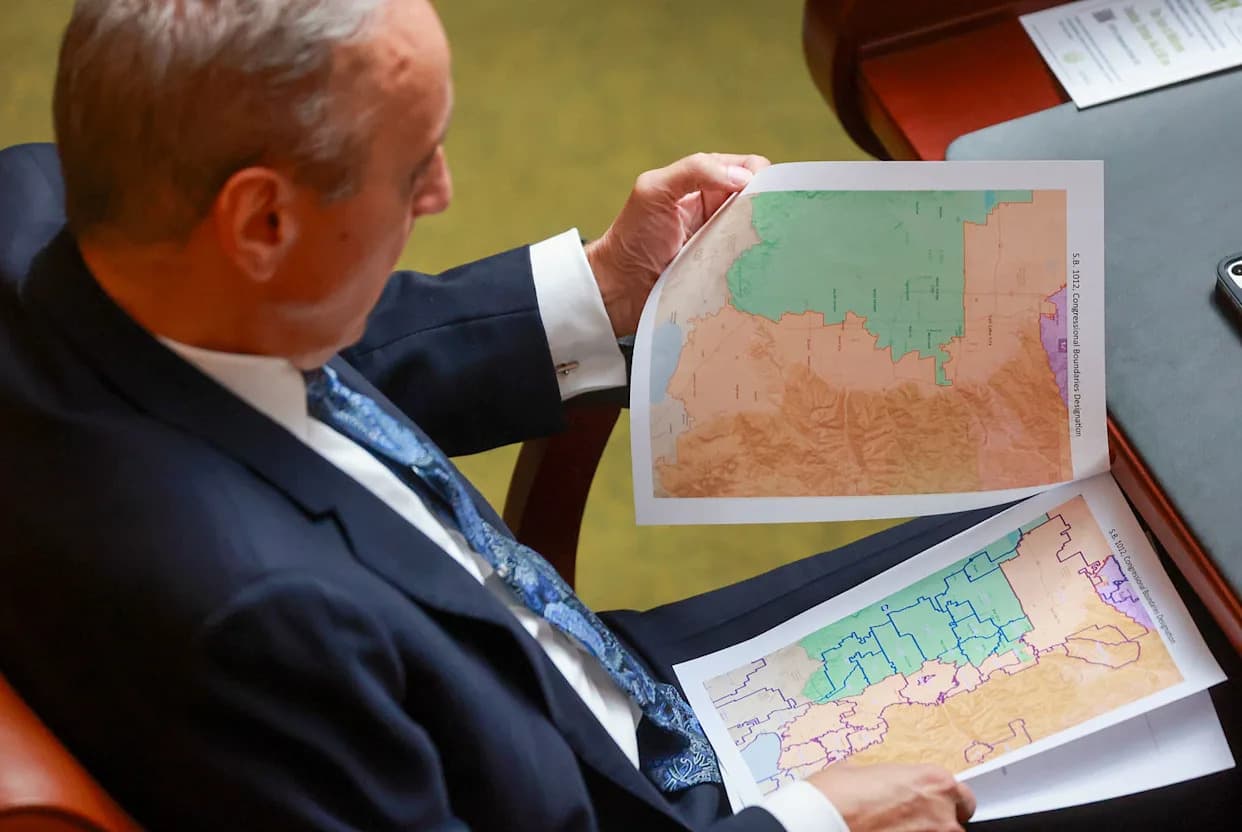
With fiercely contested House races looming in November 2026, the Supreme Court last week declined on its shadow docket to block California’s newly drawn congressional map, leaving in place a plan that could help Democrats win as many as five seats. The unsigned order provided no vote count or written reasoning — a hallmark of shadow-docket rulings — and came after a divided three-judge federal panel in Los Angeles had upheld the map.
Background
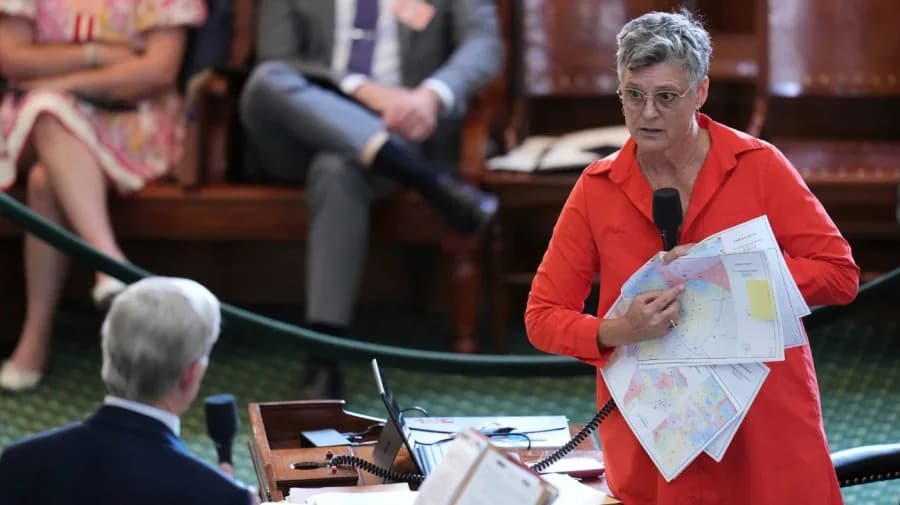
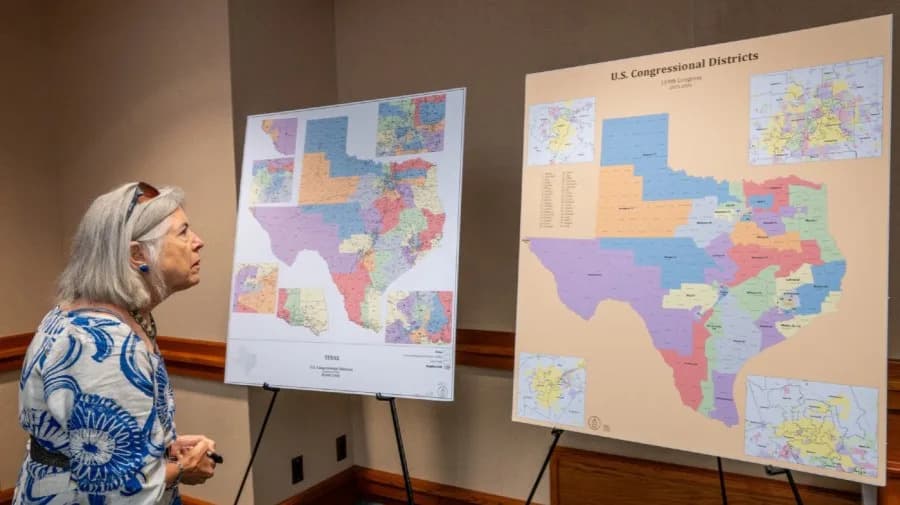
The decision follows a separate high-court ruling earlier this year that cleared a Republican-drawn map in Texas, which Republican officials said was designed to pick up several GOP House seats. Many observers and some state leaders have described the resulting dynamic as a partisan tit-for-tat: Texas moved first; California adopted a map in part to blunt Texas’s gains.
Legal Arguments And Reactions
Solicitor General D. John Sauer, in a brief filed on behalf of Trump-aligned interests, argued that California’s plan was "tainted by an unconstitutional racial gerrymander," asserting its boundaries were drawn to bolster Latino voting strength. California countered that it would be anomalous to redraw districts to empower Latino voters and then produce a plan that reduces the number of majority-Latino districts.
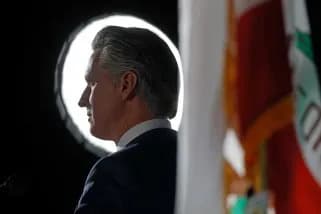
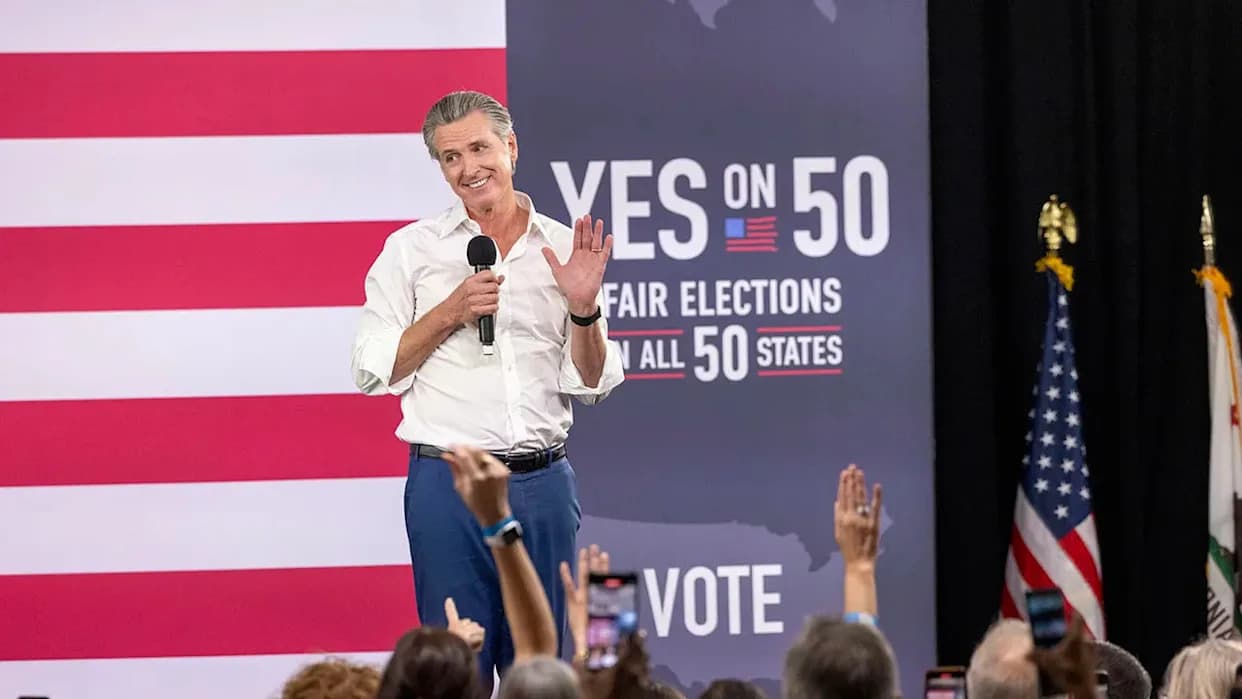
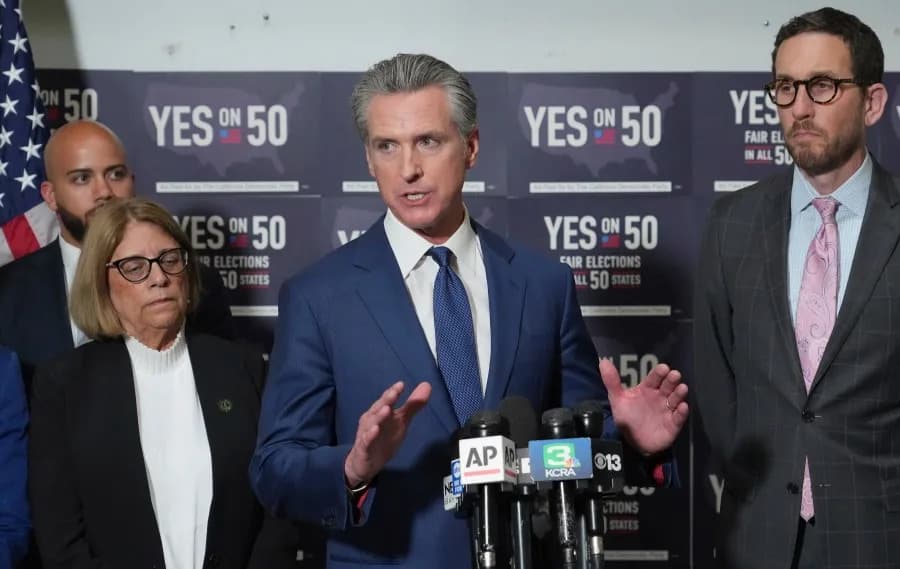
Justice Samuel Alito, in a concurrence in the related Texas ruling, described the motive behind both states’ maps as "partisan advantage pure and simple," calling the situation, in essence, a Mexican standoff. Gov. Gavin Newsom (D) celebrated the ruling on X, while former President Donald Trump denounced the California map as "unconstitutional" and a "giant scam." Gov. Greg Abbott (R) engineered the Texas map, which the Supreme Court previously allowed to stand.
Broader Legal Fight
Redistricting litigation remains active across the country. Republican- and Democratic-led states alike continue to face challenges: Florida and Maryland are taking steps that could produce new disputes; in New York, Rep. Nicole Malliotakis (R) is appealing a state judge’s order for a new plan; in Utah, two House Republicans filed a federal suit against a court-selected map; and in Virginia, a judge found procedural problems with a proposed constitutional amendment on redistricting.
The Supreme Court has also heard arguments in a challenge to Louisiana’s map. October oral arguments suggested the conservative majority may further narrow protections tied to the 1965 Voting Rights Act — a development that could trigger additional rounds of partisan line-drawing and materially affect Black representation in Congress.
What Comes Next
Because California’s primaries are scheduled for June, the court’s reluctance to intervene late in the election calendar — often invoked through the "Purcell principle" — makes the ruling unlikely to be changed before the upcoming contest. With both the California and Texas maps upheld for now, their partisan effects may largely offset each other heading into the 2026 midterms, producing a temporary equilibrium even as litigation continues elsewhere.
Conclusion
The high court’s shadow-docket decision underscores how the Supreme Court can shape the partisan map without full briefing or published reasoning, intensifying debate about the Court’s role in election law. For now, the result is a standoff: both parties have deployed redistricting as a strategic tool, and the courts will remain the principal arena for resolving those battles.
James D. Zirin is a former federal prosecutor in the Southern District of New York and a legal analyst.
Copyright 2026 Nexstar Media, Inc. All rights reserved. This material may not be published, broadcast, rewritten, or redistributed. For the latest news, weather, sports, and streaming video, visit The Hill.
Help us improve.