The California Republican Party has filed an emergency application with the U.S. Supreme Court asking Justice Elena Kagan to block a voter‑approved redistricting plan (Prop. 50) before California’s Feb. 9 candidate filing deadline. Plaintiffs argue the map unlawfully used race to favor Latino voters and Democrats; a federal court on Jan. 14 declined to enjoin the map in a 2‑1 decision, finding weak evidence of racial motivation but strong evidence of partisan intent. The emergency filing was made by the Dhillon Law Group and joined by the Trump administration.
California GOP Asks U.S. Supreme Court To Block Voter‑Approved Redistricting Ahead Of Filing Deadline
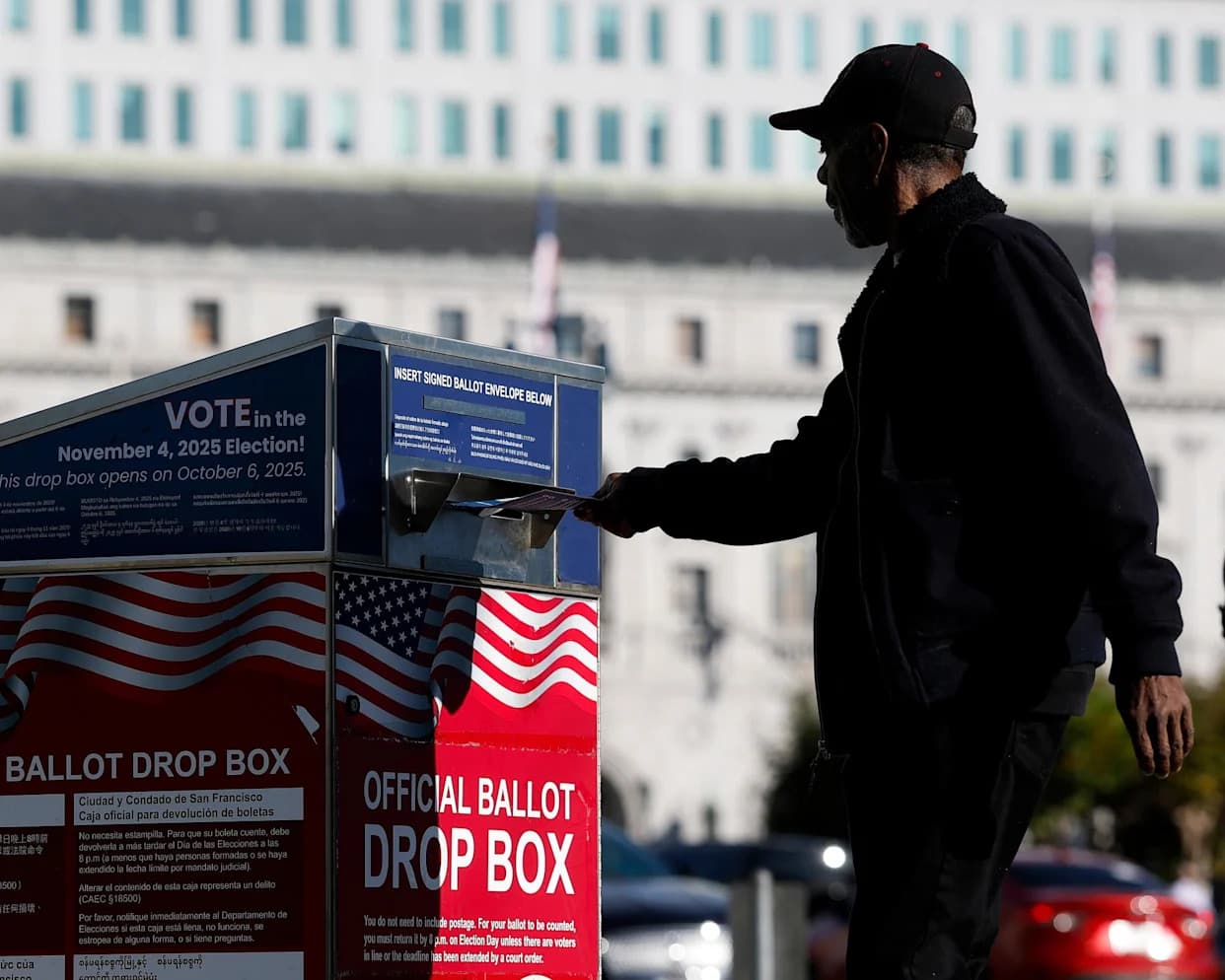
A voter drops his ballot in a drop box outside of San Francisco City Hall on 4 November 2025 for Prop 50 elections.Photograph: Justin Sullivan/Getty Images(Photograph: Justin Sullivan/Getty Images)
The California Republican Party has asked the U.S. Supreme Court for emergency relief to block a voter‑approved redistricting plan that could shift as many as five U.S. House seats to the Democrats. The party asked Justice Elena Kagan, who handles emergency matters from the Ninth Circuit, to issue an injunction before Feb. 9 — the start of California’s candidate filing period for the June 2026 primaries.
What the Filing Argues
In the emergency application, the GOP and other challengers contend the redrawn map — known to voters as Prop. 50 — unlawfully used race as a predominant factor to benefit Latino voters and the Democratic Party. The plaintiffs cite potential violations of the 14th Amendment’s Equal Protection Clause, the 15th Amendment’s ban on racial discrimination in voting, and the federal Voting Rights Act.
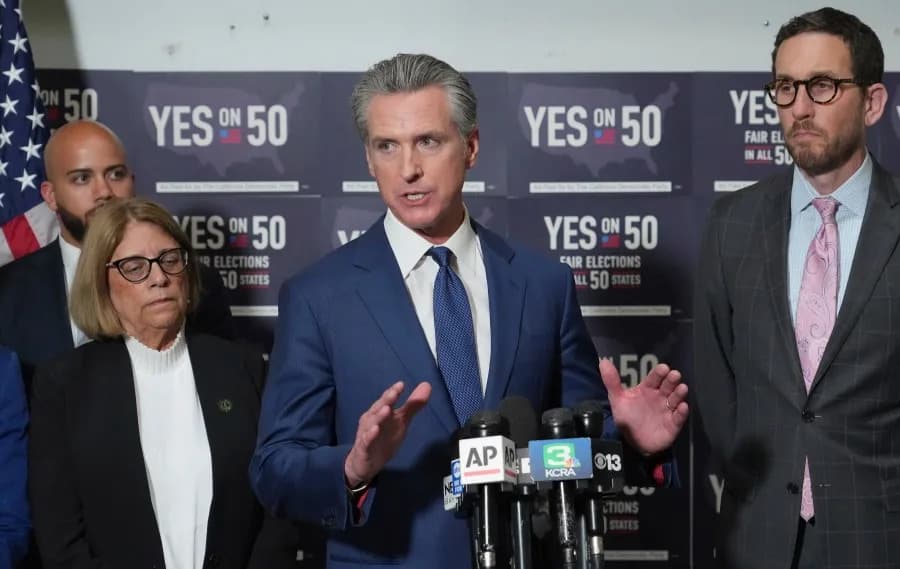
“California cannot create districts by race, and the state should not be allowed to lock in districts that break federal law,” said Corrin Rankin, chairwoman of the California Republican Party. “Our emergency application asks the Supreme Court to put the brakes on Prop. 50 now, before the Democrats try to run out the clock and force candidates and voters to live with unconstitutional congressional districts.”
Legal And Political Background
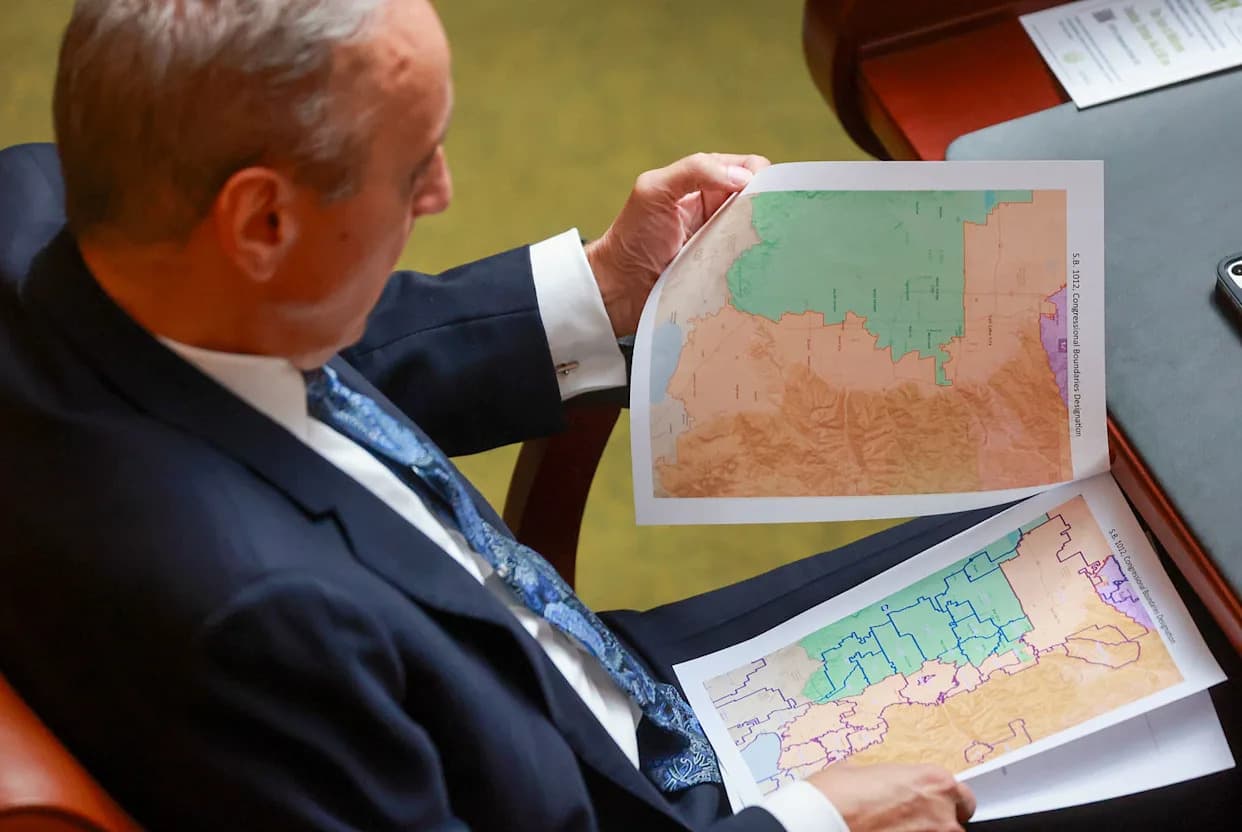
The map was approved by California voters in November as a response to a high‑profile redistricting effort in Texas that sought to shore up Republican chances there. Supporters in California say the map is a legitimate partisan response designed within the state’s process to preserve competitive representation; opponents call it a racial gerrymander that improperly prioritizes ethnicity over traditional redistricting criteria.
On Jan. 14, a federal court in Los Angeles rejected the challengers’ request to enjoin the plan, issuing a 2‑1 decision. The court concluded that the evidence of racial motivation was weak while evidence of partisan motivation was strong, and therefore challengers were not entitled to preliminary relief.
“Because we find that the evidence of any racial motivation driving redistricting is exceptionally weak, while the evidence of partisan motivations is overwhelming, challengers are not entitled to preliminary relief on any of their claims,” the opinion said.
Stakes And Next Steps
Republicans hold narrow majorities in both chambers of Congress, so changes to California’s congressional delegation could affect control of the House after the November 2026 elections — with implications for federal legislative priorities and oversight. The GOP’s emergency request to Justice Kagan asks the court to halt implementation of the map before candidate filing opens on Feb. 9.
The emergency application in the Supreme Court was filed by the Dhillon Law Group on behalf of the California Republican Party. The firm’s founder, Harmeet Dhillon, is now the U.S. Assistant Attorney General for the Civil Rights Division and is a former vice‑chair of the California Republican Party.
Associated Press contributed reporting.
Help us improve.