Summary: The Supreme Court is considering an emergency appeal over California’s Prop 50 congressional map after a federal appeals panel called it a political gerrymander intended to flip five Republican seats. A Trump-appointed dissenting judge said challengers rebutted the state’s presumption of good faith and identified viable alternative maps, arguments challengers pressed at the high court. California’s lawyers counter that the justices should not intervene after permitting a Republican-friendly Texas map, and the Court has been asked to rule by Feb. 9.
Roberts Court Faces Major Test Over California’s Prop 50 Congressional Map
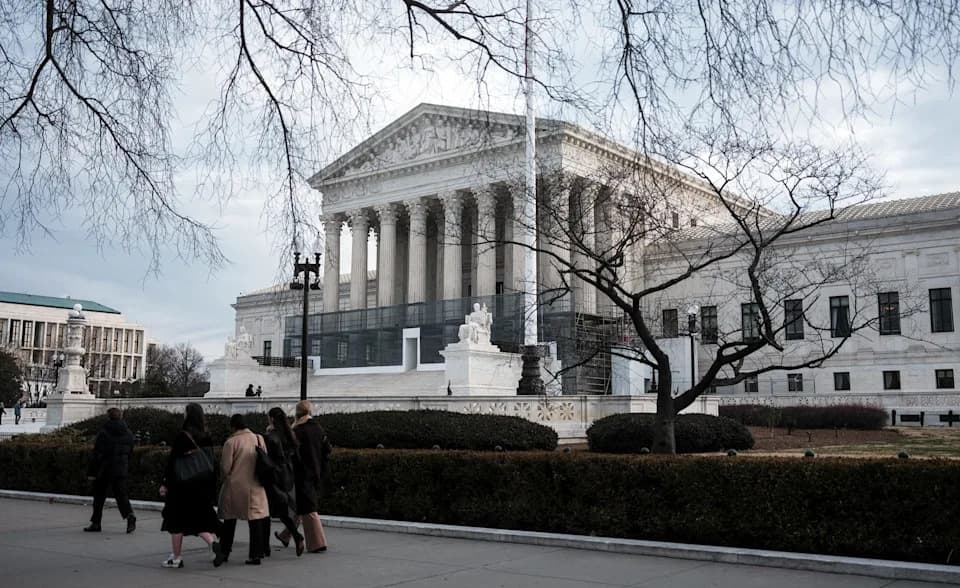
The Supreme Court is weighing an emergency appeal over California’s Proposition 50 congressional map as the November midterm elections approach. The case raises immediate questions about whether the justices will treat a Democratic-leaning map differently from a recently upheld Republican-favored map in Texas.
Background
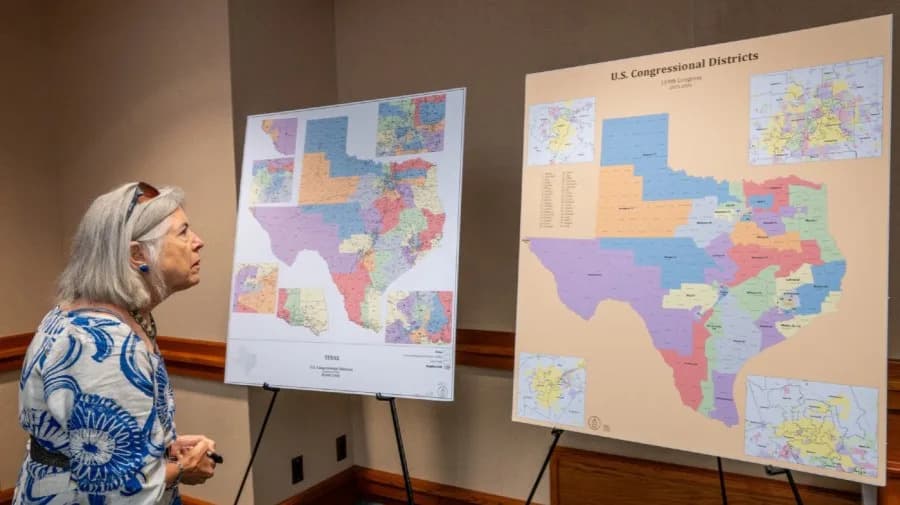
Last month the high court allowed a Trump-backed redistricting plan in Texas to take effect. An unsigned order in that litigation noted the sequence of events: Texas "adopted the first new map, then California responded with its own map for the stated purpose of counteracting what Texas had done." In a concurrence joined by Justices Clarence Thomas and Neil Gorsuch, Justice Samuel Alito wrote that the maps were adopted for "partisan advantage pure and simple."
What Happened In California
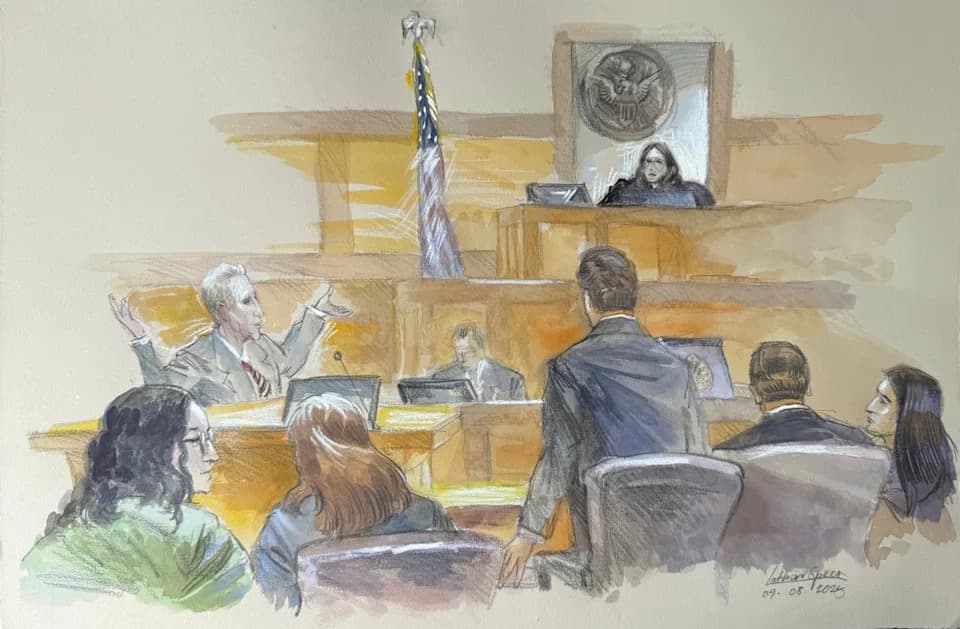
A federal appeals panel recently rejected Republican challenges that California’s Prop 50 map was an unlawful racial gerrymander. The panel characterized Prop 50 as "exactly what it was billed as: a political gerrymander designed to flip five Republican-held seats to the Democrats," echoing Alito’s characterization that the impetus was "partisan advantage pure and simple."
Quote (appeals panel): "Proposition 50 was exactly what it was billed as: a political gerrymander designed to flip five Republican-held seats to the Democrats."
Dissent And The Supreme Court Appeal
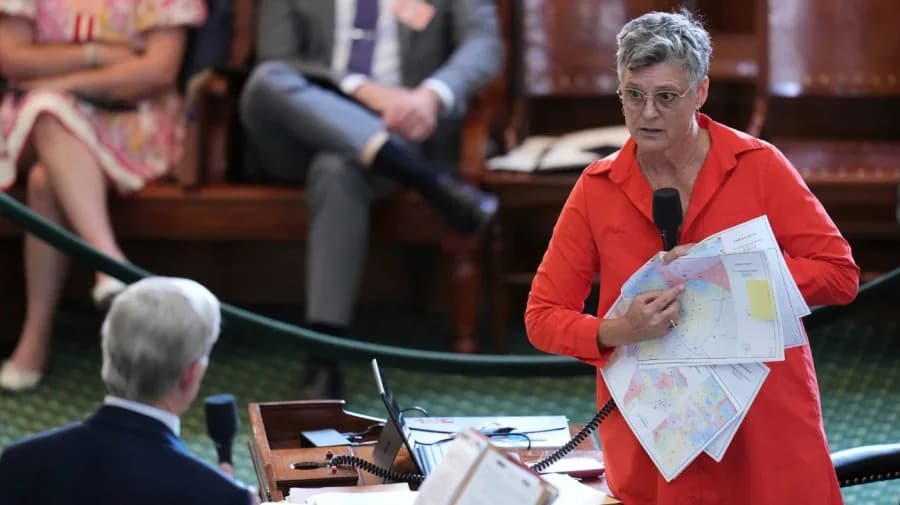
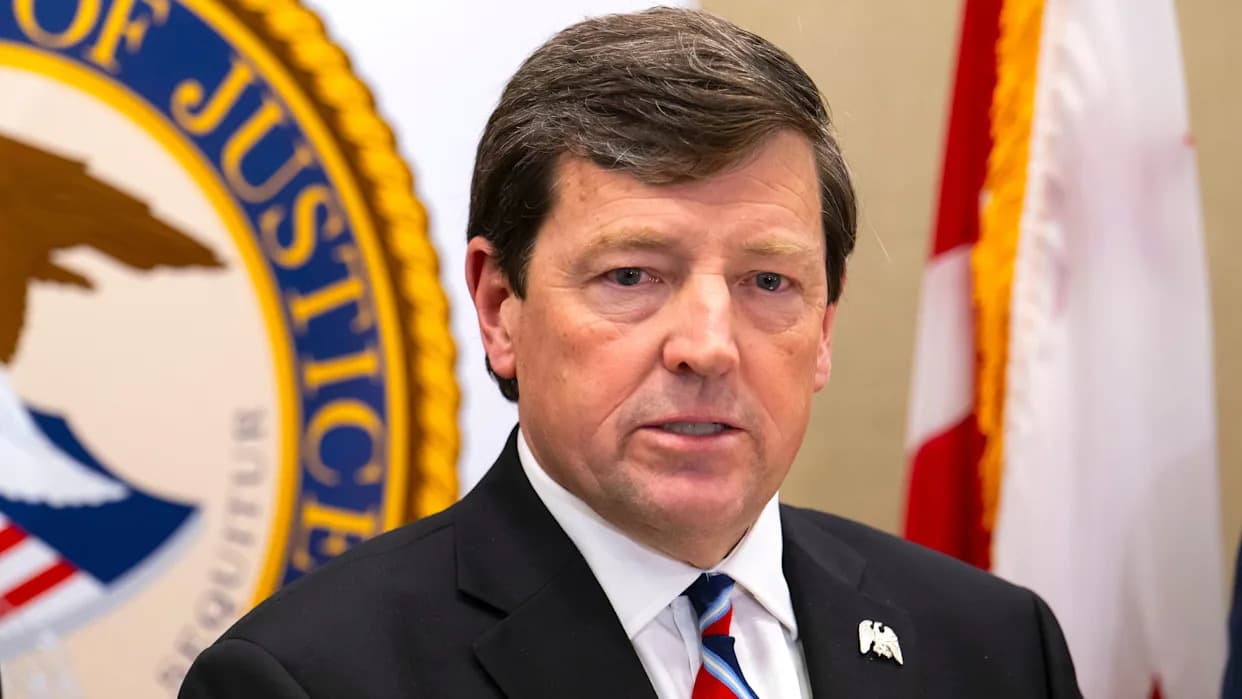
Judge Kenneth Lee, a Trump appointee on the appeals panel, dissented. He argued challengers had "rebutted the presumption of good faith" the state enjoys and said there were viable alternative maps in California. Challengers relied heavily on Lee’s dissent in their emergency appeal to the Supreme Court, citing him repeatedly in asking the justices to intervene.
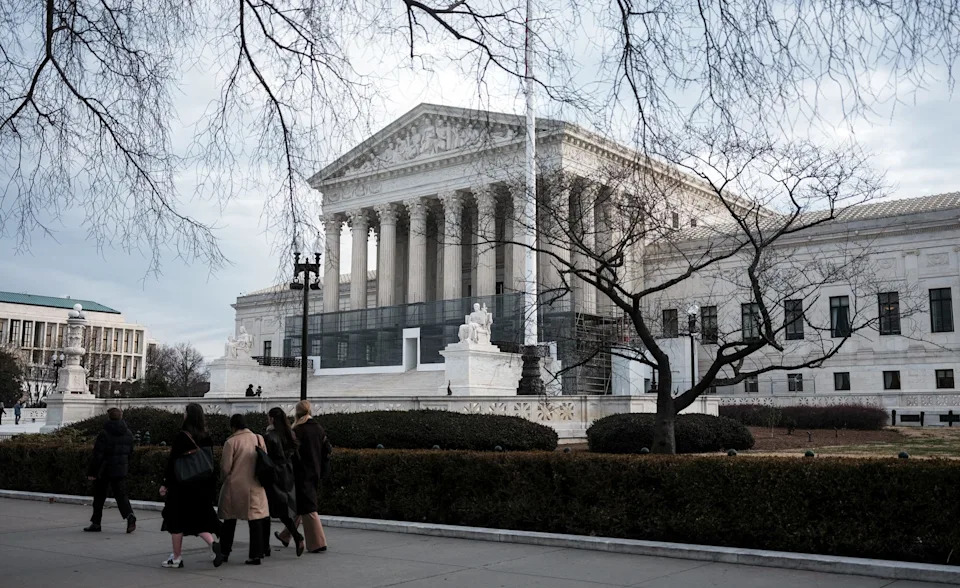
The US Supreme Court on Jan. 14, 2026.(Kent Nishimura / Bloomberg via Getty Images)
California, in turn, highlighted Justice Alito’s concurrence and cited critics such as former Florida Attorney General Pam Bondi, who called the measure a "power grab" for "political gain," in its opposition to the challengers’ emergency request.
Legal Stakes
Under current Supreme Court precedent, partisan considerations in mapmaking are not categorically illegal while racial gerrymandering remains prohibited. In the Texas litigation, challengers failed to convince the justices that the map was invalid due to racial motives. Opponents of Prop 50 now seek to persuade the Court that California’s effort should be enjoined for reasons that were not sufficient to halt Texas’s map.
The challengers have asked the Court for a ruling by Feb. 9, but the justices set their own schedule. A decision one way or the other would test how the Roberts Court balances prior signals about partisan advantage with factual and procedural distinctions emphasized by dissenting judges and by California’s opponents.
Why It Matters
If the Court intervenes, it could alter the congressional balance in California before midterms and set a precedent about when courts may enjoin partisan redistricting after similar maps have been allowed to stand elsewhere. If it declines, the Prop 50 map will likely remain in place for the upcoming elections.
If you have questions or comments, please submit them through the Deadline: Legal Blog form for a chance to be featured.
Help us improve.