The Supreme Court declined a Republican challenge to California’s new congressional map, mirroring its December treatment of a contested Texas map and highlighting concerns about the court’s gerrymandering doctrine. Critics argue the decisions reflect partisan realities and the court’s growing use of short-form orders. Key upcoming issues include a Louisiana voting-rights case, tariff rulings, and a high-profile petition from Steve Bannon.
Supreme Court Lets California Map Stand — But Bigger Election Battles Loom
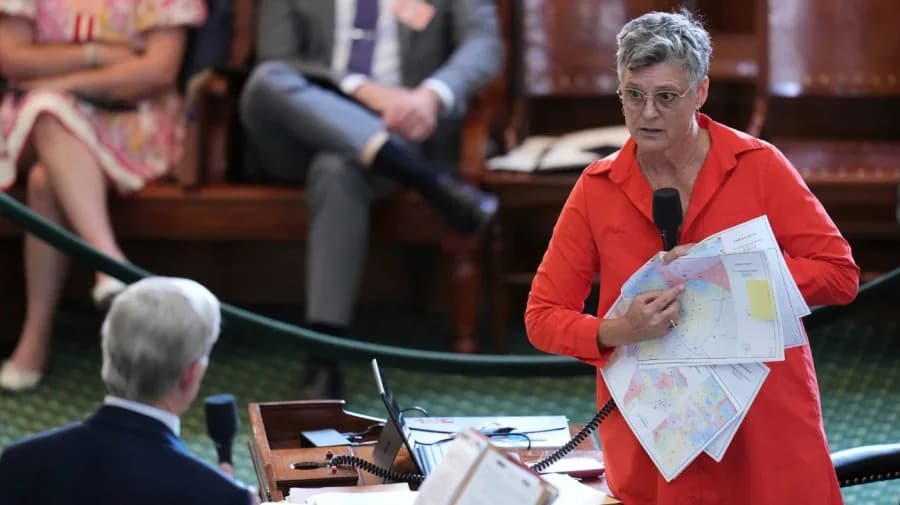
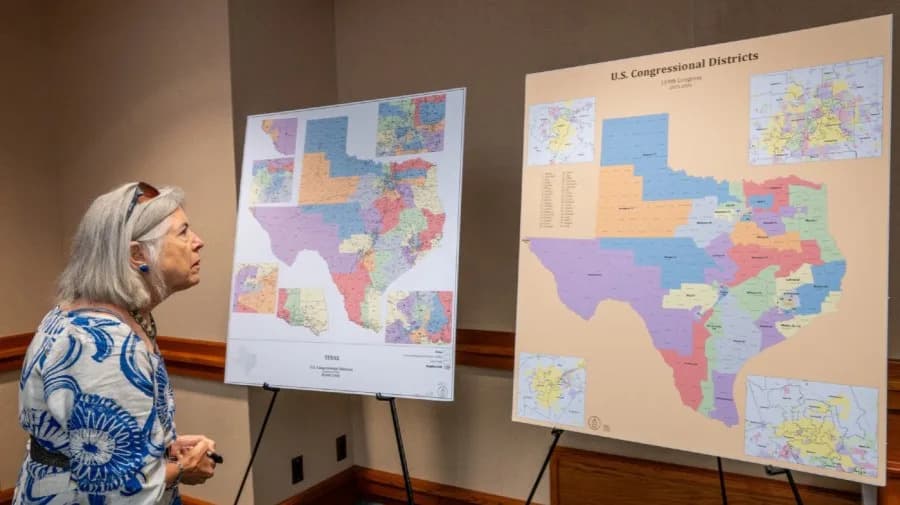
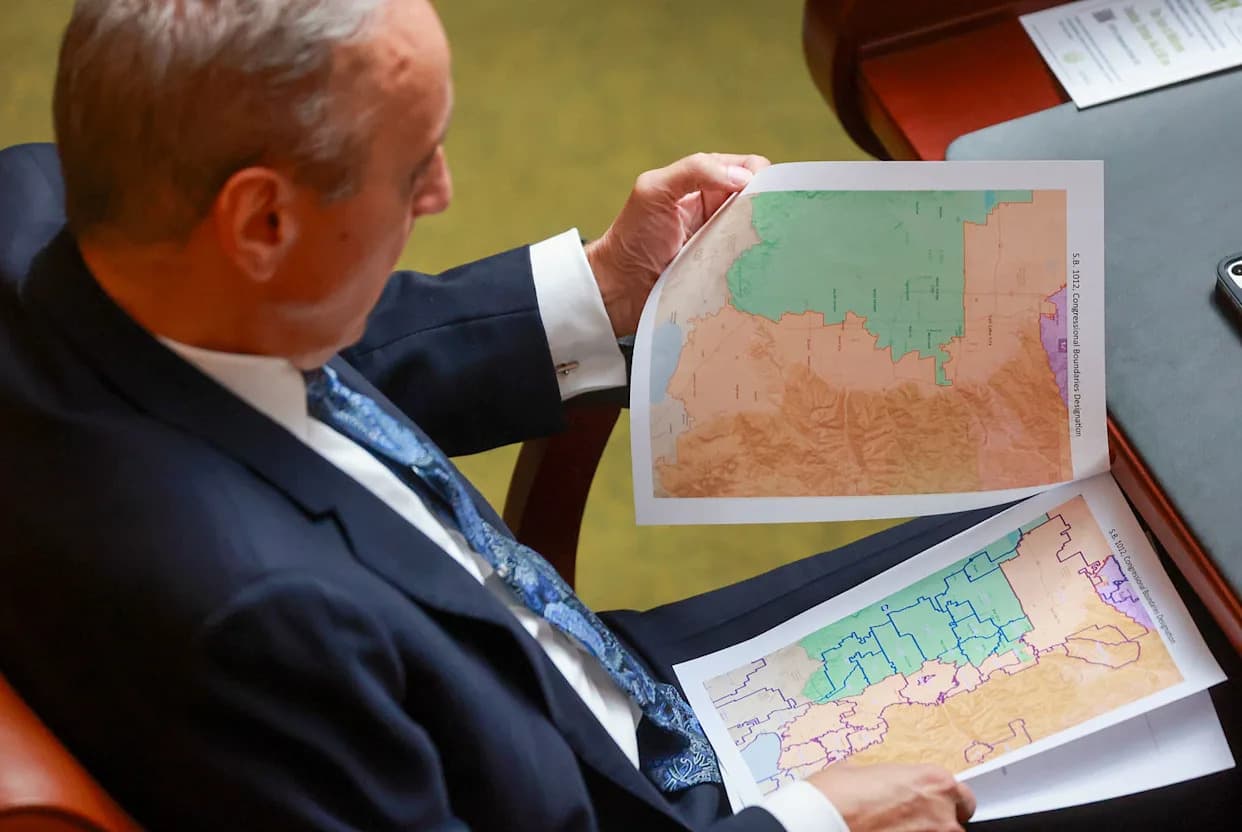
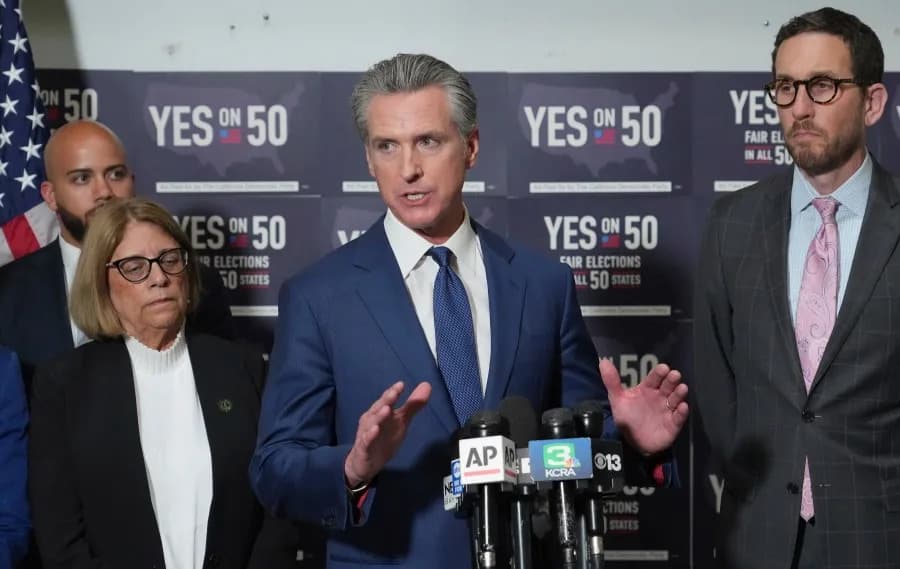
The Supreme Court this week declined a Republican appeal seeking to block California’s newly approved congressional map, effectively affirming the court’s earlier approach to redistricting after a December order that let a Republican-drawn Texas plan stand.
By rejecting the challenge to California’s Democratic-leaning map, the court — led by a conservative majority — maintained the consistency signaled after the Texas decision. Critics say the pair of rulings reflects both a weakened federal gerrymandering doctrine and a willingness by the justices to resolve some high-stakes disputes via short-form orders rather than full merits opinions.
Why it matters: The court’s action preserves a map that could shape House races ahead of the midterms and underscores how the justices are handling politically charged redistricting fights. When the court backed the Texas map, some conservative justices defended the result by acknowledging the partisan motive behind both maps:
“The impetus for the adoption of the Texas map (like the map subsequently adopted in California) was partisan advantage pure and simple.”
The Wall Street Journal’s editorial page warned the political fallout is likely to be acute, arguing that Republicans aggrieved by the competing maps “can blame Mr. Trump for starting the race to the gerrymander bottom.”
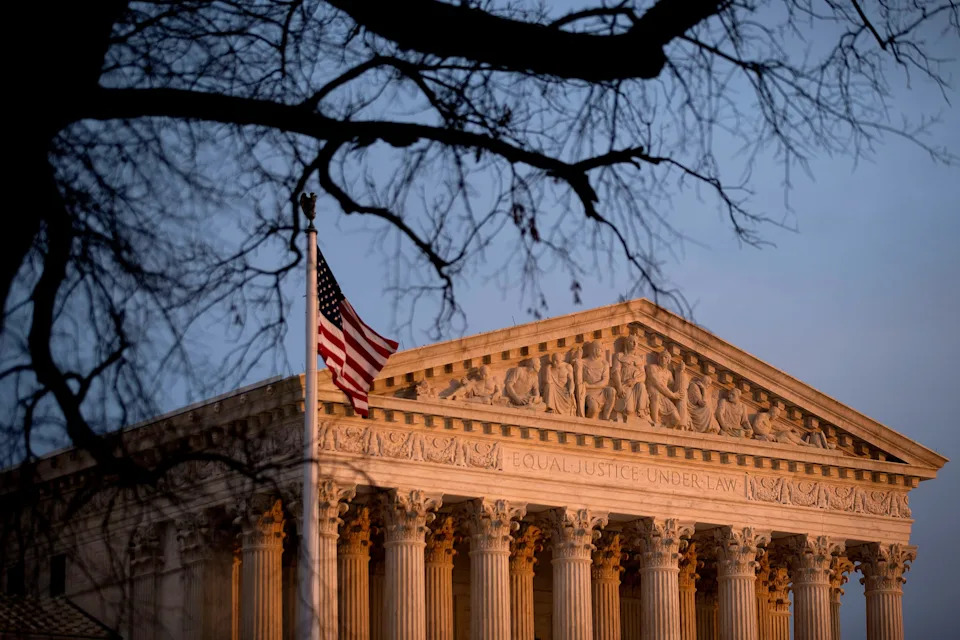
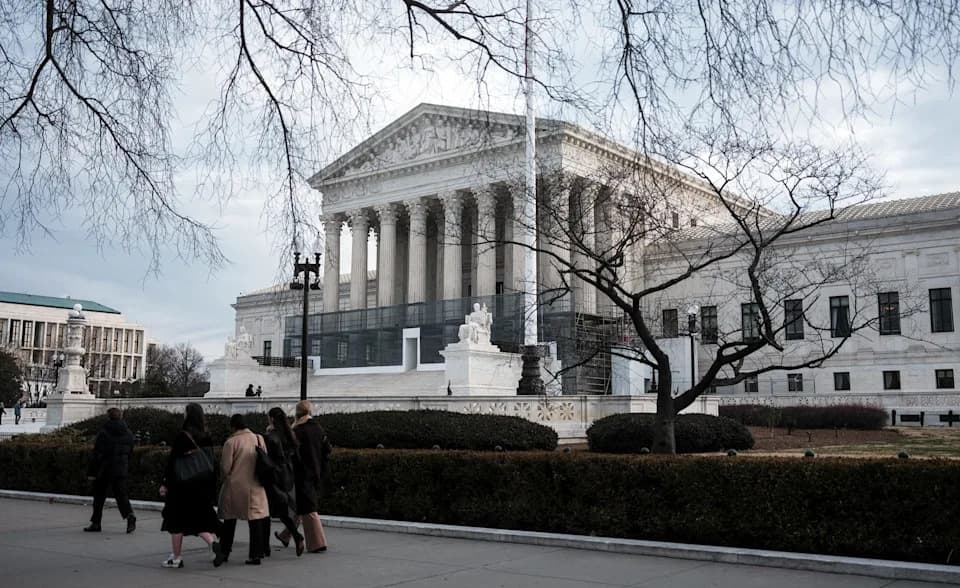
The U.S. flag flies in front of the Supreme Court building at sunset in Washington, D.C., U.S., on Tuesday, Dec. 9, 2014. Workers don't have a federal right to be paid for time spent in post-shift security searches, the U.S. Supreme Court ruled in a decision that will help Amazon Inc. fend off lawsuits seeking more than $100 million. Photographer: Andrew Harrer/Bloomberg via Getty Images(Andrew Harrer / Bloomberg via Getty Images)
What’s next
The high court still has a packed docket with several consequential cases ahead. Among the issues to watch:
- Voting rights: A Louisiana election-related case could have wide implications for access to the ballot and the legal standards courts use to evaluate voting disputes.
- Tariffs and commerce: A decision on tariffs is expected once the justices return to regular sittings later this month.
- Birthright citizenship: The court will consider challenges that could reshape immigration law and constitutional interpretation.
- Education and gender issues: An unrelated emergency appeal from California asks whether teachers must notify parents if students express what the case describes as “gender incongruence.” The justices could act on that request at any time.
- High‑profile petitions: Steve Bannon has asked the court to review his contempt conviction for refusing to comply with the House January 6 committee. The Justice Department initially waived its chance to oppose the petition — a move that sometimes signals a recommendation to deny — but the court later requested a response, due Monday.
Shadow docket and timing: Because the justices do not return to full sittings until later this month, some decisions arriving before then are likely to appear on the court’s so-called shadow docket — short, often unsigned orders that resolve emergency appeals without full briefing or oral argument. Critics say that practice raises questions about transparency and precedent-setting in politically charged cases.
As the term progresses, many of the Supreme Court’s headline cases will continue to intersect with electoral politics and the balance of power between state-drawn maps and federal judicial review.
If you have questions or comments for Deadline: Legal, please submit them through the newsletter’s submission form for a chance to be featured in the blog and newsletter.
Source: MS NOW (originally published on ms.now)
Help us improve.