The Department of Justice asked the Supreme Court to block California's Proposition 50 congressional map, arguing it was shaped by race and violates the Voting Rights Act. Solicitor General John Sauer highlighted District 13 and statements by mapmaker Paul Mitchell about boosting Latino voting strength as evidence that race predominated. California officials say the map was drawn for political reasons and would favor Democrats by about five seats. The Supreme Court could act quickly because candidate filings for the 2026 midterms begin on Feb. 9 and the state must respond by Jan. 29.
DOJ Asks Supreme Court To Block Newsom-Backed California Map, Calls It An Unconstitutional Racial Gerrymander

DOJ urges Supreme Court to block California map, calls Newsom-backed plan a racial gerrymander
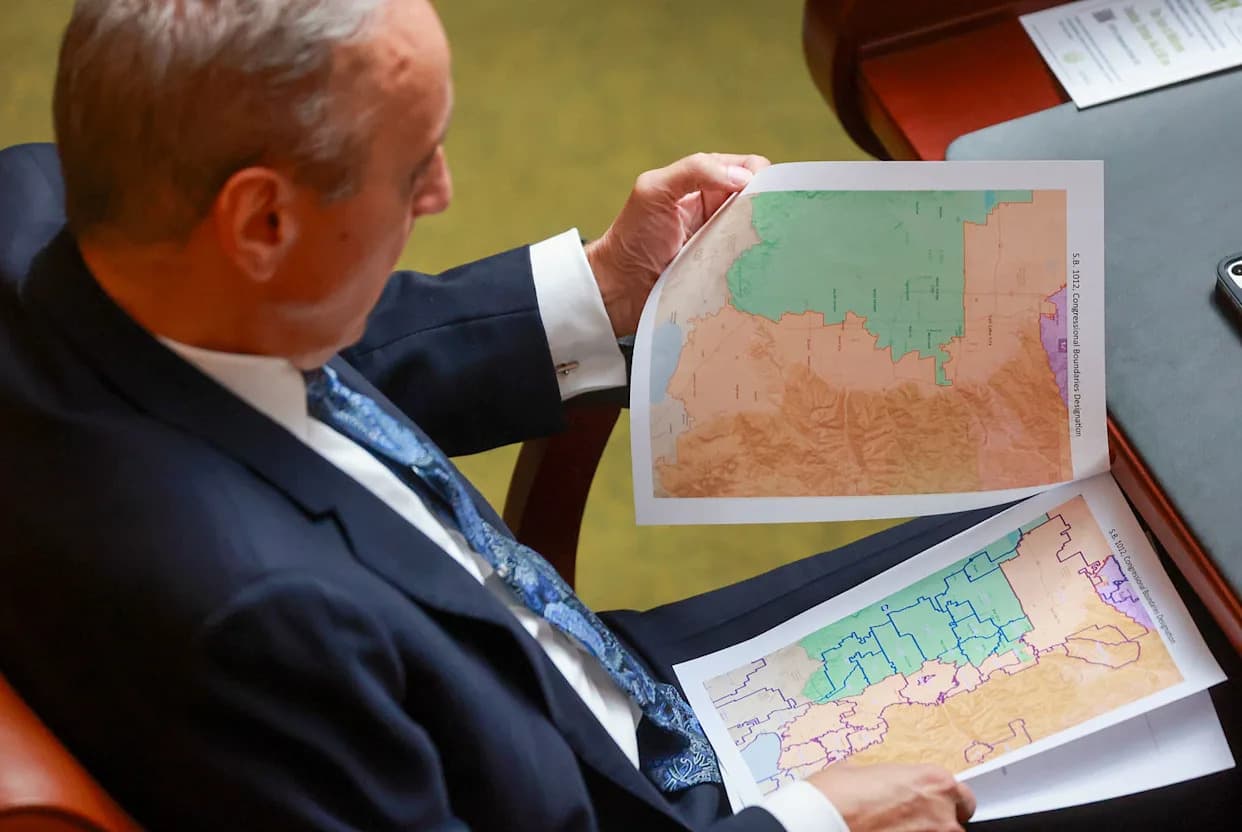
The Department of Justice told the U.S. Supreme Court that California's newly drawn congressional map — enacted under Proposition 50 — impermissibly used race as a primary factor and therefore violates the Voting Rights Act. Solicitor General John Sauer urged the justices to quickly block the map and pause a lower court ruling that had upheld it.

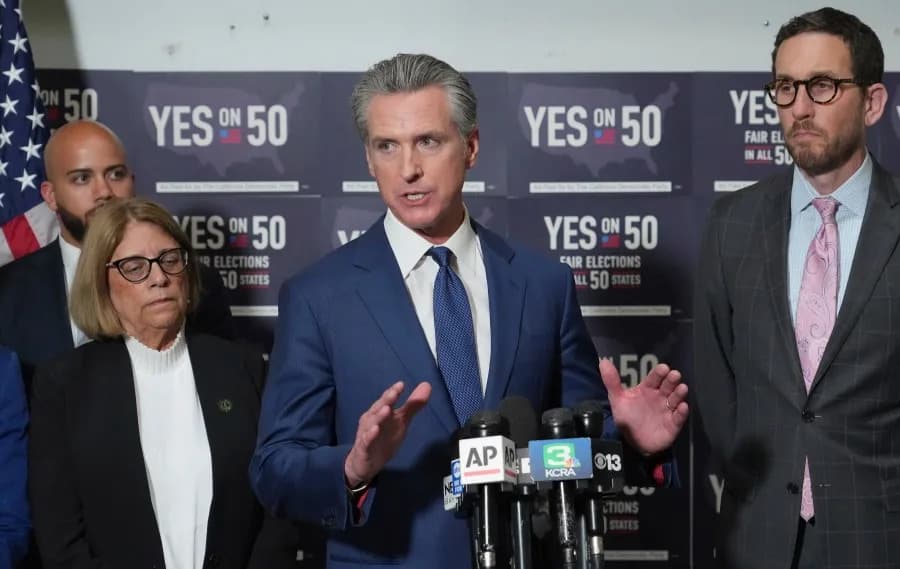
California Gov. Gavin Newsom speaks at a "Yes On Prop 50" volunteer event at the Convention Center in Los Angeles, California.(Getty Images)
Key Allegations and Legal Fight
The DOJ intervened in a lawsuit originally filed by state Republicans against Governor Gavin Newsom and the Democratic Congressional Campaign Committee. The federal filing asserts that at least one district, District 13 in California's Central Valley, was drawn 'on the basis of race' and is therefore 'tainted by an unconstitutional racial gerrymander.'

Texas Gov. Greg Abbott.
Solicitor General John Sauer: 'Unlike Texas’s map, the Prop 50 map suffers from a fatal constitutional flaw: one of the districts (District 13) was clearly drawn ‘on the basis of race.’
The DOJ points to statements by the mapmaker, Paul Mitchell, who reportedly said the district was intended to bolster Latino voting strength in the Central Valley. The department says those admissions show race, rather than ordinary partisan considerations, predominated in drawing the district.
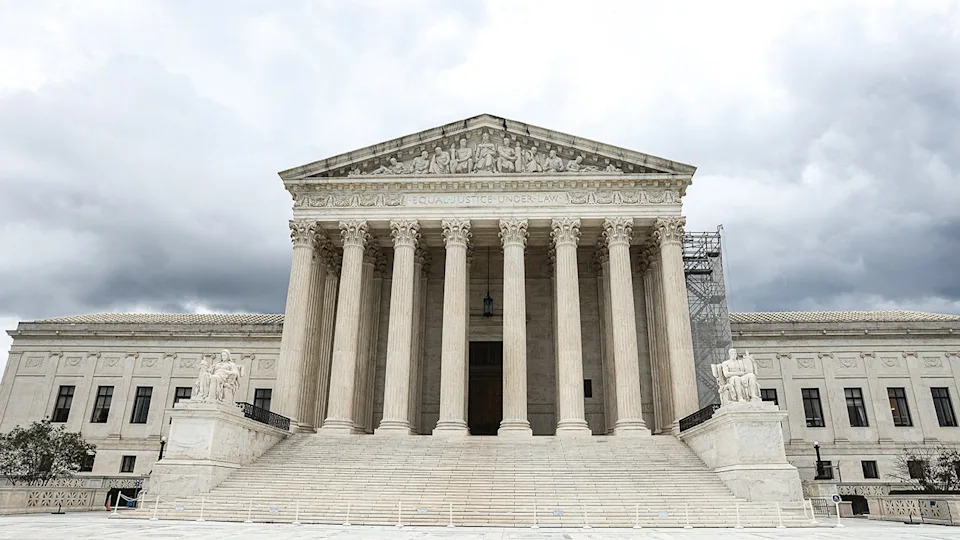
Facade of the Supreme Court
Counterarguments And Broader Context
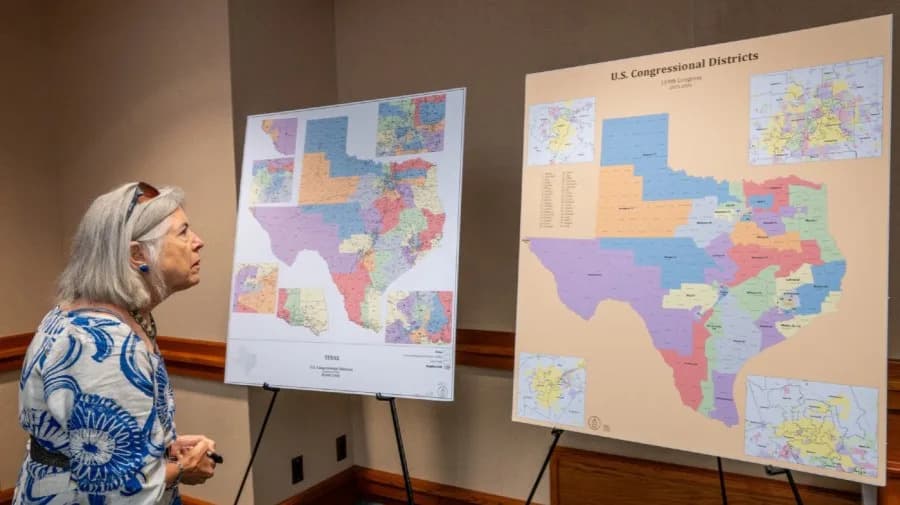
California officials and Democratic backers argue the map was drawn for political reasons, not racial ones, and that it will give Democrats a roughly five-seat advantage heading into the 2026 midterms. State lawyers say Republican challengers failed to meet the especially stringent legal standard required to prove race predominated in the redistricting process.
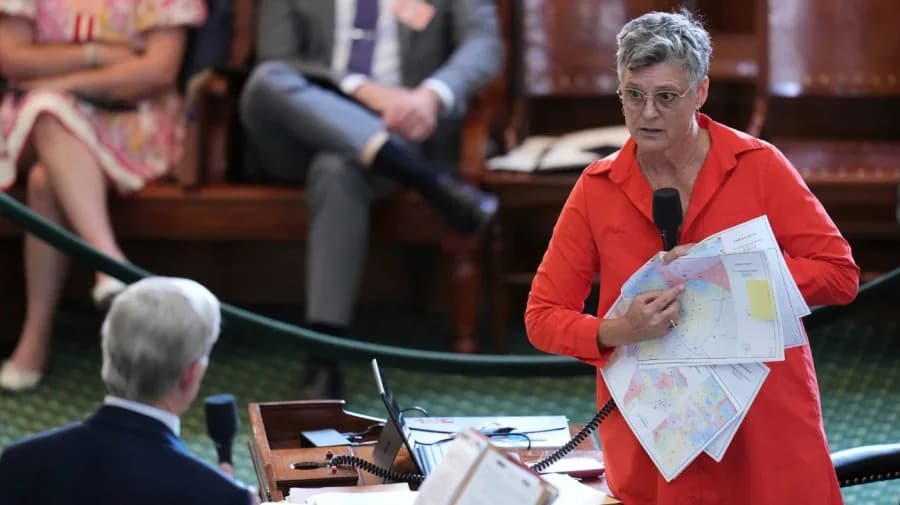
The dispute is part of a wave of mid-decade redistricting fights. The DOJ's filing referenced recent controversies over Texas' congressional map, which the Supreme Court declined to block in December in an unsigned order that drew dissents from the court's three liberal justices.
Timing And Stakes
Republican plaintiffs asked the Supreme Court to act quickly because candidates for the 2026 midterms will begin filing under the new districts on Feb. 9. The Newsom administration has a deadline of Jan. 29 to respond to the high court, after which the justices could act at any time.
This case raises central questions about how courts should distinguish permissible partisan considerations from unconstitutional racial predominance in redistricting, and it could have immediate political implications for the next congressional elections.
Help us improve.