The New START treaty between the U.S. and Russia expired on February 4, 2026, removing formal limits on deployed strategic warheads and delivery systems. Experts warn the lapse raises risks of miscalculation, rapid "uploads" of warheads — particularly by Russia — and a potential three-way arms race if China remains outside talks. Policymakers are split between seeking a temporary extension or pursuing a broader deterrent strategy that includes China.
New START Expires: Experts Warn Of A Risky Nuclear Arms Race As Limits Fall Away
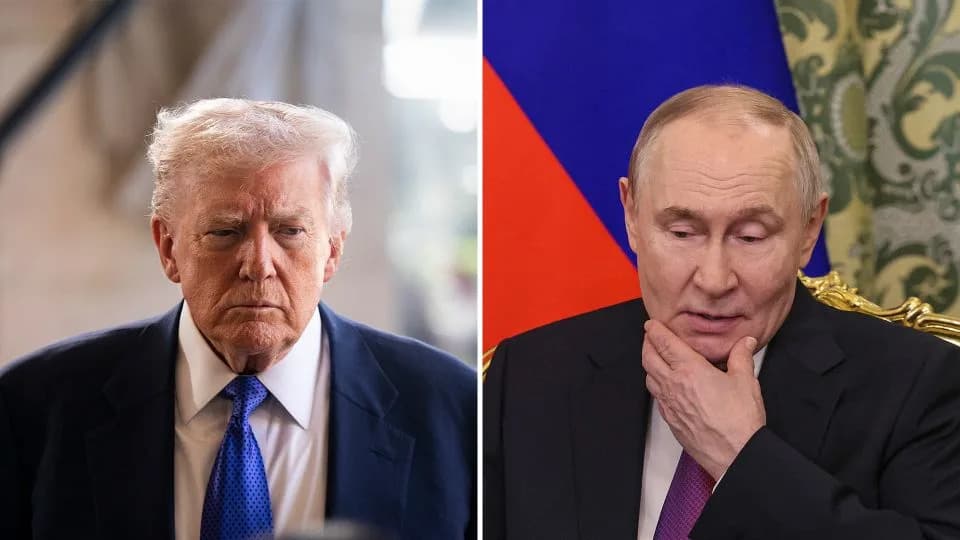
US President Donald Trump, left, and Russian President Vladimir Putin. - Getty Images
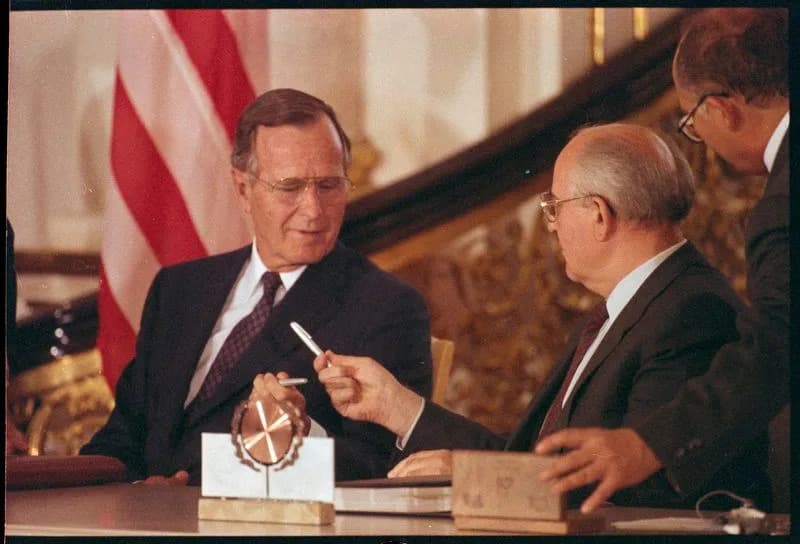
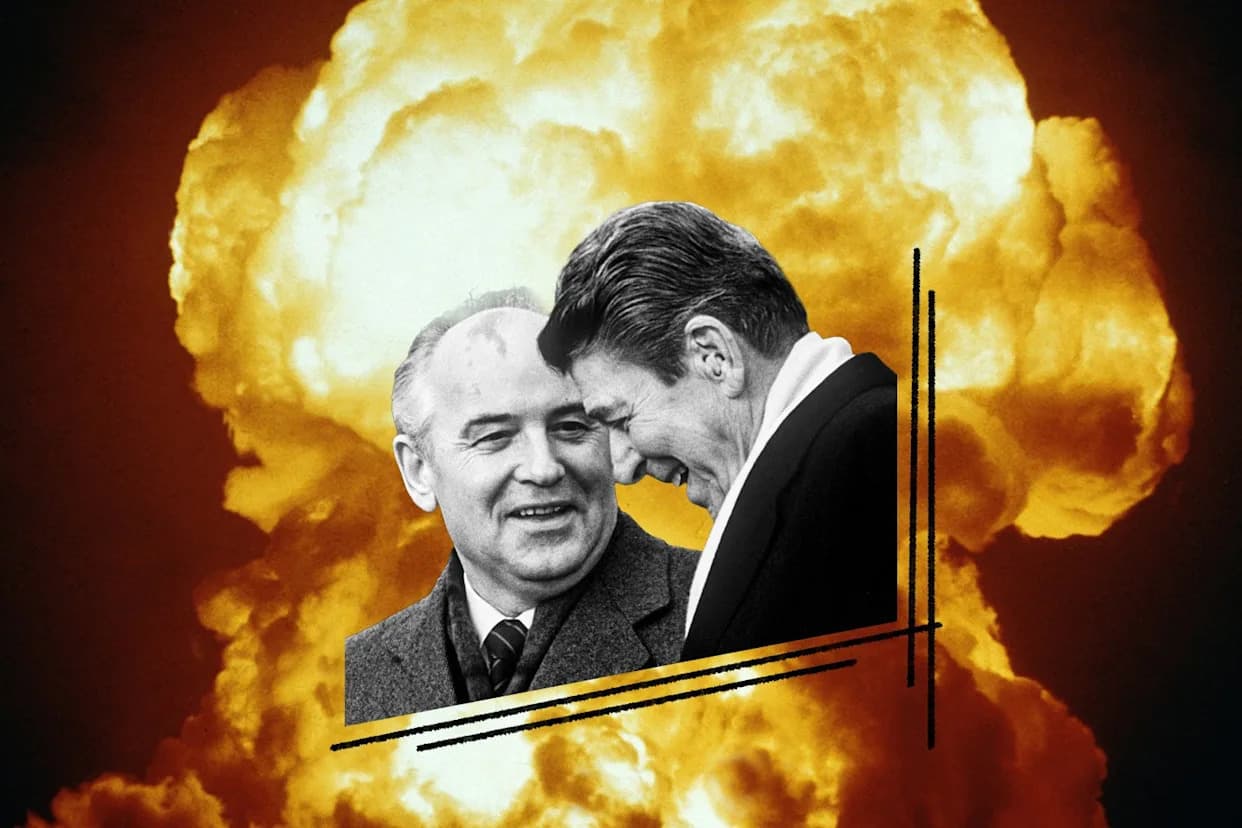
The New START treaty — the last major nuclear arms control agreement between the United States and Russia — expired on February 4, 2026, renewing fears that the world’s two largest nuclear powers could enter an unconstrained arms competition for the first time in decades.
Why It Matters
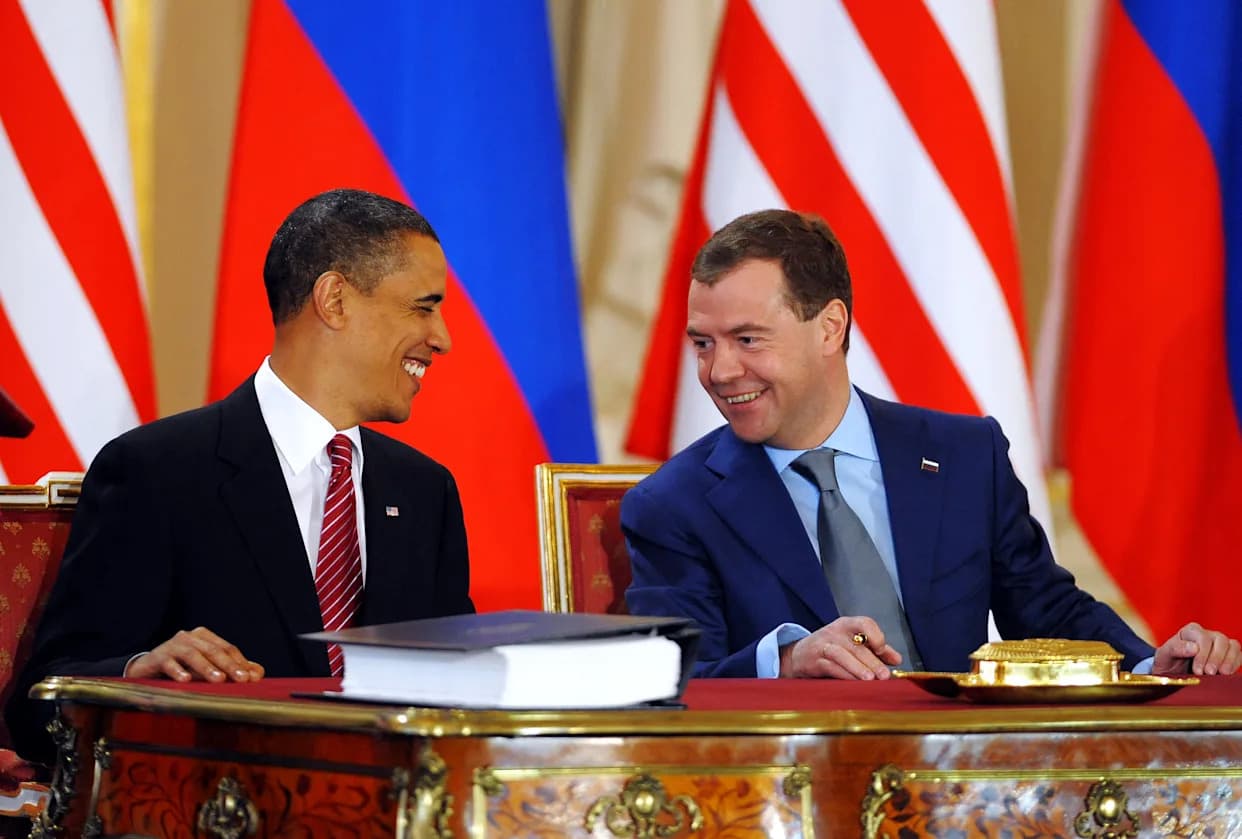
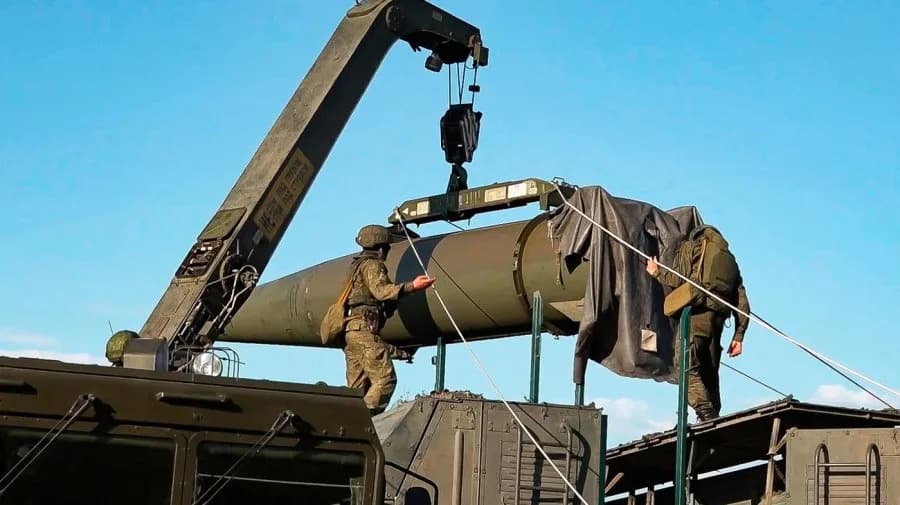
New START, which entered into force in February 2011 and was extended for five years in 2021, capped each side at 1,550 deployed strategic warheads, 700 deployed ICBMs/SLBMs and heavy bombers, and 800 deployed and non-deployed launchers. The treaty also limited certain Russian intercontinental systems capable of striking the United States and provided transparency measures that reduced the risk of miscalculation.
Political Reactions
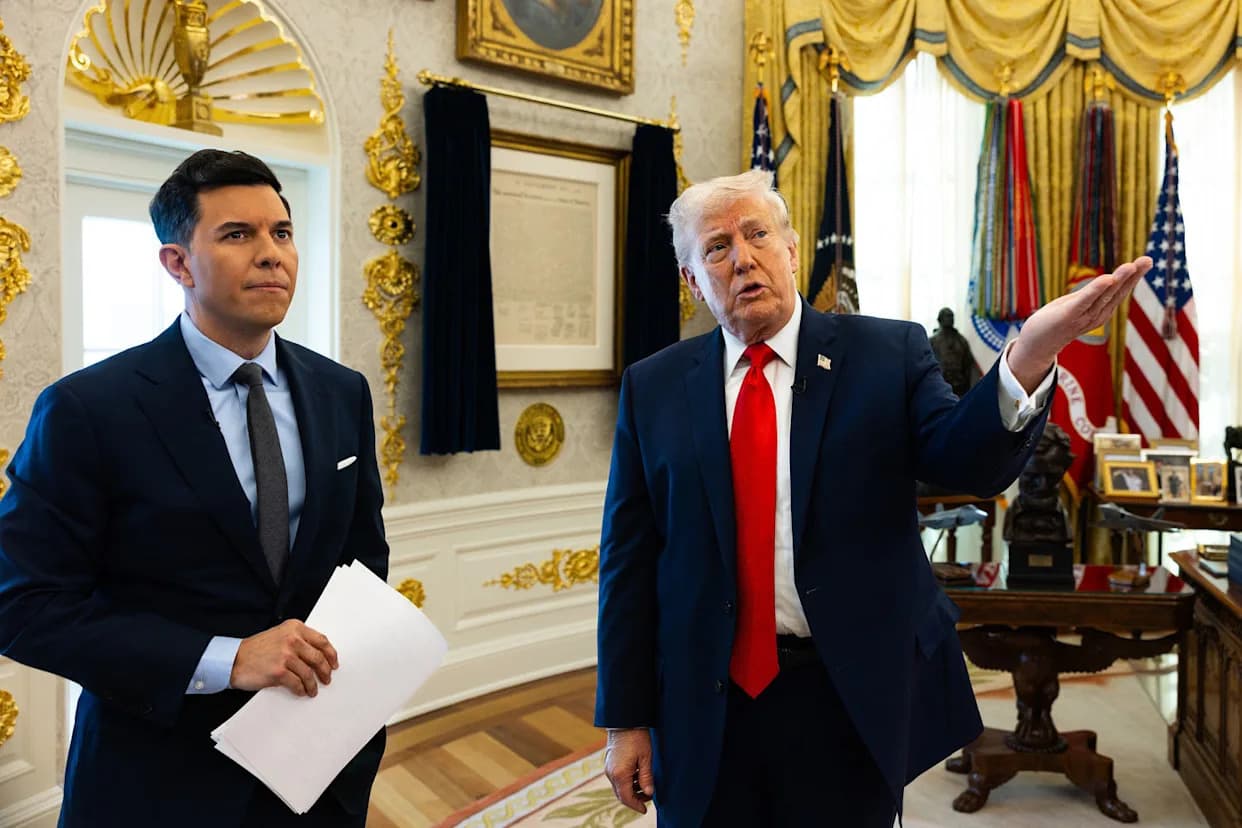
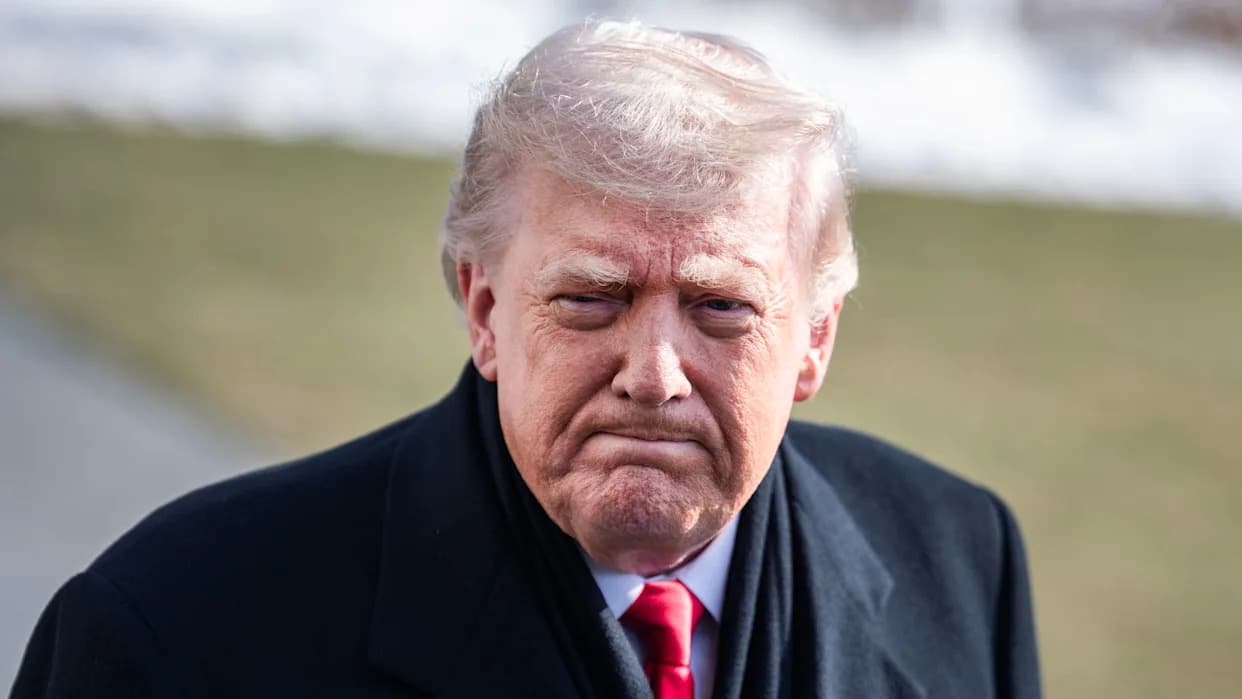
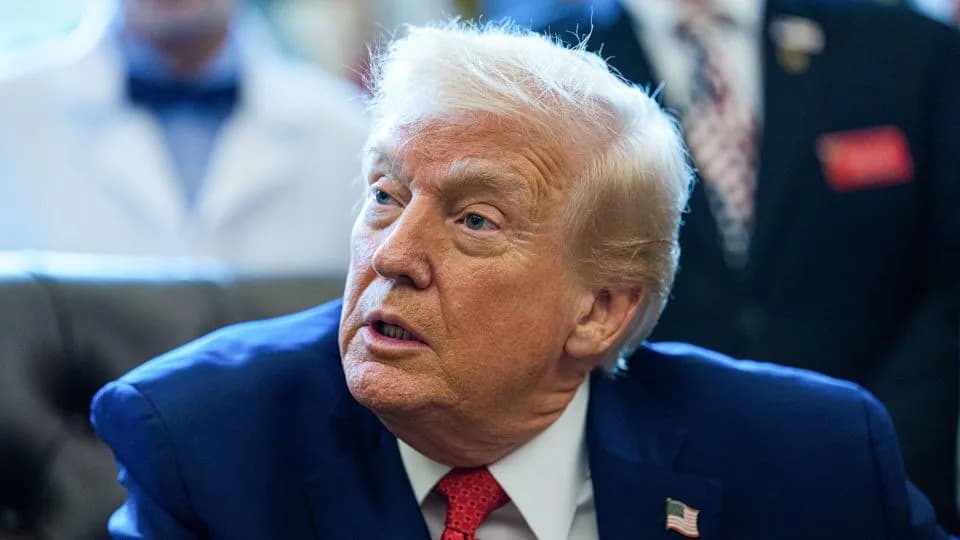
Former President Donald Trump signaled he would not simply renew the treaty’s limits. In a Truth Social post he argued for negotiating “a new, improved, and modernized Treaty” and criticized New START as "badly negotiated." He later told The New York Times, "If it expires, it expires. We'll do a better agreement."
Administration officials have said the president wants China included in any future framework for 21st-century arms control. Secretary of State Marco Rubio said it is "impossible to do something that doesn't include China" given its rapidly growing arsenal. Beijing has consistently rejected trilateral limits.
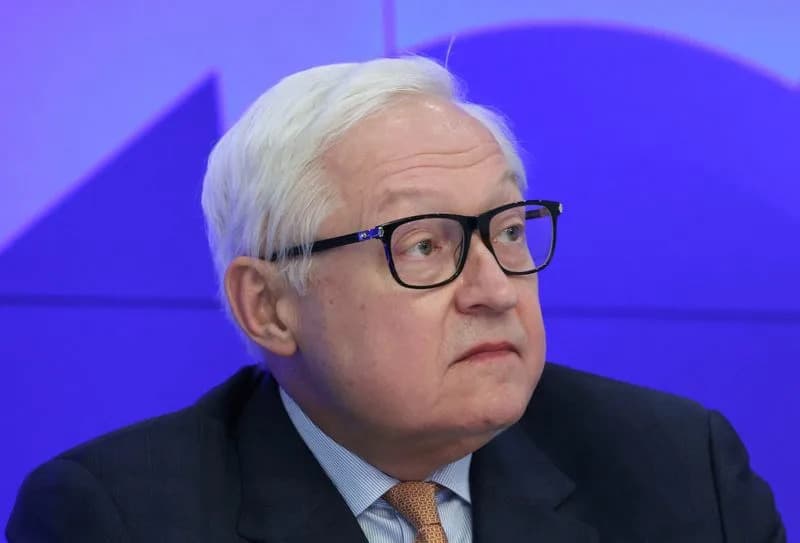
Russia’s Foreign Ministry said it received no reply to its proposals and indicated that, in the current circumstances, Moscow considers itself free to choose next steps outside the treaty’s constraints.
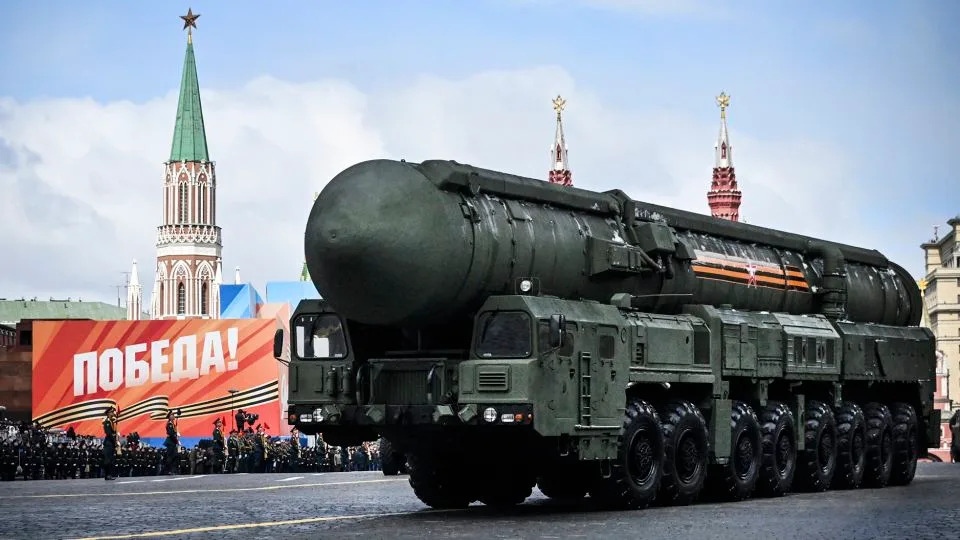
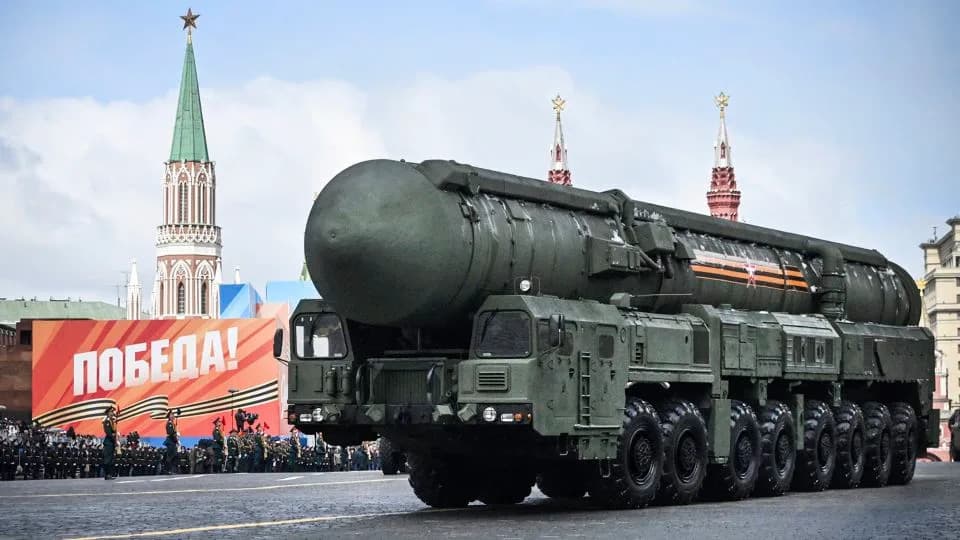
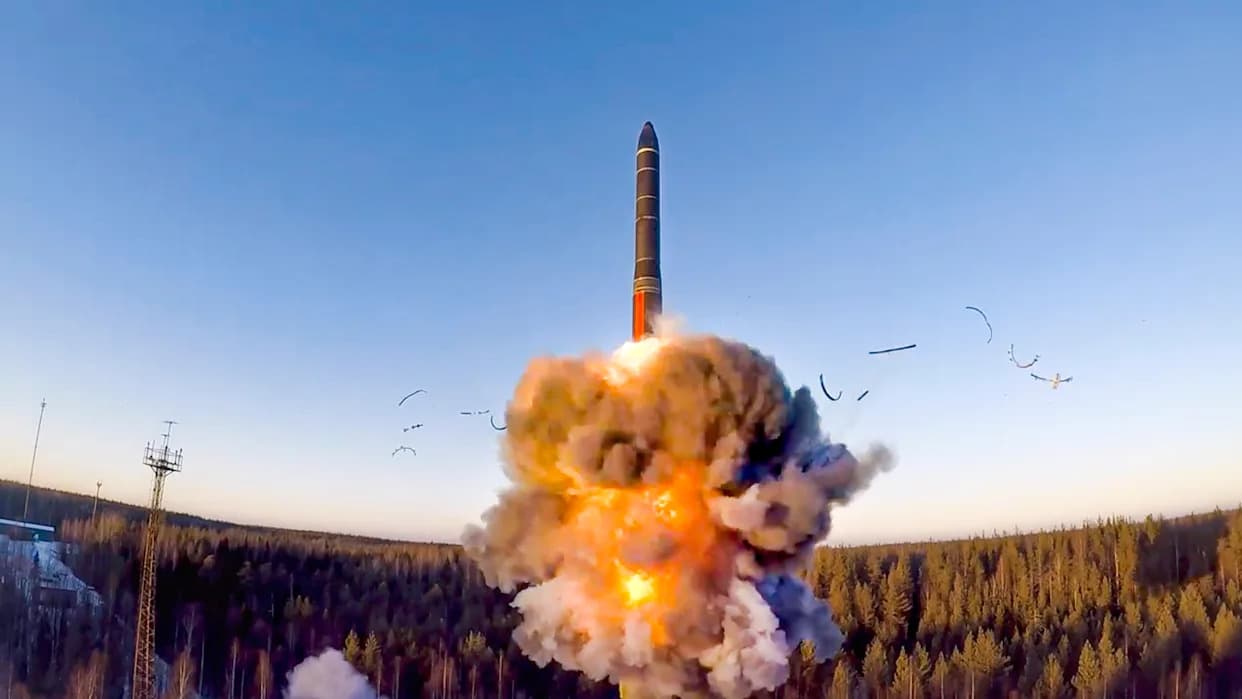
A Russian Yars intercontinental ballistic missile launcher rolls on Red Square during the Victory Day military parade in central Moscow on May 9, 2024. - Alexander Nemenov/AFP/Getty Images
Expert Views And Risks
Analysts are divided. Many warn the lapse increases the risk of miscalculation, loss of transparency, and a rapid "upload" of additional warheads — especially from Russia, which experts say retains active production lines and the industrial capacity to rearm quickly.
“The worst case is it spirals and then some unforeseen or foreseeable incident touches off a conflict that escalates rapidly to a nuclear conflict,” said Thomas Countryman, former acting undersecretary of state for arms control and international security.
Rose Gottemoeller, chief U.S. negotiator for New START, urged at least a one-year extension to buy time for planning and to avoid hasty escalatory moves. Others, including Matthew Kroenig of the Atlantic Council, argue that current limits no longer address the strategic reality of a rising Chinese arsenal and that U.S. deterrent posture must evolve.
China’s Role
A 2022 Pentagon report estimated that, if current trends continue, China could possess roughly 1,500 nuclear warheads by 2035. That long-term growth is central to U.S. arguments for broader negotiations that would include Beijing — an idea China has repeatedly rejected.
What Comes Next
Options include diplomatic efforts to agree voluntarily to keep treaty-like limits in place temporarily, pursuing a new multilateral framework that includes China, or preparing for force posture changes such as uploading additional warheads. Experts warn that abrupt moves could trigger reciprocal action and a costly, fast-moving arms race.
For now, the lapse leaves a period of uncertainty. Many observers urge pragmatic diplomacy and interim measures to preserve transparency while longer-term strategies are negotiated; others say the U.S. must prepare its deterrent to address a multipolar nuclear landscape.
Help us improve.