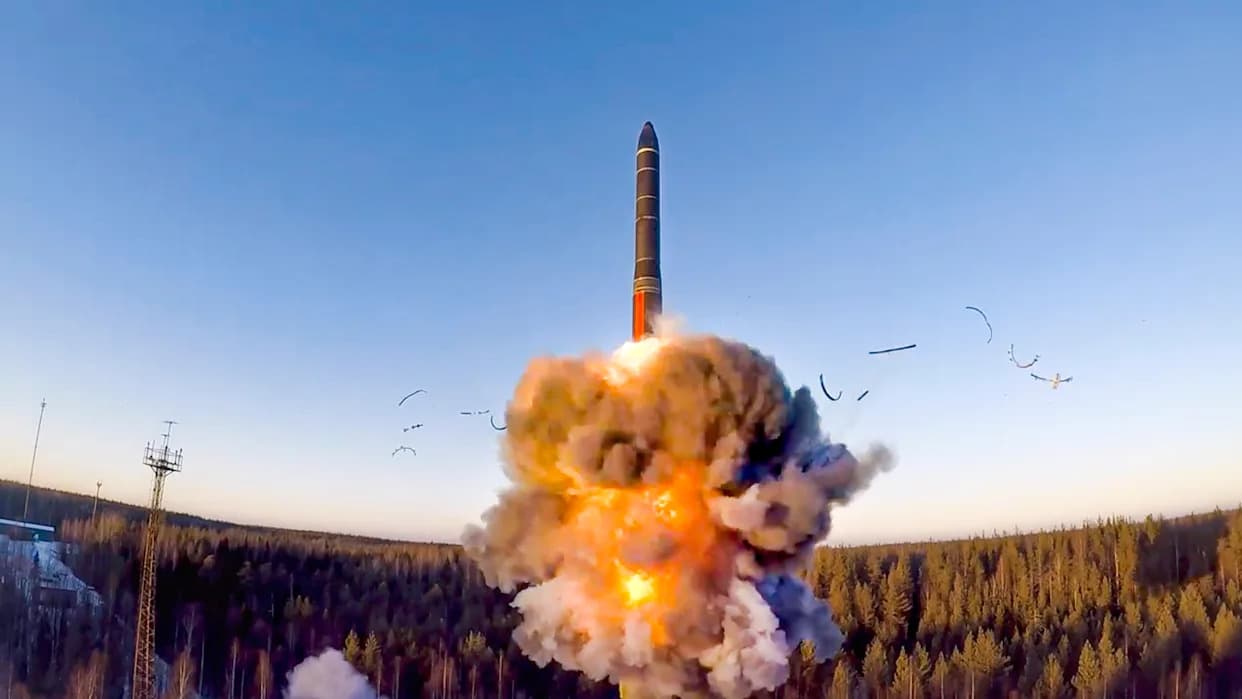
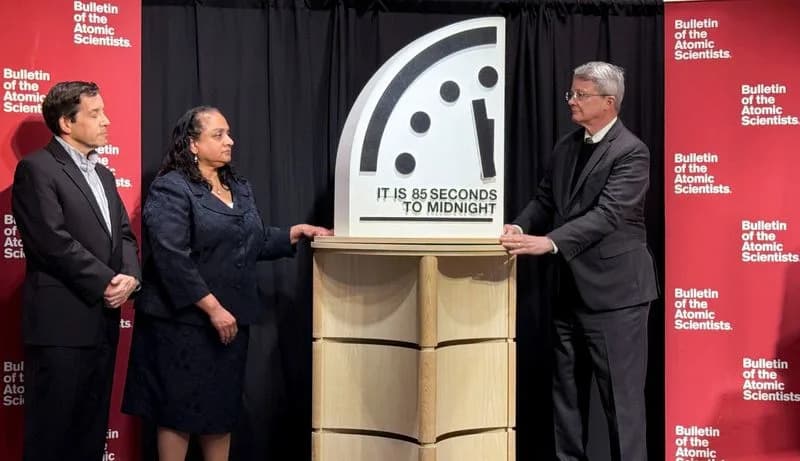
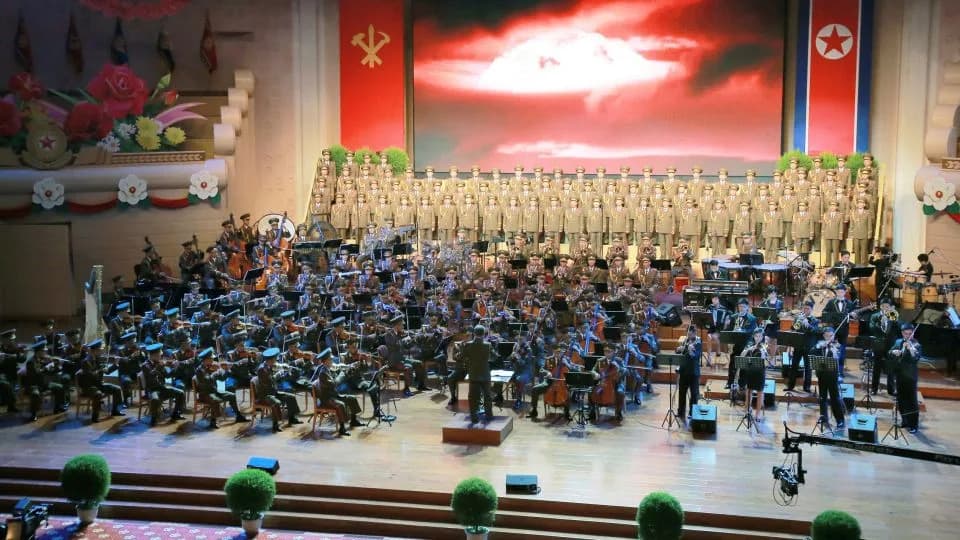
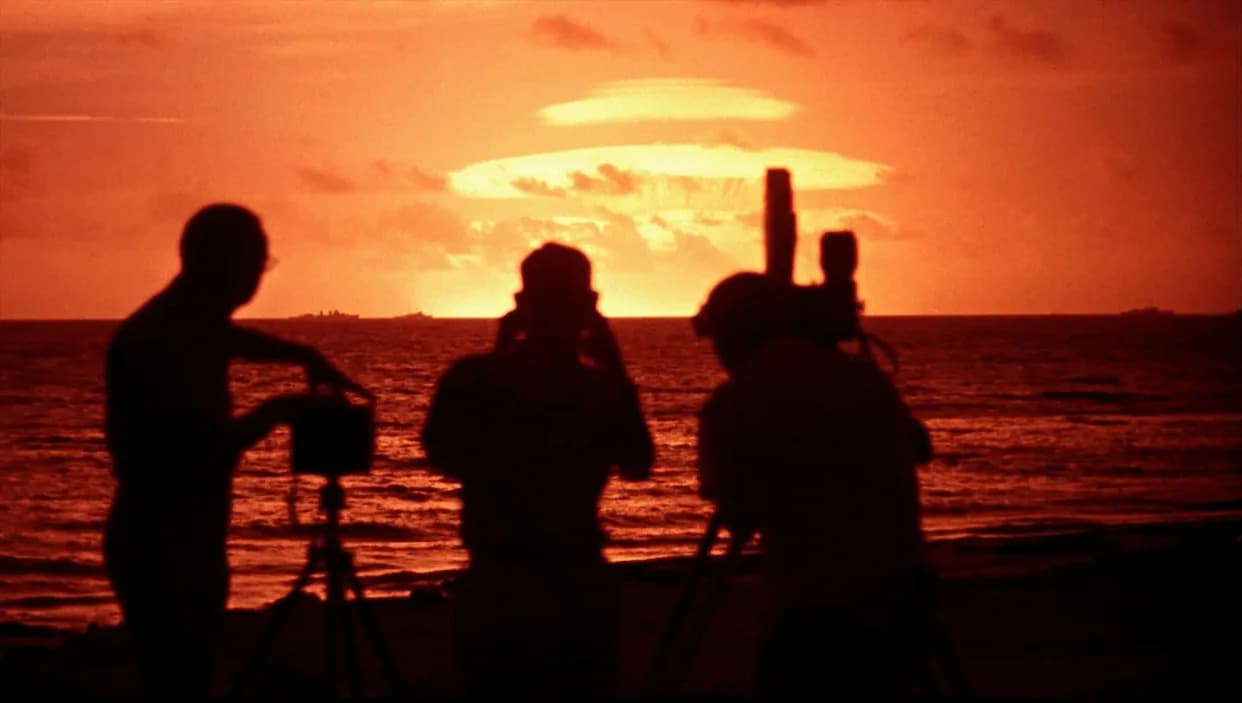
The New START treaty — the last major U.S.–Russia arms-control agreement limiting each side to 1,550 deployed strategic warheads — has expired, removing legally binding caps and verification mechanisms. The U.S. showed little immediate urgency to extend the pact, while Russian officials warned the lapse could undermine global security and speed symbolic threats such as the "Doomsday Clock." The treaty’s end raises the prospects of renewed arms competition, renewed negotiations to include China, or new multilateral approaches to strategic stability.
New START Expires: Losing the Last US–Russia Arms Pact and What It Means
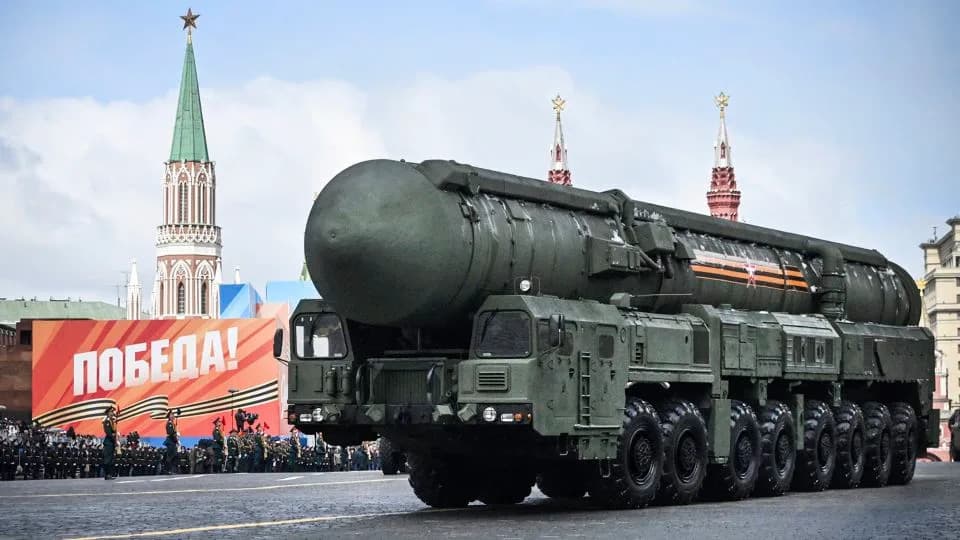
A Russian Yars intercontinental ballistic missile launcher rolls on Red Square during the Victory Day military parade in central Moscow on May 9, 2024. - Alexander Nemenov/AFP/Getty Images
The New START treaty between the United States and Russia — the last major bilateral arms-control accord limiting strategic nuclear forces — has expired, removing legally binding limits that capped each side at 1,550 deployed strategic warheads. The lapse has prompted sharply different reactions in Washington and Moscow and raises fresh questions about inspections, strategic stability and the future of multilateral arms control.
Background
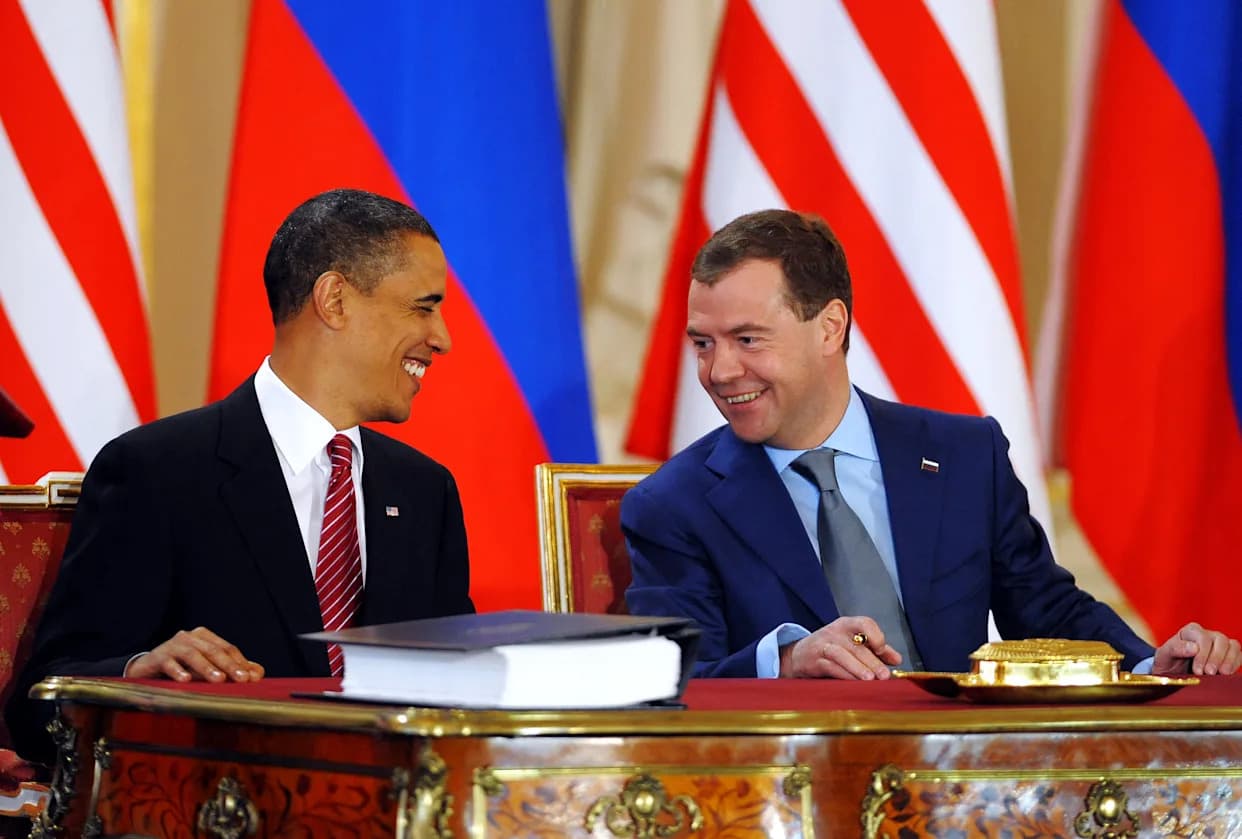
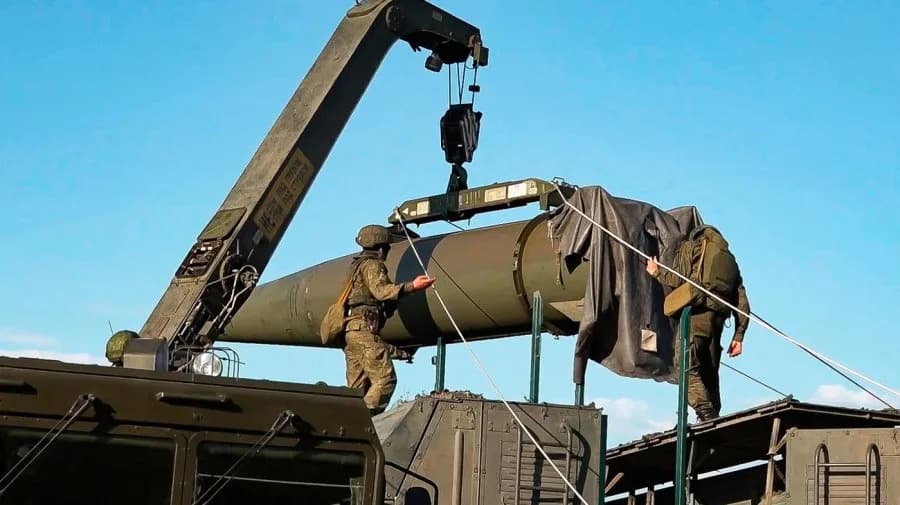
Signed in 2010 by President Barack Obama and Russian President Dmitry Medvedev, New START limited both countries to a maximum of 1,550 deployed strategic warheads on delivery systems such as intercontinental ballistic missiles, submarine-launched ballistic missiles and heavy bombers. It also established data exchanges, notifications and a system of on-site inspections intended to maintain mutual transparency and predictability.
Reactions From Washington and Moscow
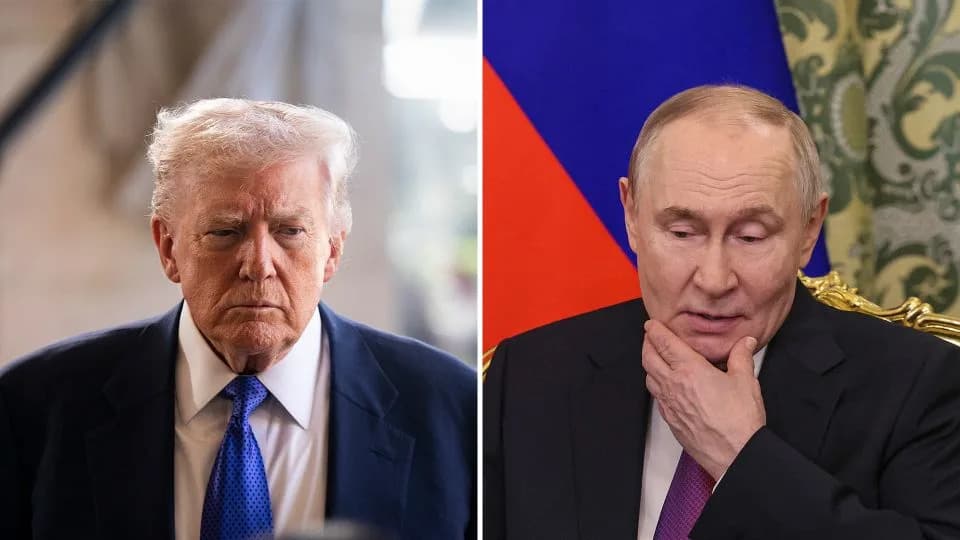
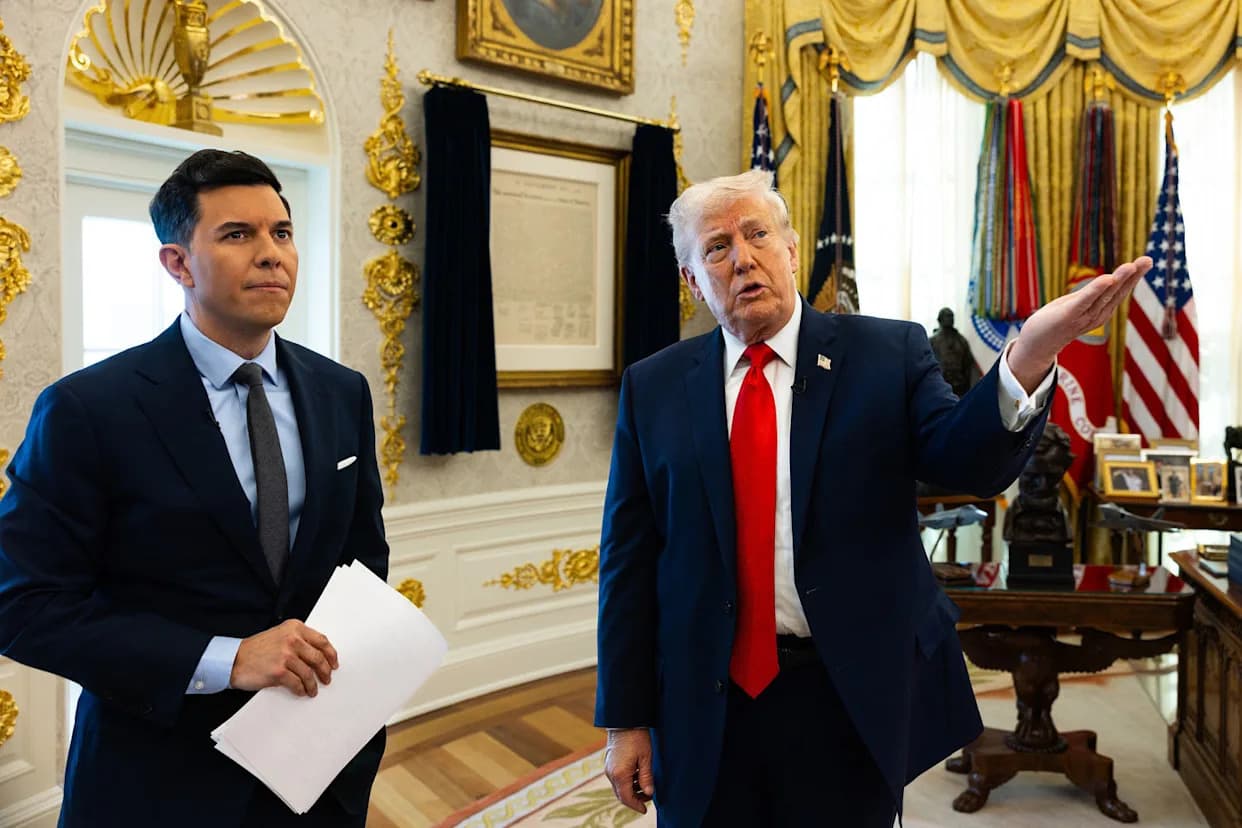
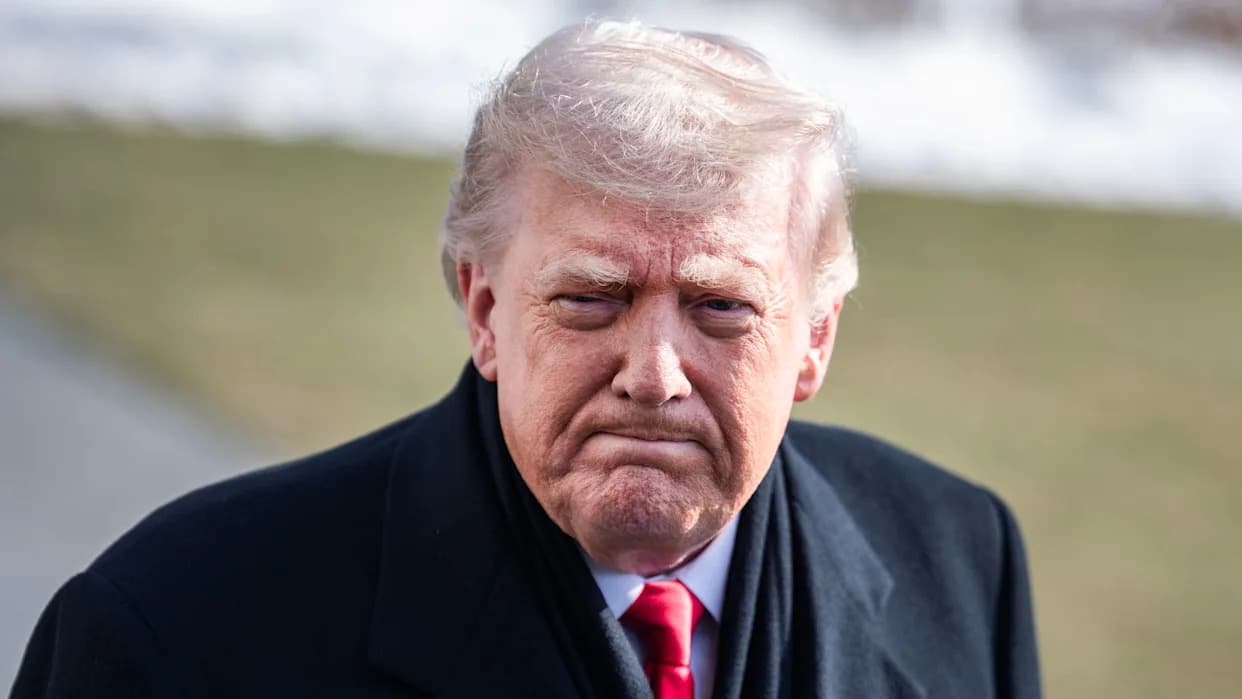
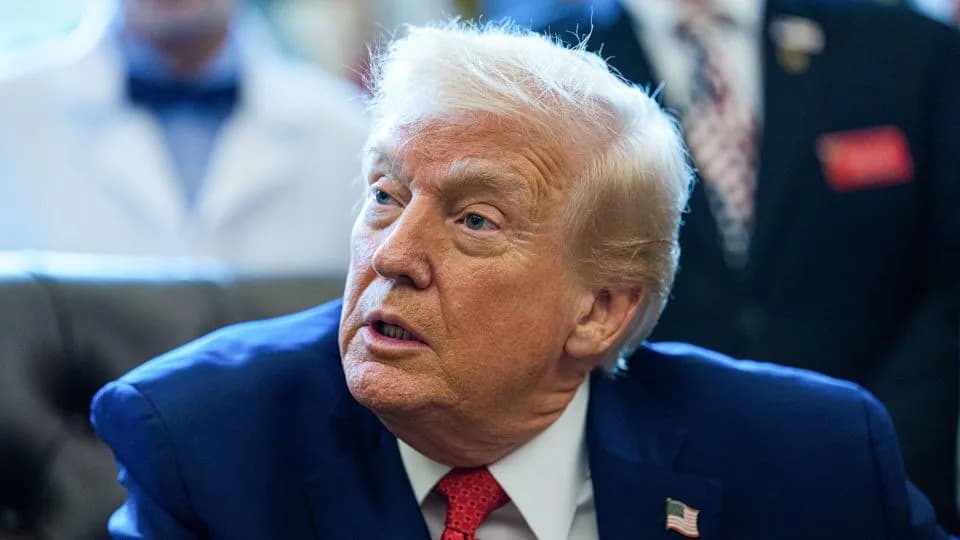
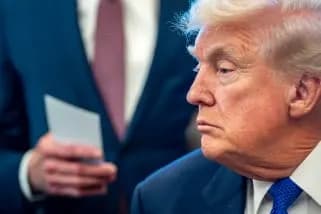
The U.S. administration signaled limited urgency about an immediate renewal. President Donald Trump was quoted as saying,
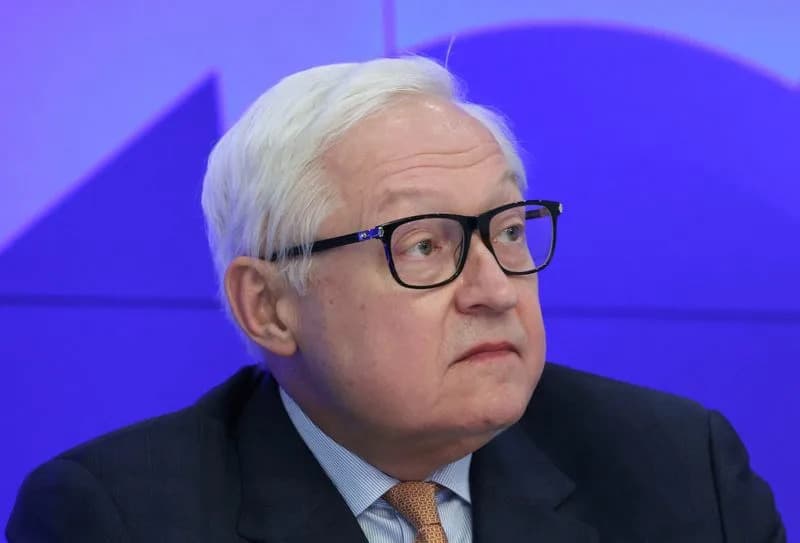
“If it expires, it expires,”while adding that a better agreement might be possible in the future. By contrast, senior Russian officials framed the treaty’s lapse as a blow to global strategic stability and to one pillar of Russia’s great-power standing.
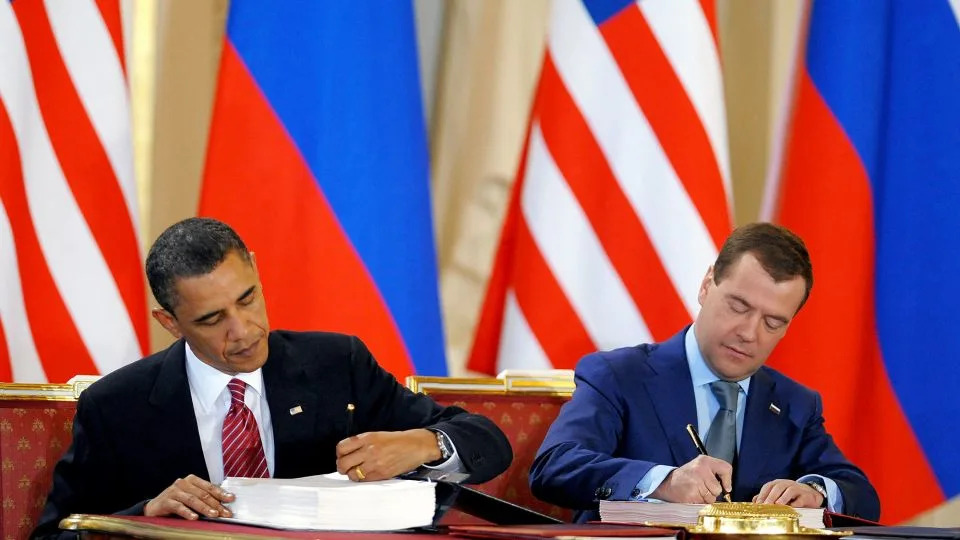
US President Barack Obama, left, and Russian President Dmitry Medvedev sign a treaty cutting their nations' nuclear arsenals in Prague, Czech Republic, on April 8, 2010. - Jewel Samad/AFP/Getty Images
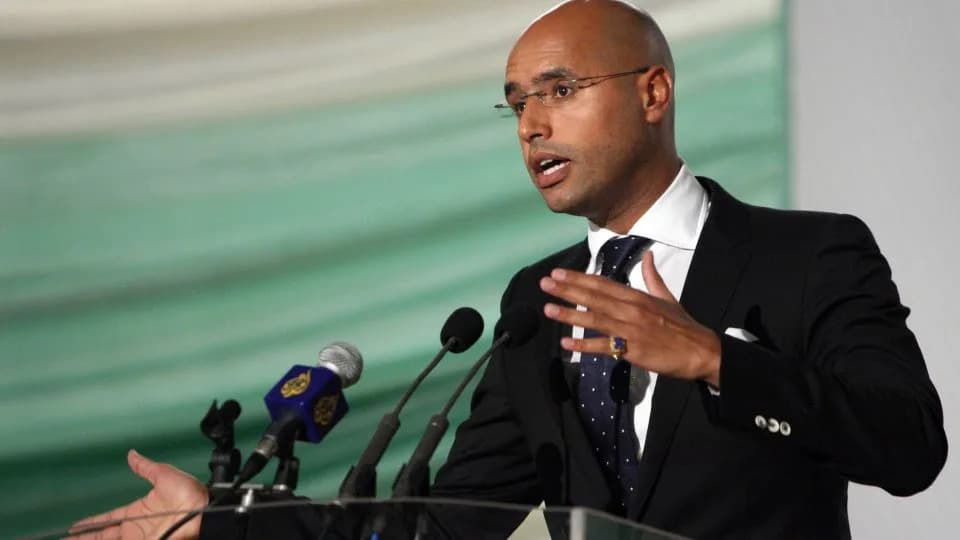
Former Russian President Dmitry Medvedev warned the expiration could be alarming and said it might hasten the symbolic Doomsday Clock, a widely cited measure of humanity’s proximity to catastrophic risk. Kremlin spokesman Dmitry Peskov added that the absence of a binding bilateral framework would be "very bad for global and strategic security."
Underlying Disputes
Washington has long accused Moscow of undermining transparency and violating certain obligations by restricting access for some inspections and limiting notifications — allegations the Kremlin denies or disputes in part. These mutual grievances helped prevent a straightforward extension and complicated talks over technical and verification provisions.
What Comes Next
The treaty’s expiry opens several paths: renewed bilateral negotiations, efforts to broaden a future pact to include other nuclear powers (most notably China), or a drift toward looser constraints and greater ambiguity. U.S. officials have indicated interest in multilateral approaches that bring Beijing into the framework; Russia has warned that any new set of rules must account for its security concerns.
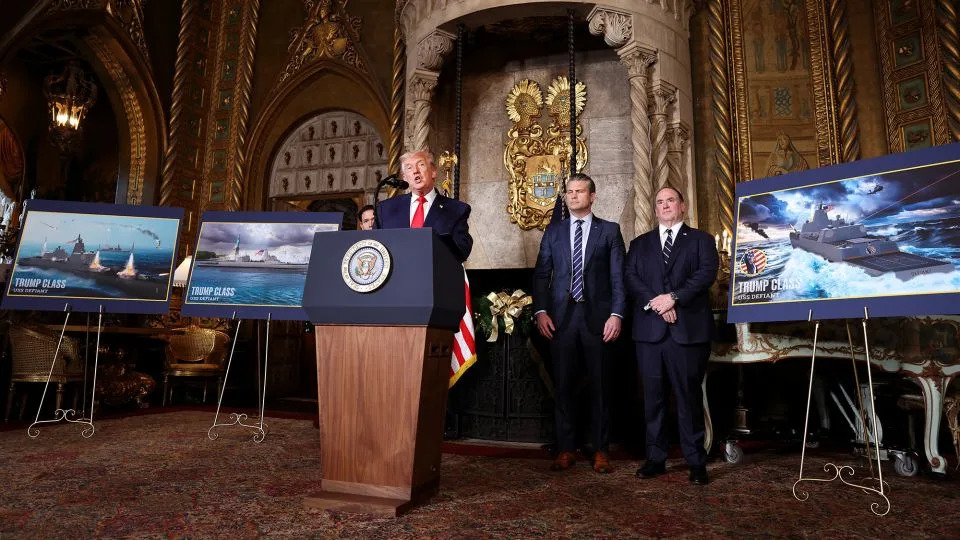
US President Donald Trump, joined by Secretary of State Marco Rubio, left, Secretary of War Pete Hegseth, center right, and Secretary of the Navy John Phelan, announced the creation of the “Trump-class” battleship at Trump’s Mar-a-Lago estate, Florida, on December 22. - Tasos Katopodis/Getty Images
In practical terms, an unconstrained environment would likely favor the country with the larger economy and defense budget. Russia’s smaller economy and narrower defense spending make it harder for Moscow to match any rapid or large-scale U.S. nuclear expansion, a dynamic that could widen the strategic imbalance between the two powers.
Why It Matters Globally
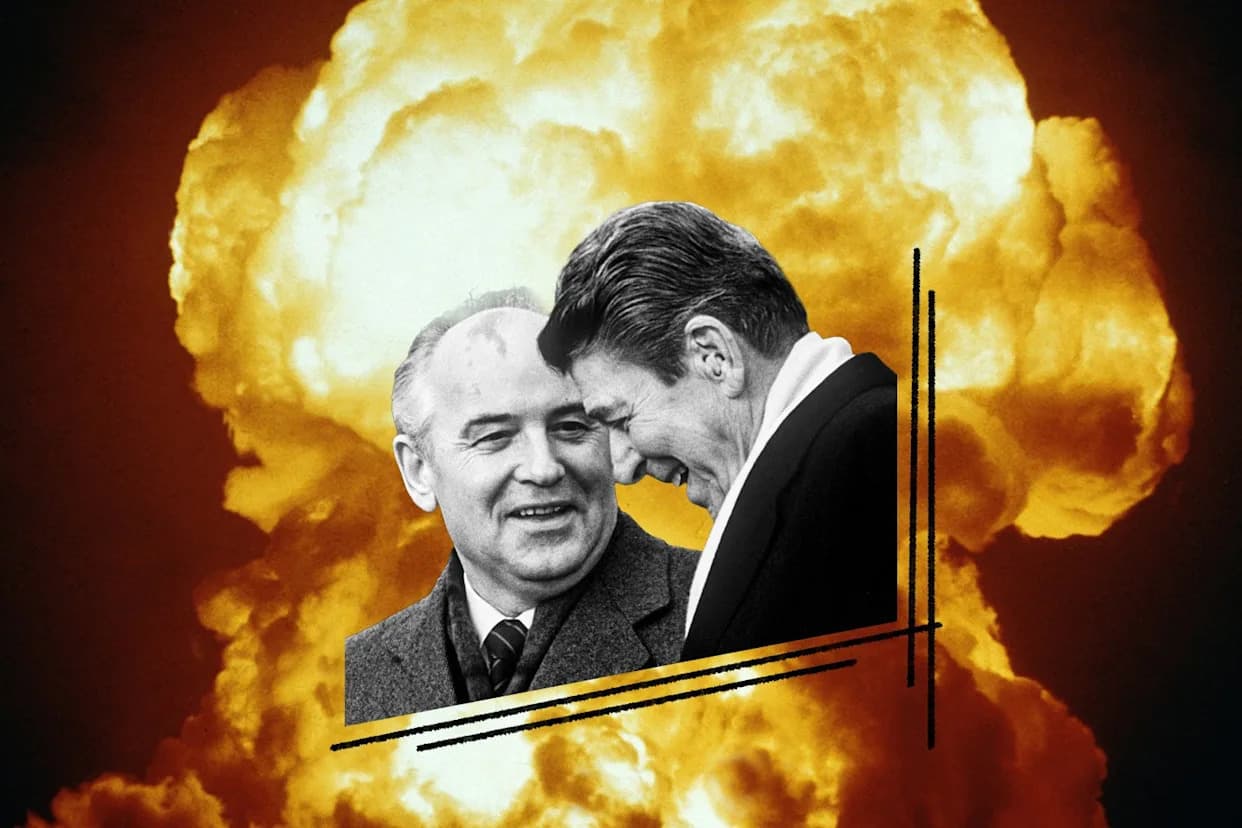
Arms-control agreements like New START provide transparency, reduce the risk of miscalculation and create predictable limits on the most destructive weapons. Their absence increases uncertainty, complicates crisis management and could spur arms competition or new deployments unless replaced by a credible, verifiable framework.
Possible diplomatic paths include a short-term extension while negotiations continue, a new bilateral treaty with modernized verification, or a wider multilateral accord that includes China and other nuclear-armed states — all of which would require significant political will and technical agreement on inspections and limits.
Help us improve.