Karen G. Lloyd explores microbes — "intraterrestrials" — that live deep in marine sediments and can remain dormant for thousands to millions of years. Evidence suggests these microbes are adapted to ultraslow metabolic states and produce enzymes specialized for deep‑sediment substrates, not accidental holdovers from other habitats. Lloyd argues that geological events (earthquakes, volcanic eruptions, tectonic uplift) that rework sediments may periodically return these cells to nutrient‑rich zones, allowing natural selection to favor dormancy traits much as seasonal dormancy is favored in surface organisms.
Sleeping Microbes of the Deep: How 'Intraterrestrials' May Evolve to Wait Out Millennia
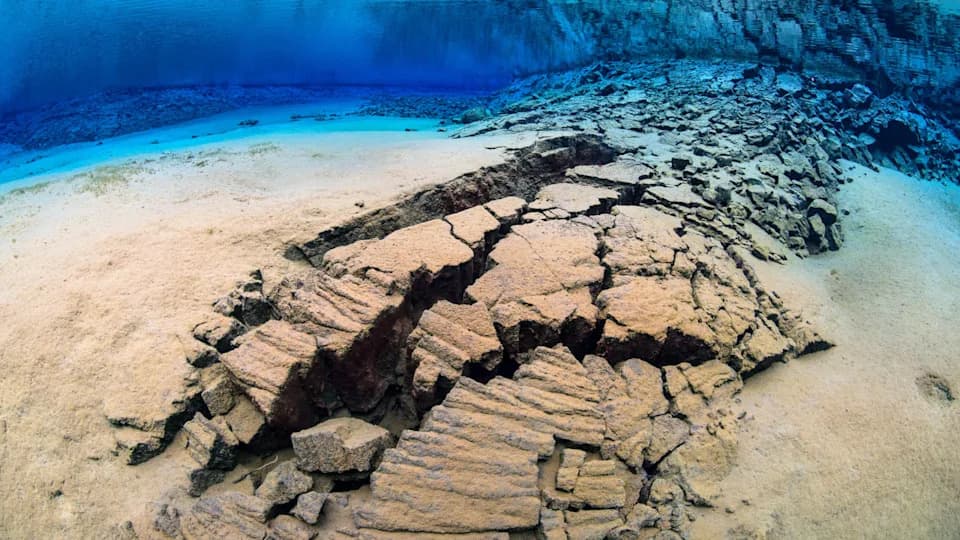
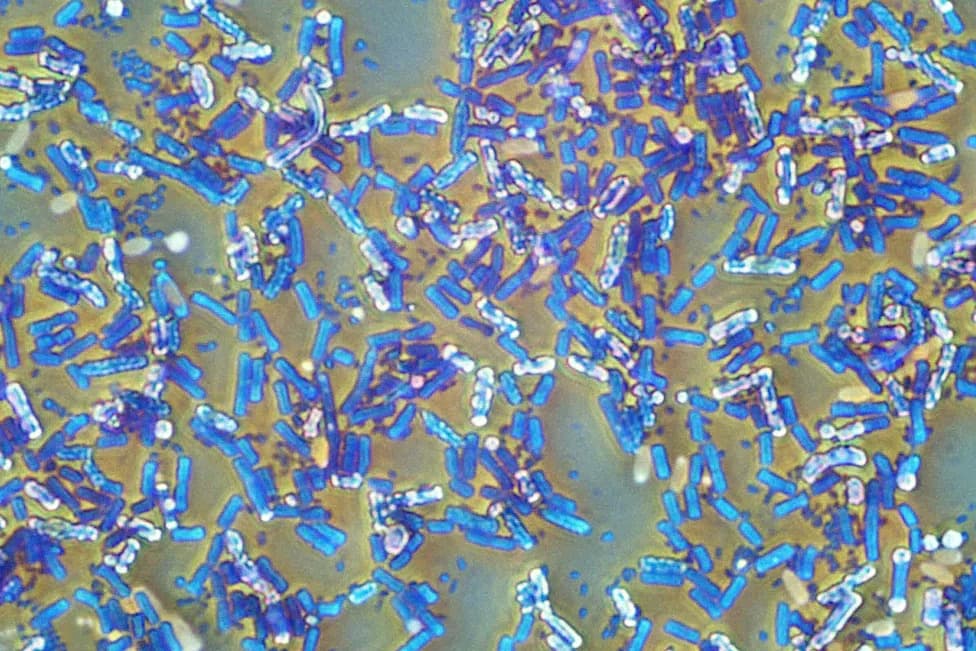
Microbes deep beneath the oceanic seafloor can remain dormant for hundreds of thousands of years. . | Credit: Nature Picture Library/Alamy
Beneath Earth's surface lies a vast, little-explored realm of microscopic life. In Intraterrestrials: Discovering the Strangest Life on Earth (Princeton University Press, 2025), microbial biogeochemist Karen G. Lloyd examines microbes that persist in deep marine sediments in states of extreme, sometimes million‑year, dormancy — and asks how evolution might shape organisms that rarely, if ever, divide.
What Are Intraterrestrials?
"Intraterrestrials" refers to diverse communities of microbes living within Earth's crust and deep seafloor sediments. Buried hundreds of meters below the seafloor, these organisms experience neither day nor season; instead they live to geological rhythms — plate movement, island subsidence, and episodic disturbances such as earthquakes or submarine landslides.
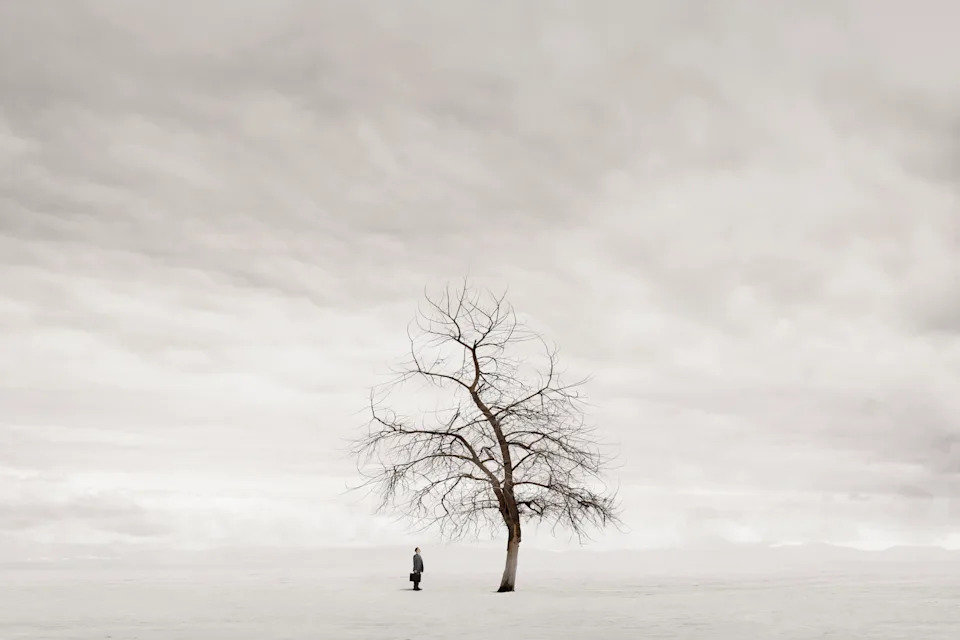
What if humans only lived 24 hours, and it was winter? We would likely believe a deciduous tree was perpetually devoid of leaves. | Credit: DNY59/Getty Images
How Can Evolution Favor Ultra‑Long Dormancy?
At first glance, Darwinian natural selection seems to require frequent reproduction: beneficial mutations spread because offspring carrying them outcompete others. That raises a paradox: how can selection favor traits tied to not reproducing for thousands or millions of years?
Lloyd argues that long-lived dormancy is unlikely to be accidental. Microbial communities recovered from deep sediments are taxonomically distinct from typical seawater microbes, produce enzymes tailored to subsurface substrates, and show molecular and physiological features that support ultraslow metabolism and very rare cell division. Those lines of evidence point to adaptation, not mere persistence.
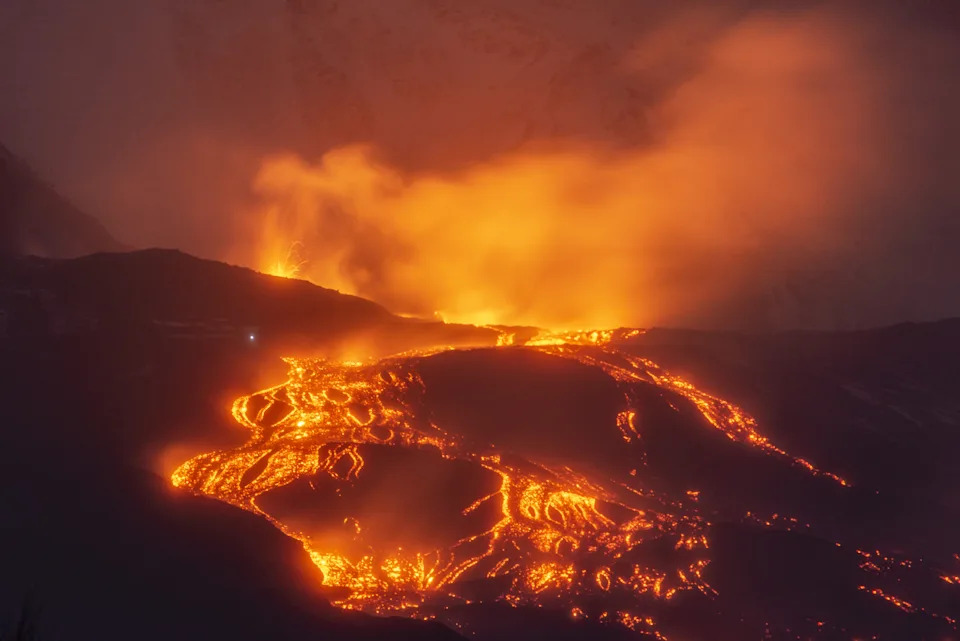
Could the microbes we waiting for events like volcanic eruptions to end their dormancy? | Credit: Salvatore Allegra/Anadolu via Getty Images
Lessons From Seasonal Dormancy And The GASP Phenomenon
We can extend a familiar model: seasonal dormancy. Many organisms survive winter as dormant cohorts that reemerge in spring with a reproductive advantage. In the lab, long-starved Escherichia coli cultures produce a deep stationary-phase cohort that outcompetes freshly grown cells under renewed starvation — a phenomenon known as growth advantage in stationary phase (GASP). That demonstrates how dormancy can translate into a fitness advantage when favorable conditions return.
What Might Wake Up An Intraterrestrial?
For deeply buried microbes, the relevant cues are geological. Events such as volcanic eruptions, submarine landslides, earthquakes, tsunamis, long-term cycles of flooding or drought, glacial cycles, or tectonic uplift can rework sediments and expose buried organic matter or fluids. Over hundreds of thousands to millions of years, portions of seafloor can be uplifted or recycled through accretionary prisms and faults, potentially returning microbes to more nutrient-rich environments where they can grow and pass on dormancy-related traits.
Evolution At Geological Timescales
If resurfacing events are recurrent on geological timescales, selection can favor cells that endure long dormancy and then bloom when conditions improve. In that sense, uplift or sediment recycling could be the intraterrestrials' equivalent of spring: the rare but predictable opportunity that makes patient survival worthwhile.
"Maybe they're waiting for something that only happens thousands of years later." — A concise way to capture the idea that very slow environmental cycles can be reliable selection pressures for long‑lived microbes.
Why This Matters
Understanding intraterrestrial life reshapes our view of habitability, evolutionary timescales, and life's persistence in energy‑poor environments. It also informs the search for subsurface life on other worlds and helps us interpret the deep biosphere's role in global biogeochemical cycles.
Adapted from Intraterrestrials: Discovering the Strangest Life on Earth by Karen G. Lloyd. Copyright © 2025 by Karen Lloyd. Reprinted by permission of Princeton University Press.
Help us improve.