Researchers from Cardiff University found that the earthworm Amynthas gracilis survives—and often flourishes—inside the Furnas volcano’s geothermal soils despite ~10% O2, ~54% CO2 and acidic, metal-rich conditions (pH ≈ 5.8). The worms deploy rapid epigenetic shifts (dynamic DNA methylation and microRNA changes) alongside broad transcriptional reprogramming to produce persistent adaptive phenotypes. Mitochondrial DNA from caldera populations is highly homogeneous, suggesting strong natural selection, and the findings offer a scalable model for predicting resilience with applications in biotechnology, agriculture and environmental management.
How Earthworms Survive Inside Active Volcanoes — Rapid Epigenetic Adaptation in Amynthas gracilis
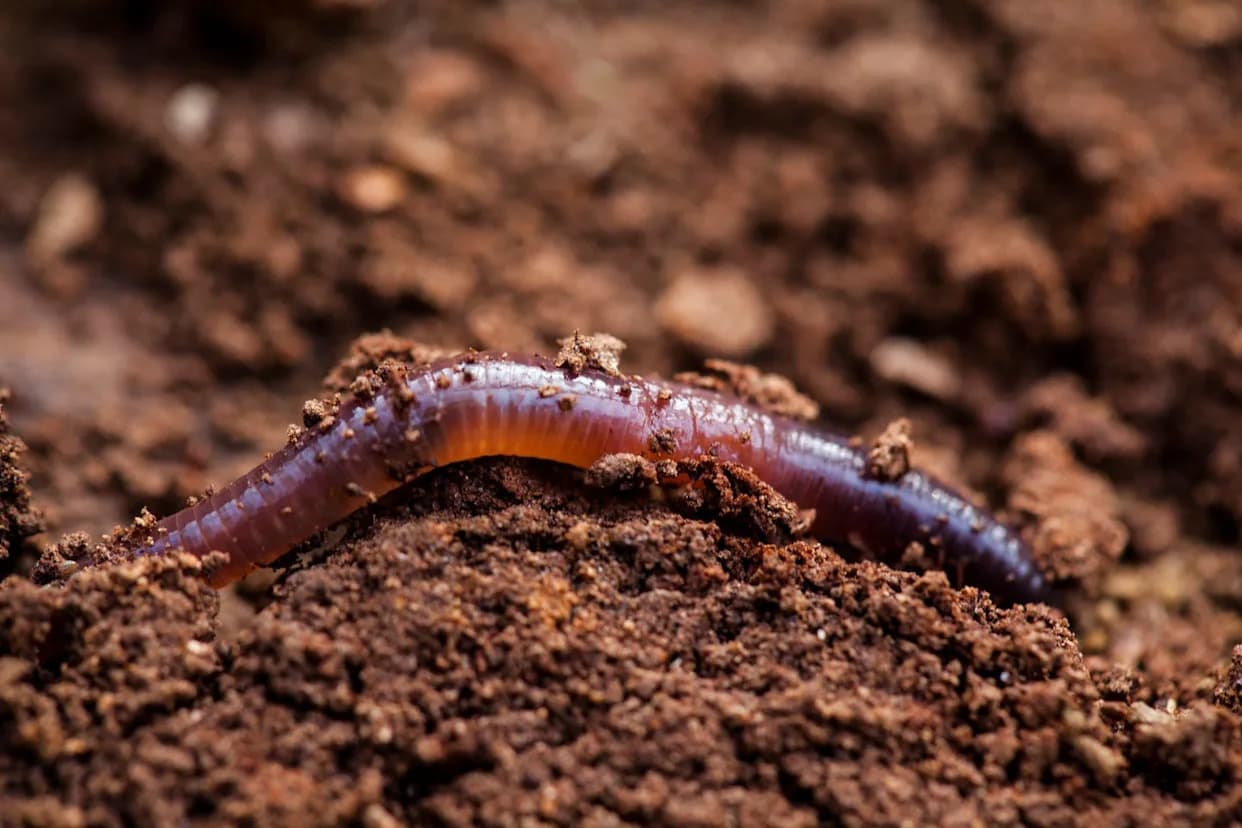
These Worms Are Thriving in Toxic Volcanic SoilSantiago Urquijo - Getty Images
Scientists investigating how earthworms tolerate the hostile soils of an active volcano report that Amynthas gracilis not only survives but can thrive in geothermal soils that are lethal to many other organisms. Researchers from Cardiff University, reporting on work posted as a preprint to the repository bioRxiv, combined field observations with molecular analyses to reveal rapid physiological and epigenetic shifts that support this unexpected resilience.
Study Site and Harsh Conditions
The team studied the Furnas volcano on the Azores, where persistent geothermal activity creates a highly stressful soil environment: oxygen levels near 10%, carbon dioxide concentrations around 54% (exposures above ~17% are rapidly lethal to humans), elevated temperatures, increased metal ion concentrations, ongoing gas emissions, and acidic soil chemistry with a pH of roughly 5.8. Despite this suite of stressors, dense populations of A. gracilis were observed inside the caldera while many indigenous lumbricid species were absent.
What the Researchers Found
Combining physiological observation with molecular assays, the authors report that A. gracilis mounts fast, coordinated responses at multiple regulatory levels. The worms showed dynamic changes in DNA methylation and microRNA expression together with broad transcriptional reprogramming—mechanisms that produce persistent phenotypic adjustments suited to the volcanic soil environment.
“It is astounding that this extreme soil supports a viable population of A. gracilis,” the team notes, highlighting both the worm’s abundance inside the geothermal field and the absence of typical native earthworm species there.
Genetics and Population Structure
Mitochondrial DNA sequencing revealed striking differences between caldera and non-caldera populations. Worms sampled within the Furnas caldera exhibited very low mitochondrial diversity and a highly homogeneous mtDNA haplotype, whereas worms from less-stressed soils outside the caldera displayed substantially greater genetic variability. The authors interpret the homogeneity as consistent with intense natural selection acting on populations that persist under extreme environmental pressure.
Implications
Beyond documenting a remarkable example of animal resilience, the study suggests a scalable model for predicting organismal adaptive capacity under environmental extremes. The rapid epigenetic and transcriptional strategies observed in A. gracilis could inform applied fields such as biotechnology, agriculture, environmental remediation, and potentially aspects of biomedical research that explore stress responses and plasticity in multicellular organisms.
Bottom line: Amynthas gracilis uses fast, multilayered molecular and physiological mechanisms to survive low oxygen, high carbon dioxide, acidity, metal stress and continuous degassing inside an active volcanic caldera—leading to a genetically homogeneous, highly adapted population in this extreme habitat.
Help us improve.