Cuba is experiencing a deepening energy and humanitarian crisis after disruptions to oil supplies and tightened sanctions reduced fuel imports. The government has introduced emergency measures — including a four-day workweek for state firms, reduced transport and prioritisation of fuel for health and food production — while accelerating renewable energy initiatives. UN officials warn the situation could deteriorate rapidly without restored fuel deliveries.
US Oil Restrictions Deepen Cuba’s Blackouts and Food Risk — UN Warns of Humanitarian Emergency
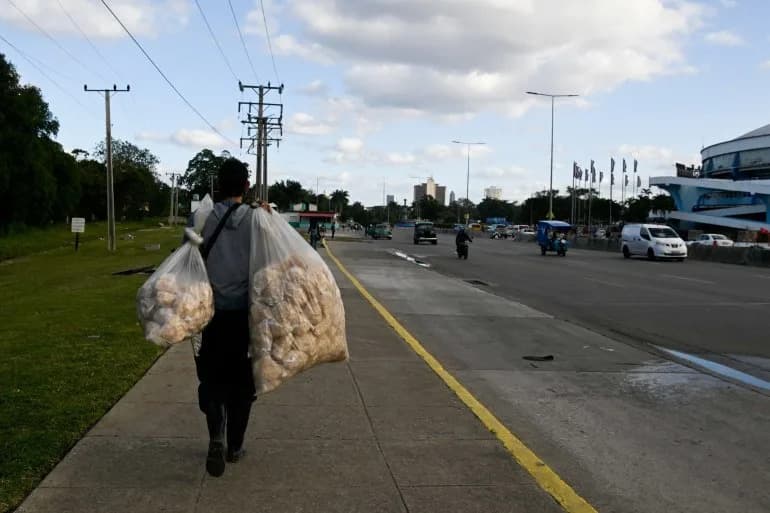
A man carries pork rinds to sell as Cubans brace for fuel scarcity measures after the US tightened oil supply blockade, in Havana, Cuba, February 6, 2026 [Norlys Perez/Reuters]
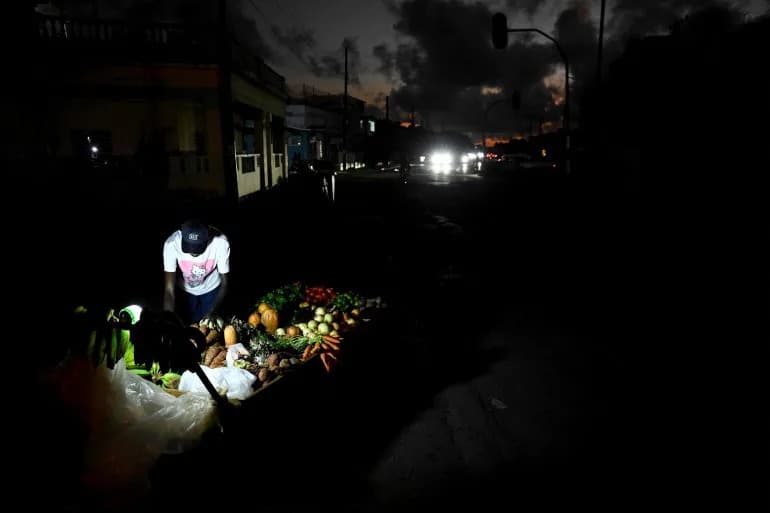
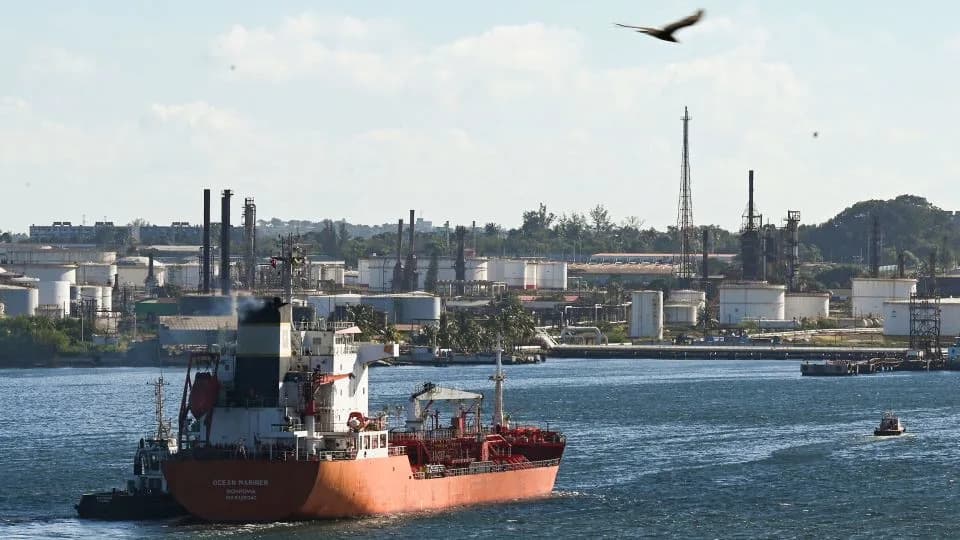
A tightening of oil supplies and sustained economic pressure have pushed Cuba into a severe energy emergency, forcing authorities to ration fuel and impose prolonged electricity cuts that are disrupting daily life across the island of about 11 million people.
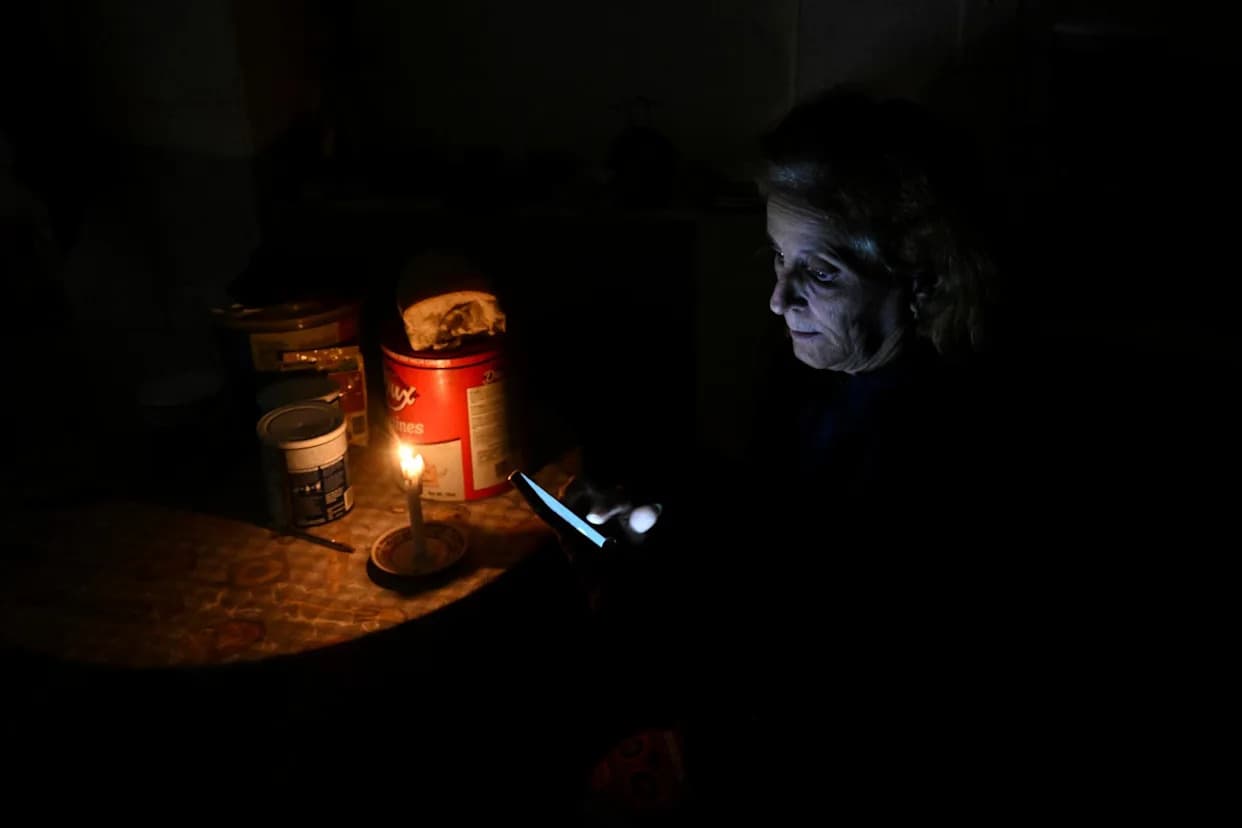
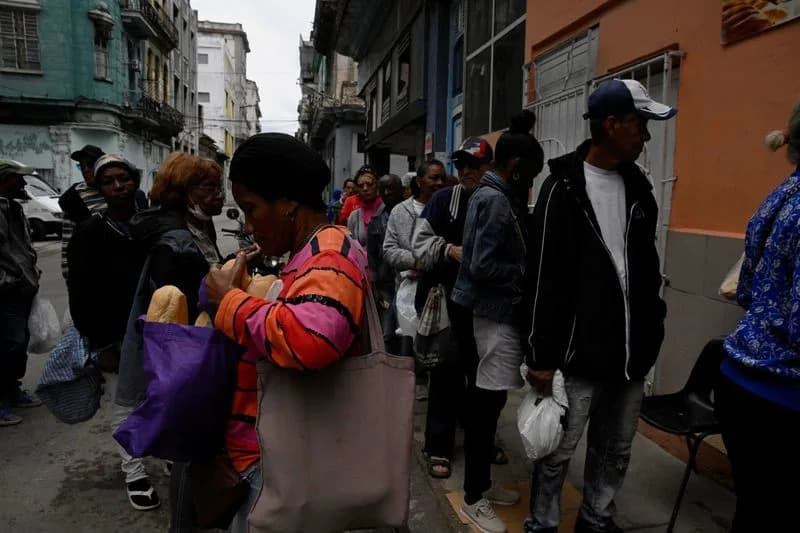
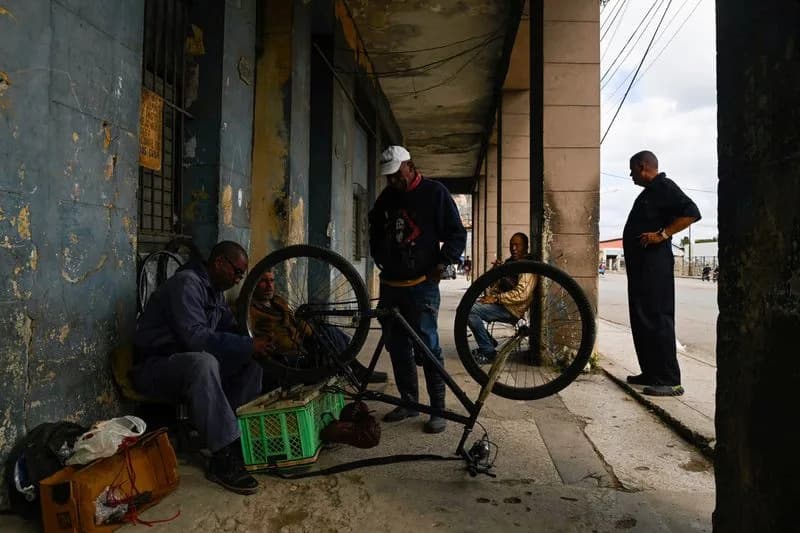
Daily life is being disrupted: Public transport hubs are quiet, many households are reverting to wood or coal for cooking, and state firms have shifted to reduced working weeks as rationing spreads across health, food production and other essential services.
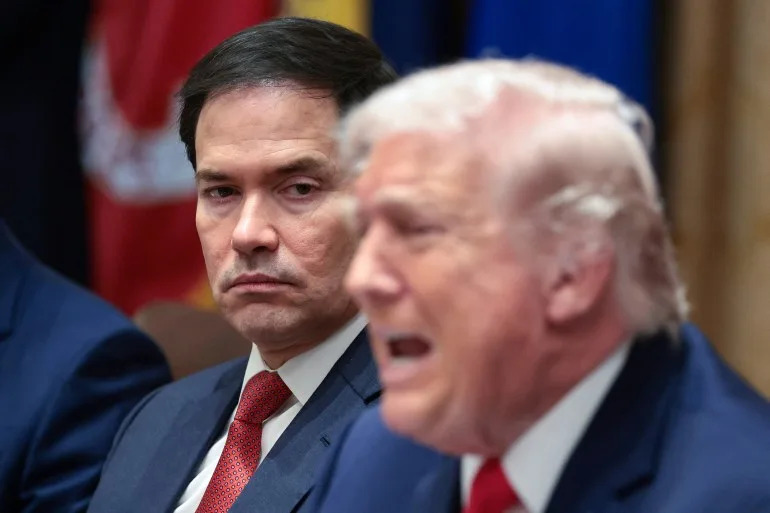
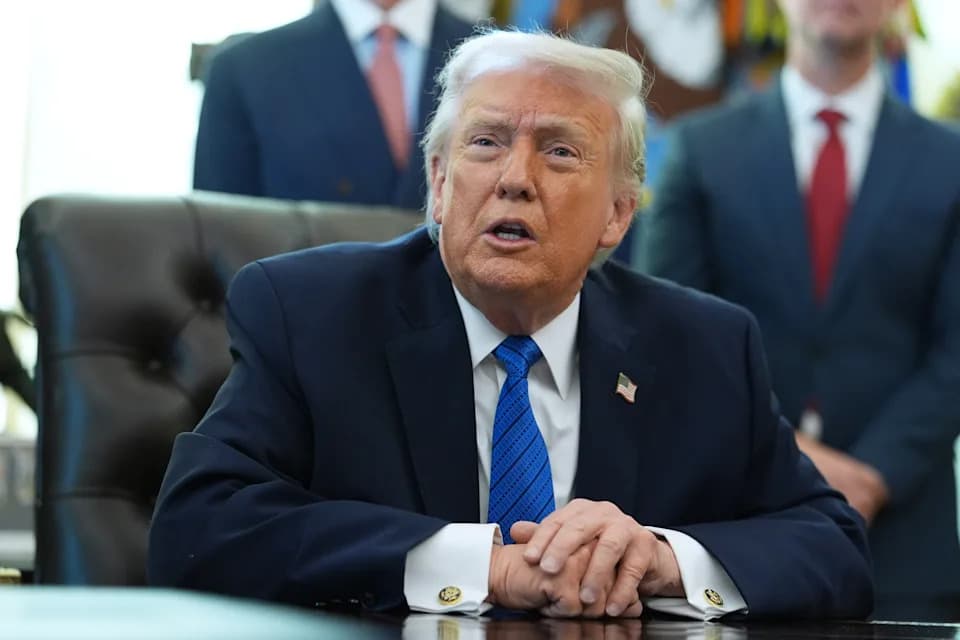
US Secretary of State Marco Rubio looks on as President Trump speaks during a cabinet meeting at the White House in Washington, DC, January 29, 2026 [Evelyn Hockstein/Reuters]
Government Measures
President Miguel Díaz-Canel’s administration has enacted emergency measures to preserve critical functions. State-run companies will move to a four-day workweek, interprovincial transport will be scaled back, some tourism facilities will close temporarily, and school and university schedules will be shortened.
“Fuel will be used to protect essential services for the population and indispensable economic activities,” said Deputy Prime Minister Oscar Pérez-Oliva, adding that the government intends to prioritise health, food production and defence while expanding renewable energy projects.
Causes And Context
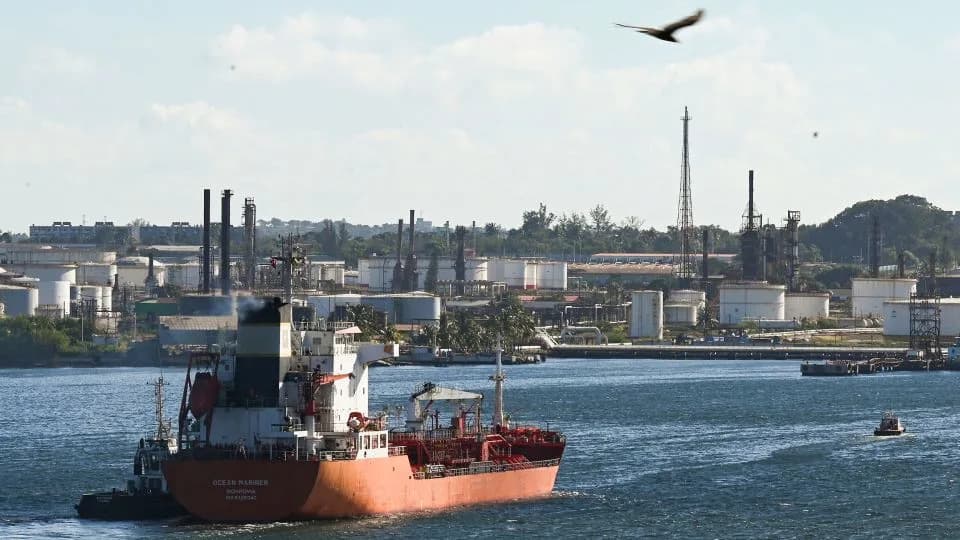
Cuba’s energy vulnerabilities stem from a long-standing US embargo and recent reductions in oil shipments from traditional partners. Historically, Mexico, Venezuela and Russia were significant suppliers to Havana; recent diplomatic and commercial pressures have disrupted those flows and left the country with constrained fuel reserves.
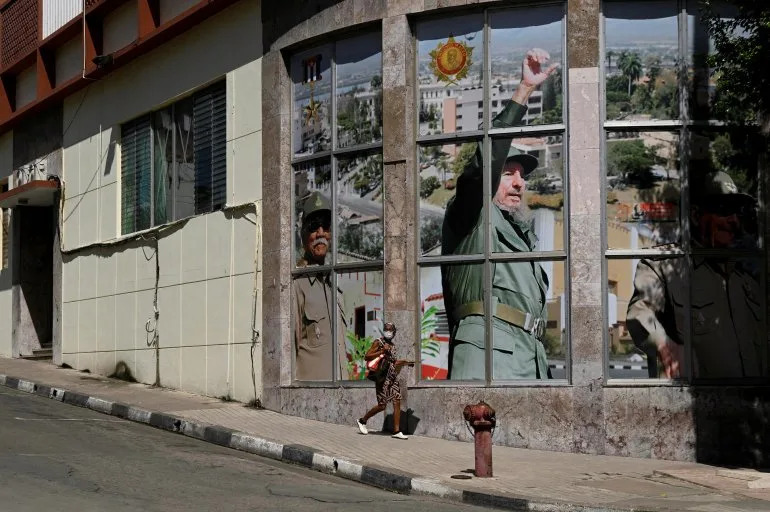
A woman walks past a building with an image of former President Fidel Castro as people prepare for the arrival of Hurricane Melissa in Santiago de Cuba, Cuba, October 27, 2025 [Norlys Perez/Reuters]
Data firm Kpler estimated that by late January Cuba had oil stocks sufficient for roughly 15–20 days at then-current consumption levels. Cuba’s estimated daily crude requirement is about 100,000 barrels.
Since 2017 the US has tightened a range of sanctions and restrictions after a period of thaw in US–Cuba relations in 2014–2016. Recent policy steps and diplomatic pressure on countries that might supply fuel to Cuba have further strained the island’s import options.
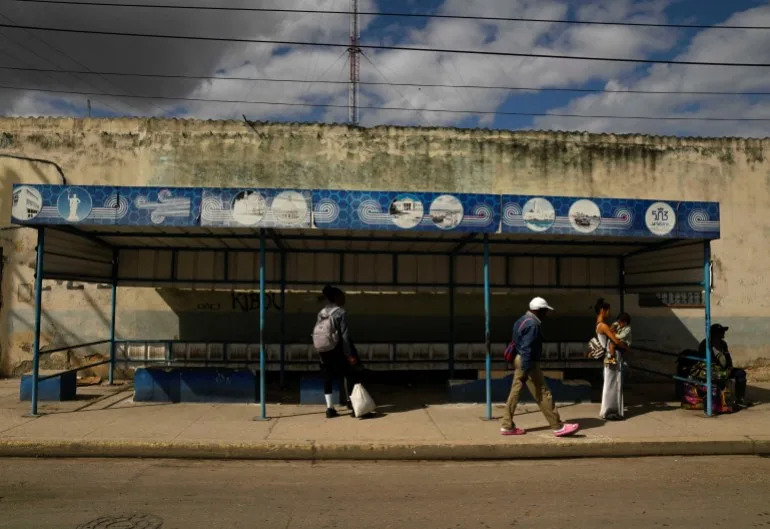
People wait for transport at a bus stop as Cubans brace for fuel scarcity measures, Havana, Cuba, February 6, 2026 [Norlys Perez/Reuters]
International Response And Humanitarian Concerns
United Nations officials have expressed deep concern about the humanitarian implications. UN spokesperson Stéphane Dujarric warned that the humanitarian situation could worsen significantly if Cuba’s oil needs are not met. The UN team in Havana reports that rolling blackouts are affecting the majority of the population and increasing the number of people in vulnerable situations.
The Cuban government has also called publicly for dialogue and for a de-escalation of measures that impede essential imports.
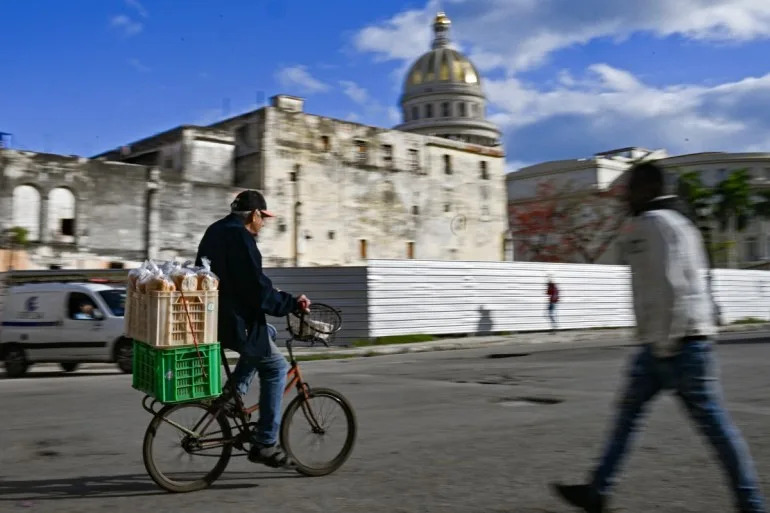
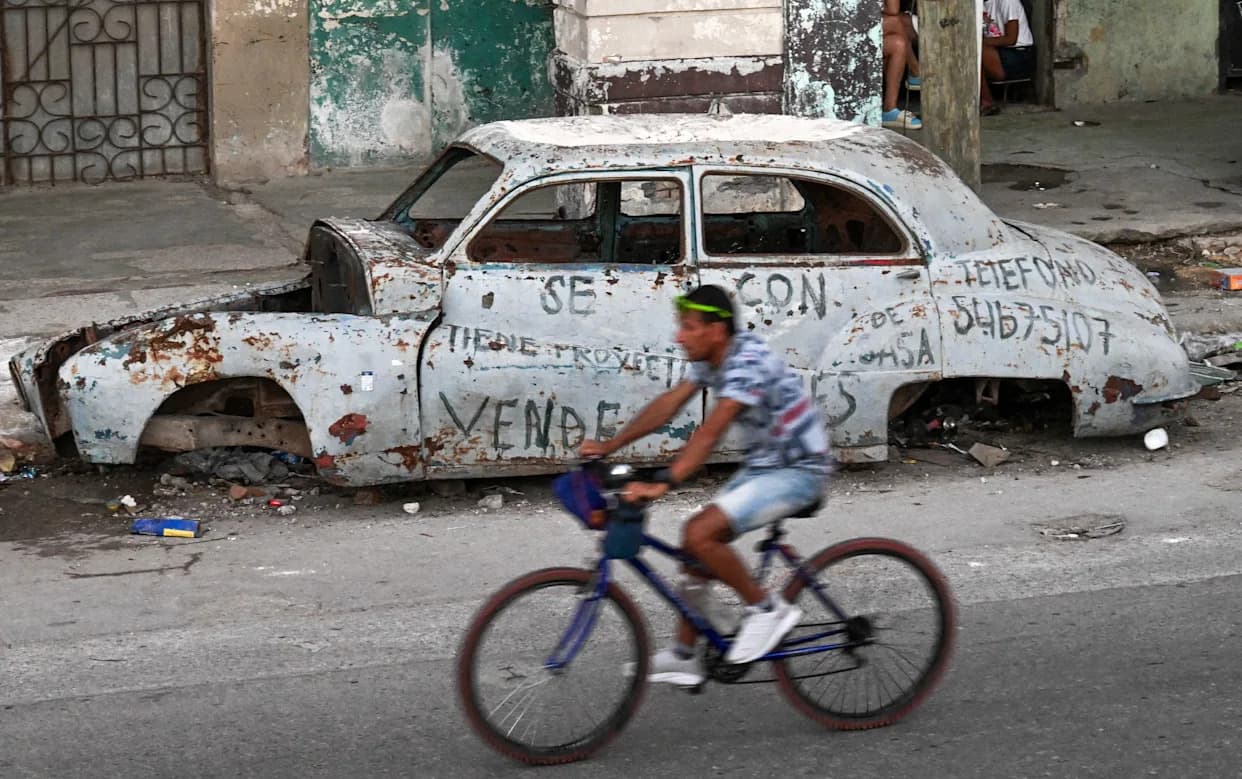
A man rides a bicycle in Havana, Cuba, on February 6, 2026 [Yamil Lage/AFP]
Notes On Reporting
Some earlier accounts circulating online included dramatic claims about direct US military actions in Venezuela; those particular claims are not substantiated by reliable sources and have been omitted here. This article focuses on verified developments: disrupted fuel supplies, imposed sanctions and official Cuban emergency measures, together with UN warnings and independent energy stock estimates.
Outlook
In the near term, Cuba will rely on strict rationing and prioritisation of fuel for hospitals, food production and emergency services while accelerating investments in solar and other renewables. The humanitarian risk will depend on whether alternative suppliers or diplomatic de-escalation can restore reliable fuel deliveries within weeks.
Help us improve.