Researchers have described a new nematode species, Diplolaimelloides woaabi, living in Utah’s Great Salt Lake at salinities more than ten times that of the ocean. Identified with 18S rRNA sequencing and electron/DIC microscopy, the worm is under 1.5 mm and possesses distinct anatomical features such as ocelli and a cryptospiral amphidial fovea. Its discovery — the third known multicellular animal adapted to the lake — expands ideas about where complex life can survive and has implications for astrobiology and environmental monitoring.
Tiny Survivor in a Salt Sea: New Nematode Discovered in Utah’s Great Salt Lake
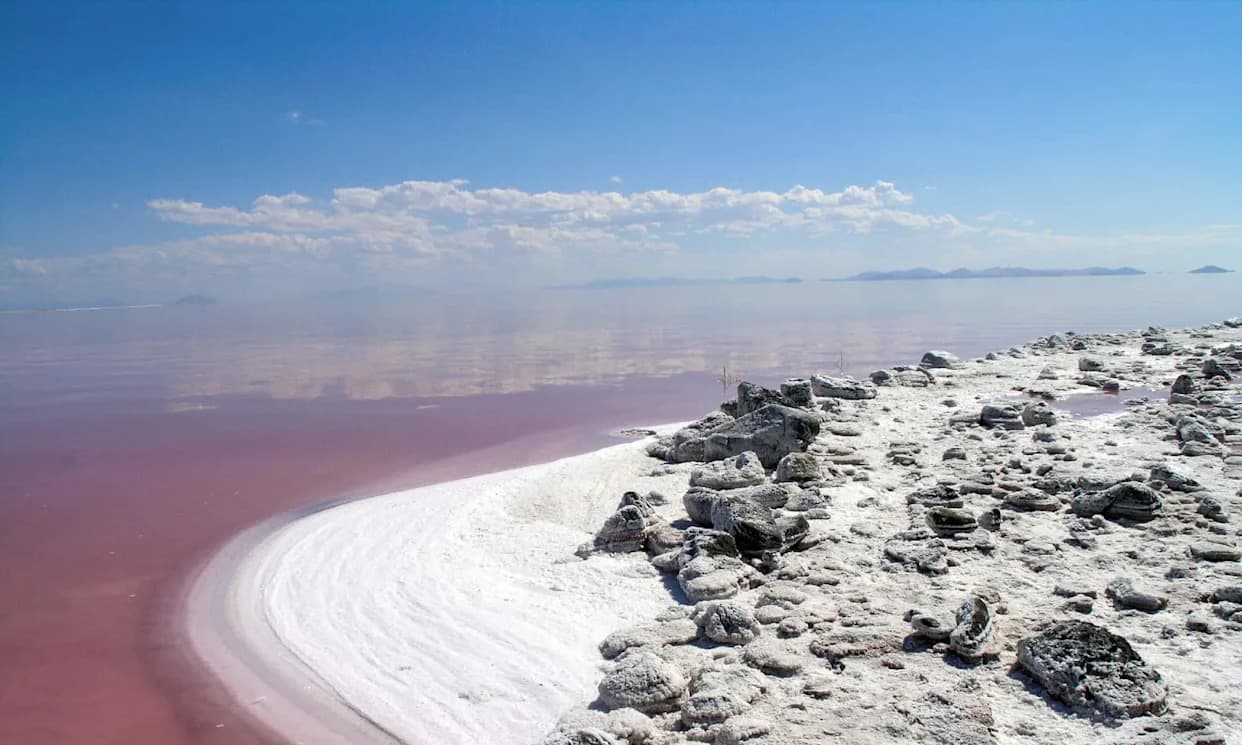
great Salt Lake© Eric Broder Van Dyke/Shutterstock.com
A microscopic worm has rewritten what scientists thought was possible in one of North America’s harshest waters. Researchers working in Utah’s Great Salt Lake have described a previously unknown nematode species that tolerates salinities more than ten times that of the ocean, challenging assumptions about which environments can support multicellular life.
The species, Diplolaimelloides woaabi sp. nov. (family Monhysteridae, order Monhysterida), was found inhabiting hypersaline microbialites — layered, microbially produced structures — in the lake. Guidance from Indigenous elders informed the species’ naming and contextual understanding of the habitat.
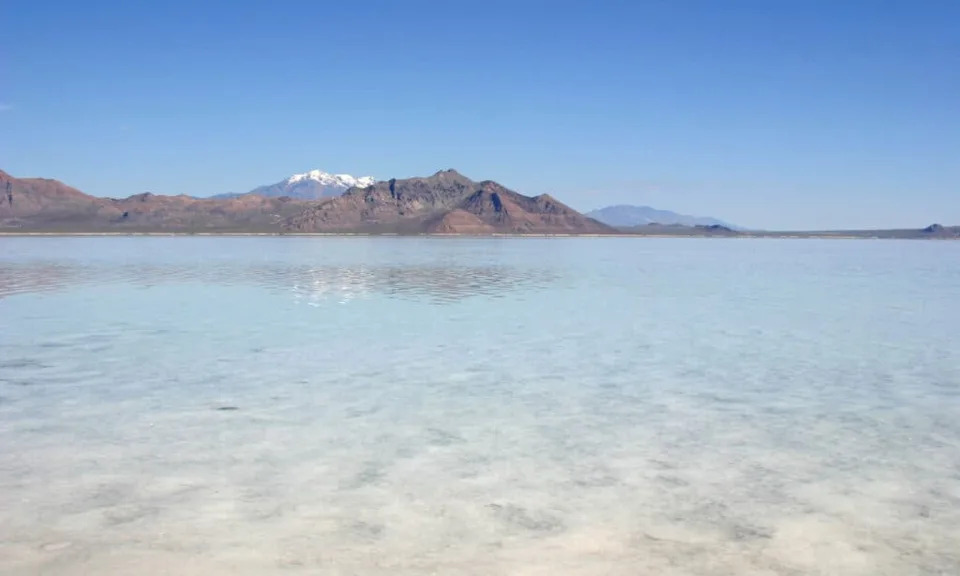
In the salt-crusted waters of the Great Salt Lake, scientists have uncovered a new species of nematode.©iStock.com/beccarie(iStock.com/beccarie)
How the Species Was Identified
Researchers used a combination of molecular and morphological methods to confirm the discovery. They sequenced the 18S rRNA gene and examined specimens with scanning electron microscopy (SEM) and differential interference contrast (DIC) microscopy to document anatomical details and verify that the specimens represent a novel species.
Distinctive Traits
Diplolaimelloides woaabi is defined by a specific suite of features: ocelli (simple eyes), a compact body under 1.5 mm in length, short anterior sensory setae, a cryptospiral amphidial fovea, a funnel-shaped anterior buccal cavity with a reduced secondary cavity and fused lips, long paired male spicules with sub-apical extensions, and a prominent male bursa. These traits place it within Monhysteridae and distinguish it from other known species.
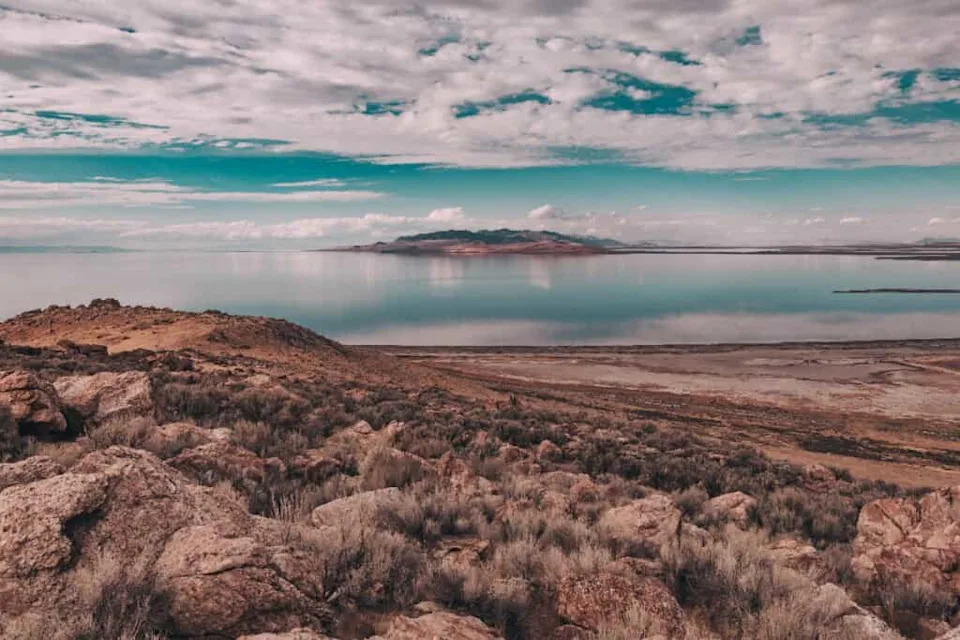
Diplolaimelloides woaabiis a testament that life can persist in conditions once thought nearly sterile.©Bella Bender/Shutterstock.com(Bella Bender/Shutterstock.com)
Why This Matters
Until now, only two multicellular animals — brine shrimp and brine flies — were considered adapted to the Great Salt Lake’s extreme salinity and low-oxygen conditions. The discovery of a free-living nematode thriving in hypersaline microbialites shows that multicellular life can occupy chemical niches once assumed sterile, expanding our view of ecological resilience.
“Absence of evidence is not evidence of absence.”
This nematode’s existence suggests the lake’s ecosystem is more complex and resilient than previously thought. Because it tolerates severe salinity and alkalinity, D. woaabi may also serve as a sensitive bioindicator of ecological change in the lake.
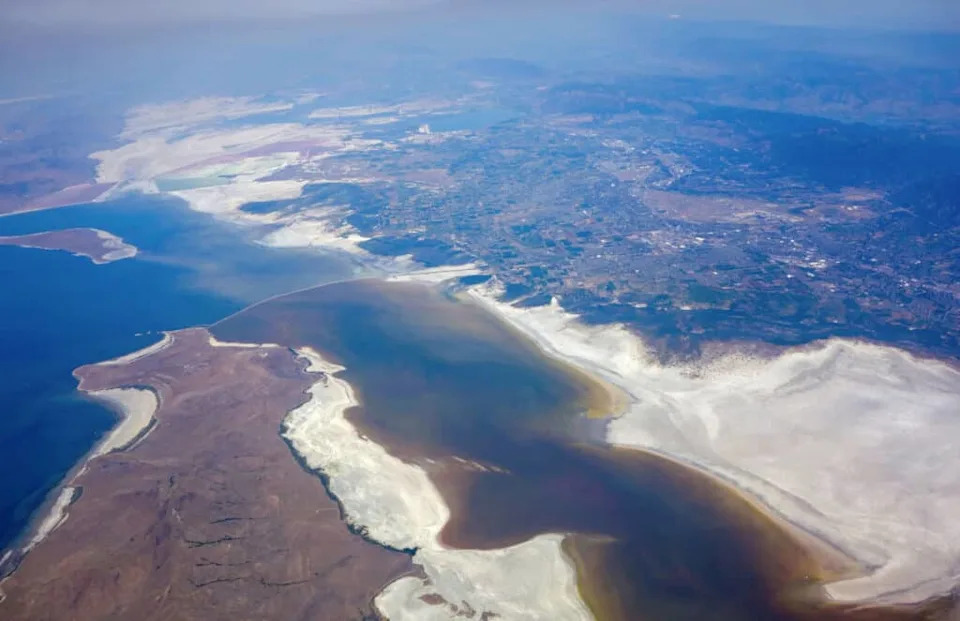
The Great Salt Lake has long been considered one of Earth’s harshest ecosystems.©Thomas Barrat/Shutterstock.com(Thomas Barrat/Shutterstock.com)
Implications for Astrobiology
Earth’s extreme habitats often serve as analogs for other worlds. The ability of a multicellular animal to survive in such hypersaline conditions informs how scientists think about habitability beyond Earth. For example, Europa — Jupiter’s icy moon with a subsurface ocean — remains a key target in the search for extraterrestrial life. If complex life can adapt to chemically extreme niches on Earth, it broadens the range of alien environments where life might persist.
While microbes remain the most likely candidates for extraterrestrial life, this discovery highlights adaptability as a critical factor in survivability and suggests researchers should consider a wider range of chemical and physical regimes when evaluating habitability.
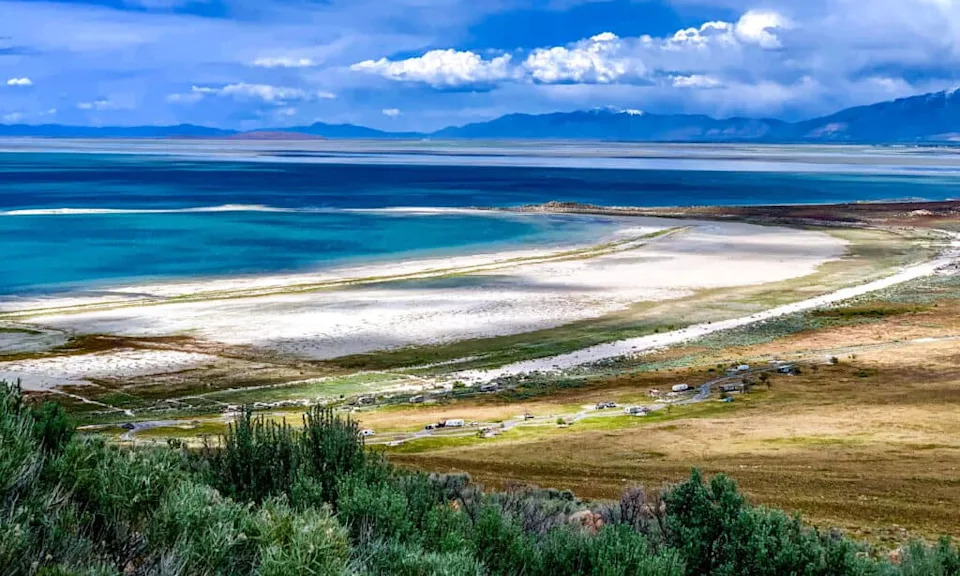
The discovery of theDiplolaimelloides woaabicarries implications far beyond the lake itself.©iStock.com/Zhi Gong(iStock.com/Zhi Gong)
Broader Takeaway
The finding of Diplolaimelloides woaabi is a reminder to look more carefully at environments we label “empty.” Habitats once dismissed as too salty, acidic, dry, or toxic may conceal unexpected organisms. Even well-studied landscapes can yield surprises that refine our understanding of life’s limits and capabilities.
Discovery of this tiny nematode underscores the provisional nature of scientific certainty and invites a broader, more imaginative approach to searching for life both on Earth and beyond.
Help us improve.