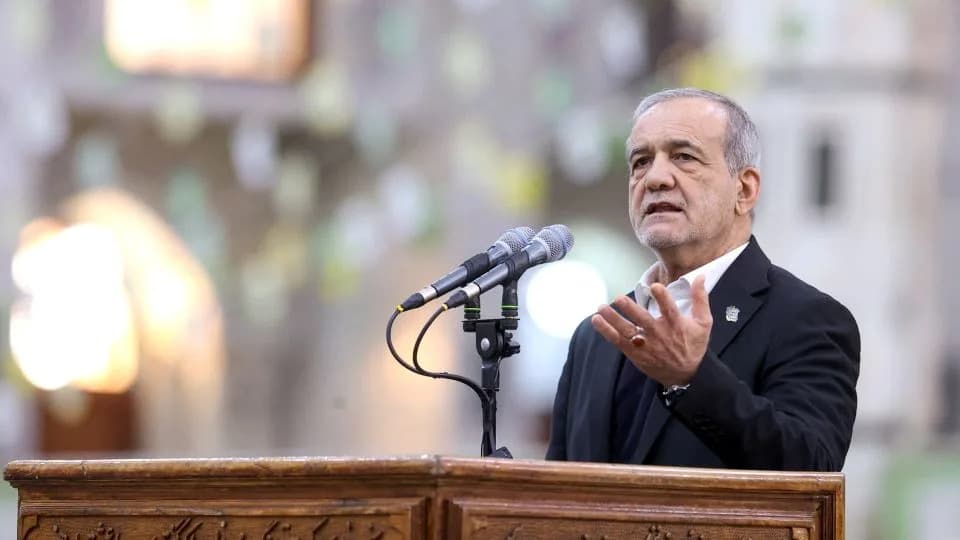
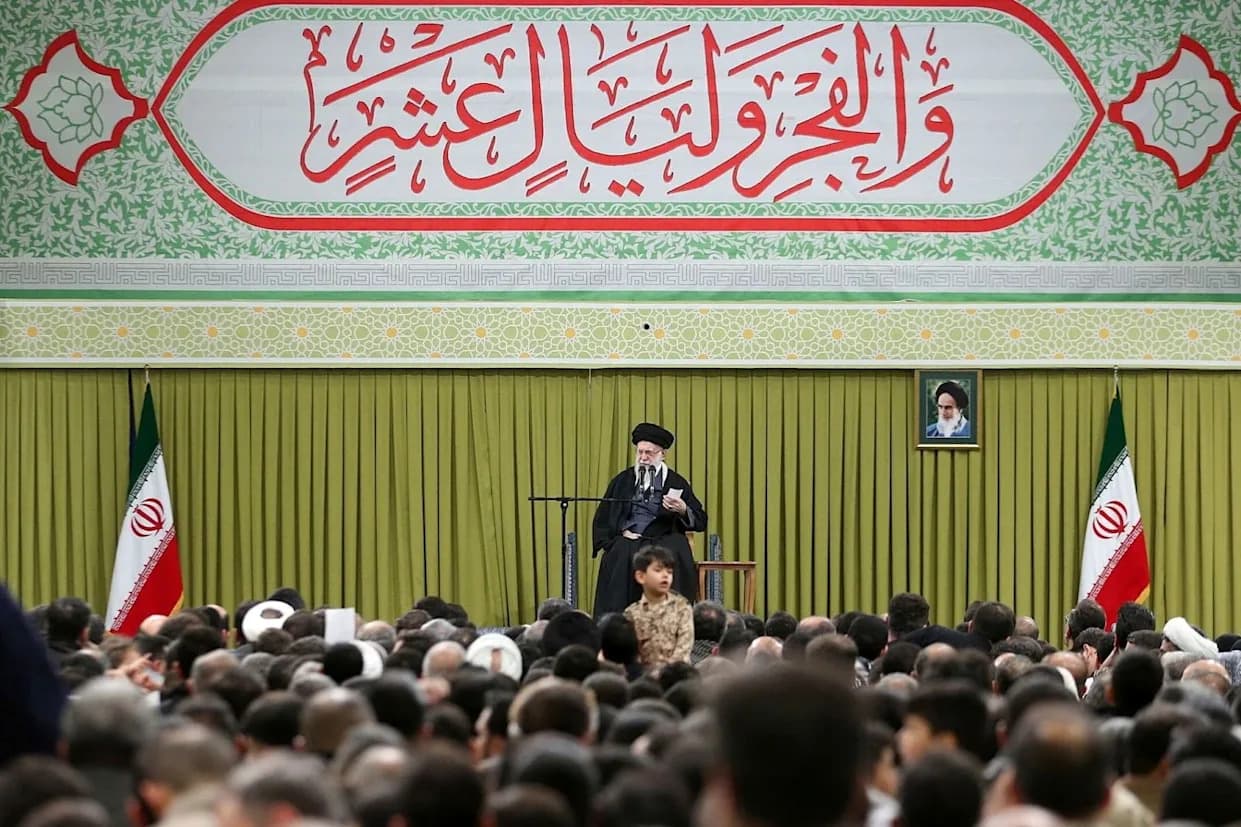
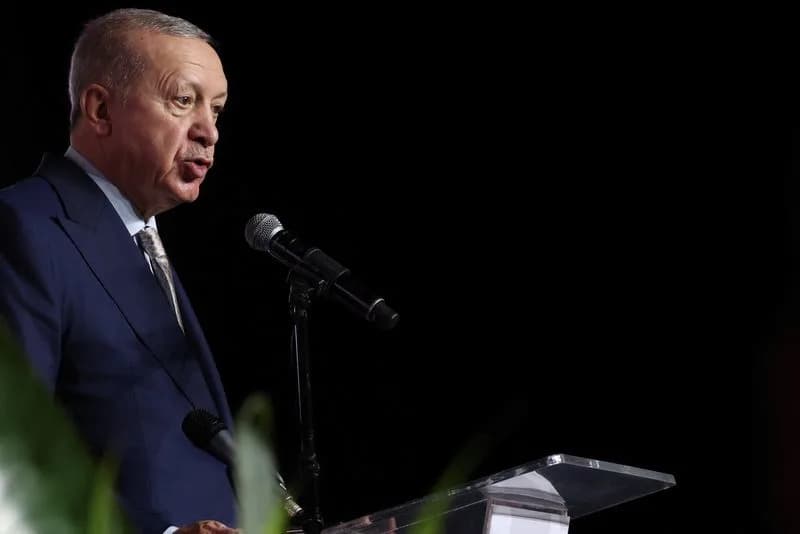
Gulf states are anxiously watching Friday’s U.S.-Iran talks after Tehran’s last-minute request to move the meeting to Oman. Arab officials say they urged Washington to avoid military action that could spark retaliatory attacks, choke oil exports and escalate into a wider regional war. Special envoy Steve Witkoff and Jared Kushner will meet Iranian officials in Oman as the White House emphasizes diplomacy while keeping military assets staged.
Gulf Allies Breathe Cautious Sigh As U.S.-Iran Talks Proceed After Last-Minute Venue Shift
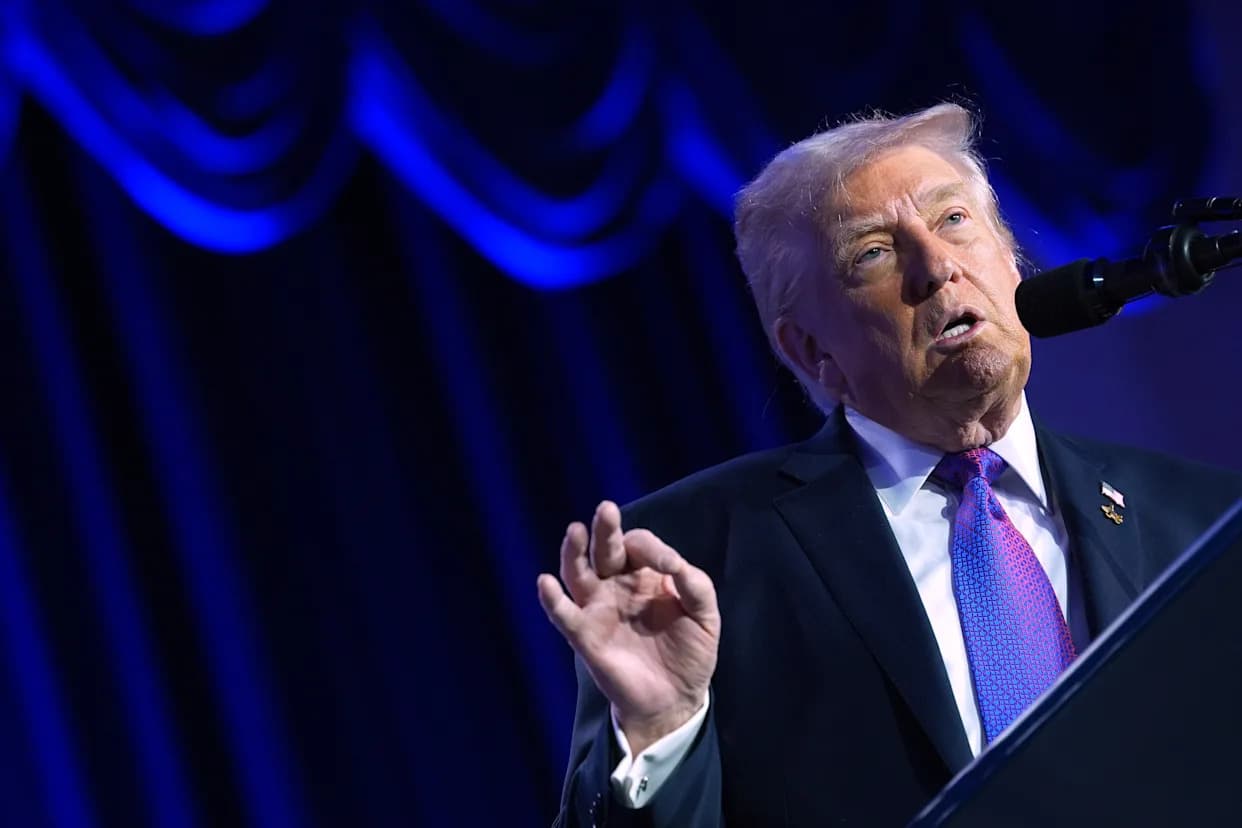
President Donald Trump’s repeated threats toward Iran — and the real prospect of armed confrontation — have left U.S. partners in the Gulf anxious as American and Iranian officials prepare to meet on Friday. After Tehran sought a last-minute change of venue, the talks were briefly in doubt; their continuation, however, offers Gulf states a cautious glimmer of hope that diplomacy may yet prevail.
Why Gulf States Are Nervous
Several Arab governments privately urged Washington to avoid military action, warning that a U.S. strike could prompt retaliatory attacks on neighboring countries, disrupt oil exports from the Gulf, and trigger a broader regional conflagration. According to four Arab officials from two countries who spoke on condition of anonymity, those warnings were delivered directly to the White House in recent days.
“It is instructive that the Iranians wanted to change the format and location of the talks, the U.S. initially said take-it-or-leave-it, but now apparently accepted the change of venue,” said Michael Ratney, who served as U.S. ambassador to Saudi Arabia under President Joe Biden. “Trump doesn’t seem to want war with Iran — and he may be listening to his friends in the Gulf.”
Diplomacy, With Military Forces on Standby
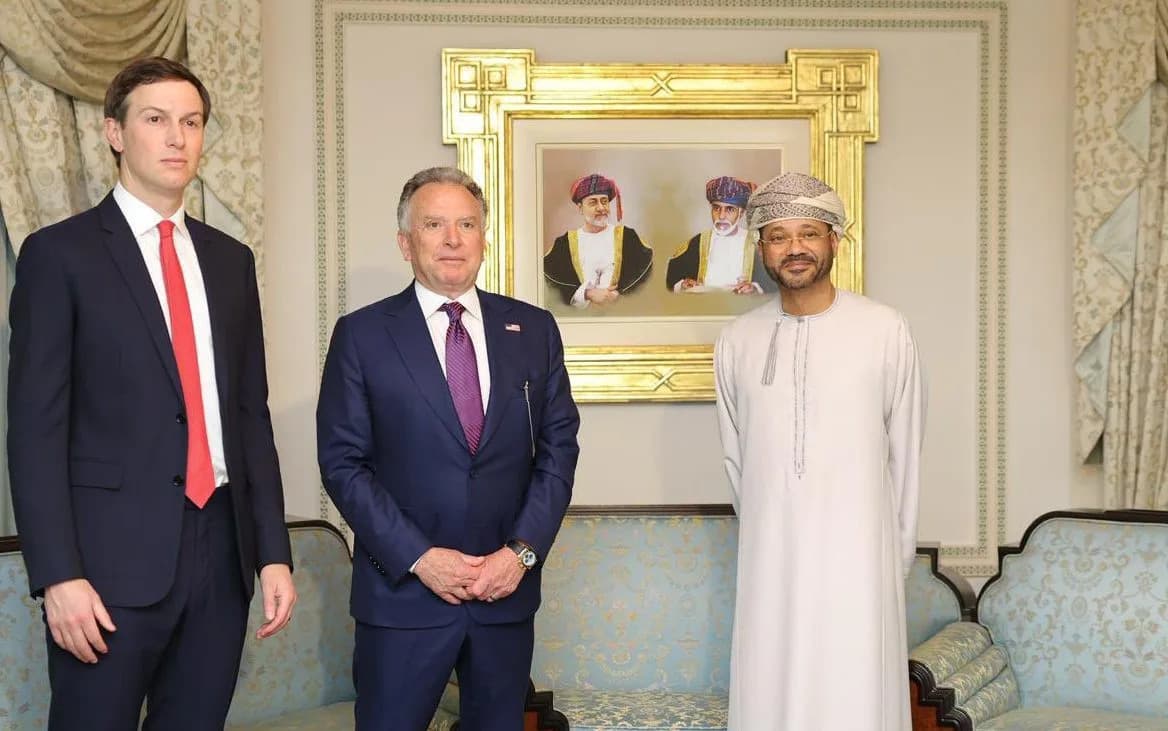
Special presidential envoy Steve Witkoff and Jared Kushner, the president’s son-in-law, are scheduled to travel from Abu Dhabi to Oman to meet Iranian officials. The talks had been planned for Istanbul and were expected to include other Middle Eastern delegations, but Iran requested the meeting be held in Oman and limited to U.S. and Iranian officials. When the White House initially resisted that change, several Arab envoys reportedly lobbied U.S. leaders not to abandon the talks.
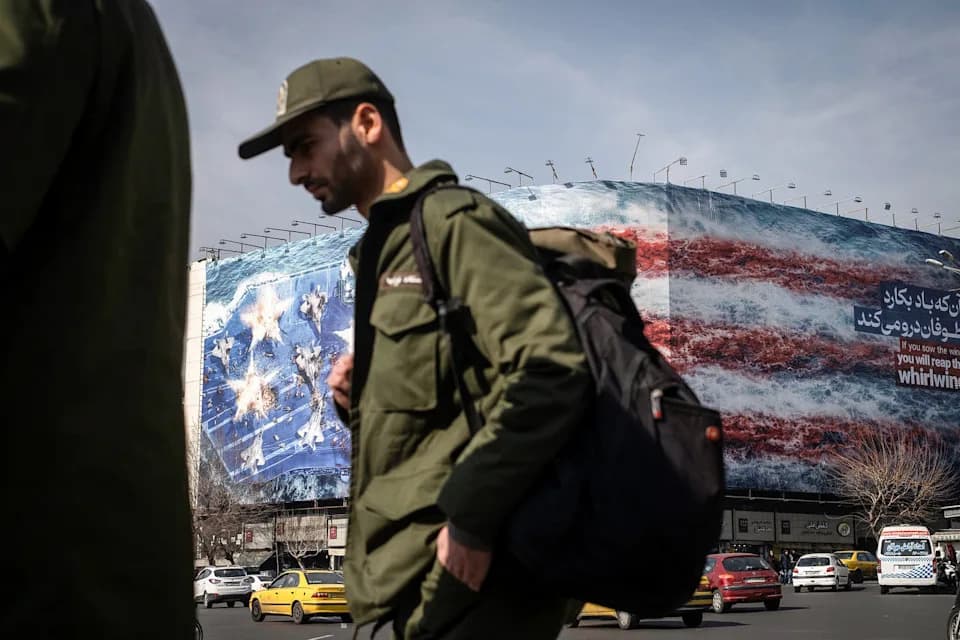
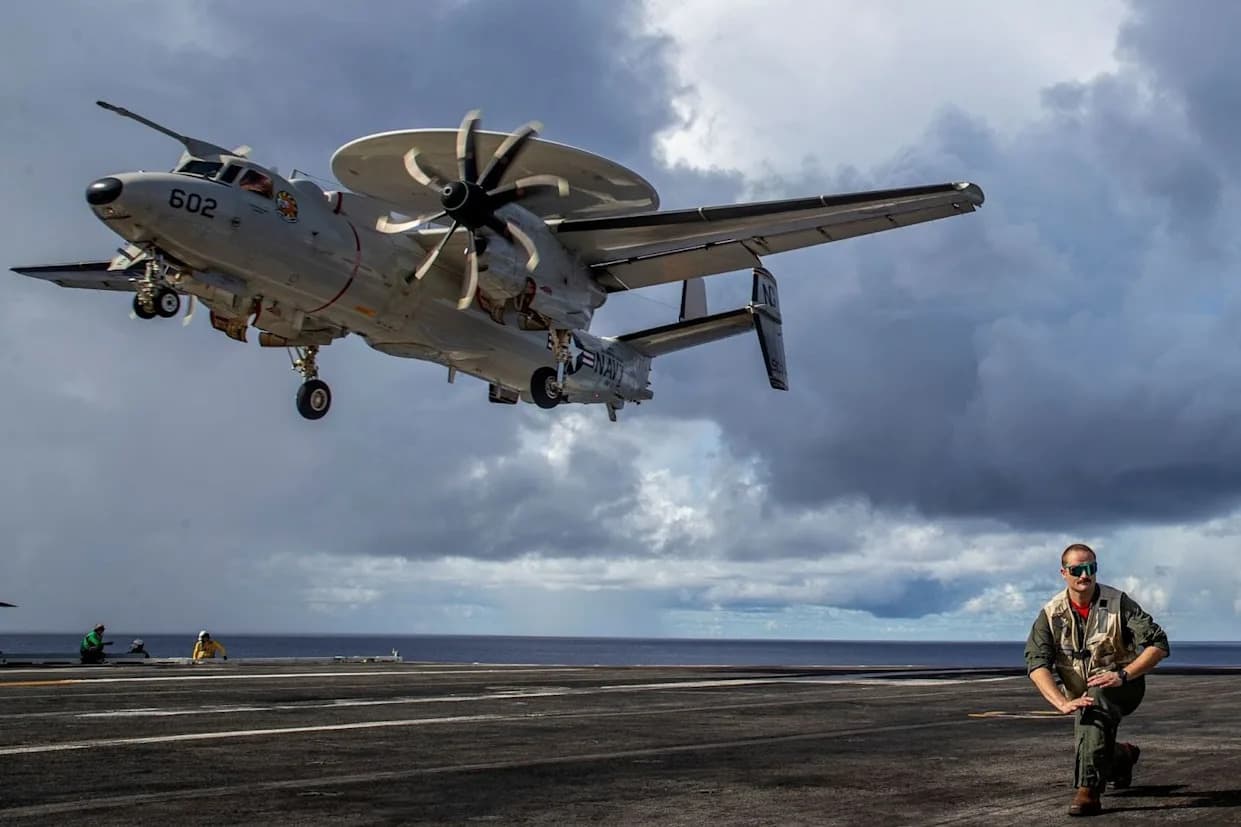
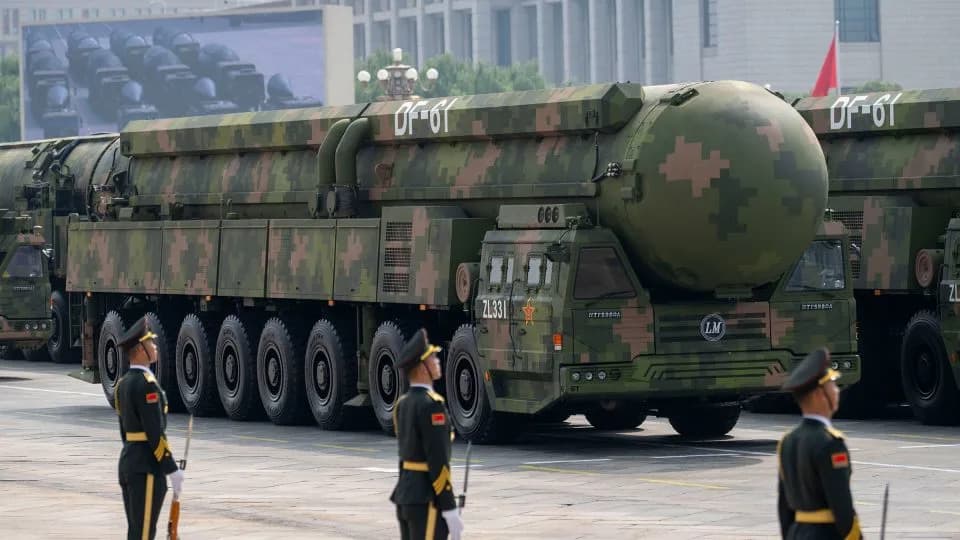
White House press secretary Karoline Leavitt confirmed that the talks would proceed, saying "diplomacy is always [Trump’s] first option." At the same time, the president has highlighted deployment of what he called a “massive armada” of warships to the region. A person familiar with the planning, speaking on condition of anonymity, said those forces would take more than a week to be fully in place.
What’s At Stake
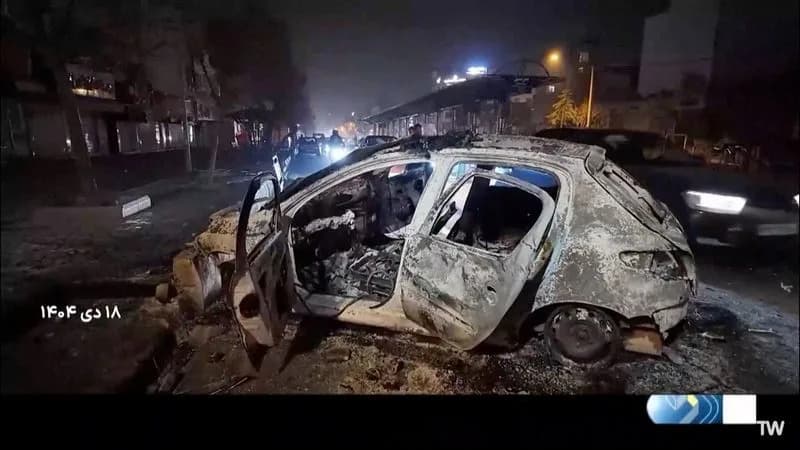
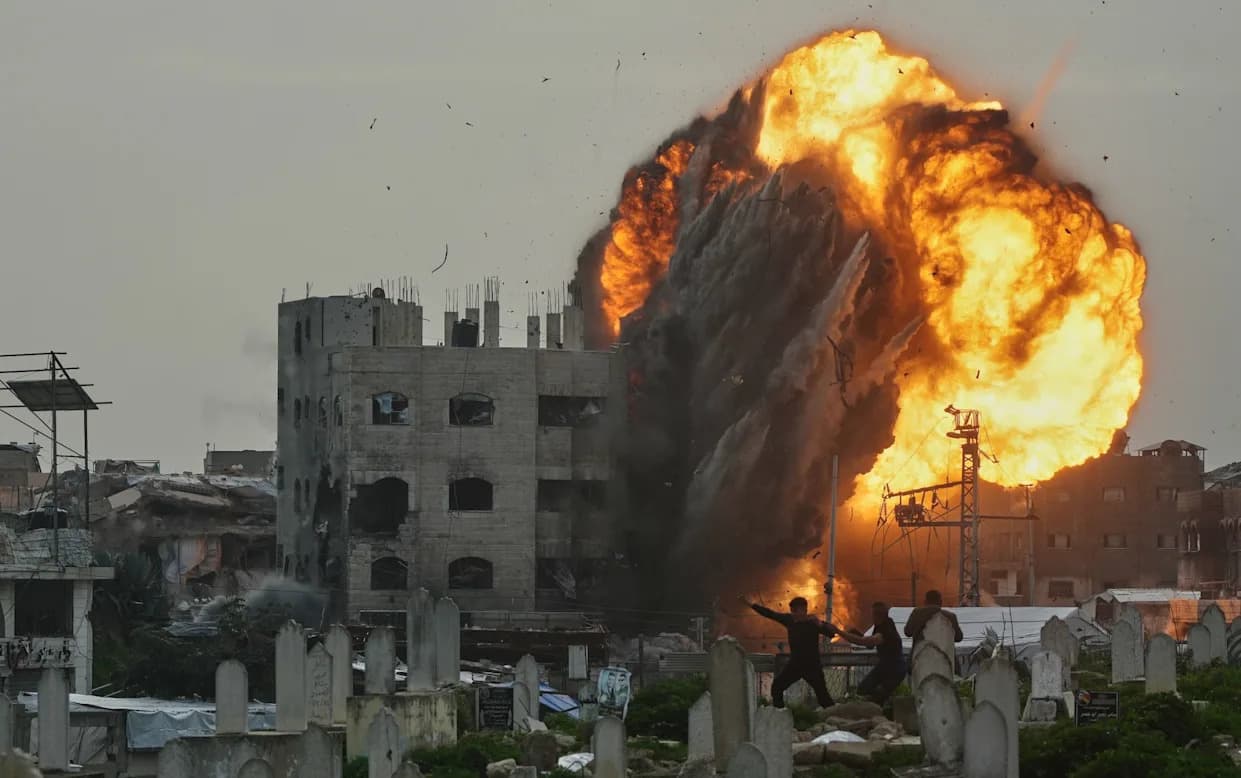
Gulf officials warned that even a more intense bombing campaign than last summer’s strikes on Iranian nuclear facilities would probably not produce regime change, and could instead create a prolonged U.S. commitment — a quagmire comparable to America’s years in Afghanistan. They also cautioned that Iran could attempt to choke off oil exports, driving energy prices sharply higher and destabilizing global markets.
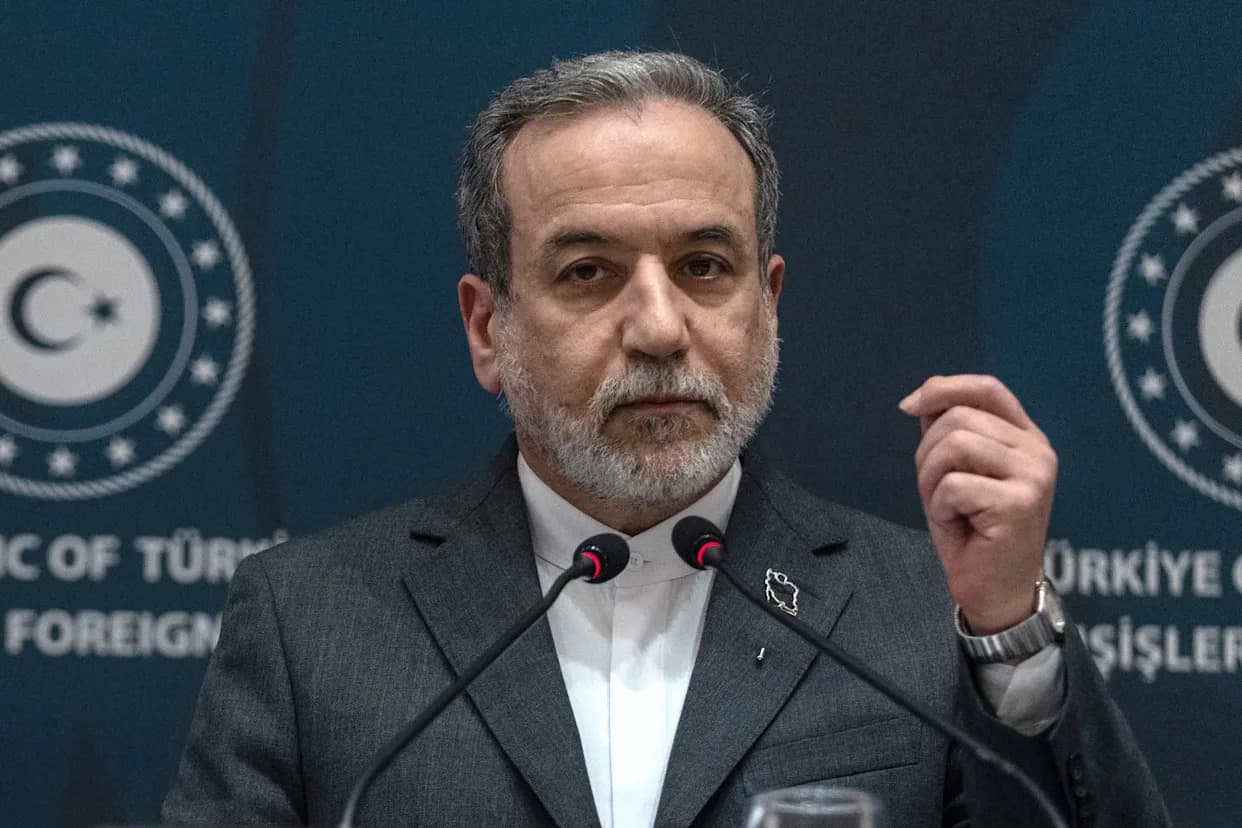
Even if Tehran seeks to make concessions to avoid renewed conflict and ease the domestic economic pain of sanctions, officials say it is unlikely to formally forswear uranium enrichment or abandon its ballistic missile capability — two core red lines for Iranian leaders.
Ian Bremmer, president of the Eurasia Group risk consultancy, said there has been "a level of progress" between Washington and Tehran — in part because Arab and Muslim partners have pressed for restraint and helped clarify what Iran might accept — but he did not rule out the possibility of a U.S. strike.
Asked whether Gulf partners felt any guarded optimism on the eve of the talks, one Saudi official declined to be definitive: “I am not able to confirm that, but we are watching cautiously.”
Help us improve.