Tomato growers in Khushab district, Pakistan, lost roughly 65% of their crop after a late-January frost, threatening farmers' incomes and loan repayment plans. Scientists say climate change likely increased the odds of the damaging frost by about 60%, and similar extremes have driven global food-price volatility from 2022–2024. Locally, farmers reported no warning; researchers are developing AI-and-satellite systems to provide hyper-local alerts to reduce future losses.
Late-January Frost Wipes Out About 65% Of Tomatoes In Pakistan’s Khushab — Farmers Face Heavy Losses
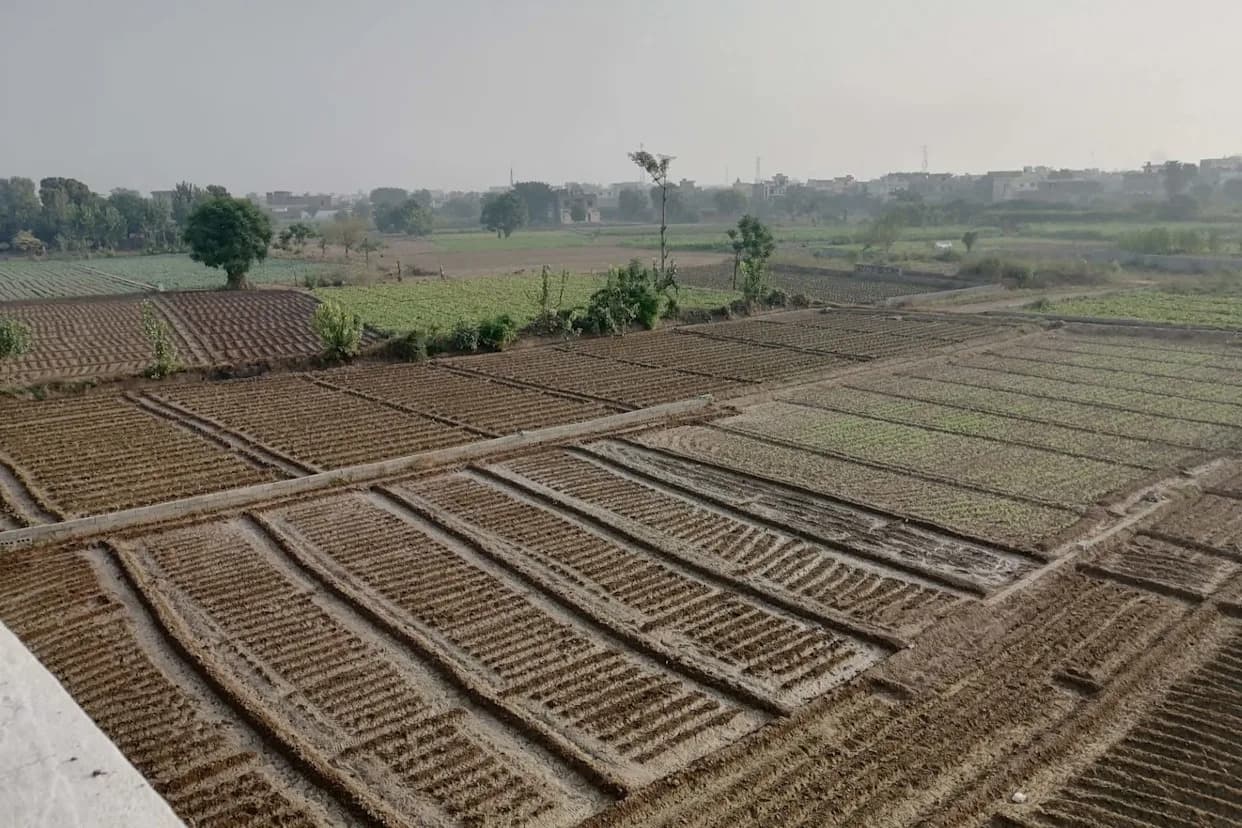
Photo Credit: iStock
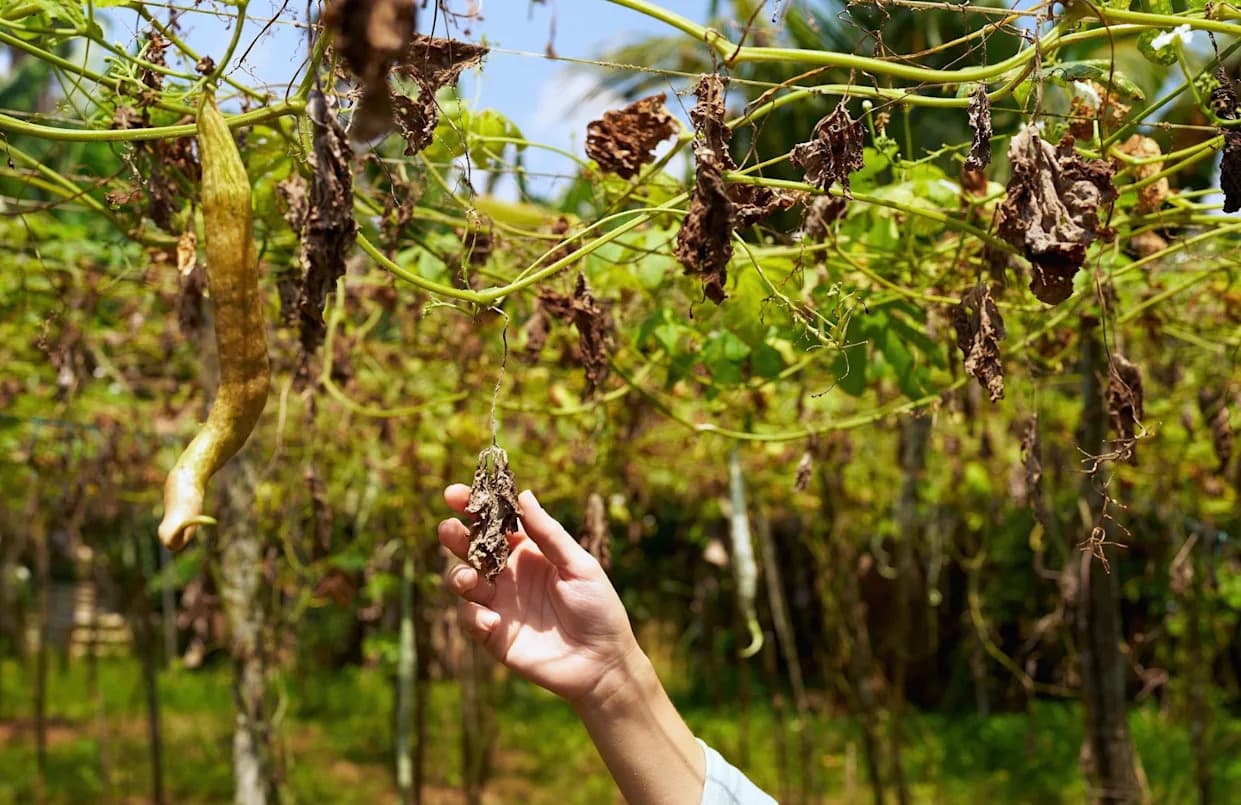
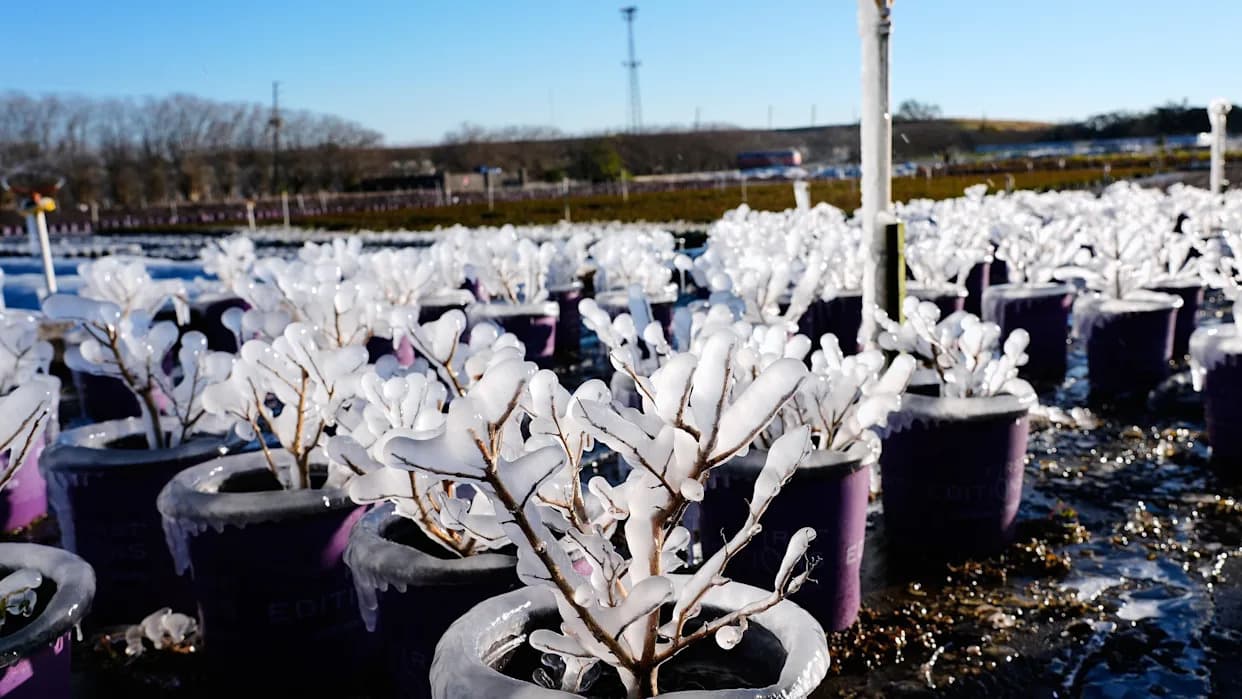
Tomato farmers in Khushab district, Pakistan, are grappling with severe losses after a late-January frost damaged roughly 65% of the red and green tomato crop, local reports say. Villagers described plants with dried leaves, snapped stems and cellular rupture on mature fruit, leaving much of the harvest unsellable.
Local Impact And Farmer Losses
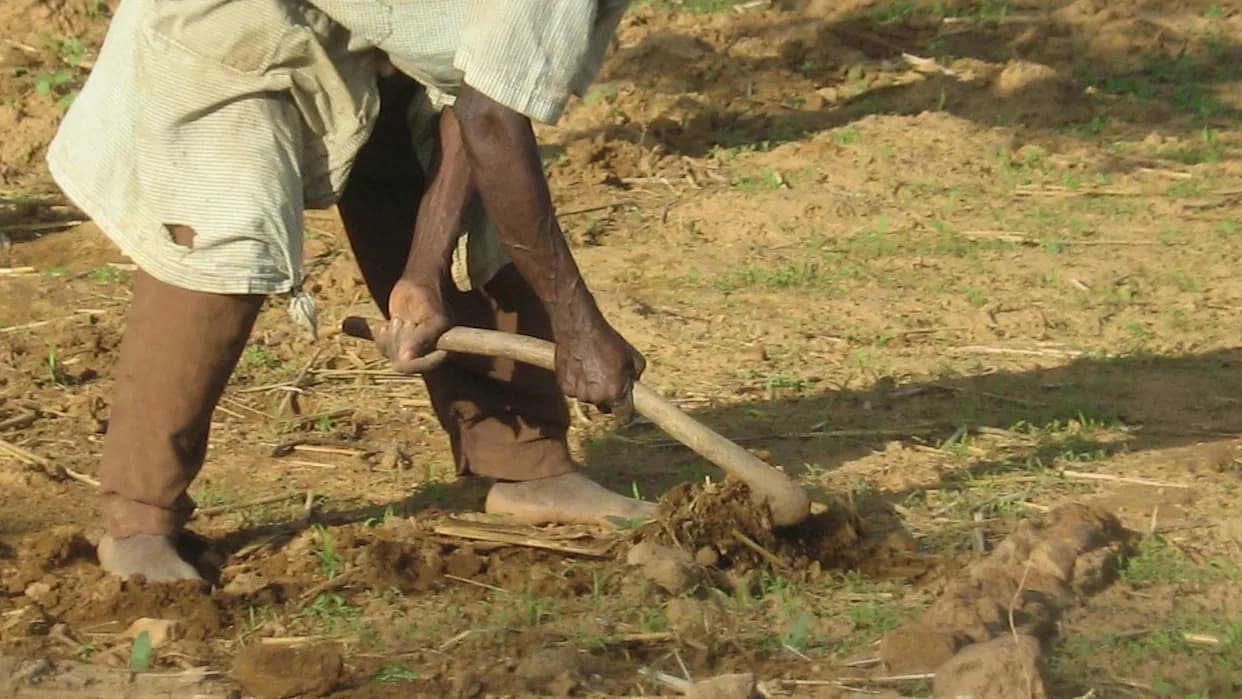
Growers had invested heavily in the season, applying costly fertilizer and other inputs during cold nights in anticipation of good market prices at harvest. Farmer Malik Abdul Karim told The Express Tribune that the losses jeopardize plans to repay previous loans and support families.
"We hoped to repay our previous loans, but nature had other plans," Karim said, underscoring the financial strain faced by many smallholders.
Broader Climate Context
While no single weather event can be attributed solely to climate change, scientists at NASA and other research institutions say gradual global warming increases the probability of damaging extremes — including floods, droughts and unexpected frosts. Reports cited researchers who estimated that human-caused climate change made this damaging frost event about 60% more likely.
Weather extremes are already affecting food markets worldwide. Carbon Brief tracked sharp swings in staple crop prices from 2022–2024 linked to heatwaves, heavy rain and disease, and U.S. orange production fell by more than 40% between 2020 and 2024 — examples of growing vulnerability in global food systems.
Local Preparedness And Potential Solutions
Farmers in Khushab reported receiving no warning before the frost. Simple countermeasures such as smoke screens, light irrigation or temporary plastic covers can reduce frost damage if deployed in time, but they require advance notice and resources.
To address that gap, researchers and agencies are developing systems that combine artificial intelligence with satellite and weather data to detect threats at hyper-local scales and issue targeted alerts for communities and specific crops. Such early-warning tools could help farmers deploy protective measures and reduce future losses.
Why It Matters
Agriculture is a major sector in Pakistan, and tomatoes are a core crop grown in varieties such as Moneymaker, Roma and Rio Grande. Beyond immediate income loss, such shocks can ripple through local and regional food prices, affecting consumers and supply chains.
What Farmers Need: Better localized forecasting and timely warnings, affordable mitigation tools, and financial support to recover from crop failures and invest in resilient practices.
Help us improve.