A rare Arctic cold front pushed temperatures as low as 30°F across much of Florida, threatening essential winter crops and raising the possibility of higher grocery prices across the eastern U.S. Commissioner Wilton Simpson has requested a disaster declaration from the U.S. Department of Agriculture, citing expected frost and wind damage. Florida is a leading national producer of many winter fruits and vegetables; full damage assessments will take days as fields thaw. Growers are using protective measures such as continuous irrigation while officials monitor losses and potential federal aid.
Arctic Freeze Puts Florida’s Winter Harvest at Risk — $13B+ In Damage Possible, Grocery Prices Could Rise
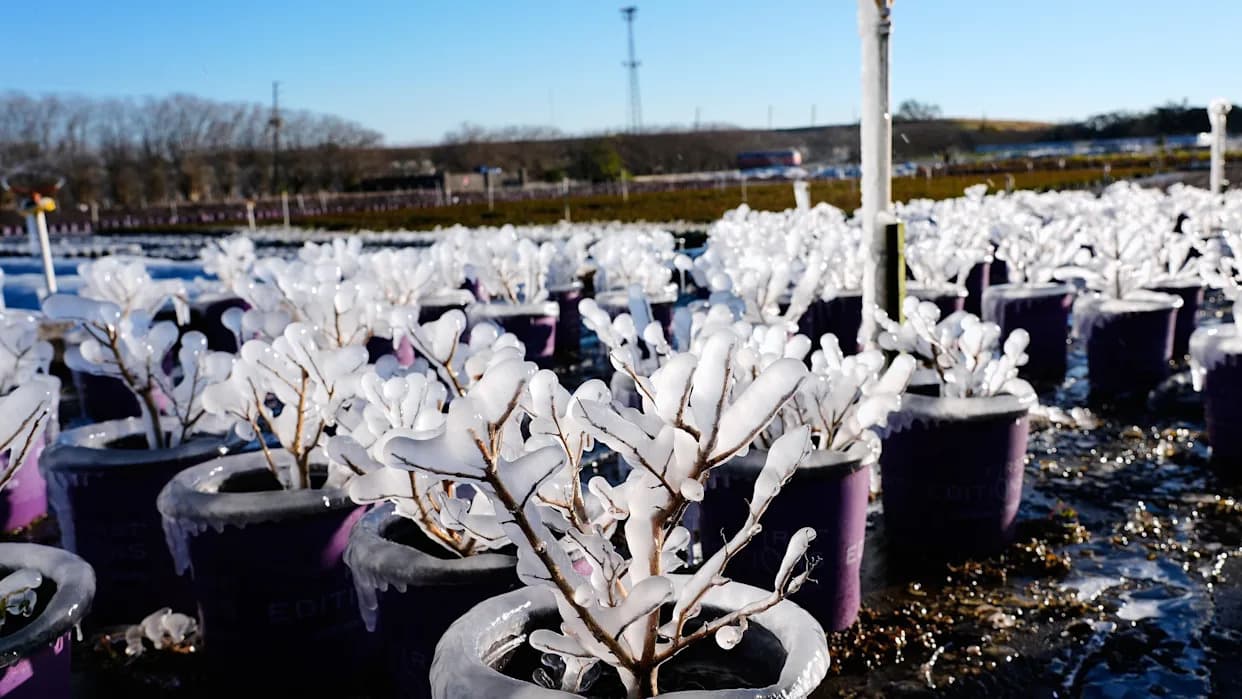
John Raoux/ AP Photo
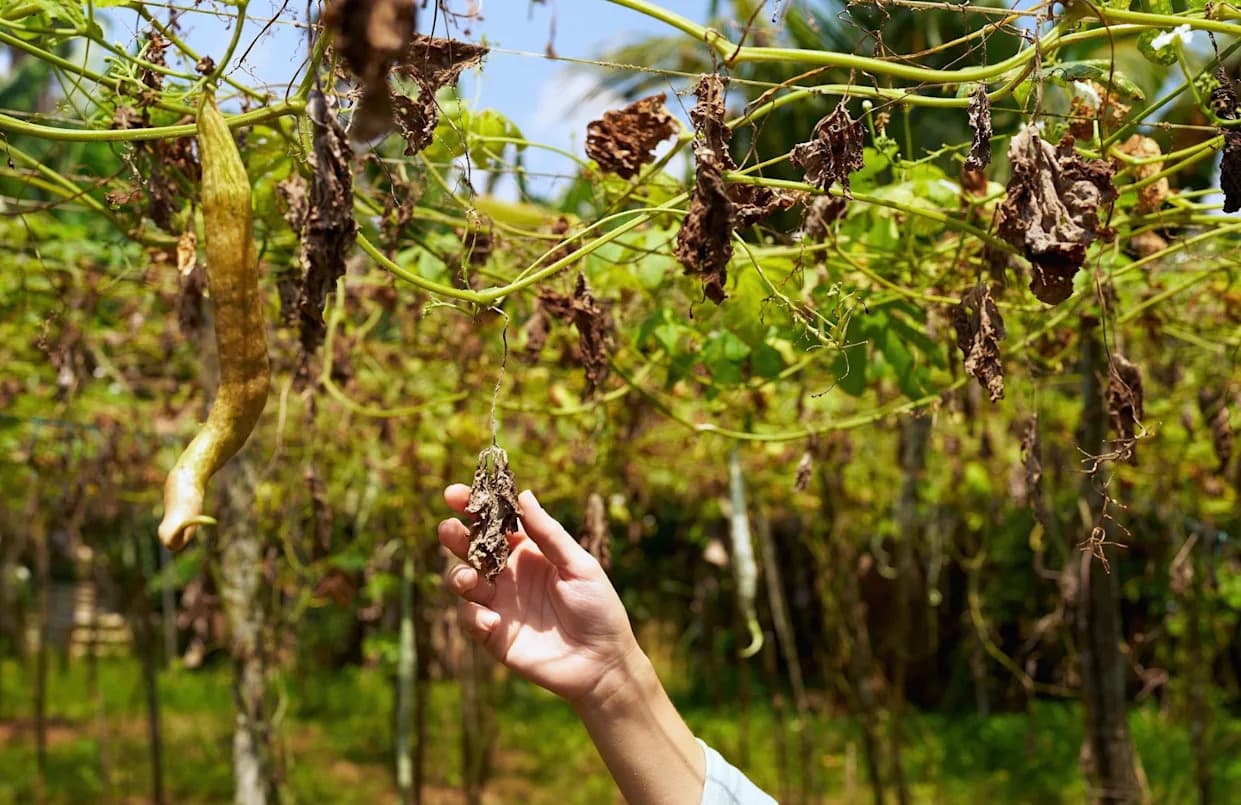
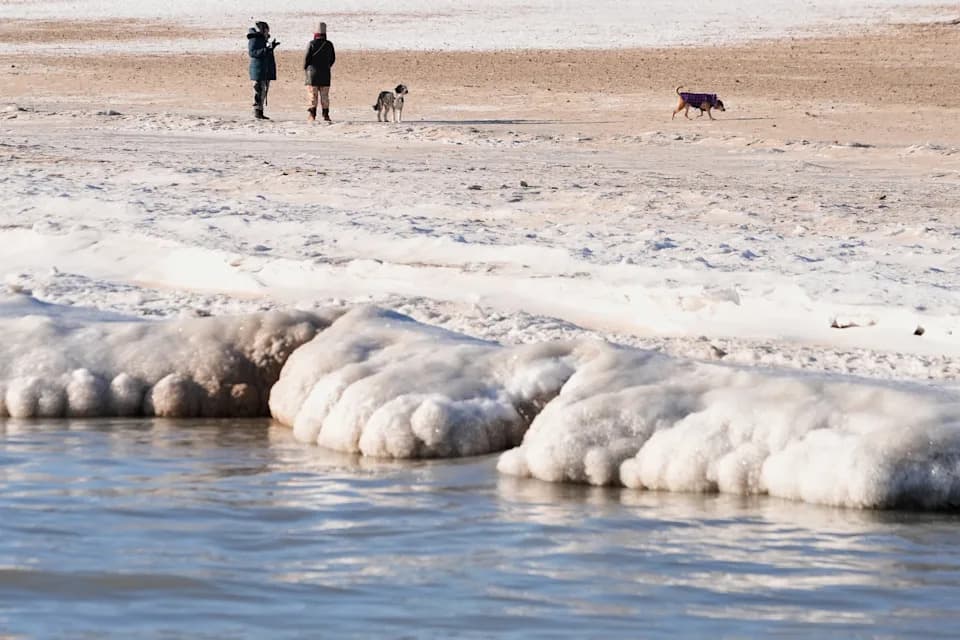
A rare surge of Arctic air pushed temperatures across much of Florida below freezing, leaving farmers scrambling to protect winter crops and raising concerns that grocery prices east of the Mississippi could increase.
Florida — a state known for its warm climate — faces potential agricultural losses of more than $13 billion after frigid air moved deeper into the South. Normally mild cities such as Orlando and Miami saw readings as low as 30°F, according to local reports.
Commissioner of Agriculture Wilton Simpson requested a disaster declaration from the U.S. Department of Agriculture, warning that gusty winds and freezing temperatures could compound damage to in-season crops.
Why This Matters
Florida supplies a large share of the nation’s winter fruits and vegetables. The USDA’s 2022 Census of Agriculture ranks Florida as the nation’s top producer of fresh tomatoes, grapefruit, bell peppers, fresh and processing cucumbers, fresh sweet corn, fresh and processing snap beans, watermelons, squash and sugarcane for sugar and seed — commodity groups that together generated about $2.47 billion in gross income for Florida farmers.
University of Florida data also highlights the state’s scale: 415,411 harvested acres in 2022 generated roughly $920 million in value for crops such as oranges, grapefruit, strawberries, tree nuts and avocados.
Immediate Impacts And Response
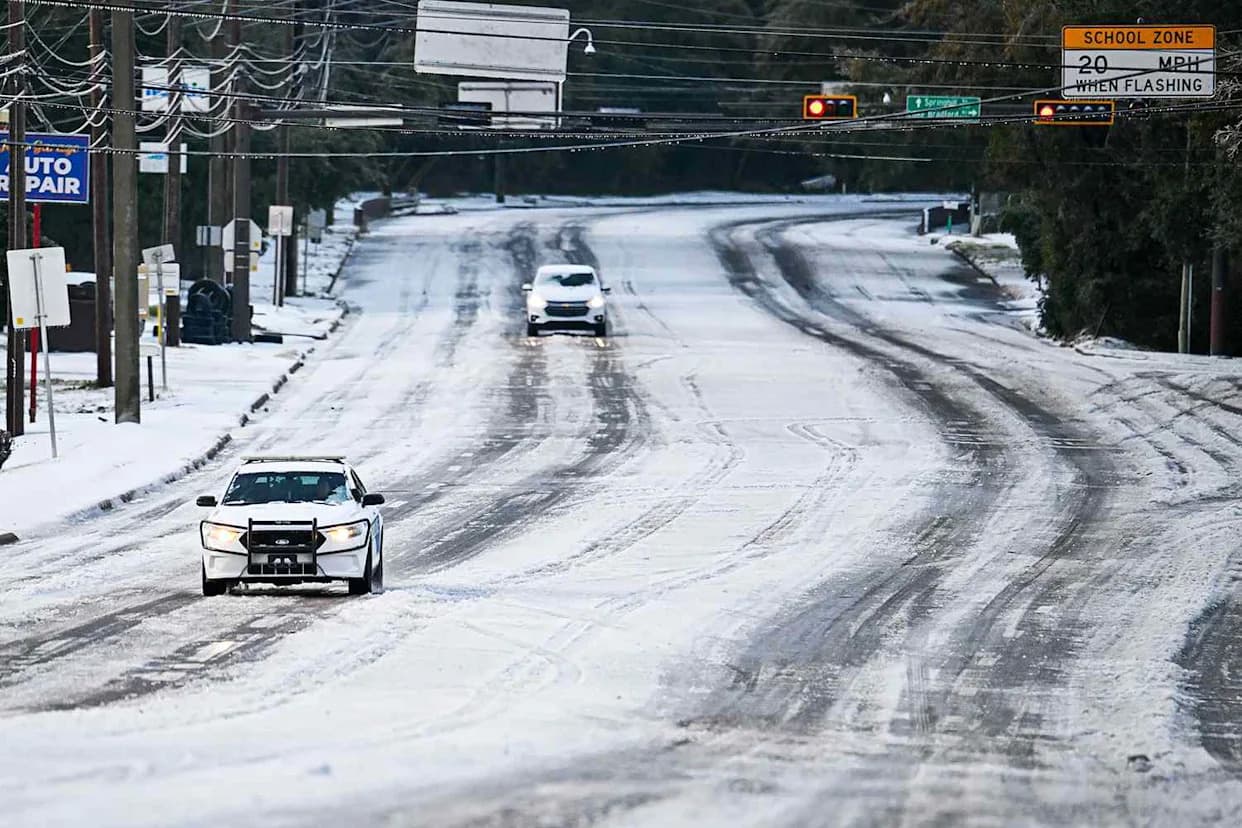
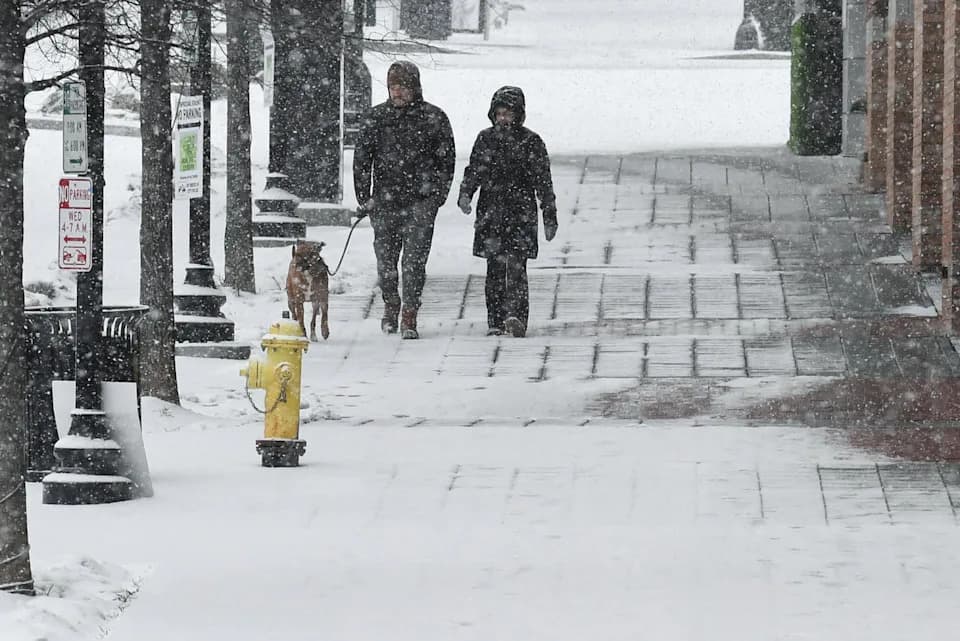
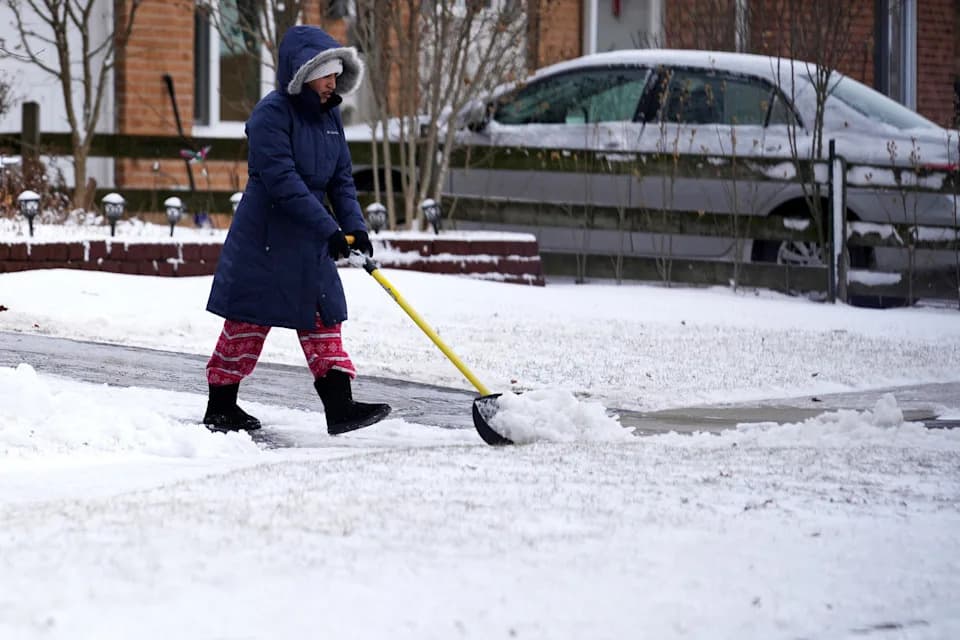
- Freeze warnings: The National Weather Service issued freeze warnings across most of the state through early Tuesday, and some communities reported rare snowfall.
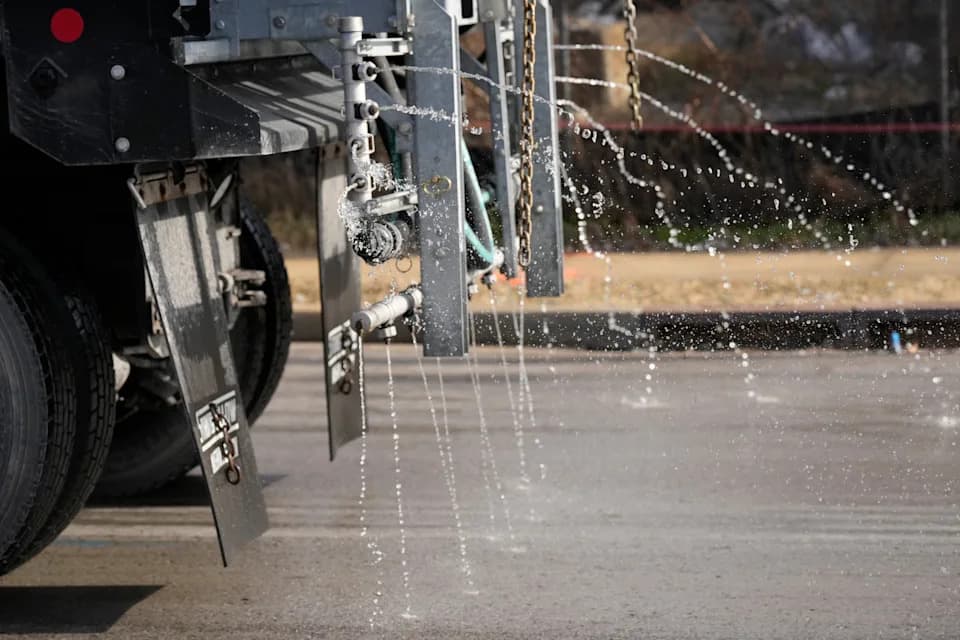
- Farmer tactics: Growers have employed continuous irrigation in some fields. As water freezes around plants it releases heat and forms a protective ice layer that can help reduce cell damage when applied carefully.
- Assessment timeline: Farmers and officials say full damage estimates will take days, since many crops must thaw before workers can evaluate losses.
What Crops Are Vulnerable?
Scientists note most plant tissue freezes near 28°F, but certain vegetables — including squash, tomatoes, eggplant and snap beans — can be damaged at about 30°F. Citrus trees have greater cold tolerance; if acclimated they can survive down to about 14°F and, if not acclimated, generally down to 24°F. Avocado trees go partly dormant around 50°F; Hass varieties may survive down to about 25°F but can suffer damage if exposure is prolonged.
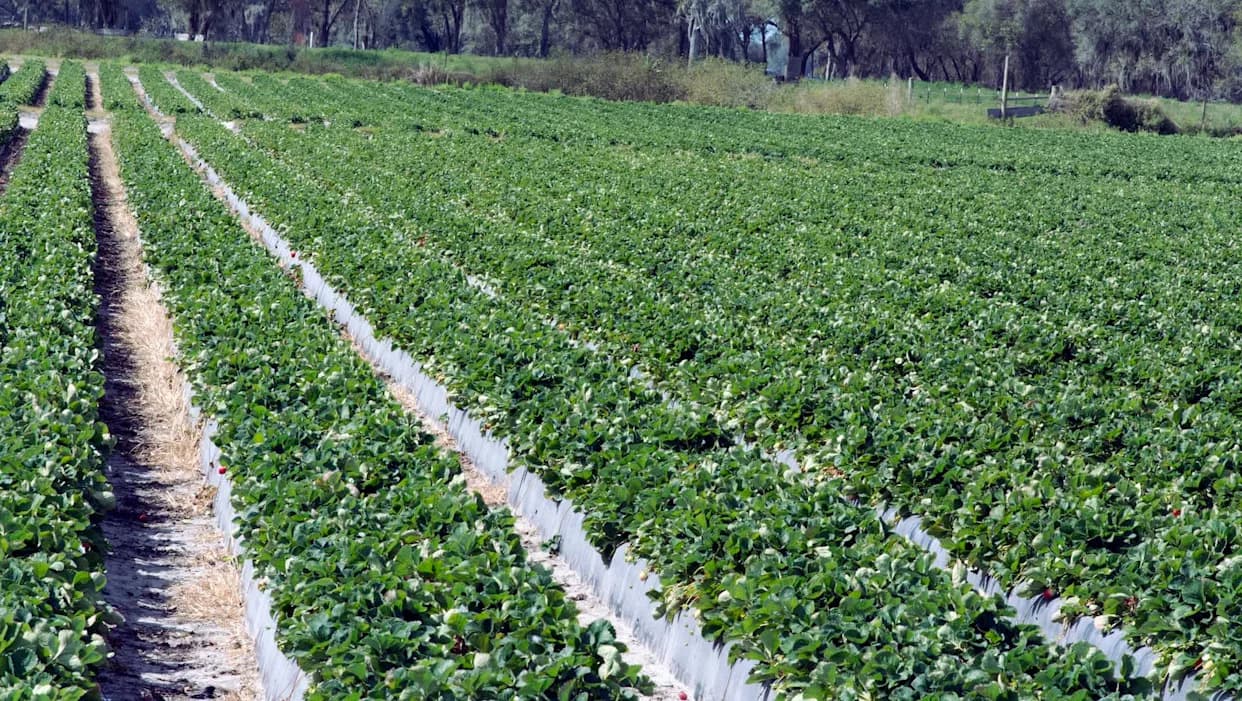
Growers such as Southern Hill Farms posted video of ice-coated fields and described the continuous irrigation method as a delicate, round-the-clock effort that requires constant monitoring.
Broader Context
Meteorologists warned that this freeze compounds losses from a separate, costly winter storm that struck parts of the U.S. from Jan. 23–25, an event that produced subzero temperatures, ice and snow, caused major outages, and is estimated to have cost roughly $105 billion.
Officials emphasize that recovery and damage estimates will evolve over the coming days and weeks as thawing progresses, inspections continue and federal assistance is considered.
Help us improve.