Earth produces a subtle microseism every ~26 seconds that was first noticed in the early 1960s. The signal has been traced to the Bight of Bonny in the Gulf of Guinea, but its cause remains uncertain. Scientists favor either a resonant interaction between ocean waves and the continental shelf or a volcanic source near São Tomé. Because the pulse is harmless, it has attracted intermittent study, with quiet seismic periods (like the 2020 slowdown) providing valuable opportunities for analysis.
Earth’s Unexplained 26‑Second Pulse: What Scientists Know—and Don’t
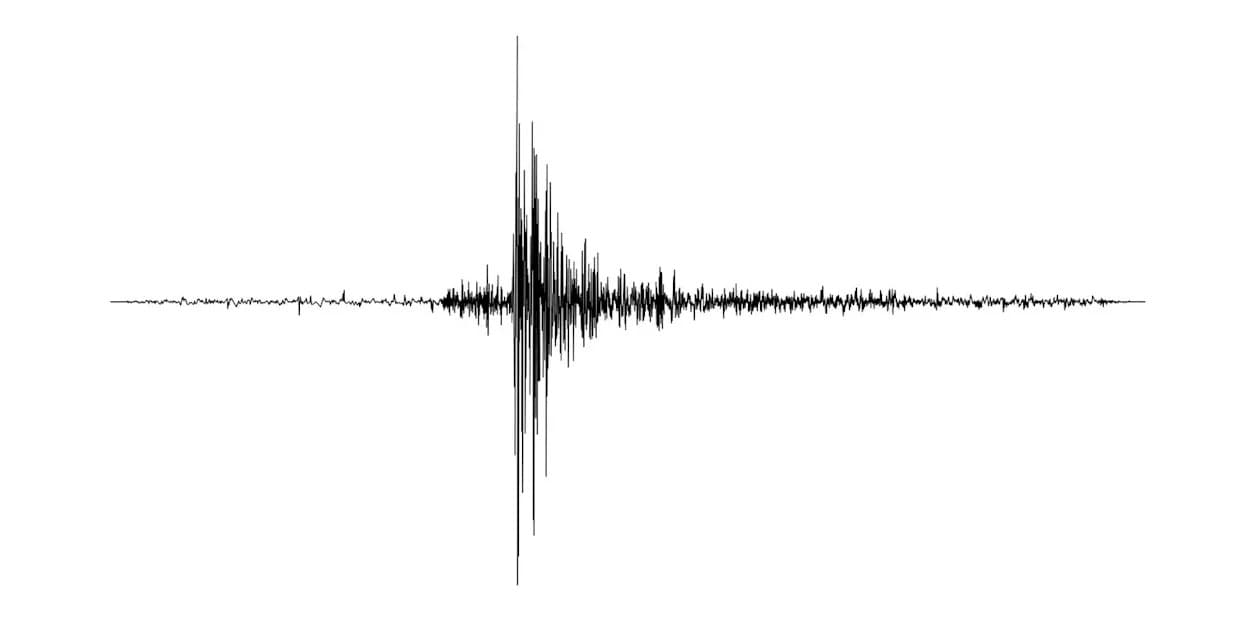
Why Does Earth Pulsate Every 26 Seconds?archivector
Earth emits a faint, regular seismic pulse every 26 seconds—a phenomenon seismologists call a microseism. The beat is extremely small and causes no damage, yet it has puzzled researchers for about six decades.
What the Signal Is
The pulse is a steady, repeating vibration detectable on sensitive seismometers around the world. First reported in the early 1960s by geologist Jack Oliver at Columbia University's Lamont‑Doherty Observatory, the signal long preceded the high‑precision instruments available today.
Where It Comes From
Modern analyses have traced the source to a region of the Gulf of Guinea known as the Bight of Bonny. Although the origin point is localized, the exact physical cause remains debated.
Leading Explanations
Scientists currently favor two plausible hypotheses:
- Resonant Continental‑Shelf Interaction: The geometry where a shallow continental shelf drops into deep ocean can act like a resonant "drum." Incoming ocean waves striking that irregular boundary could excite a harmonic at the observed ~26‑second period.
- Volcanic Microseism: The source lies close to the island of São Tomé, and volcanic processes can produce steady, narrowband seismic signals—similar signals have been documented at volcanic sites in Japan. A volcanic origin remains a viable alternative.
Why It’s Still Unresolved
The signal is harmless and relatively small, so it has not commanded large, sustained research resources compared with damaging earthquakes or immediate hazards. Researchers continue to monitor and model the pulse; opportunistic conditions—such as the unusually quiet seismic background during the 2020 pandemic slowdown—have helped detect and analyze weaker signals.
"A curious, repeating whisper from Earth that reminds us large mysteries can persist even in well‑studied systems."
While not urgent for public safety, the 26‑second pulse is scientifically interesting because it probes interactions among ocean waves, seafloor structure and possible volcanic activity—offering a small window into Earth’s ongoing, subtle dynamics.
Help us improve.