A new U.S. study finds the Mendocino Triple Junction off northern California is more complex underground than previously thought. By analyzing low-frequency earthquakes and tidal-response models, researchers uncovered hidden faults and fragments that make the junction behave like five moving pieces rather than three. The revised geometry — including a shallower subducting slab — helps explain the shallow 1992 7.2 quake and suggests earthquake models should be updated. The work is published in Science.
Hidden Faults Reshape Mendocino Triple Junction: Study Finds Five Moving Blocks Beneath Northern California
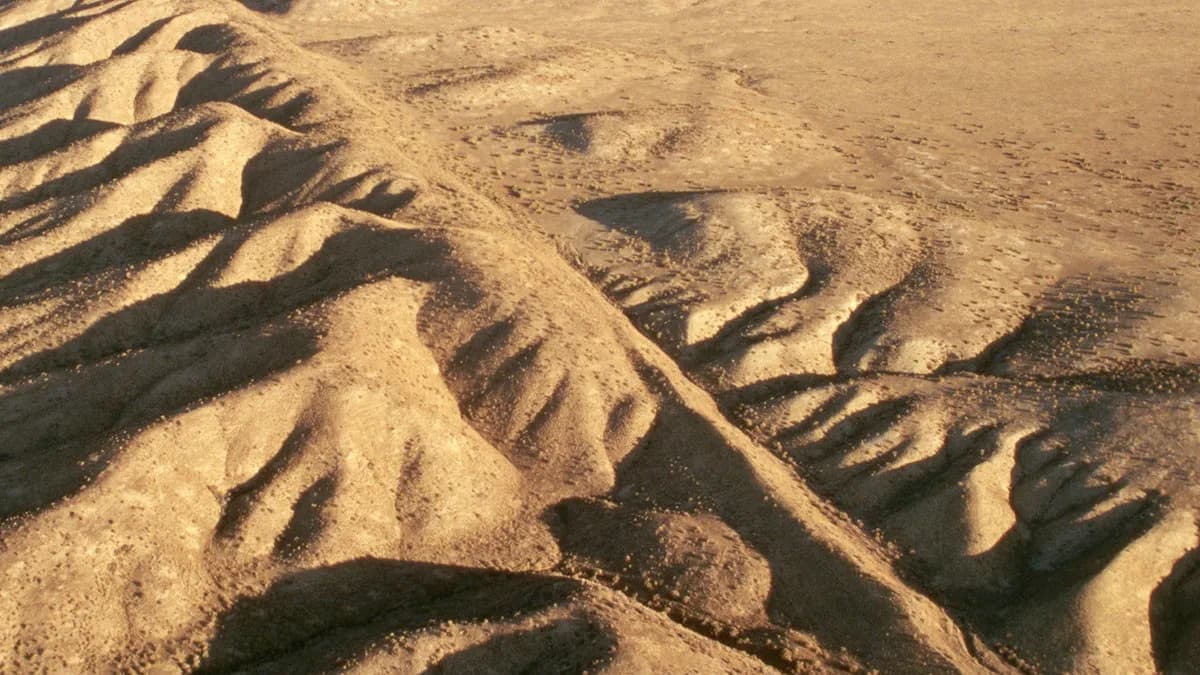
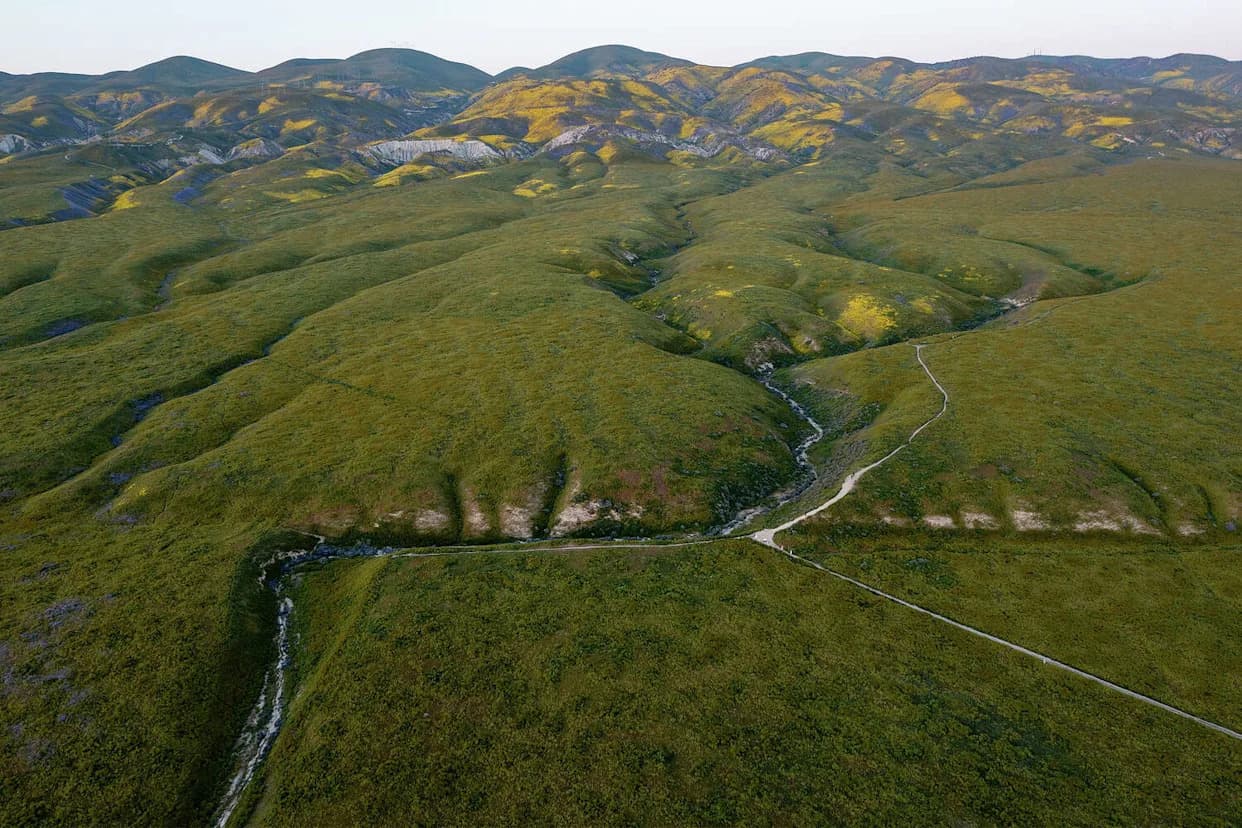
The San Andreas fault
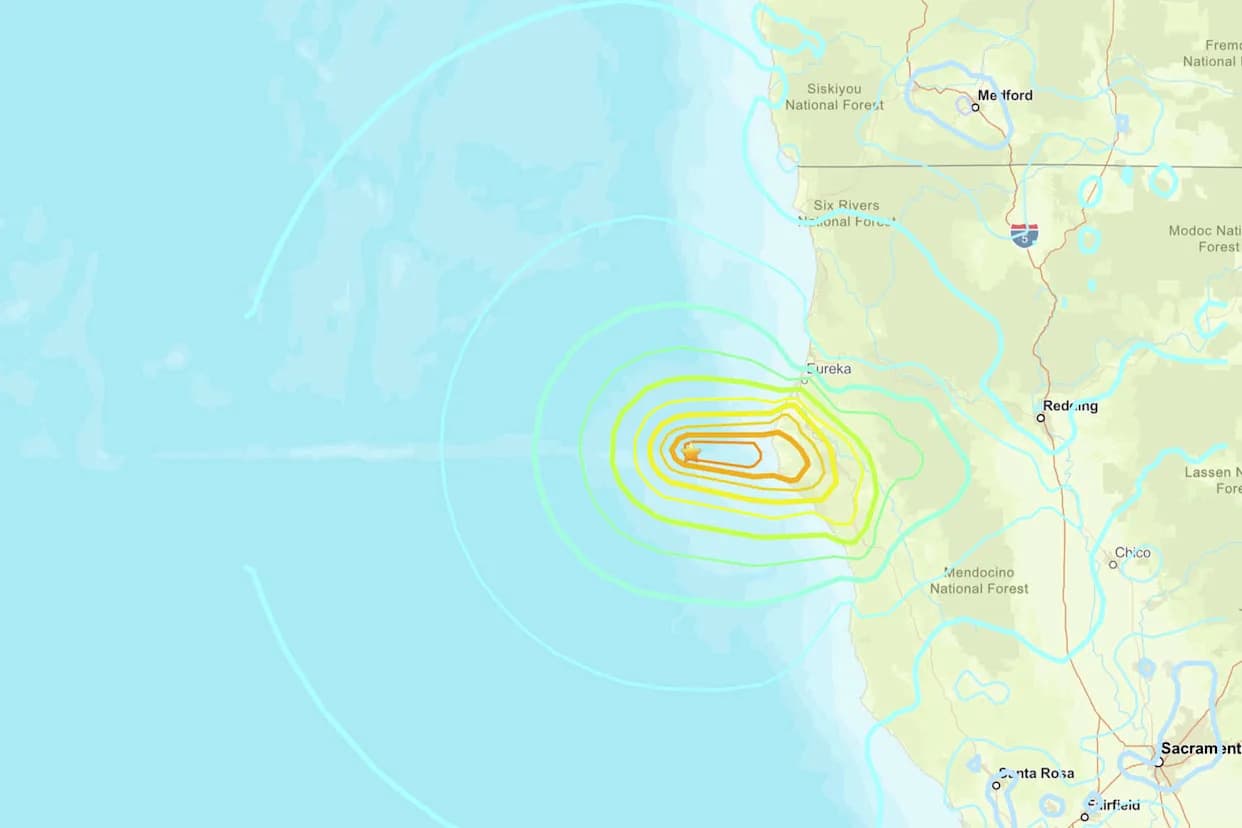
Three major tectonic plates meet at the Mendocino Triple Junction off the northern California coast, but new research shows the subsurface geometry there is far more complex than previous models assumed.
U.S. researchers reanalyzed recordings of small, low-frequency earthquakes captured by seismometers across the Pacific Northwest and cross-checked their interpretations with tidal-sensitivity models. That combination revealed previously undetected faults and fragments of crust that change how the junction functions.
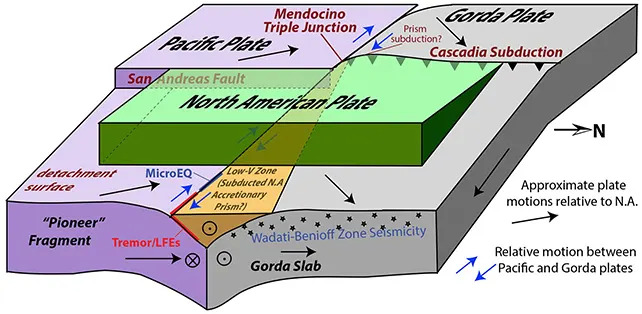
The updated model of the Mendocino triple junction. (Shelly et al.,Science, 2026)
The team concludes that the junction behaves not as three single, rigid plates but effectively as five distinct moving pieces. In particular, a portion of the North American Plate appears to have broken off and is being dragged down along with the Gorda Plate, and the study confirms the previously hypothesized Pioneer fragment — an older block being subducted beneath the North American Plate.
Crucially, the upper surface of the subducting slab is shallower than earlier models indicated. That revised geometry helps explain the shallow origin of a 7.2-magnitude earthquake in 1992 and shifts where scientists now place the local plate boundary.

Audition now for ScienceAlert's Casting Call
'You can see a bit at the surface, but you have to figure out what is the configuration underneath,' said seismologist David Shelly of the Geologic Hazards Center at the U.S. Geological Survey.
The researchers validated their seismic interpretations by modeling how daily tidal stresses should modulate the tiny, low-frequency seismic events. The tidal-sensitivity tests supported the identification of the hidden faults and fragments.
What This Means
Accurate mapping of plate boundaries and fault geometry is essential for reliable seismic-hazard forecasting. The study's revision to the Mendocino junction geometry has direct implications for earthquake models that feed hazard assessments for both the San Andreas Fault system and the Cascadia Subduction Zone.
'It had been assumed that faults follow the leading edge of the subducting slab, but this example deviates from that,' said tectonic geodesist Kathryn Materna of the University of Colorado Boulder. 'The plate boundary seems not to be where we thought it was.'
'If we don't understand the underlying tectonic processes, it's hard to predict the seismic hazard,' added geophysicist Amanda Thomas of the University of California, Davis.
The research has been published in the journal Science and provides detailed constraints that can help refine regional earthquake models and planning.
Help us improve.