This article highlights five unusual discoveries made in snowy environments: deadly strontium-90 canisters found in Georgia (2001), traces of interstellar iron-60 recovered from Antarctic snow (2019), ancient bacteria revived after ~32,000 years in Alaskan ice, red "blood snow" caused by Sanguina algae, and pervasive microplastics detected across Antarctic samples in 2025. Together they show how snow preserves both dangerous contaminants and surprising scientific clues about Earth and space.
Five Chilling Discoveries Hidden in Snow — From Deadly Radioactive Cans to Stardust
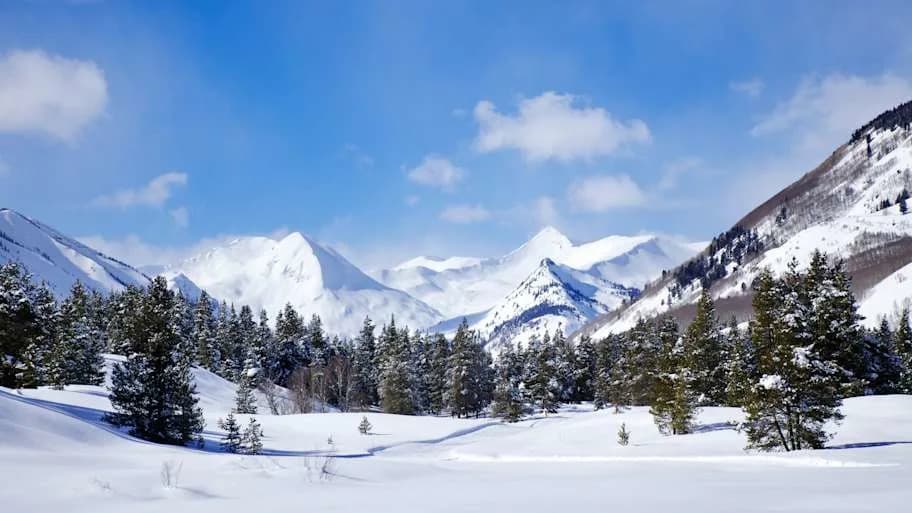
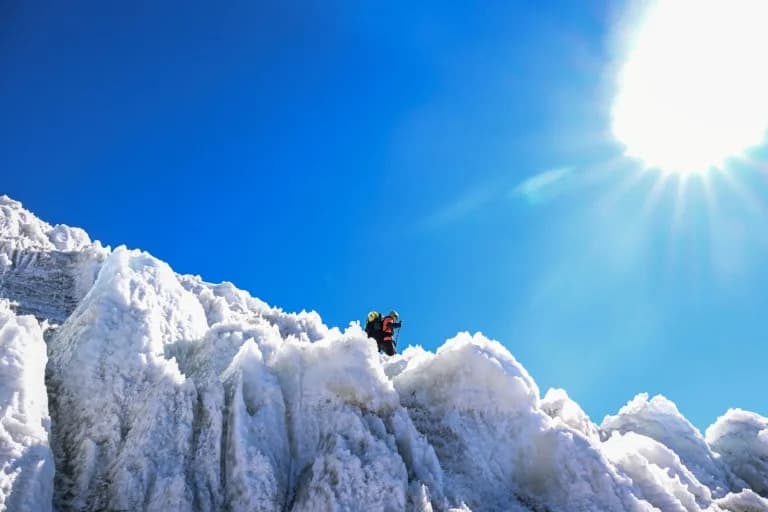
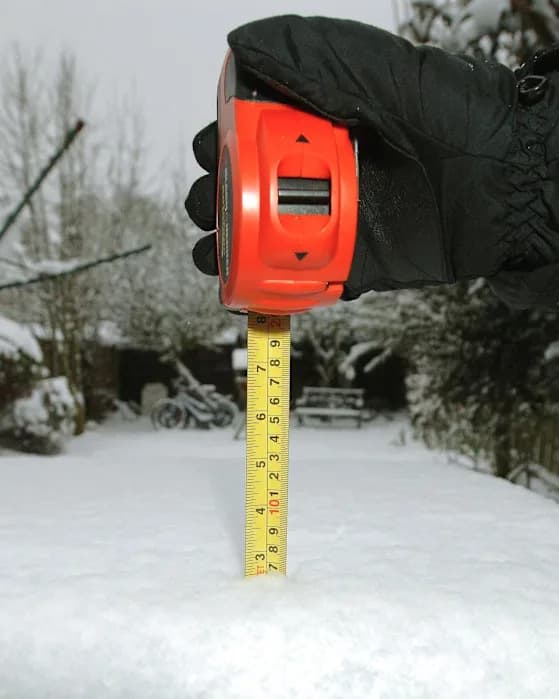
Snow landscape | beklaus/GettyImages
A fresh blanket of snow often looks pristine — and yet, beneath that white calm the world sometimes hides startling evidence of human folly, long-buried life, and even material from other stars. Here are five of the most surprising discoveries made in snowy places around the globe.
1. Hot Canisters of Strontium-90 — Georgia, 2001
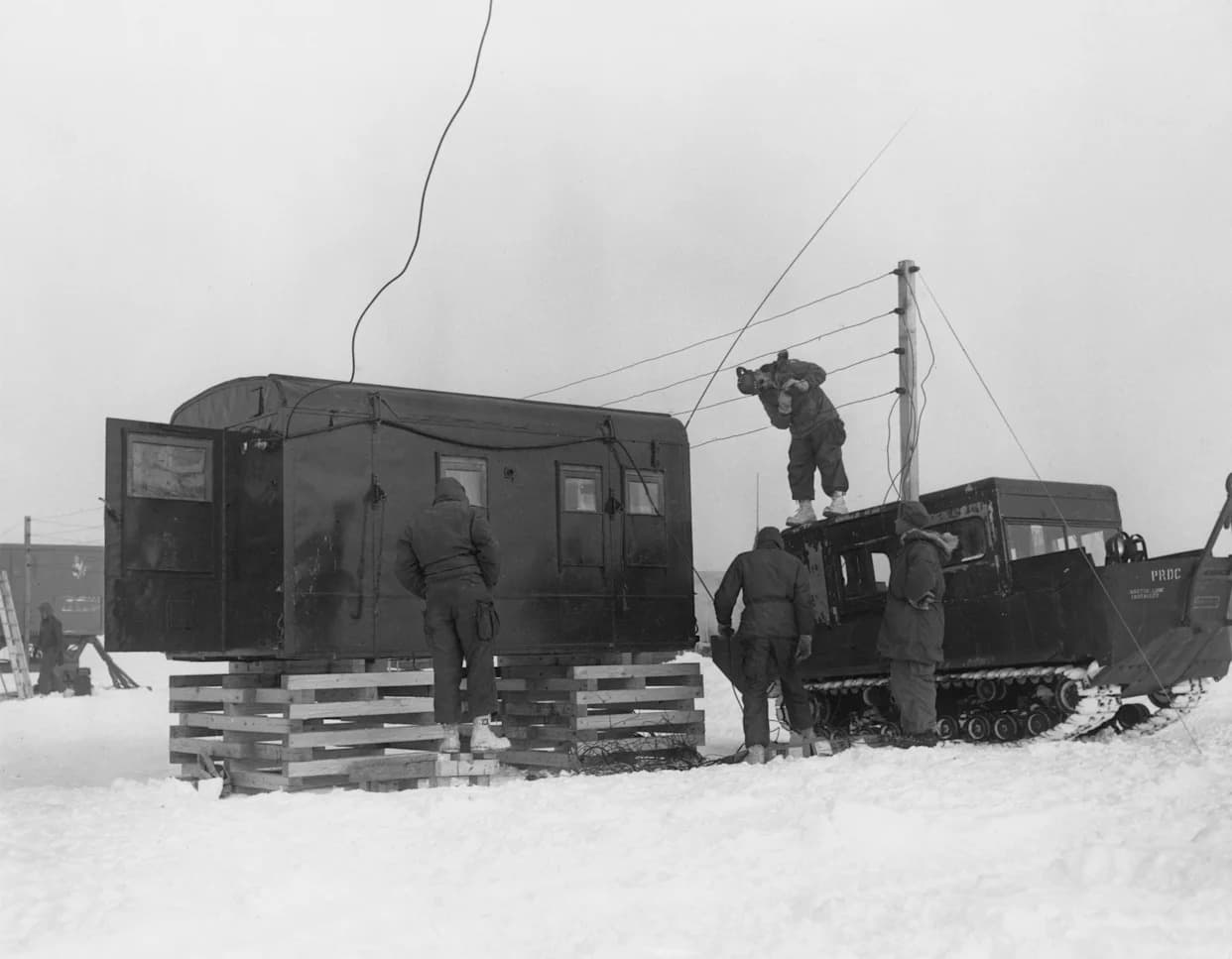
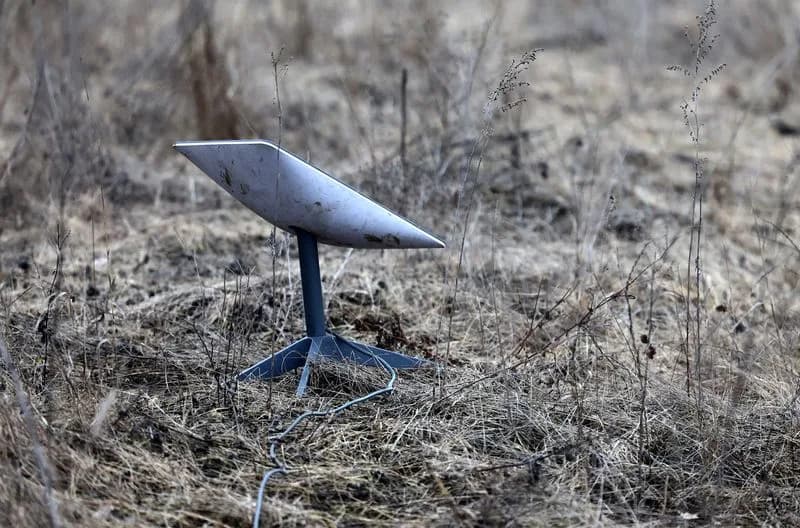
In December 2001 three men collecting firewood in the country of Georgia found two nearby patches of melted snow around metal cylinders. Each cylinder measured about 4 inches across (~10 cm) and weighed roughly 20 pounds (~9 kg). When one man lifted a cylinder it was so hot he dropped it; each emitted about 250 watts of heat (roughly one-sixth the output of a 1.5 kW space heater).
The men kept the canisters close to stay warm and drank vodka as they often do, then fell ill with symptoms far beyond ordinary intoxication. Over the next three weeks all three developed rashes, slurred speech and other signs of radiation sickness; one was hospitalized for months, another for more than a year, and a third ultimately died. Doctors traced the cause to strontium-90 — radioactive material that had been used inside radioisotope thermoelectric generator (RTG) canisters intended for Soviet-era radio relays. After the Soviet Union collapsed, some of those components were lost or abandoned and later turned into dangerous, disguised heat sources.
2. Stardust: Iron-60 in Antarctic Snow — 2019
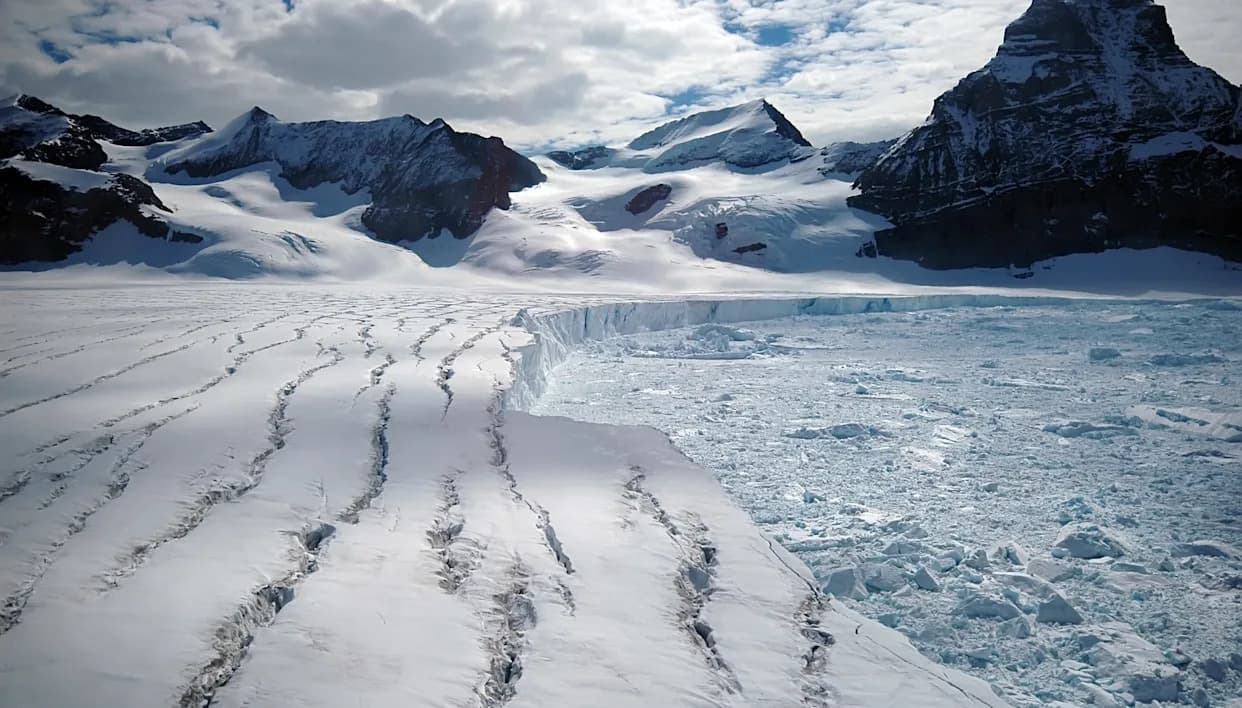
Scientists analyzing Antarctic snow in 2019 found traces of the radioactive isotope iron-60. Iron-60 cannot be produced naturally on present-day Earth (any primordial iron-60 would have decayed long ago), and the isotope ratios ruled out a local solar-system origin. Researchers also found that manganese-53 — an isotope that would accompany a solar-system source — did not appear in the expected ratios. The only plausible explanation: the iron-60 arrived here from interstellar space, almost certainly forged in a supernova and delivered as interstellar dust. While tons of interstellar particles fall to Earth each year, this was a rare fresh recovery of an isotope with an extrasolar origin.
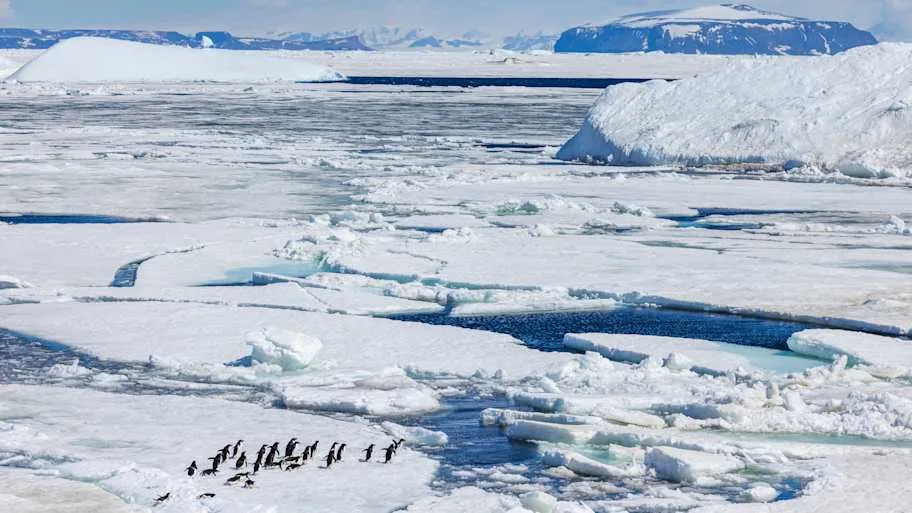
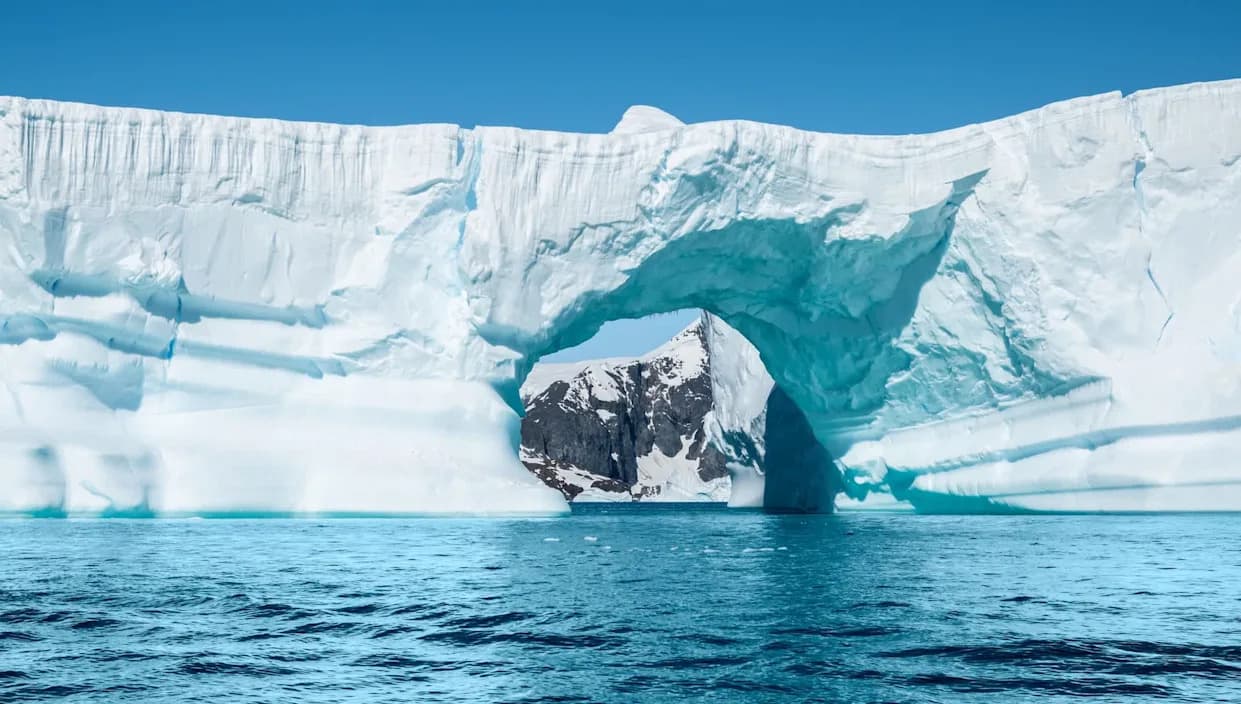
Adlie penguins (Pygoscelis adeliae) on the sea ice. | Andrew Peacock/GettyImages
3. Ancient Bacteria Reawakened — Alaska, 2005
Researchers studying extremophiles in a set of Alaska pipeline tunnels found more than a mammoth tusk: ice samples contained living bacteria seemingly frozen for about 32,000 years. The newly described species, named Carnobacterium pleistocenium, revived when thawed and, surprisingly, performed better at room temperature than in cold conditions — an unexpected trait for organisms adapted to extreme cold. Although no additional samples of this species have been reported since, the find underscores a growing concern: as Arctic ice thaws from warming, ancient microbes locked in permafrost may re-enter modern ecosystems.
4. Blood Snow — Algae That Paint the White World Red
Reports of red-stained snow go back centuries. In locations such as the North Cascades (Washington) and parts of British Columbia, crimson patches nicknamed "blood snow" or whimsical "watermelon snow" appear during algal blooms. Unlike the rusty, iron-oxide–colored "Blood Falls" in Antarctica, blood snow gets its hue from organic pigments produced by algae of the genus Sanguina. The phenomenon is visually striking but not generally harmful — some people say it tastes faintly like watermelon — and it serves as a reminder that snow hosts countless microbes whose blooms can dramatically change a landscape.
5. Microplastics Found Across Remote Antarctic Snow — 2025
In 2025 researchers tested snow across three Antarctic regions (including sites on the northern continent and at the South Pole) and, even at locations distant from human camps, found microplastics in every sample. The health effects of microplastic exposure remain under investigation, but the discovery is a stark indicator of how globally pervasive plastic pollution has become, reaching even the most remote icy places on Earth. The finding also echoes earlier global pollution surprises — for example, elevated lead levels in mid-20th-century snow that helped spur the phase-out of leaded gasoline.
Why These Finds Matter
Snow is an excellent archive: it preserves contaminants, biological material, and even dust from distant stars. These discoveries highlight three broad lessons — human-made hazards can persist in surprising ways, climate change is reintroducing ancient material into modern ecosystems, and Earth continues to receive information from beyond our solar system. Together they argue for careful monitoring of frozen places, better safeguards for hazardous materials, and urgent action to reduce pollution and limit warming.
This article was originally published on Mental Floss as "5 Chilling Discoveries Found in the Snow From Around the World." The version above has been edited and updated for clarity and context.
Help us improve.