Anthony Enriquez argues that longstanding gaps in U.S. immigration law have enabled the Trump administration to expand mass detention, weaken oversight and enrich private detention companies. Detention has surged — nearly 70,000 people in ICE custody by early January, up from roughly 39,000 a year earlier, with about 90% held in private facilities. The author calls for congressional and state reforms: limit warrantless arrests, end funding for large privatized centers, restore independent oversight, and reinvest in proven alternatives such as case management.
How Trump Exposed Deep Flaws in U.S. Immigration Law — And Why Reform Matters

It would be reassuring to believe that the current abuses in U.S. immigration enforcement are merely the product of one leader’s authoritarian instincts. That view is wrong and dangerous.
President Trump did not create the legal framework now driving mass detention and sweeping arrests. Like several presidents before him, he is exploiting long-standing vulnerabilities in federal immigration statutes that Congress has repeatedly refused to fix. Unless lawmakers act, the next administration will inherit the same instruments of abuse.
What has changed — and why it matters:
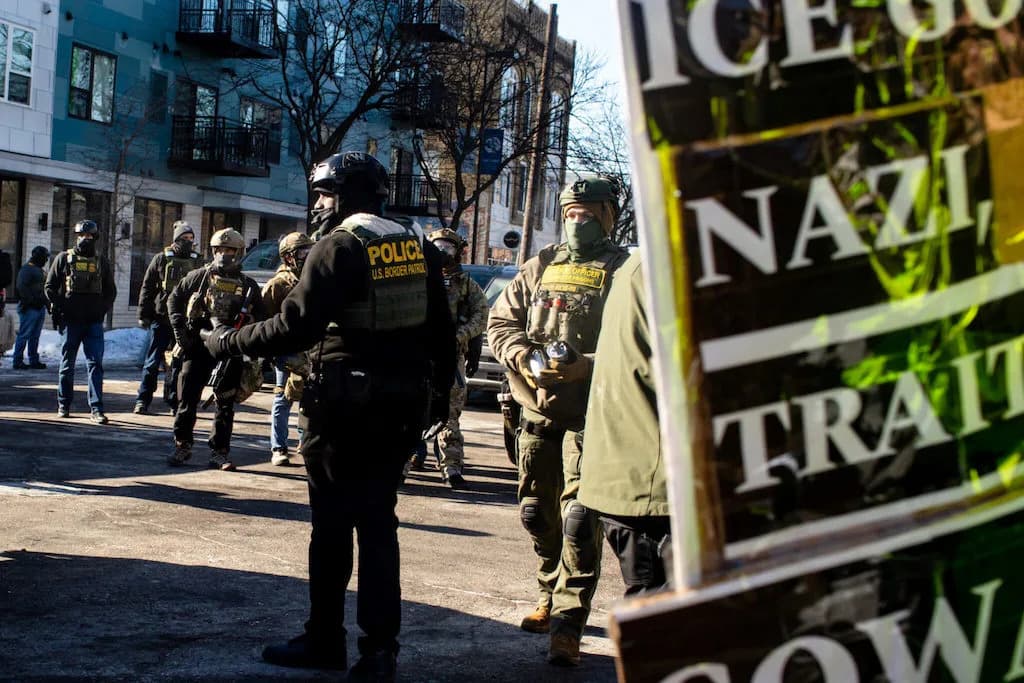
Just over one year into Trump’s second term, his immigration agenda has deployed masked, armed agents in U.S. cities, eroded constitutional protections, and funneled billions of taxpayer dollars into a privatized detention industry. That industry has reported its highest annual death toll in two decades. What makes this moment especially alarming is how readily these policies have been implemented under existing law.
Detention by the numbers. Immigration attorneys report a sharp surge in people swept into custody since Trump's inauguration — including children with humanitarian protections, longtime residents with deep community ties, and people with serious medical conditions. By early January, nearly 70,000 people were in ICE custody, up from roughly 39,000 a year earlier. Approximately 90% of detainees are housed in privately run facilities.
To fill beds, the administration relies on an aggressive reading of a 1996 law that established mandatory detention. Under this interpretation, people who have lived in the United States for years can be held without the immediate opportunity to seek release before a judge — regardless of family ties or health vulnerabilities.
Private profit, public cost. Days after Congress approved a reported $28 billion allocation that included ICE funding, private prison companies such as GEO Group and CoreCivic announced executive pay increases. For three decades, these companies have built a business model that profits from taxpayer funding through understaffing, overcrowding and cutting corners on food, medical care and basic safety.
At the same time, the administration ended the Case Management Pilot Program — a proven, low-cost alternative to detention that combined case management, legal support and social services and achieved a near-perfect compliance rate for immigration-court appearances. Its termination highlights who benefits from the current system.
Violence, deaths and weak oversight. Since the start of Trump’s second term, immigration officers have been linked to at least 20 shootings, producing multiple injuries and fatalities. Those figures do not capture the daily harms inside detention centers, where medical indifference and unsafe conditions contributed to the highest number of ICE-custody deaths in over 20 years.
These outcomes are the foreseeable result of outdated immigration statutes that vest armed federal officers with sweeping arrest powers, limited oversight and little accountability when operations go wrong.
Safeguards dismantled. When Congress created the Department of Homeland Security, it required oversight offices — including the Office for Civil Rights and Civil Liberties and the Office of the Immigration Detention Ombudsman — to investigate misconduct and protect civil rights. For years these offices documented patterns of medical neglect, unsafe conditions and discrimination, but they lacked robust enforcement authority and structural independence.
Recently, leadership decisions at DHS significantly weakened these oversight functions by removing staff and curtailing investigations, undermining a critical check on abuse.
Indefinite detention and legal loopholes. Across the country, people who have been found eligible for protection against deportation are increasingly subject to prolonged or indefinite detention while the government seeks to remove them or persuade other countries to accept them. Advocates warn that legal loopholes are being exploited to detain torture survivors and other vulnerable people indefinitely, imposing heavy human and financial costs.
Why this threatens everyone. When law permits federal officers to arrest without warrants, detain people indefinitely, destroy property and use lethal force with limited accountability, basic civil liberties are weakened for everyone. Congress has delegated extraordinary policing power to immigration agencies without clear limits or meaningful oversight — a structure that can be abused by any administration willing to exploit it.
What should change. Legislative and policy reforms could reduce harm while protecting enforcement objectives. Congress should:
- Impose clear limits on warrantless arrests and require judicial review for prolonged detention;
- End or dramatically reform funding for large-scale privatized detention centers and reinvest in community-based alternatives such as case management programs;
- Restore and strengthen independent oversight offices with enforcement tools and protection from political interference;
- Require stronger medical, staffing and safety standards in all detention facilities and strengthen transparency and reporting.
State legislatures can also increase accountability by creating avenues for civil suits against federal officials who commit assault, unlawful arrest, property destruction or worse — subject, of course, to constitutional limits.
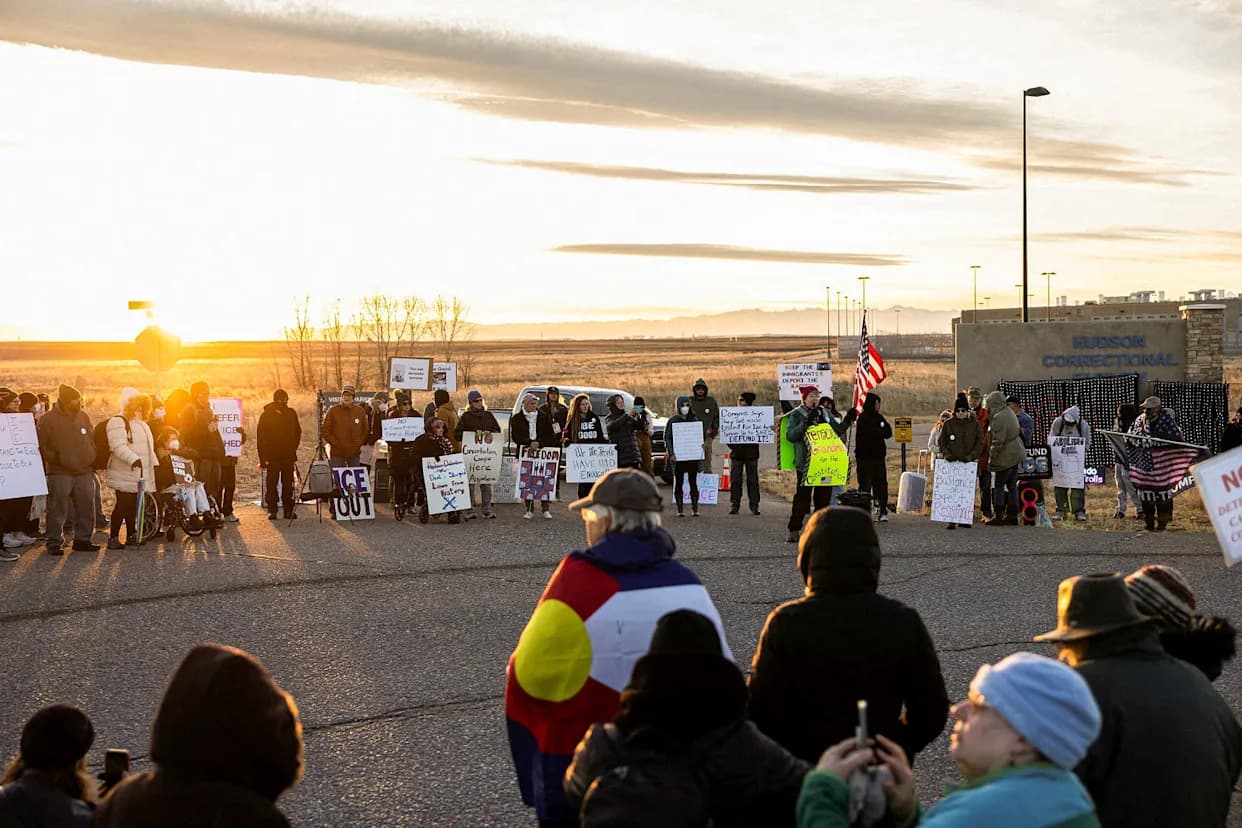
Call to action. Meaningful reform will not happen by accident. Citizens must press elected officials year-round, not only at the ballot box, and they must exercise their constitutional rights to peaceable assembly and public advocacy to demand humane, accountable immigration policy.
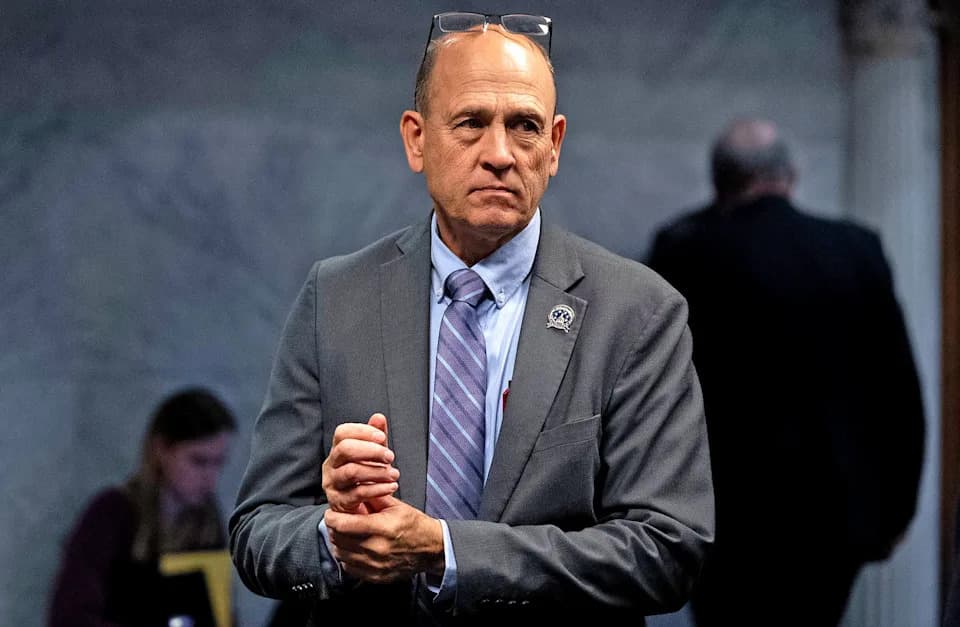
Anthony Enriquez is vice president of U.S. Advocacy and Litigation at the Robert & Ethel Kennedy Human Rights Center.
Copyright 2026 Nexstar Media, Inc. All rights reserved.
Help us improve.