Nepal’s March 5 election has attracted a wave of young candidates, many inspired by September’s Gen Z‑led anti‑corruption protests that left 77 dead and hundreds of buildings burned. Roughly 30% of the 3,406 direct candidates are under 40, and new parties and independents are fielding popular fresh faces such as Kishori Karki, Balendra Shah and Sudan Gurung. With 18.9 million eligible voters — including over 800,000 first‑timers — many Nepalis see the vote as a chance to challenge entrenched elites and reset national governance.
Nepal's Youth Surge Into Politics: New Faces Challenge The Old Guard Ahead Of March 5 Vote
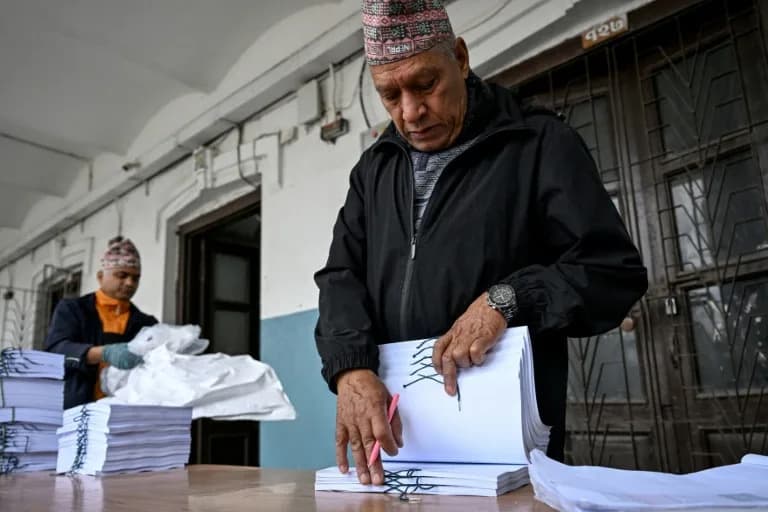
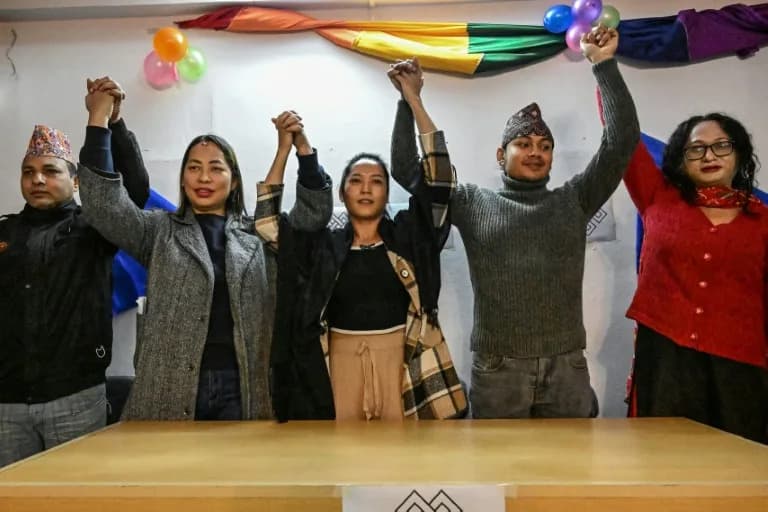
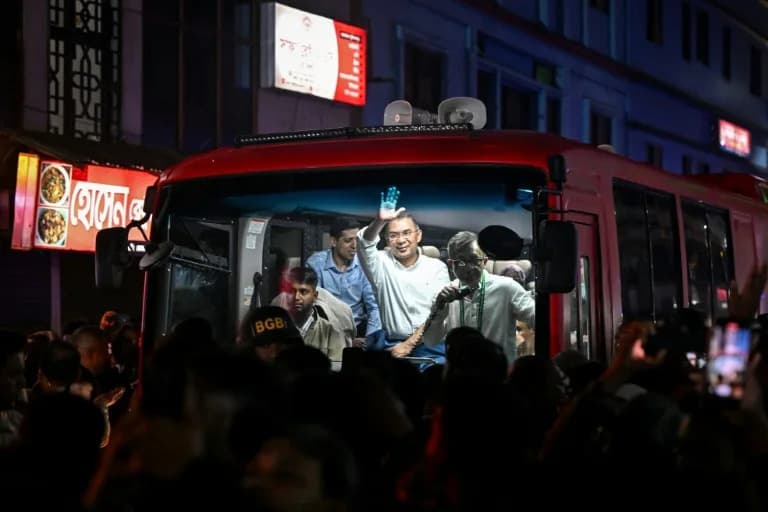
Several new parties and alliances have emerged in Nepal, with young candidates leading the charge in the upcoming election (Prakash MATHEMA)(Prakash MATHEMA/AFP/AFP)
Kishori Karki, 25, has been asking elders in her village for their blessings as she prepares to stand for office in Nepal’s landmark election on March 5. A recent law graduate from Okhaldhunga, Kishori is part of a wave of young candidates campaigning to fight corruption and put youth priorities front and center.
From Street Protests To Ballot Boxes
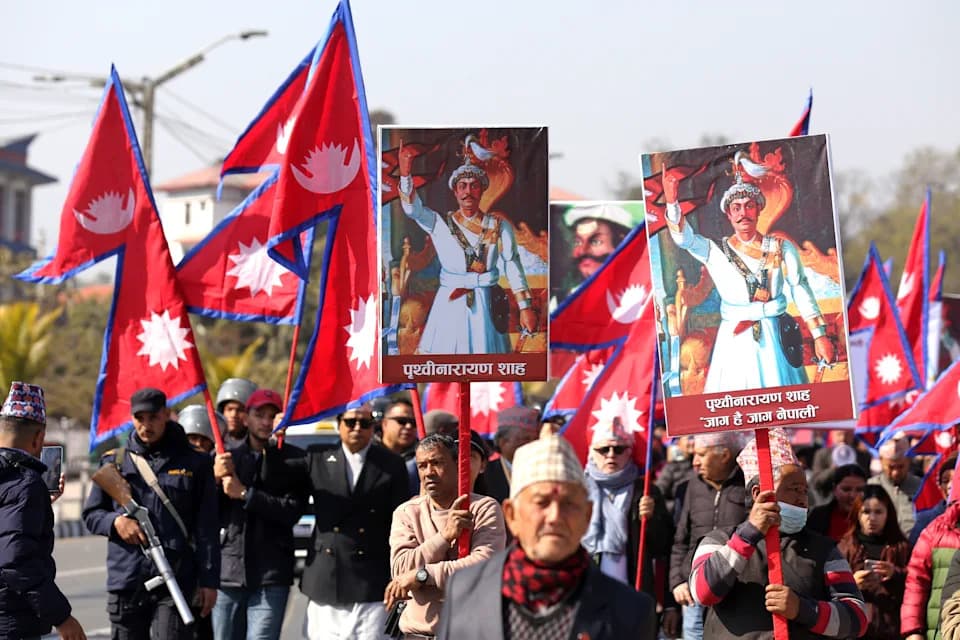
Kishori rose to national attention after videos circulated of her riding an injured protester to hospital during the deadly, youth‑led anti‑corruption demonstrations in September. Those two days of unrest — sparked by a brief government social media ban but rooted in long‑running economic stagnation and entrenched corruption — left 77 people dead, scores wounded and hundreds of buildings torched.
“Our demands and aspirations should not be sidelined,”
she told AFP in her hometown, explaining why she felt compelled to move from protest to politics.
New Parties, New Candidates
Kishori is running for the newly formed Ujyalo Nepal Party, led by former minister Kulman Ghising, who gained popularity by improving the country’s chronic power shortages. Former chief justice Sushila Karki (no relation) is serving as interim prime minister until the vote.
The contest for the 275‑seat House of Representatives will choose 165 members by direct vote and 110 by proportional representation. Election officials say 3,406 candidates have registered for direct seats, and roughly 30% are under 40 — a sign, officials and analysts say, that the protests opened space for fresh political entrants.
Notable Young Contenders
High-profile newcomers include rapper‑turned‑mayor Balendra Shah, who resigned his municipal post to join the Rastriya Swatantra Party (RSP) and is vying for national office, and Sudan Gurung, a key organiser of the September unrest, who is running for the RSP in Gorkha. In western Rukum, 28‑year‑old Sandeep Pun will challenge veteran Maoist leader Pushpa Kamal Dahal (Prachanda).
Many young hopefuls are also standing as independents or under newly formed parties and alliances, aiming to reconnect with disillusioned voters and break the cycle of short‑term coalitions and ageing leadership.
Why This Vote Matters
Nepal’s modern political era has been shaped by a decade‑long civil war, a 2008 peace deal that brought former insurgents into politics, and repeated government turnover. For many voters — including more than 800,000 first‑time electors among some 18.9 million eligible voters — this election is seen as a chance to reset governance and reward new leaders who emerged from the streets.
“If educated youth like us stand back, then the same old parties will play the same game,” Kishori said, capturing the determination driving a generation from protest into the ballot box.
Help us improve.