Over the past 20 years Thailand has experienced two military coups, mass street protests and judicial interventions that have toppled five prime ministers. Populist policies under Thaksin Shinawatra produced repeated electoral successes, while royalist opposition and military-backed institutions have repeatedly disrupted civilian rule. The rise and legal suppression of progressive parties, frequent dissolutions of parties and rapid leadership changes have culminated in a new election scheduled for Feb. 8, 2026.
Thailand’s Tumultuous Two Decades: Coups, Courts and Mass Protests Ahead of Feb. 8, 2026 Election
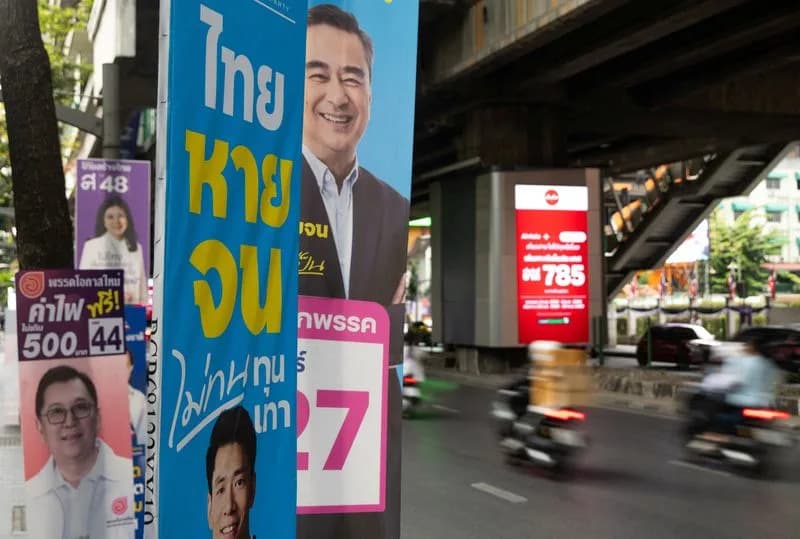
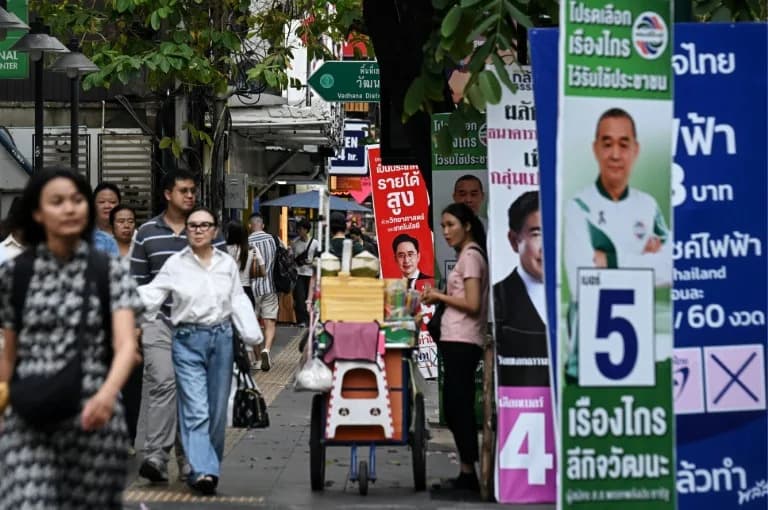
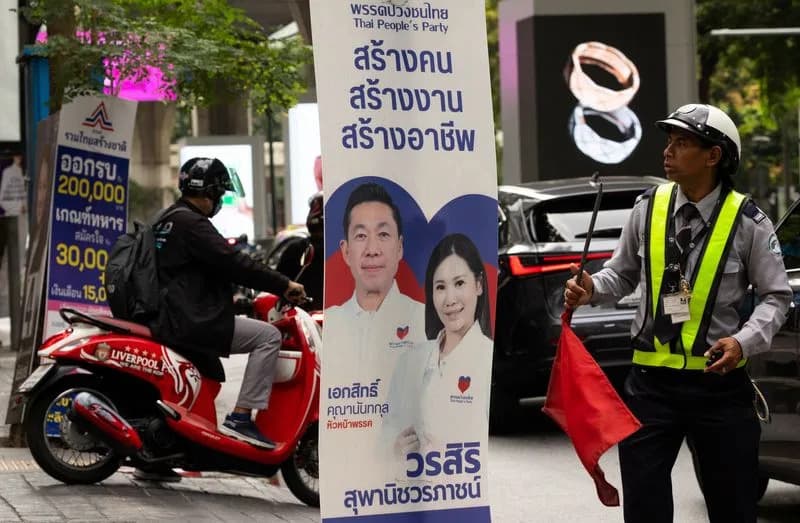
People ride scooters by electoral campaign posters, before Thailand general elections on February 8, in Bangkok, Thailand, February 4, 2026. REUTERS/Maxim Shemetov
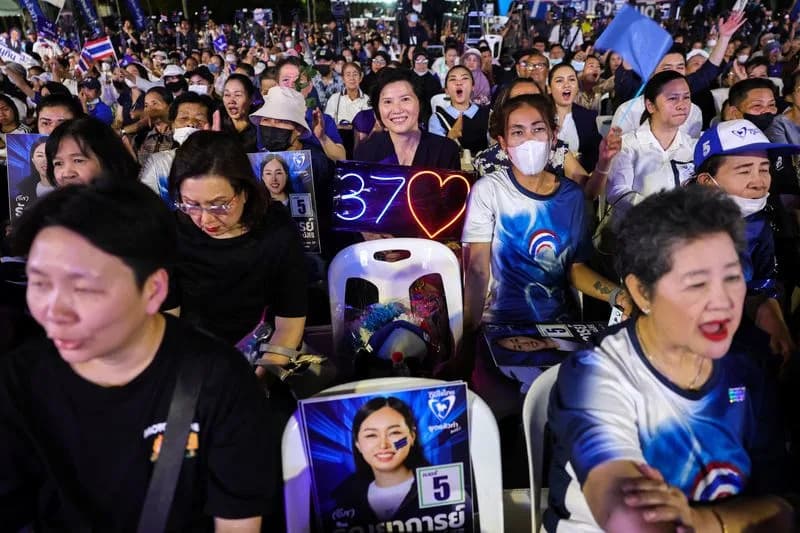
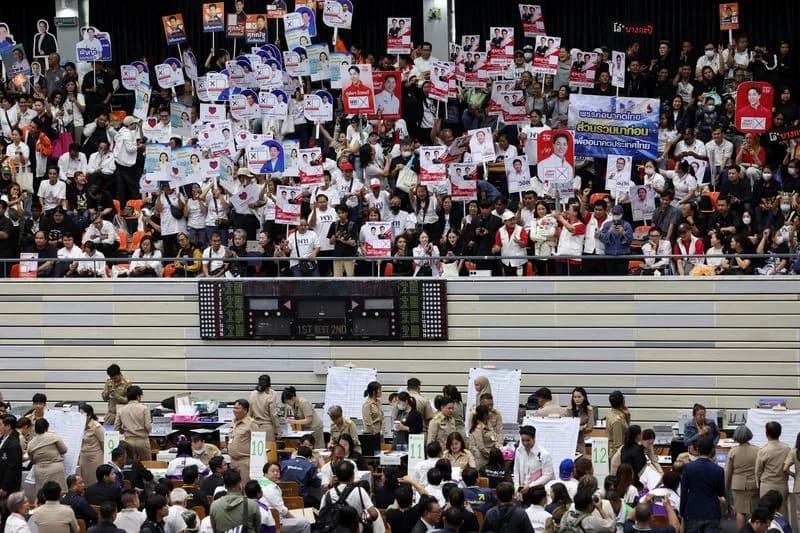
BANGKOK — Over the past 20 years Thailand's politics have been defined by two military coups, repeated mass demonstrations and repeated court rulings that removed five prime ministers. The cycle of populist electoral victories, royalist opposition, judicial interventions and military influence has produced frequent government turnover and deep social divisions as the country heads into a national election on Feb. 8, 2026.
Timeline Of Key Events
2005 — The Thai Rak Thai party, led by billionaire Prime Minister Thaksin Shinawatra, won an unprecedented second term on the strength of populist policies such as subsidised healthcare, village loan programmes and farm subsidies.
2006 — Accusations of corruption, cronyism and abuse of power fueled mass demonstrations against Thaksin. Protesters wore yellow, the colour associated with the monarchy, and accused him of disloyalty; Thaksin denied wrongdoing. In September, while he was in New York, royalist elements of the military removed him from office. Thaksin later sought refuge in Britain.
2007 — A court dissolved Thaksin's Thai Rak Thai party. In a post-coup election a Shinawatra-backed successor, the People Power Party, won and Thaksin ally Samak Sundaravej became prime minister.
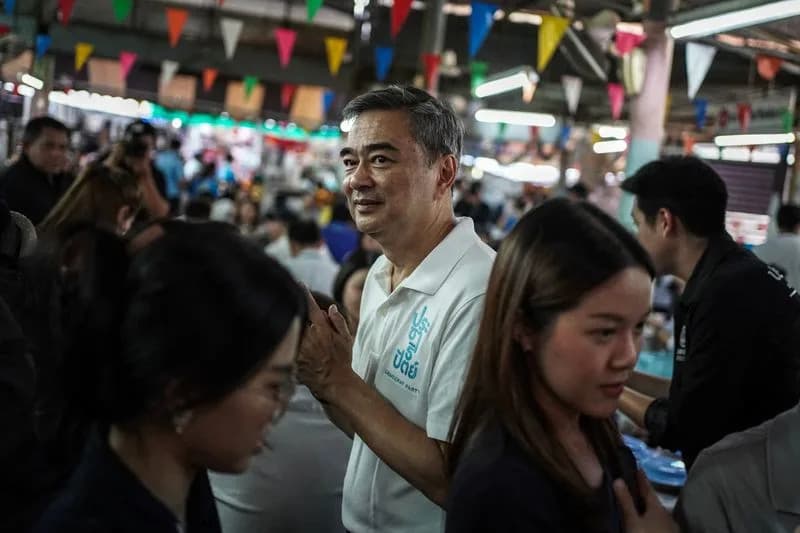
2008 — Samak was removed by a court for accepting payments related to a television cooking show. Parliament then elected Somchai Wongsawat, Thaksin's brother-in-law. Thaksin fled into self-imposed exile ahead of an October conviction over a land deal involving his wife. Later that year "Yellow Shirt" protesters occupied Bangkok's two main airports for 10 days; the Constitutional Court dissolved the People Power Party and Somchai was removed, paving the way for Abhisit Vejjajiva of the Democrat Party to become prime minister.
2009–2010 — Thaksin's supporters formed the "Red Shirt" movement and staged prolonged rallies against the Democrat-led government. Clashes resumed in 2010 and a military crackdown on the protests led to more than 90 deaths, marking the deadliest political violence in two decades.
2011 — The pro-Thaksin Pheu Thai party won a landslide election. Yingluck Shinawatra, Thaksin's sister, became prime minister.
2013–2014 — Months of anti-government protests followed an amnesty bill that could have enabled Thaksin's return. In 2014 Yingluck was removed by a court for abuse of power. In May the military declared the talks between government and protesters had failed and seized power; army chief Prayuth Chan-ocha led the junta and later became prime minister.
2017 — A military-drafted constitution was approved in a referendum, entrenching structures that preserved military influence, including appointed senators.
2019 — Elections returned Pheu Thai as the largest party, but an army-backed coalition led to Prayuth remaining prime minister with the Palang Pracharat party in government.
2020 — The Constitutional Court dissolved the progressive Future Forward party for campaign finance violations and banned its founder from politics. Student-led protests then emerged and, for the first time in large numbers, openly called for reform of the monarchy.
2023 — Move Forward, successor to Future Forward, won the most votes in elections but was blocked from forming a government by conservative lawmakers and military-appointed senators. Pheu Thai's Srettha Thavisin became prime minister in August with a coalition that included pro-military parties. Thaksin returned from 15 years in exile and began serving a jail sentence in a hospital facility the same day.
2024 — Thaksin was released on parole in February after six months. In August the Constitutional Court dissolved Move Forward over efforts to amend laws protecting the monarchy; a week later it removed Srettha for an ethics violation. Paetongtarn Shinawatra, Thaksin's daughter, became prime minister at 37 — Thailand's youngest leader.
2025 — In August the Constitutional Court ousted Paetongtarn for an ethics breach. Anutin Charnvirakul of the Bhumjaithai Party became prime minister. A court ruled Thaksin's hospital detention unlawful and ordered him to serve a one-year prison sentence. In December, after less than 100 days in office and facing a likely confidence defeat, Anutin dissolved parliament and called a new election for Feb. 8, 2026.
The past two decades of coups, court rulings, mass protests and shifting political alliances underline enduring fault lines in Thai society and the persistent influence of the military and judiciary over democratic processes.
Help us improve.