Bangladesh has begun official campaigning ahead of a February 12 general election — the first since the 2024 uprising that toppled Sheikh Hasina. Tens of thousands rallied for BNP leader Tarique Rahman in Sylhet, while Jamaat-e-Islami and allied student groups prepare major events in Dhaka. The vote for 350 seats comes amid security concerns, fears of widespread disinformation and a same-day referendum on political reforms led by caretaker chief adviser Muhammad Yunus. International observers say the outcome could reshape domestic politics and regional relations.
Bangladesh Opens Campaigning Ahead Of First Post-Hasina Elections — Tens Of Thousands Rally For Tarique Rahman
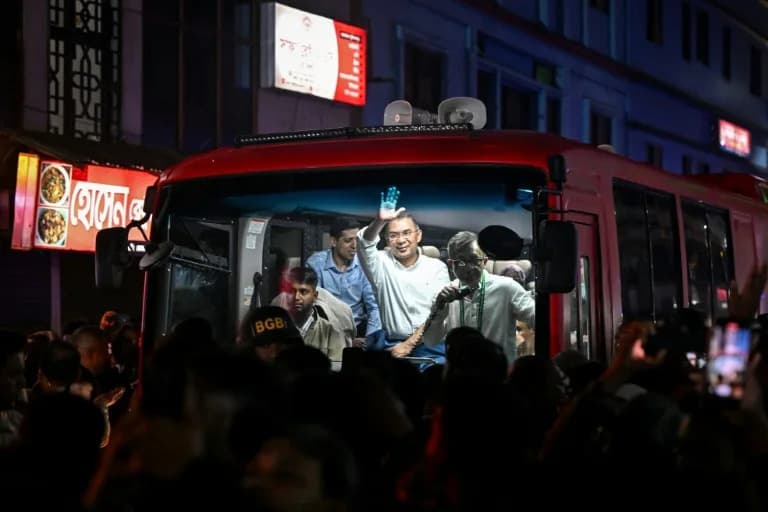
Bangladesh Nationalist Party chairman Tarique Rahman waves to supporters in Sylhet on January 21, 2026, as part of the official launch of his election campaign (Munir UZ ZAMAN)(Munir UZ ZAMAN/AFP/AFP)
Bangladesh officially opened its campaign season on Thursday ahead of a closely watched general election on February 12 — the first national vote since the 2024 uprising that ended the long-dominant rule of Sheikh Hasina.
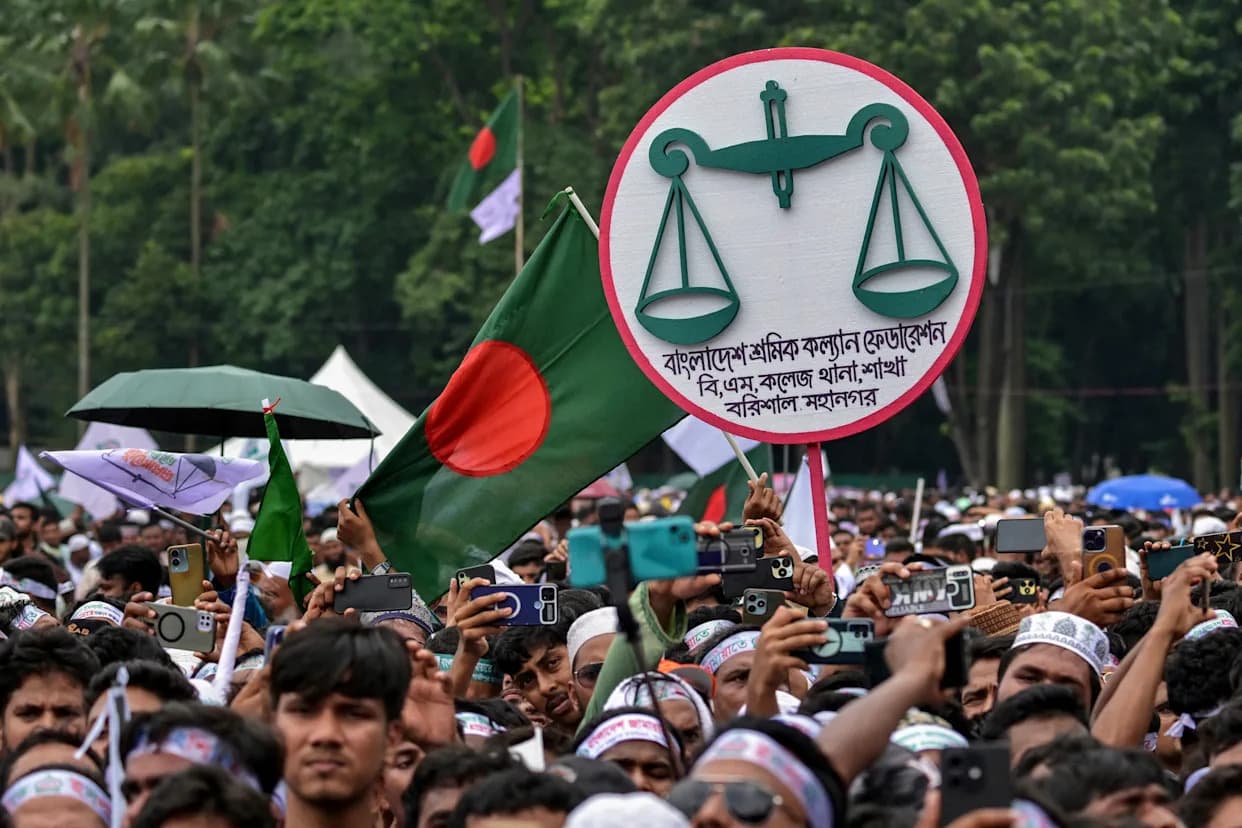
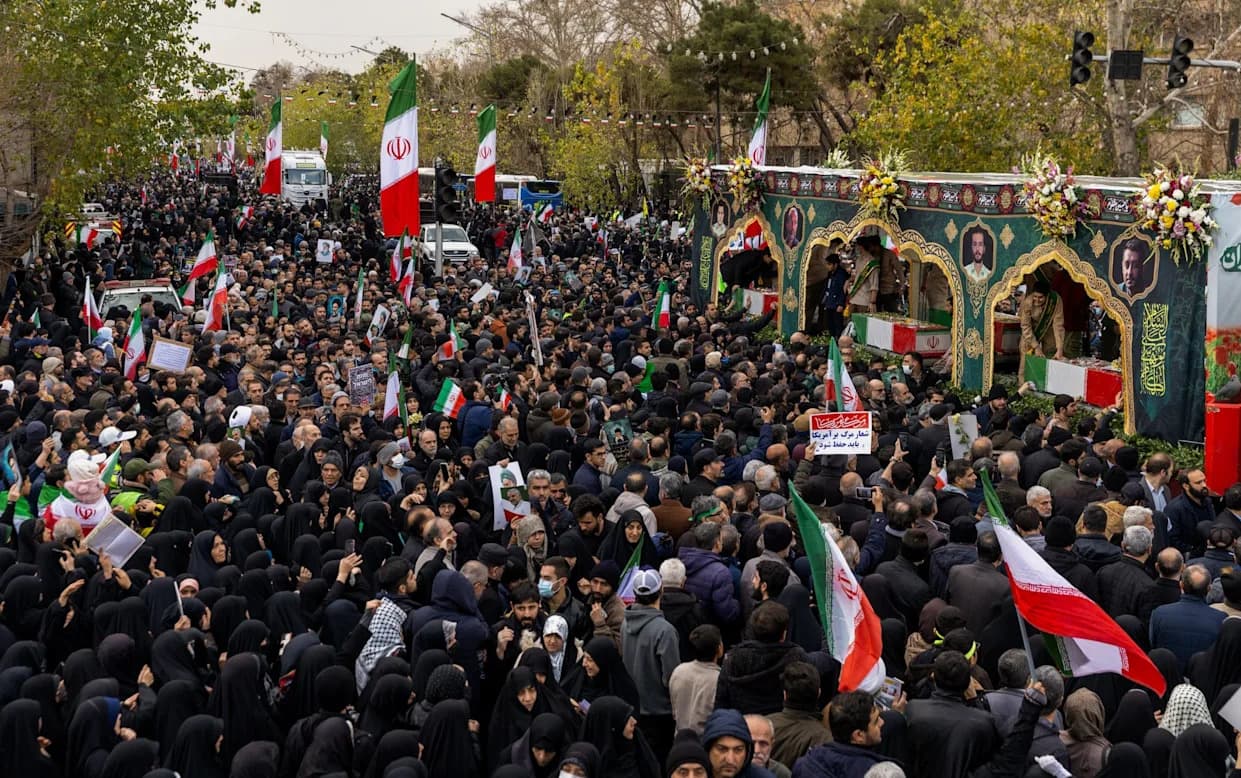
Tens of thousands of flag-waving supporters gathered in Sylhet to cheer leading opposition candidate Tarique Rahman of the Bangladesh Nationalist Party (BNP), who returned to the country in December after 17 years abroad. Supporters marched past the centuries-old shrine of Shah Jalal, a traditional launch site for political campaigns in the region.
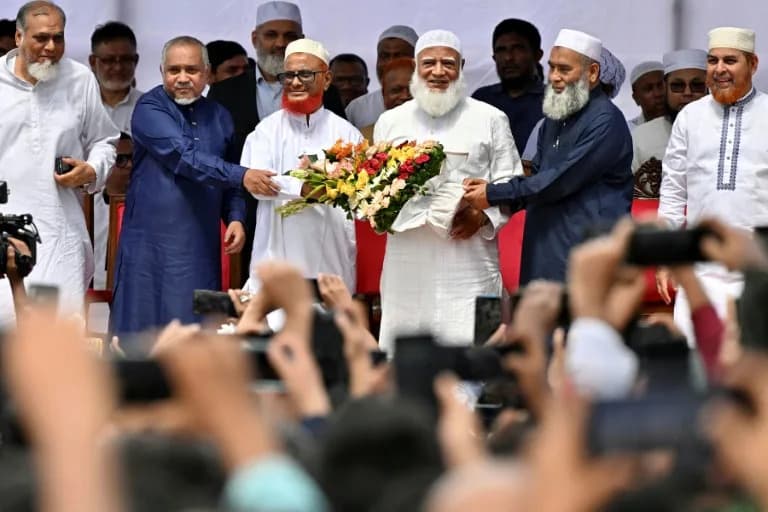
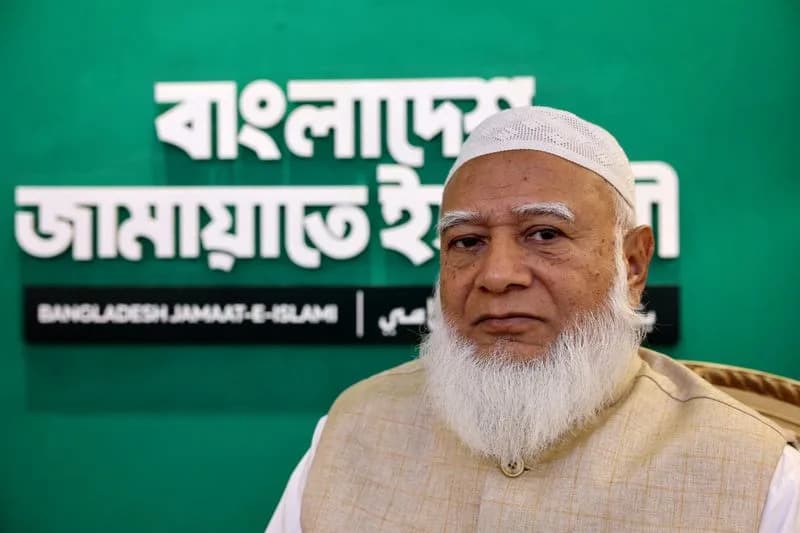
Jamaat-e-Islami, the country's largest Islamist party, is scheduled to begin its campaign in the capital, Dhaka, where it will hold a rally in the constituency of its leader, Shafiqur Rahman. The student-formed National Citizen Party (NCP), which helped lead the 2024 uprising and is allied with Jamaat, will also hold events in Dhaka.
Vote And Stakes
The South Asian nation of roughly 170 million people will vote on February 12 to fill 350 parliamentary seats. Observers say the election could install a new leadership after months of turmoil following the removal of Hasina's government and may reshape both domestic politics and regional dynamics.
Security And Information Risks
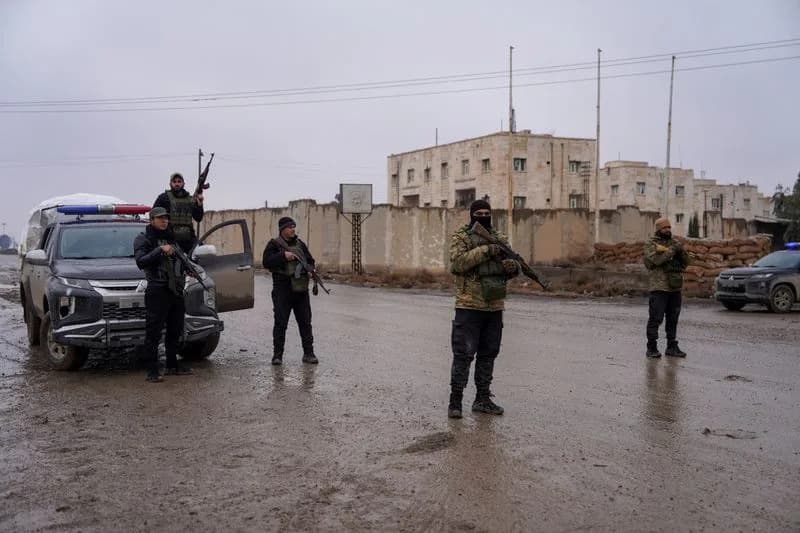
The campaign season opens amid security concerns, including the recent murder of a student leader involved in the anti-Hasina protests, and rising warnings about a potential "flood" of online disinformation. European Union election observers have described the vote as possibly the "biggest democratic process of 2026." Muhammad Yunus and other officials have publicly warned about the harms of widespread fake news on social media.
BNP Momentum
"Do we have a leader? Yes, we do,"
BNP supporters chanted in Sylhet as they held posters of Tarique Rahman. Rahman, 60, commonly known locally as Tarique Zia, assumed leadership of the BNP after the death in December of his mother, former prime minister Khaleda Zia. Supporters say he will carry forward his family's political legacy.
Islamist Parties And Political Realignment
Jamaat-e-Islami, ideologically aligned with elements of the Muslim Brotherhood and historically banned or constrained at times, is seeking to re-enter mainstream politics after years of crackdowns. Since Sheikh Hasina fled to India, several Islamist figures have been released from prison and Islamist groups have become more assertive in the political landscape.
"New Bangladesh" And The Referendum
Muhammad Yunus, the 85-year-old Nobel laureate who returned from exile in August 2024 at the request of protesters to serve as caretaker "chief adviser," is leading a reform charter intended to prevent a return to authoritarian rule. Yunus has urged voters to back a same-day referendum on those reforms, saying a "yes" vote will open the door to building a new Bangladesh.
Yunus has also voiced concerns about disinformation, warning that both foreign and local sources have circulated fake news and rumours that could undermine the electoral process.
Hasina's Whereabouts
Sheikh Hasina, 78, who fled to India amid the uprising, was in November sentenced to death in absentia on charges related to the crackdown on protesters during her last effort to remain in power. She is reported to be in hiding in India.
As campaigning intensifies across cities and rural constituencies, security measures and information integrity will be closely watched by voters, regional neighbors and international observers ahead of the February 12 vote.
Help us improve.