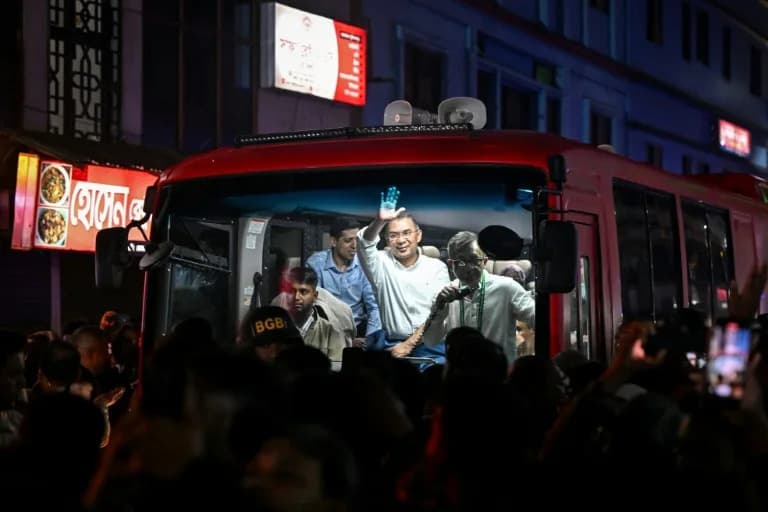
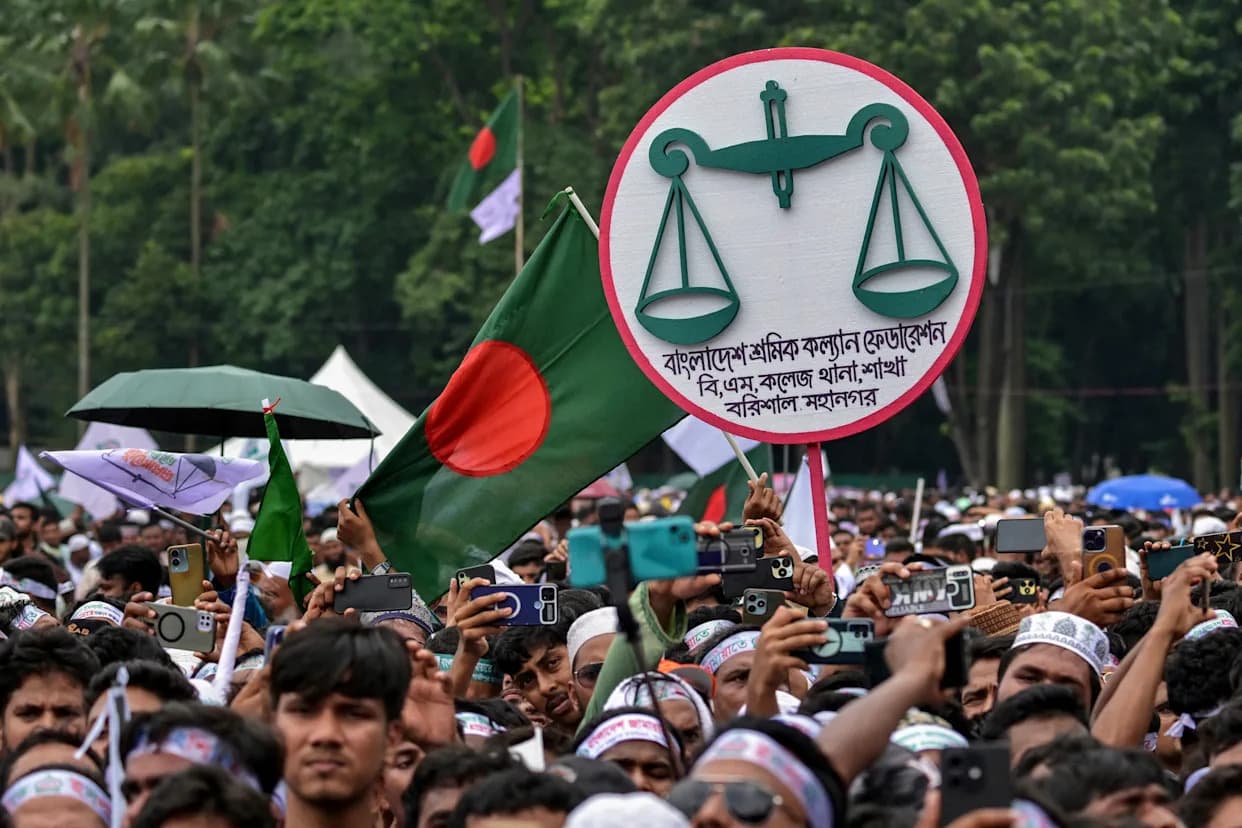
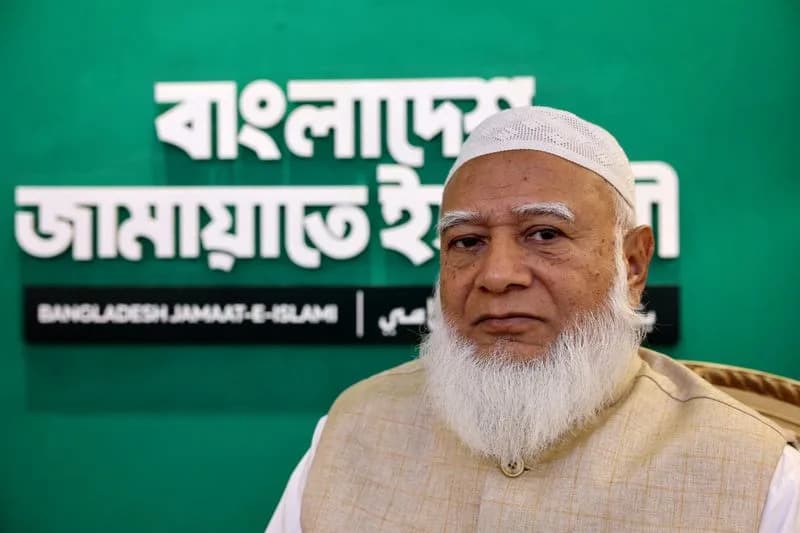
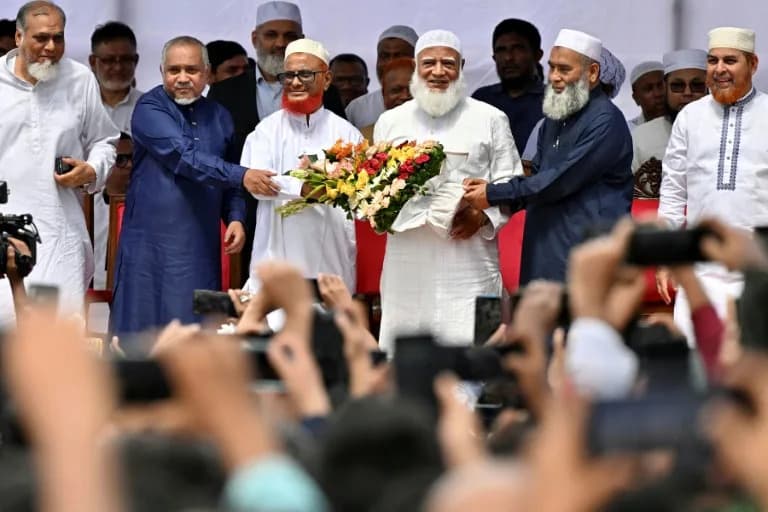
The 2024 youth-led uprising that helped remove Sheikh Hasina raised hopes for deep reform, but many young Bangladeshis say those hopes have dimmed as the election on February 12 approaches. With no strong new party to carry the protest agenda, the main contest looks set to be between the established BNP and the Islamist Jamaat. Despite disappointment with the interim government and alliance choices, Gen‑Z remains highly motivated to vote and some activists continue grassroots efforts to build a genuine political alternative.
From Revolution to Realpolitik: Bangladesh’s Youth Face Stark Choices Ahead of Feb. 12 Vote
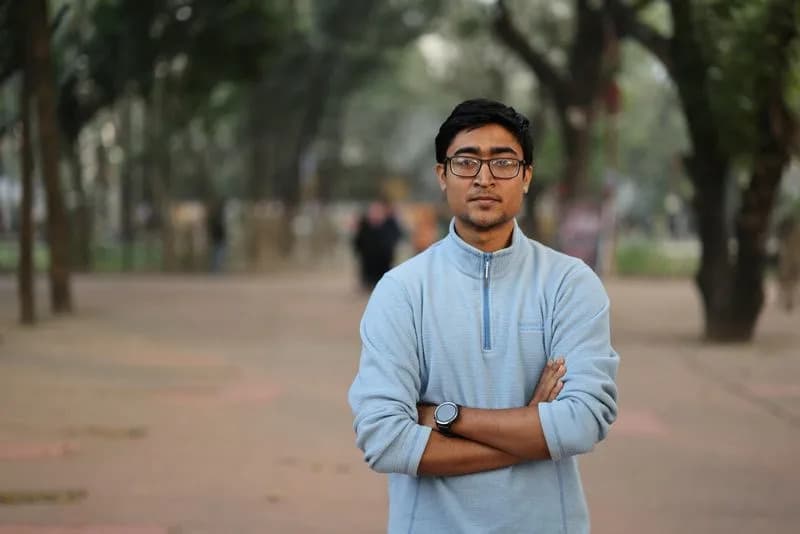
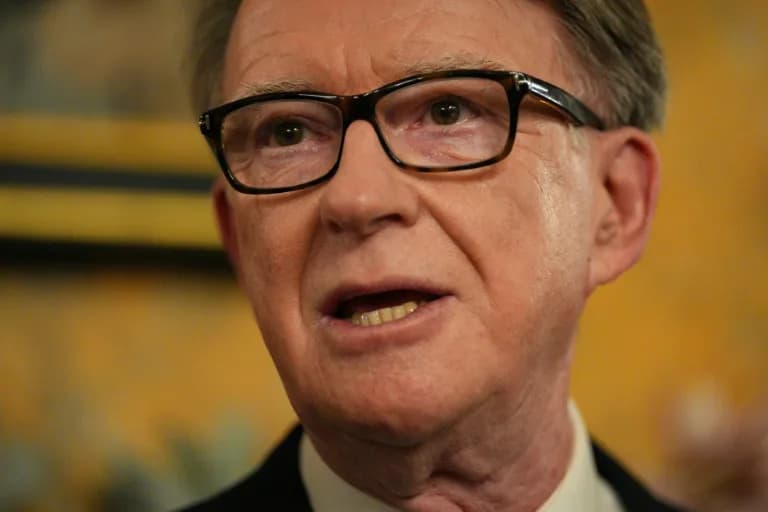
Sadman Mujtaba Rafid, 25, a student of University of Dhaka, poses for a picture, in Dhaka, Bangladesh, January 3, 2026. REUTERS/Mohammad Ponir Hossain
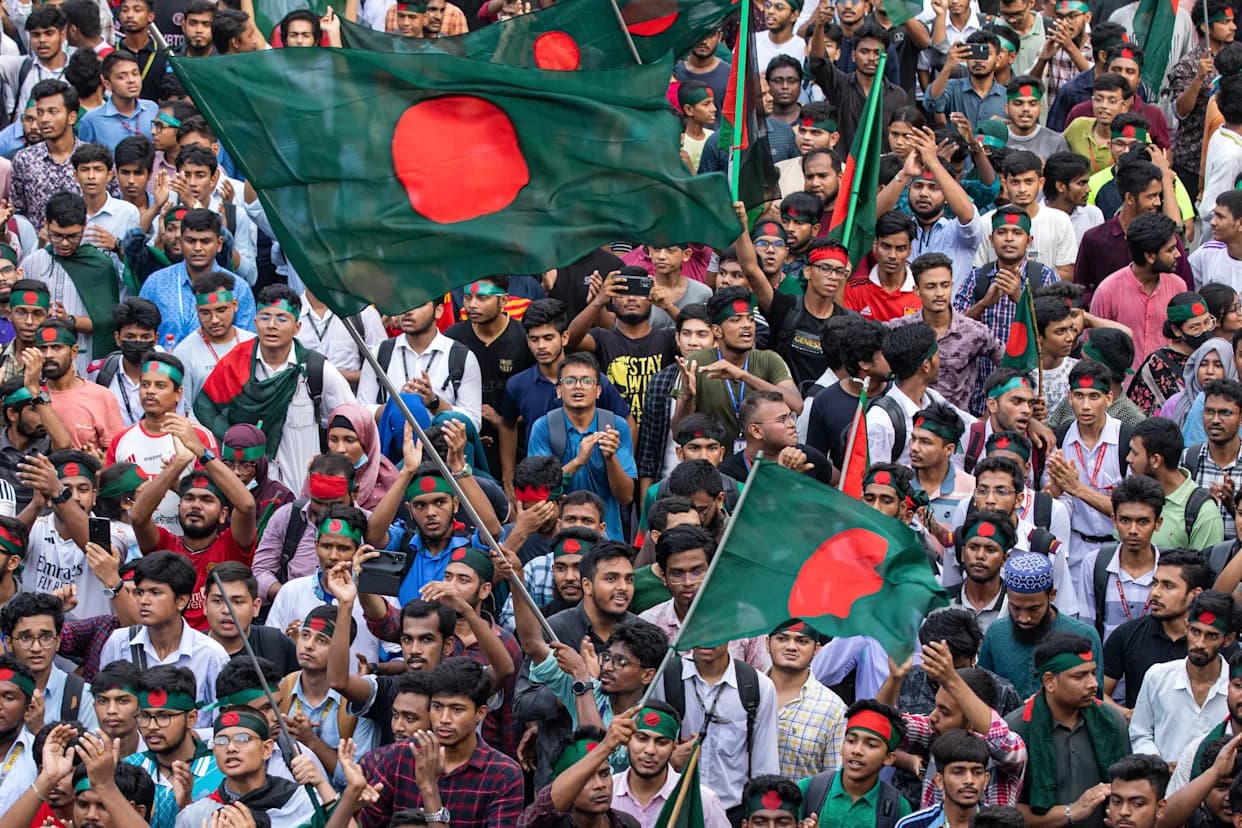
Dhaka University student Sadman Mujtaba Rafid defied his parents and the police to join the 2024 street protests that toppled former Prime Minister Sheikh Hasina, convinced the demonstrations were necessary to break dynastic control and restore democratic choice.
But as Bangladesh approaches the parliamentary election on February 12 — the first national vote since the upheaval — many young participants say their early optimism has faded.
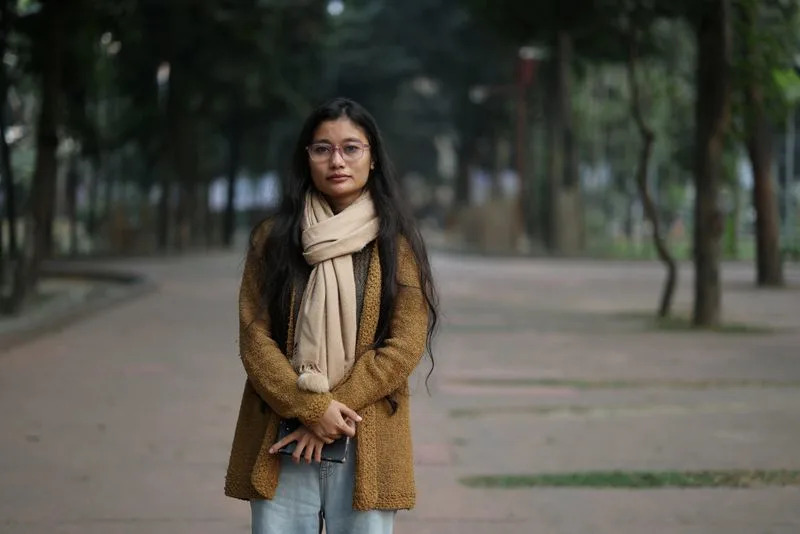
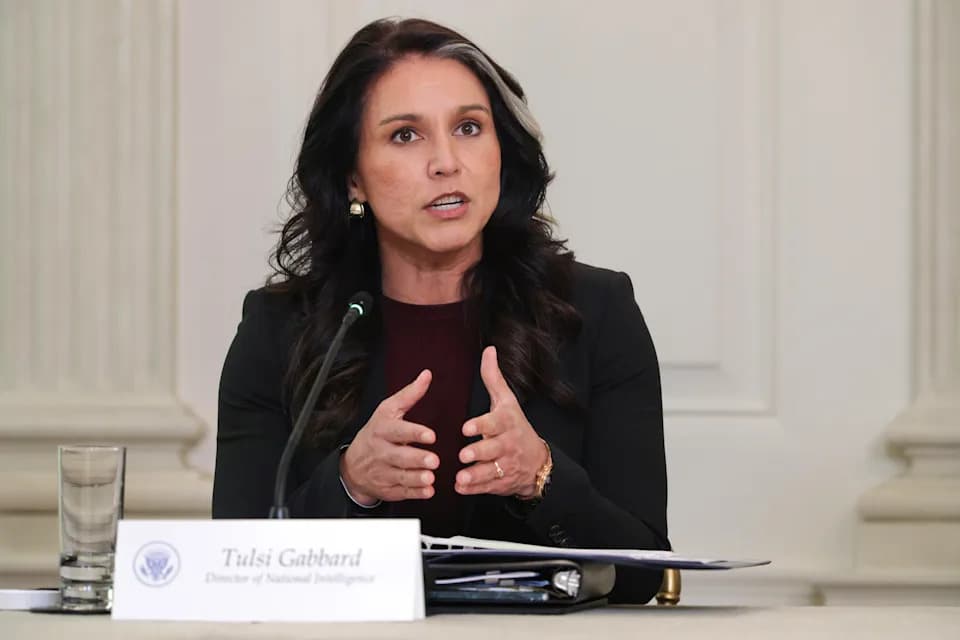
Hema Chakma, 23, a student of University of Dhaka, poses for a picture, in Dhaka, Bangladesh, January 3, 2026. REUTERS/Mohammad Ponir Hossain
“We dreamt of a country where all people regardless of gender, race, religion would have equal opportunity. We expected policy changes and reforms, but it is far away from what we dreamt of,” said the 25-year-old Sadman Mujtaba Rafid.
What Young Voters Wanted — And What They See Now
Tens of thousands of young Bangladeshis poured into the streets in 2024, frustrated by years of repression and a lack of jobs and economic opportunity. They called for radical change and a "New Bangladesh." Yet many now say there has been little meaningful reform and no clear, viable political vehicle to carry the uprising's agenda into power.
Instead of a fresh alternative, the contest appears set to revolve around established parties: the Bangladesh Nationalist Party (BNP), led by former Prime Minister Khaleda Zia, and the Islamist Jamaat-e-Islami. Opinion polls currently place these established, if tarnished, parties among the frontrunners.
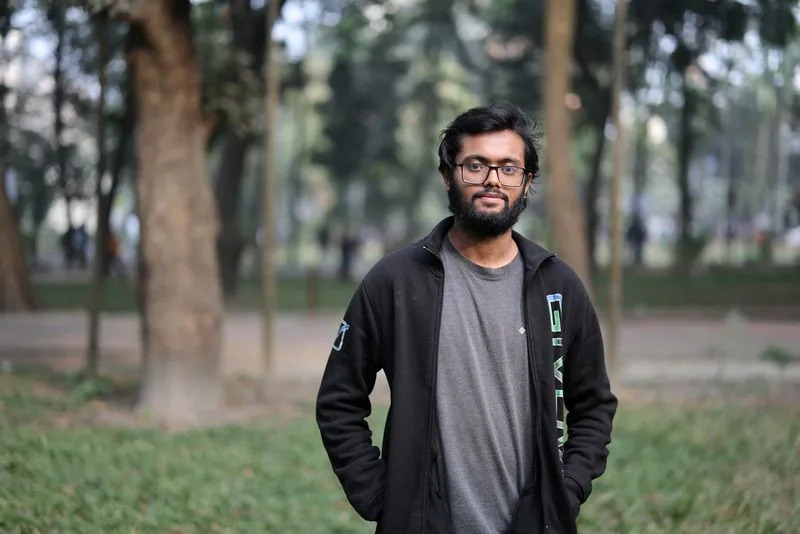
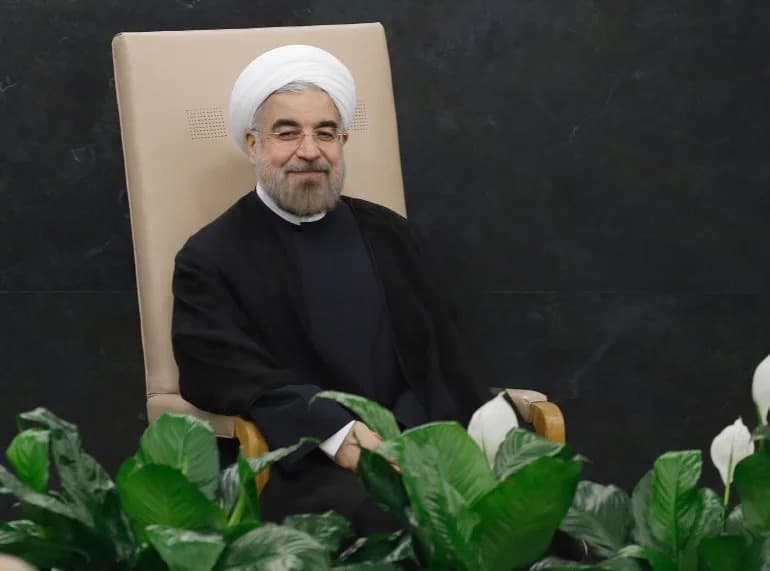
HM Amirul Karim, a student of University of Dhaka, poses for a picture, in Dhaka, Bangladesh, January 3, 2026. REUTERS/Mohammad Ponir Hossain
Why The New Party Struggled
The National Citizens Party (NCP), formed by several protest leaders, failed to convert street momentum into a robust political organisation. Party spokespeople point to limited resources, few grassroots networks and inexperience. Critics say the NCP's tactical alliance with the hardline Jamaat-e-Islami undermined its moral authority and alienated many supporters.
“They have lost the moral high ground. Voters who wanted a ‘New Bangladesh’ free from the baggage of the past now feel they are being forced to choose between the old guard and a student‑Islamist alliance,” said Shudrul Amin, a 23-year-old archaeology student.
Politics, Violence And The Interim Government
Many young people are also disappointed with the interim administration led by Nobel laureate Muhammad Yunus, which critics say has not done enough to curb mob violence against journalists and minorities. A number of students interviewed described a sense that the "spirit of the July revolution" has diminished amid continued unrest and slow institutional change.
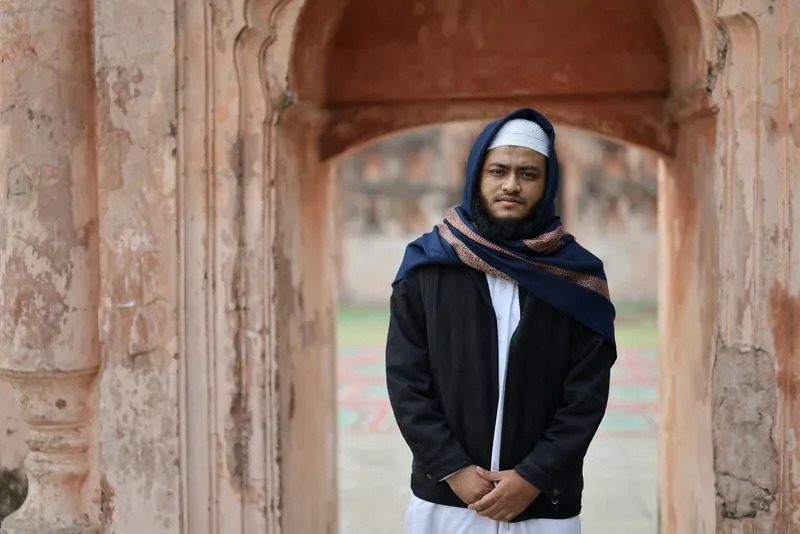
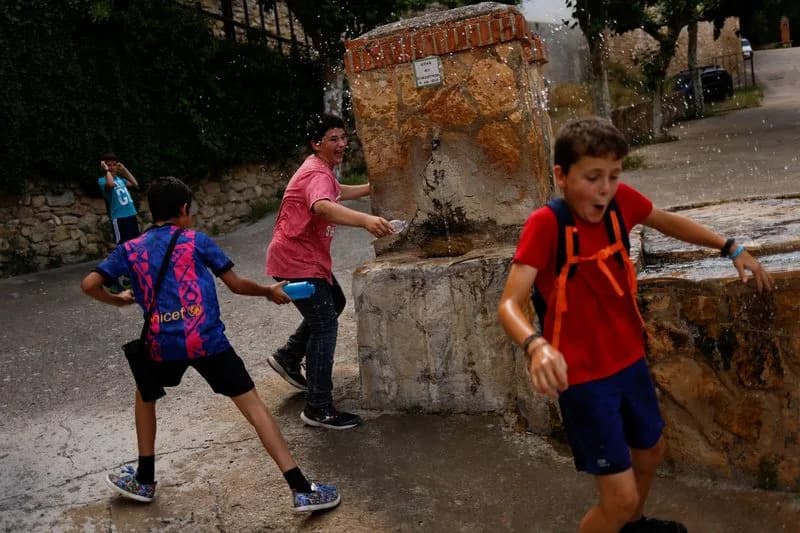
Shafti Ashari, 25, a madrasa student, poses for a picture, in Dhaka, Bangladesh, January 4, 2026. REUTERS/Mohammad Ponir Hossain
Election Outlook And Youth Engagement
Despite frustration, most Gen‑Z respondents told reporters they remain eager to vote. A youth-focused survey cited willingness to vote as high as 97% among 18‑ to 35‑year‑olds, with that cohort split almost evenly between support for the BNP and Jamaat. The election will contest 300 parliamentary seats and is being held alongside a referendum on institutional reforms, including prime ministerial term limits, stronger presidential powers and greater judicial and electoral independence.
Some young voters have returned to established parties as a pragmatic choice. Others, frustrated by alliances and compromises, are pursuing independent or grassroots routes. Dr. Tasnim Jara, who returned from Britain to join the NCP but quit over its Jamaat alliance, is now running as an independent and collecting signatures to validate her candidacy — a sign that efforts to build a new political culture persist.
Voices Of Determination
Many young Bangladeshis continue to hold on to hope that a genuinely new political alternative can emerge, even if it will take time. As 25-year-old H.M. Amirul Karim put it: “I continue to dream that even if not now, the desire for a new political structure will become a reality. I am not ready to give up.”
Help us improve.