Exiled Tibetans have begun a global election to choose a 45-member parliament and an executive leader for the Central Tibetan Administration, a government-in-exile representing a homeland many voters have never seen. Voting is held in 27 countries (excluding China) with some 91,000 registered voters; a final round is set for April 26 and results are due May 13. The vote highlights succession concerns after the Dalai Lama's political retirement, tensions with Beijing, and the diaspora's reliance on host nations and international donors.
Exiled Tibetans Hold Global Vote to Choose Leaders for Homeland They May Never See
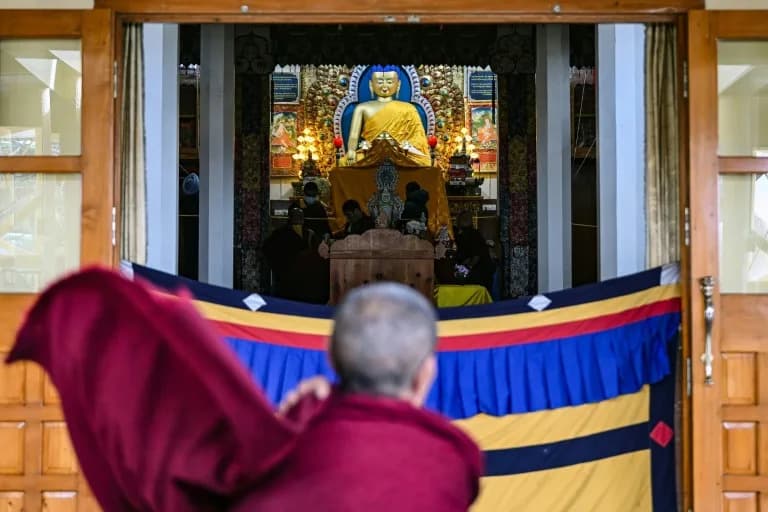
Exiled Tibetans in 27 countries -- including India -- will vote for a government representing a homeland many have never seen (Arun SANKAR)(Arun SANKAR/AFP/AFP)
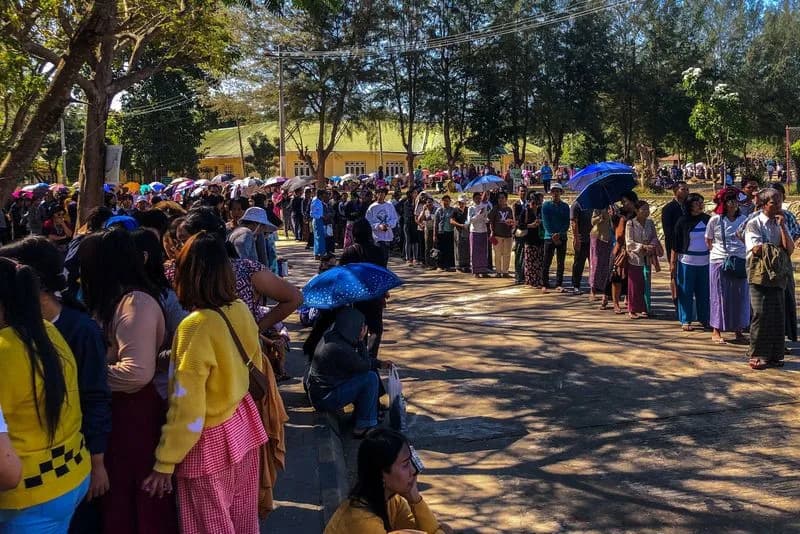
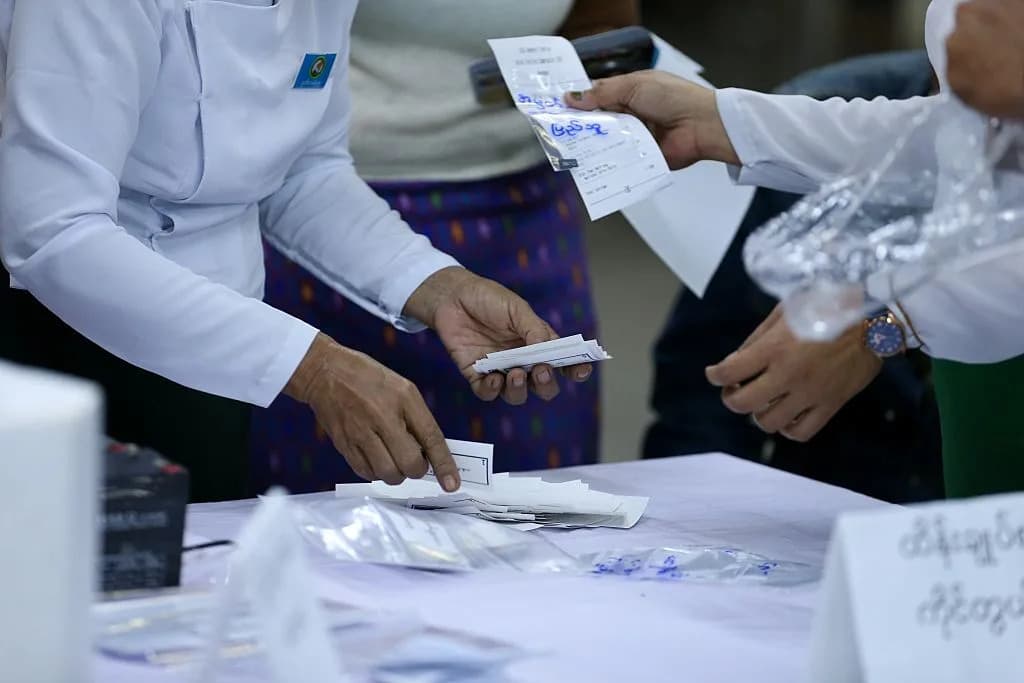
Exiled Tibetans launched a rare worldwide election on Sunday to choose a parliament and executive leader for the Central Tibetan Administration (CTA), a government-in-exile that represents a homeland many voters have never visited.
Ballots are being cast in 27 countries — notably excluding China — by some 91,000 registered voters from monastic communities in the Himalayas to diasporas in North America, Europe, Australia and elsewhere. The vote will determine candidates who face a final round on April 26, with results expected on May 13.
How the System Works
The exile parliament serves five-year terms and meets twice a year. It has 45 seats: 30 representing three historical provinces, 10 representing five religious traditions, and five reserved for the overseas diaspora. Voters also elect the sikyong, the CTA's executive leader.
Where Voters Live
More than half of registered voters — roughly 56,000 — live in India, Nepal and Bhutan. About 34,000 are dispersed globally, including roughly 12,000 in North America and 8,000 in Europe (cities such as New York, Toronto, Paris, Geneva, Zurich and London).
Political Context and Stakes
Beijing condemned the elections as a "farce," calling the CTA an illegal separatist organisation that violates Chinese law. The CTA and its supporters reject that characterization and say the vote underscores the diaspora's democratic resilience and long-running struggle for Tibetan rights.
"Elections... show that the struggle for Tibet's freedom and independence continues from generation to generation," said candidate Gyaltsen Chokye, 33, based in Dharamsala.
The ballot is particularly significant as Tibetans prepare for a post-Dalai Lama era: the Nobel laureate transferred political authority to elected leaders in 2011, and many in the community are focused on safeguarding the gains achieved under his guidance while debating succession and strategy.
Security, Politics and Donor Concerns
Election Commission chief Lobsang Yeshi warned of past attempts at interference, including alleged cyber-espionage. Observers also point to strategic challenges for the exile community: donor dependence, the role of host countries (especially India), and shifting global geopolitics as U.S.-China relations and regional priorities evolve.
Incumbent sikyong Penpa Tsering is seeking re-election and broadly supports the Dalai Lama's "Middle Way" approach seeking meaningful autonomy rather than outright independence. Other candidates, such as Australia-based lawmaker Doring Tenzin Phuntsok, argue the vote should send a clear message to Beijing about democratic alternatives to one-party rule.
What Happens Next: The current round selects candidates for the final vote on April 26. Official results are expected on May 13, after which the newly confirmed parliament and sikyong will lead the CTA through a period of generational change and ongoing diplomatic challenges.
Help us improve.