The Inclusive Socialist Party — formed largely by sexual and gender minorities — will run six candidates in Nepal's March elections to seek direct seats in the 275-member House of Representatives. The announcement follows a deadly September uprising driven by anger over corruption and a short-lived social media ban. Despite recent legal gains, including a 2023 Supreme Court order allowing same-sex and transgender couples to register marriages, no openly LGBTIQ person has held public office in Nepal since 2008. The party aims to convert constitutional rights into enforceable laws and to address discrimination in employment, healthcare and education.
New Nepal Party of Sexual and Gender Minorities to Field Six LGBTIQ Candidates in March Election
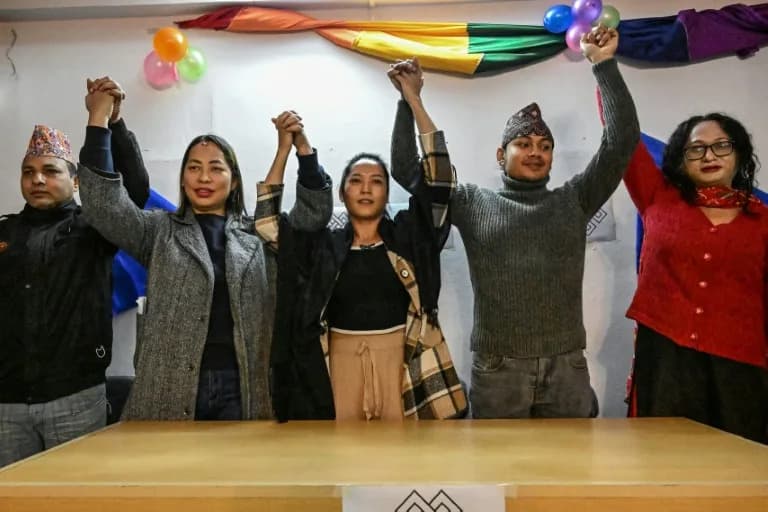
A new political party in Nepal unveiled its list of candidates from sexual and gender minorities for elections in March (Prakash MATHEMA)(Prakash MATHEMA/AFP/AFP)
The Inclusive Socialist Party, a newly formed political group composed largely of sexual and gender minorities, announced on Monday that it will field six candidates in Nepal's national election scheduled for March. The move aims to secure direct representation in the House of Representatives and challenge an ageing political elite that faced mass protests last year.
The September 8-9 anti-corruption uprising — sparked by outrage over a short-lived government ban on social media — left at least 77 people dead and reflected deeper public frustration with economic stagnation and alleged entrenched corruption.
The party says it has more than 500 members, most from sexual and gender minority communities, and plans to press for laws and policies addressing the needs of LGBTIQ people as well as wider marginalised groups, including youth and women.
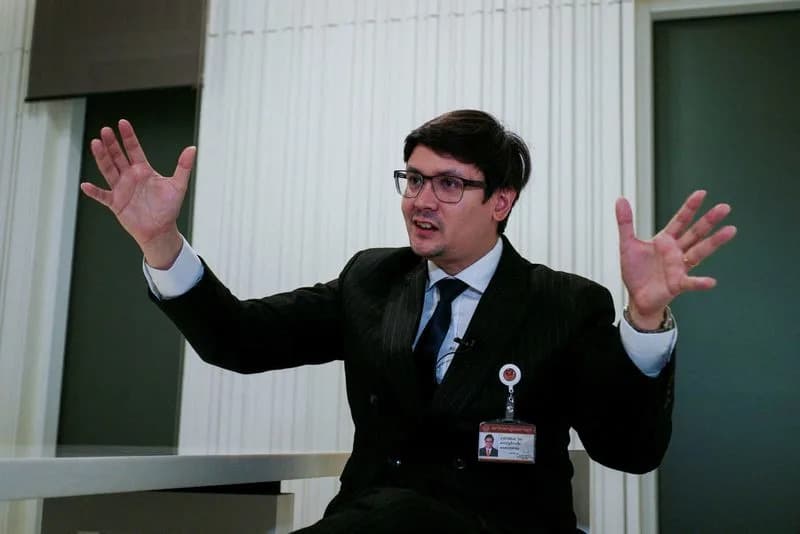
"I have been requesting previous parliamentarians to raise our issues," said Numa Limbu, a third-gender candidate and the party's leader, in remarks to AFP. "But, if we have a seat at the table, then others don't have to speak for us."
Limbu added that direct representation is essential for translating constitutional protections into concrete laws and services. The party hopes its candidates will win direct seats rather than rely solely on party-list nominations.
Elections will fill Nepal's 275-seat House of Representatives: 165 members will be elected by direct vote and 110 through party lists under proportional representation. While some established parties have included LGBTIQ individuals on their proportional lists, few have nominated openly LGBTIQ candidates in direct contests.
Nepal has made notable legal advances on LGBTIQ rights: in 2023 the Supreme Court issued an interim order allowing same-sex and transgender couples to register marriages. Yet, no openly LGBTIQ person has held public office since 2008, when Sunil Babu Pant — an openly gay lawmaker nominated under proportional representation — served in parliament.
"Absence of representation from the community has meant that rights ensured to us by the constitution have not translated to laws. We also have to go to address that," said Pant, who is an adviser to the Inclusive Socialist Party and a long-time campaigner for legal reforms.
Advocacy groups estimate that more than 900,000 people in Nepal identify as a sexual minority. Despite progressive legal rulings, many LGBTIQ people continue to face discrimination in employment, healthcare and education — issues the new party says it will prioritise if elected.
Help us improve.