A Brazilian modelling study shows marine heat waves can sharply raise mortality in the Atlantic mangrove fiddler crab, Leptuca thayeri. A 2°C early-life warming cut larval survival by about 15%, while a 4°C increase raised mortality by roughly 34%. Marine heat waves off São Paulo are projected to be ~35% more frequent by 2100, threatening coastal food webs and fisheries despite some short-term resilience. The authors recommend Blue Tech solutions and emissions reductions to limit future impacts.
Marine Heat Waves Could Raise Mangrove Fiddler Crab Deaths By Up To 34%, Study Warns
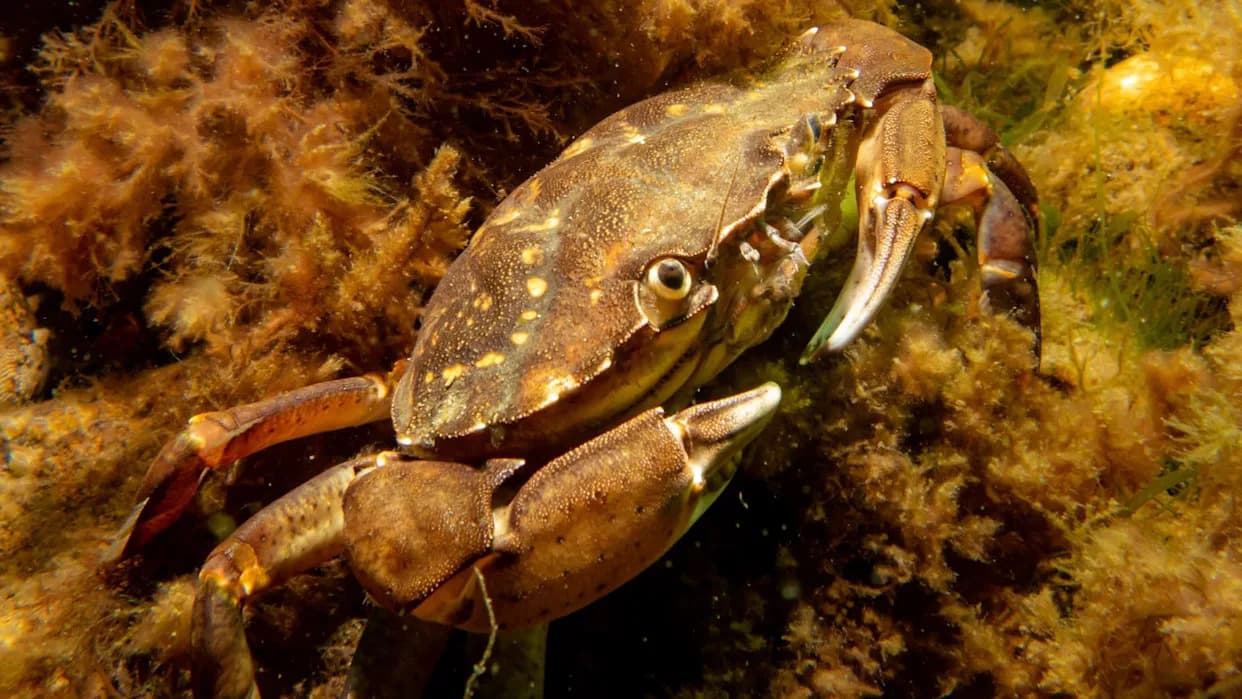
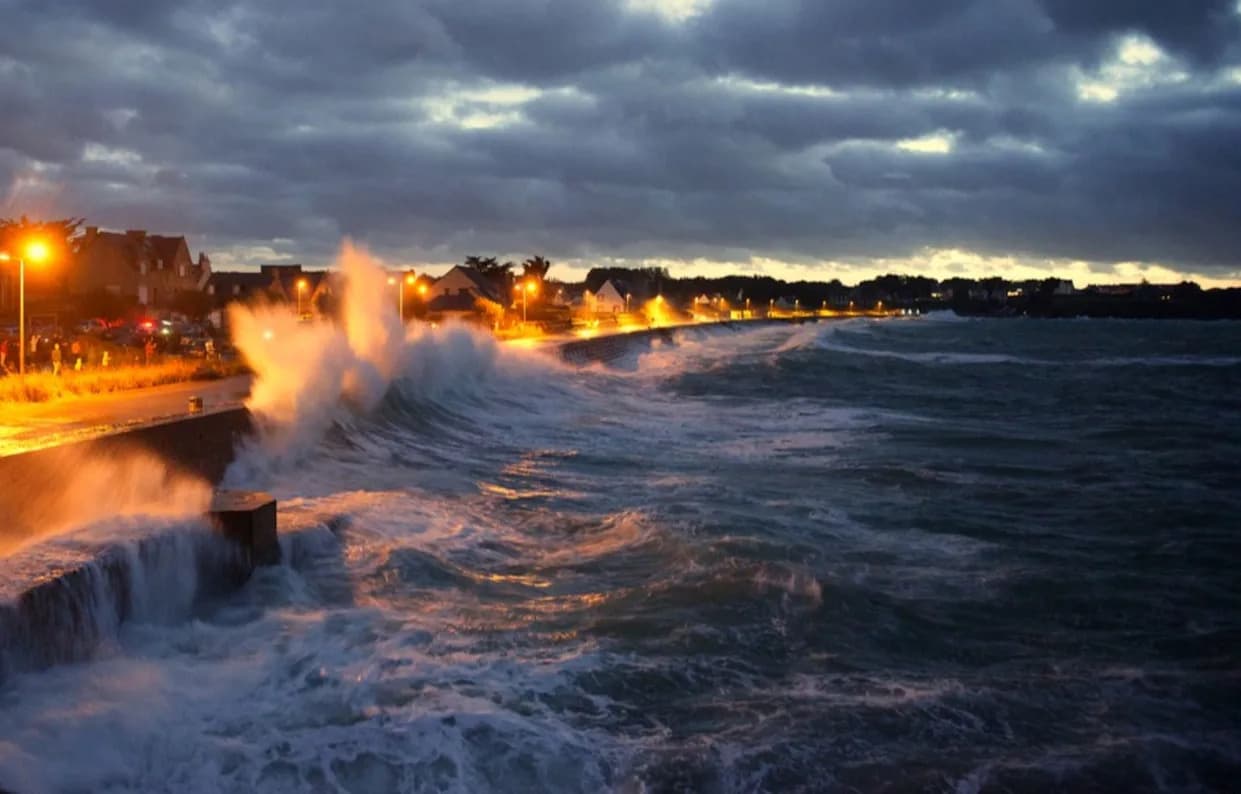
Photo Credit: iStock
Marine heat waves — extended periods of unusually warm ocean conditions — may seriously threaten the Atlantic mangrove fiddler crab, Leptuca thayeri, a new Brazilian study finds. Researchers modelled how short-term increases in sea-surface temperature affect early crab larvae and published their results in Estuarine, Coastal, and Shelf Science.
What the researchers tested
The team defines a marine heat wave as at least five consecutive days when sea temperatures exceed the 90th percentile of the historical temperature record for the region. In the coastal waters off São Paulo state, Brazil, marine heat waves are projected to become about 35% more frequent by 2100 under current warming trajectories.
Key Findings
The experiments focused on the first days of larval life, a critical window for survival. The authors report that:
- A 2°C (3.6°F) rise in sea-surface temperature during the first three to four days of larval development reduced survival by roughly 15% compared with larvae kept at historical average temperatures.
- A 4°C (7.2°F) increase in early-life temperature produced about a 34% increase in mortality.
These changes are biologically meaningful because fewer than 1% of fiddler crab larvae typically survive to adulthood; even small shifts in early survival can ripple through coastal food webs.
Ecological and Economic Implications
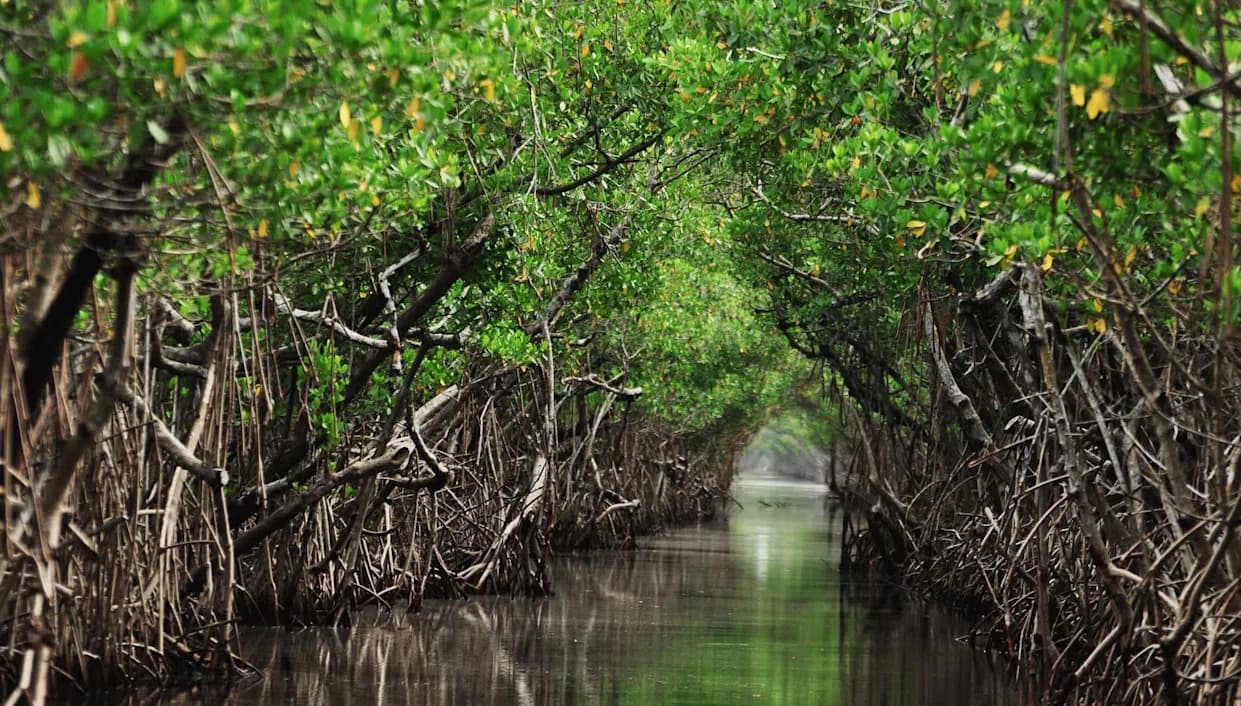
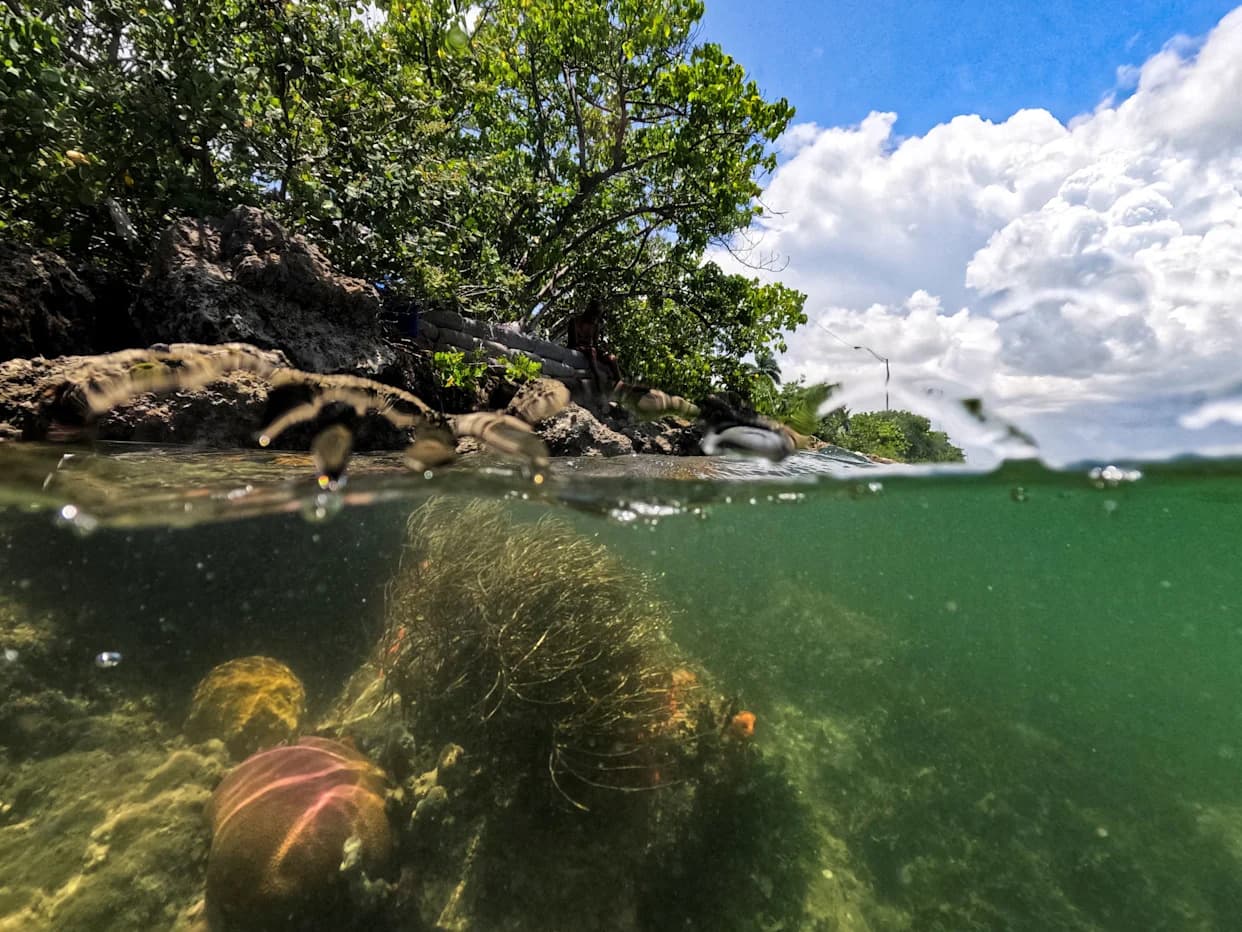
Though modest in size, fiddler crabs play outsized roles in mangrove and intertidal ecosystems: they are prey for many marine and terrestrial animals, they rework sediments, and they can influence decomposition and microplastic interactions. Significant declines in fiddler crab recruitment could therefore affect coastal food chains and indirectly impact fisheries that depend on healthy mangrove and nearshore habitats.
The authors note some short-term resilience: slight warming can sometimes speed larval development or increase the abundance of microorganisms that larvae feed on, partially offsetting temperature stress. However, they caution these compensatory effects may not hold under stronger or more frequent marine heat waves.
What Can Be Done
To limit the rise and severity of marine heat waves, the study highlights the importance of global efforts to reduce greenhouse gas emissions and local approaches to improve ocean health. The authors mention innovations in "Blue Tech" — restoration, pollution reduction, and monitoring technologies — as tools that could help buffer coastal ecosystems against warming and extreme events.
Bottom line: Short, early-life marine heat spikes can substantially lower fiddler crab survival, and projected increases in heat-wave frequency off São Paulo raise concern for coastal ecosystems and the fisheries they support.
Help us improve.