The warty comb jelly (Mnemiopsis leidyi), an Atlantic species now established across much of Venice's lagoon, is disrupting the local food web by eating plankton, fish eggs and larvae and by clogging fishing nets. A two-year study links its spread to accidental introduction in ballast water and to environmental changes from ongoing climate warming. Scientists warn of significant risks to a multi-billion-euro fishing sector, particularly clam and mussel production, and call for monitoring, ballast water controls and adaptive management.
Venice Overrun by Cannibalistic Warty Comb Jelly, Threatening Fisheries
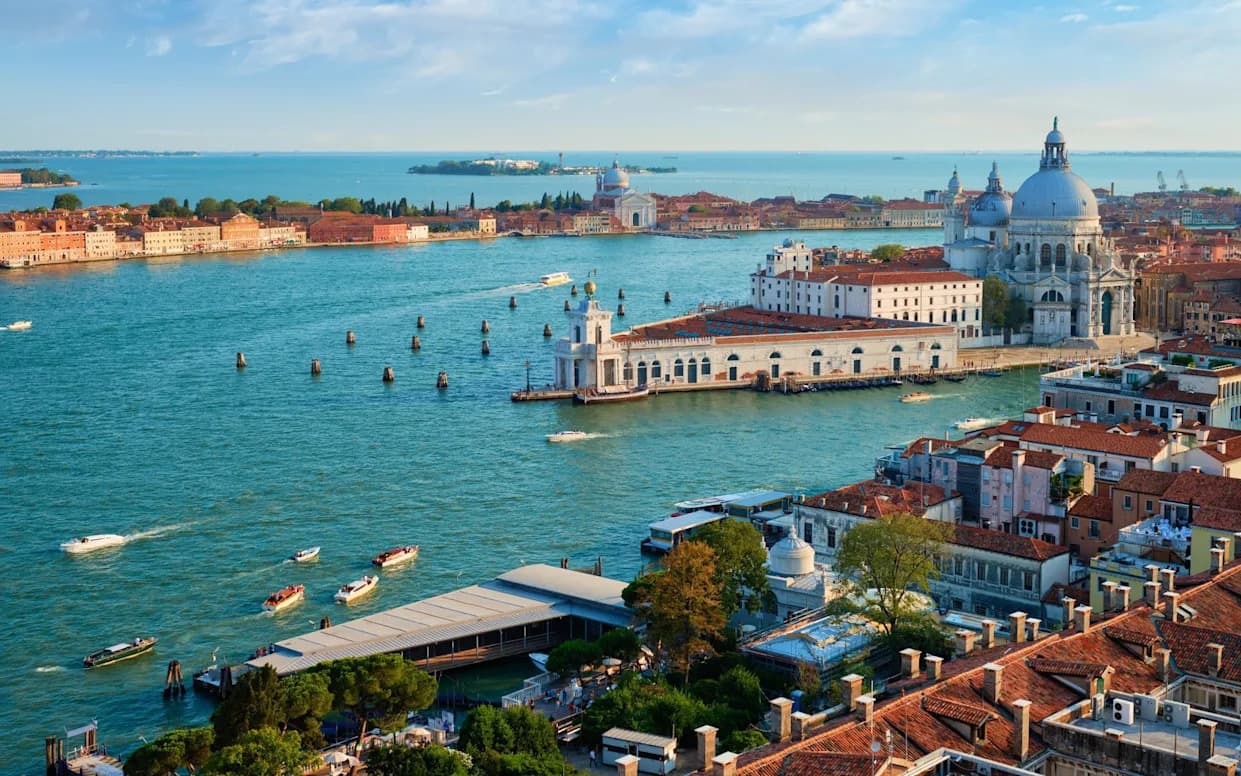
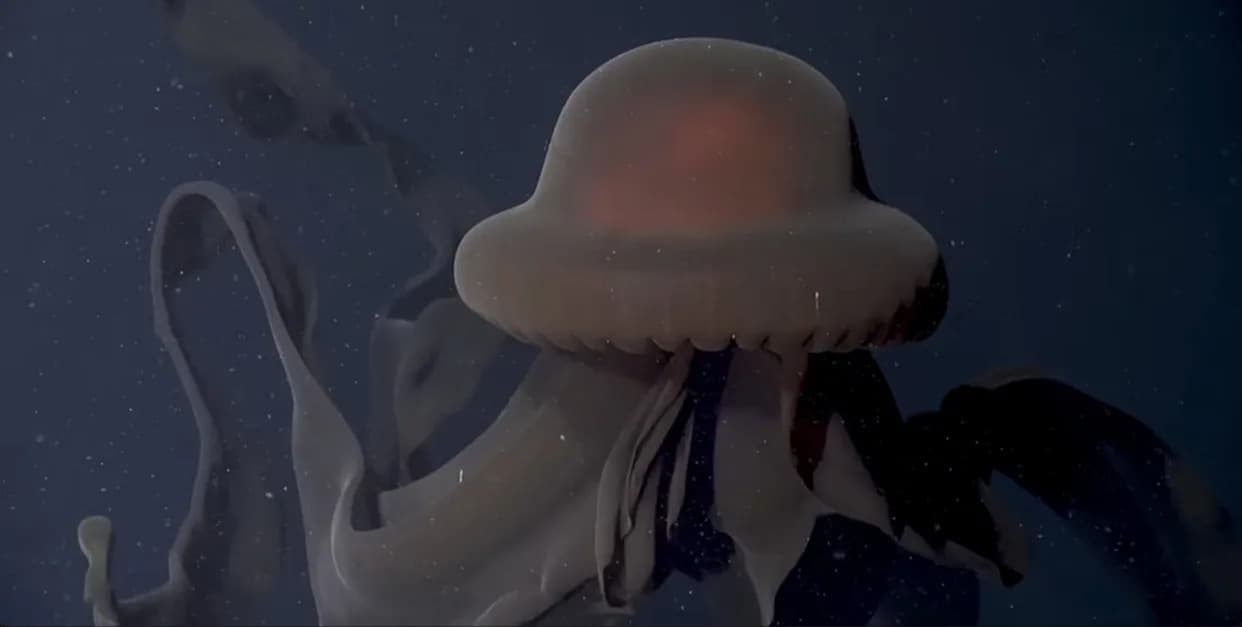
Scientists say there has been an explosion in the number of jellyfish in Venice’s lagoon - iStockphoto
A gelatinous predator known as the warty comb jelly (Mnemiopsis leidyi), sometimes called the sea walnut, has rapidly colonised large parts of Venice's lagoon system and is causing serious damage to local marine life and fisheries.
Study Finds Rapid Spread
A two-year study by researchers at the University of Padua and the National Institute of Oceanography and Applied Geophysics, published in Estuarine, Coastal and Shelf Science, documents the comb jelly's widespread presence across the lagoon. Scientists link its successful establishment to accidental transport in ship ballast water and to changing environmental conditions driven by ongoing climate change, including warmer water temperatures and salinity levels that favour the species.
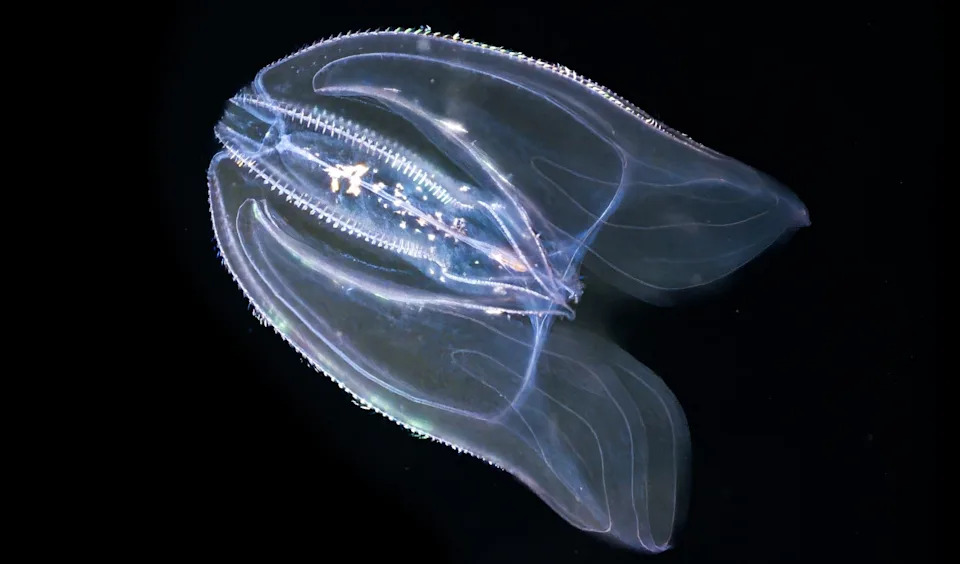
The gelatinous creature, also known as the sea walnut, normally lives in the western Atlantic - Gerald Corsi
Unusual Biology, Powerful Impacts
The warty comb jelly is notable for odd biological traits: it has a transient anus that appears only during defecation and has been observed eating its own young. More importantly for the lagoon, it is a voracious predator of fish eggs, fish larvae and plankton—key components of the food web. Large aggregations also clog soft-mesh fishing nets because of the animals' gelatinous bodies, creating acute operational problems for fishers.
Economic and Ecological Consequences
The scientists warn that the invasion presents "serious issues" for the Adriatic fishing sector, which is worth billions of euros and is particularly important for clam and mussel production.
By reducing plankton and consuming early life stages of fish, Mnemiopsis leidyi can weaken fish stocks and disrupt the entire lagoon ecosystem. The species is listed among the 100 Worst Invasive Alien Species worldwide, underscoring its potential for ecological harm when introduced to new regions.
The Mnemiopsis leidyi is now present throughout much of Venice’s lagoon - Frank van den Bergh
Context And Comparisons
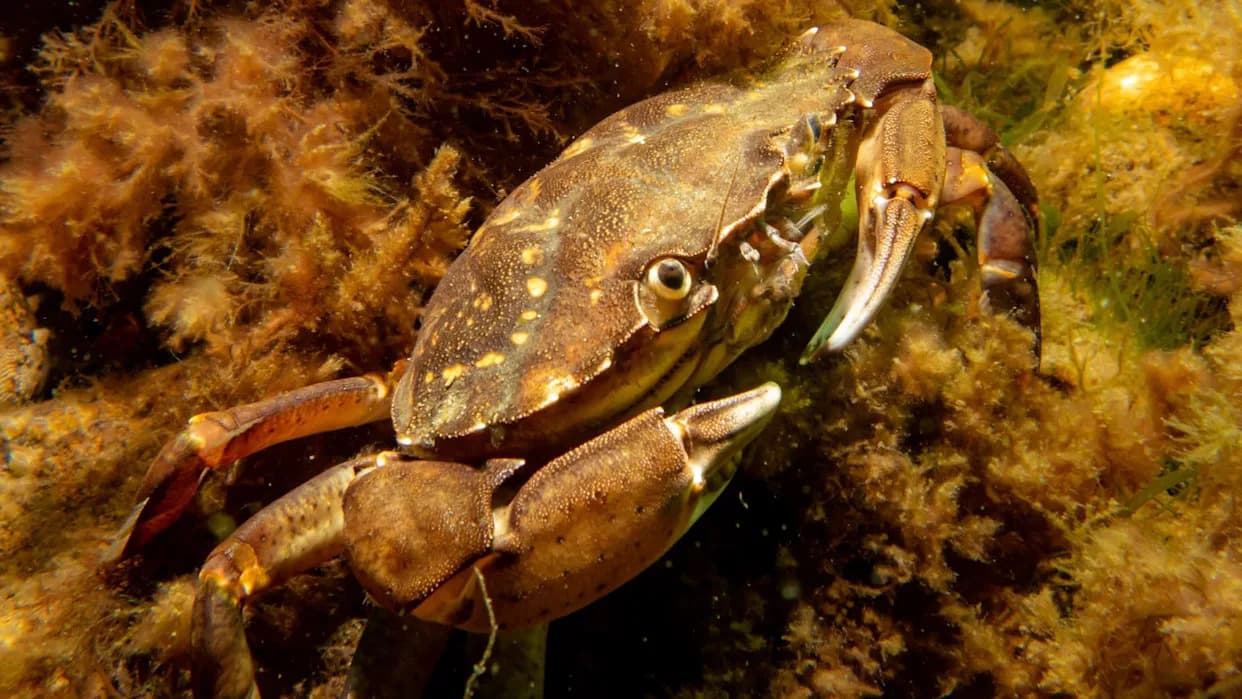
The study authors note the warty comb jelly is not the only Atlantic species to establish in the Adriatic. The blue crab, also likely introduced via ballast water, has become a well-known nuisance—damaging nets, preying on shellfish and causing economic losses. In some areas, efforts to reduce blue crab populations have included promoting it as a food product.
Responses And Next Steps
Researchers and managers recommend strengthened monitoring of the lagoon, tighter controls and treatment of ballast water, and early-warning systems to detect large aggregations. Local fisheries may need to adapt gear and practices to limit net clogging and to protect juvenile fish. Continued research is essential to track long-term ecosystem changes and to evaluate mitigation measures.
While the full long-term consequences are still being studied, the combination of biological traits, human-mediated transport and changing environmental conditions means the warty comb jelly is likely to remain a significant challenge for Venice's lagoon and for coastal fisheries across the Adriatic.
Help us improve.