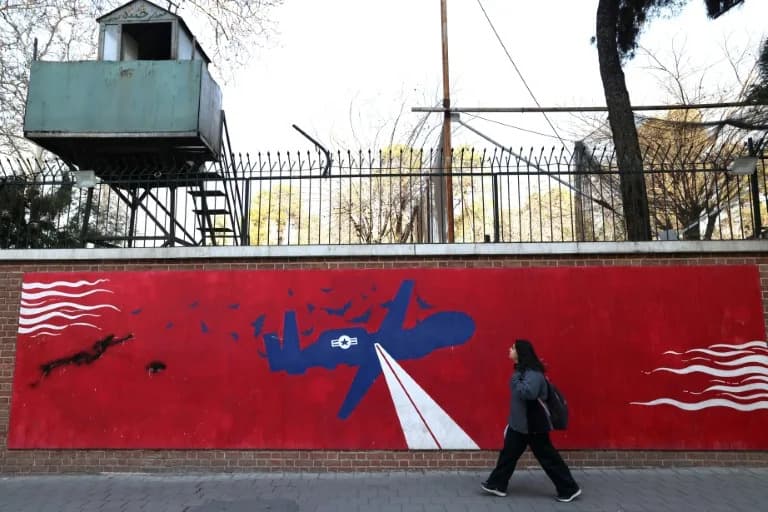
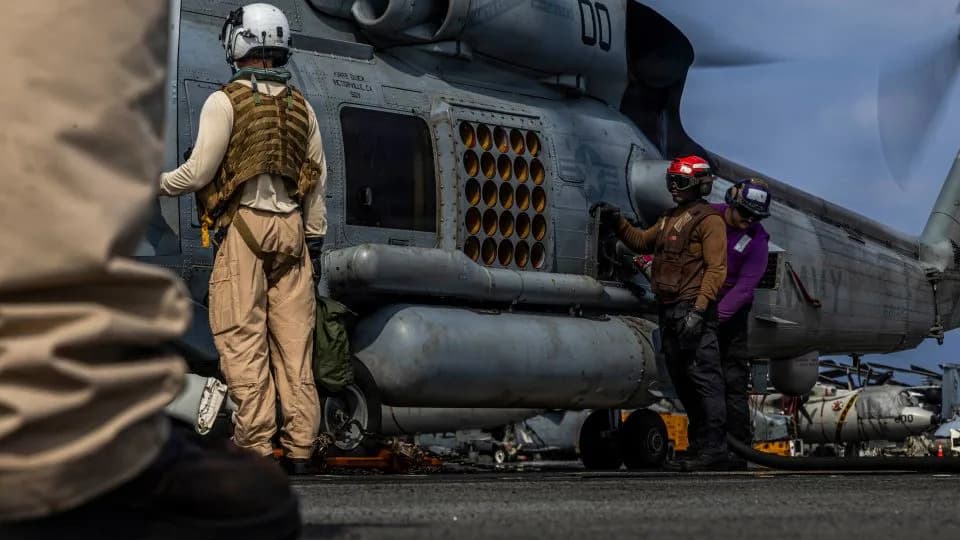
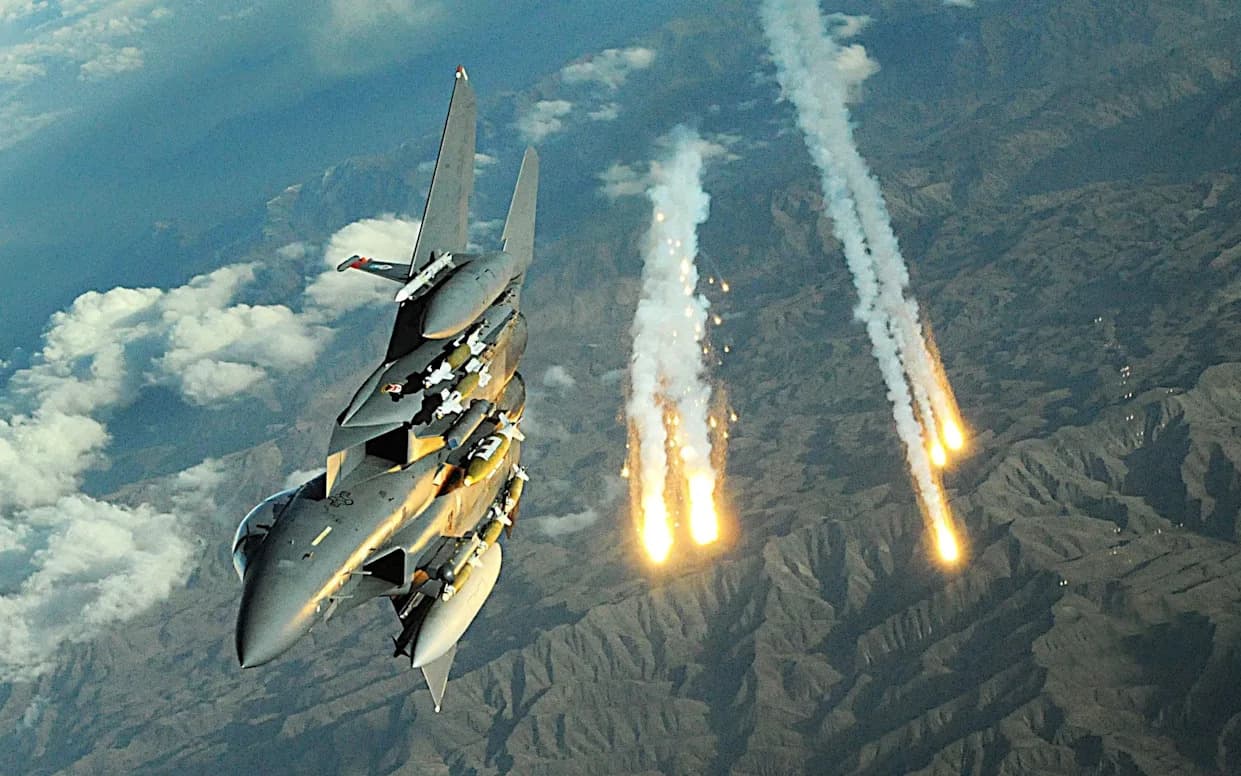
A recent series of aerial and naval incidents between the US and Iran threatened to overshadow this week's diplomatic talks. A US jet downed an Iranian drone over the Arabian Sea while Iranian vessels tried to obstruct a US-flagged tanker, yet Washington said Friday's talks on Iran's nuclear program, missiles and regional influence will proceed. Analysts warn Iranian hardliners may oppose the negotiations, risking further escalation given past aerial clashes and warnings from President Donald Trump.
US-Iran Tensions Escalate Ahead Of Nuclear Talks As Drone, Naval Incidents Raise Stakes
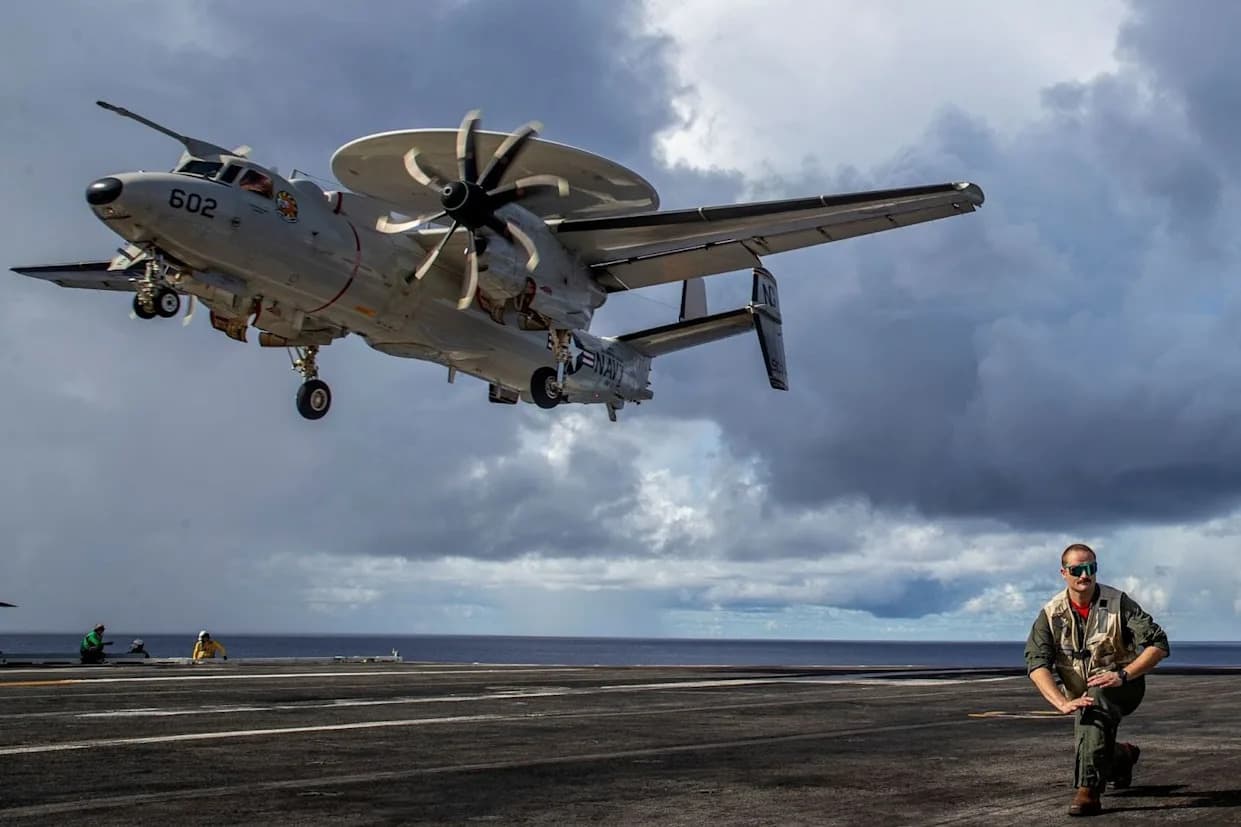
A string of confrontations between the United States and Iran threatened to overshadow diplomatic negotiations scheduled for this week. A US warplane shot down an Iranian drone over the Arabian Sea, and Iranian vessels attempted to block a US-flagged tanker. Despite the incidents, Washington said the talks — focused on Iran's nuclear program, missile development and regional influence — would still go ahead on Friday.
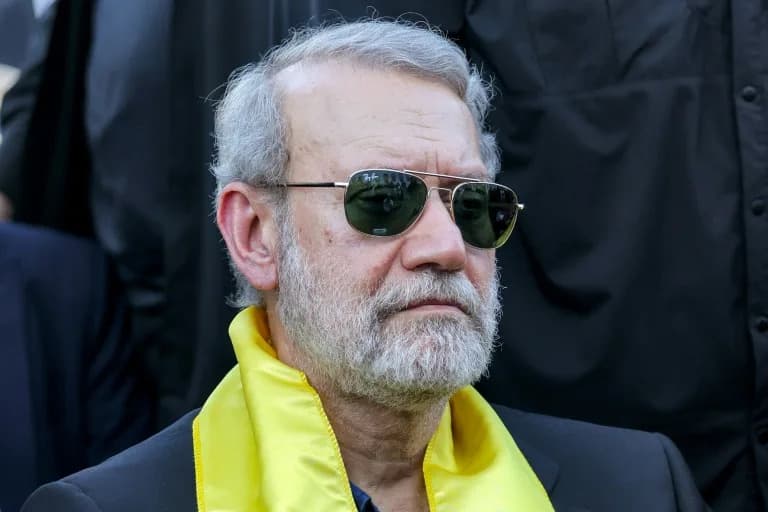
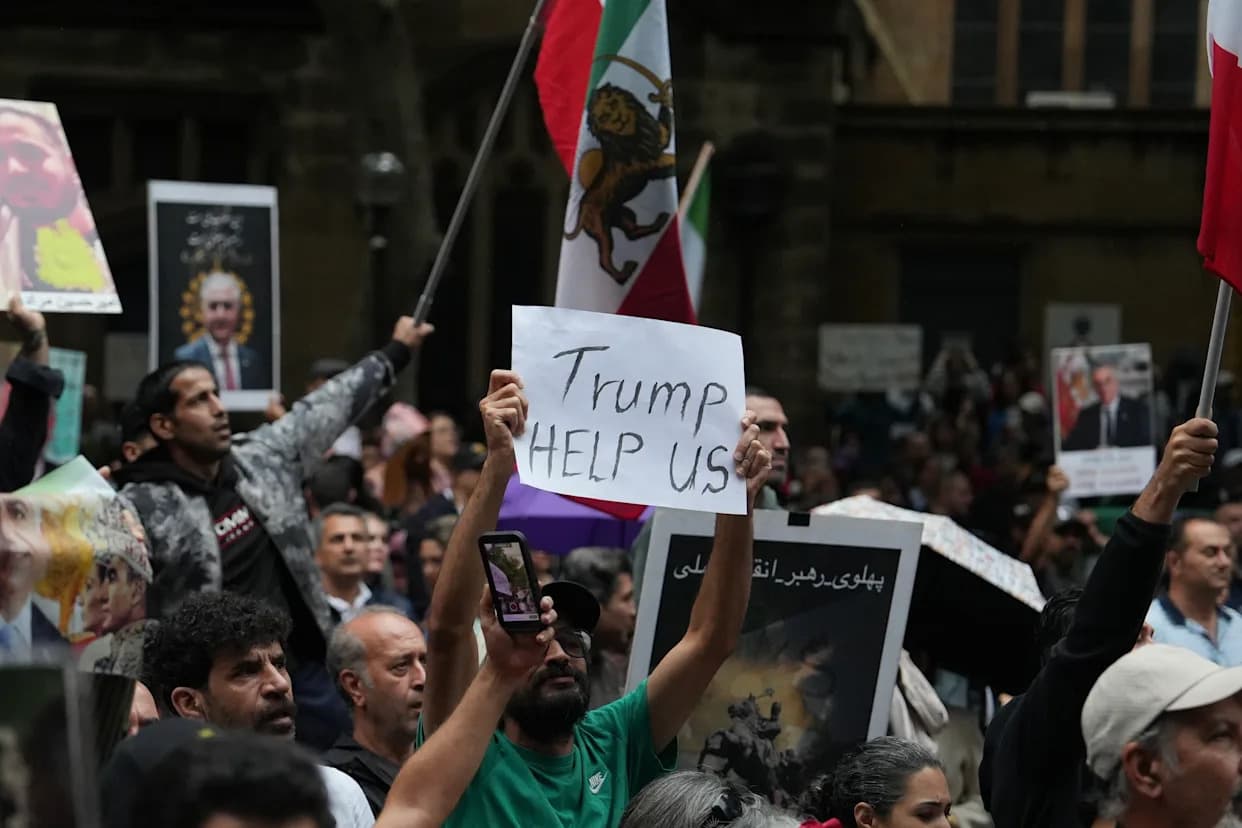
Context: The United States maintains a significant military presence in the Gulf, and officials say the recent clashes underscore divisions inside Iran. Analysts suggest hardline elements in Tehran may be trying to derail the negotiations by escalating pressure at sea and in the air.
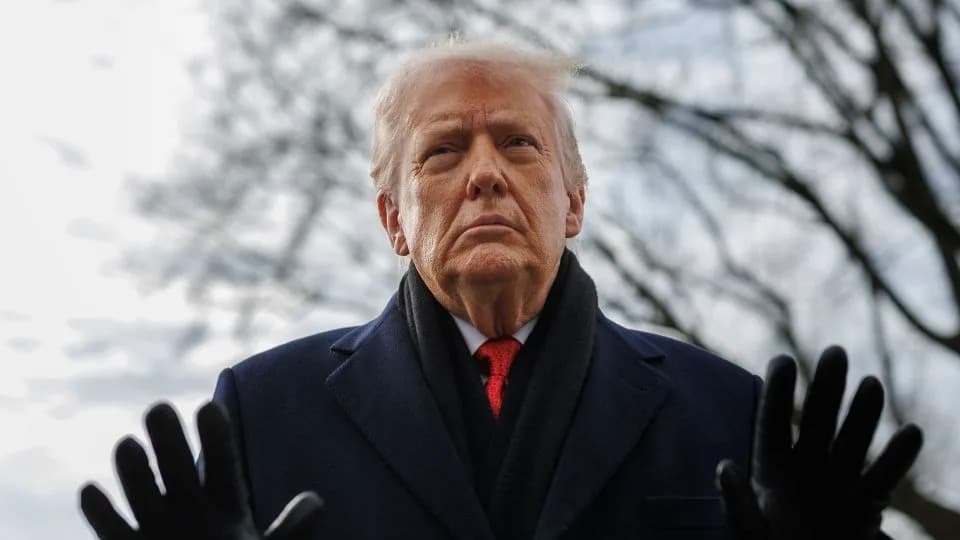
Risk Of Escalation: If hardliners are indeed opposing the talks, experts warn their actions could provoke a stronger US response. The two countries traded aerial attacks last summer, and President Donald Trump has warned of renewed strikes if Iran proceeds with efforts to develop nuclear weapons.
What To Watch: Observers will be monitoring whether the scheduled talks proceed as planned, whether naval encounters continue, and whether diplomatic channels can reduce tensions before any further military incidents occur.
Analysts say these incidents may be intended to send a message to negotiators — but they carry the risk of unintended escalation.
Help us improve.