Archaeologists at Wandlebury Country Park uncovered a pit containing multiple skeletons dating to about 1,200 years ago. The primary burials show signs consistent with execution—face-down burial, possible bindings and decapitation—yet six loose skulls placed on top complicate the interpretation. Researchers will use radiocarbon dating, dental isotopes and detailed bone analysis to determine whether the remains are Anglo‑Saxon or Viking and to refine the dating and context.
Mass Grave Near Cambridge Reveals Violent Deaths From Anglo‑Saxon Era
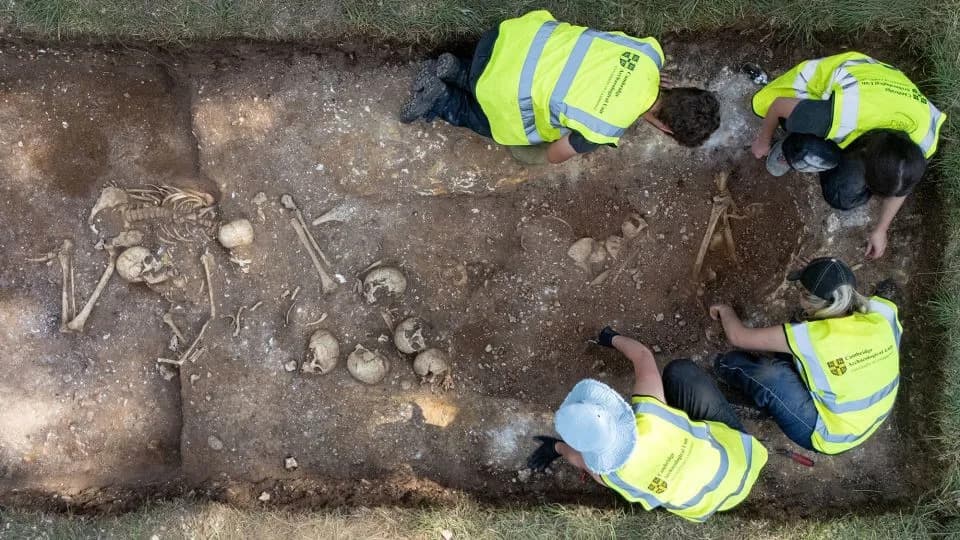
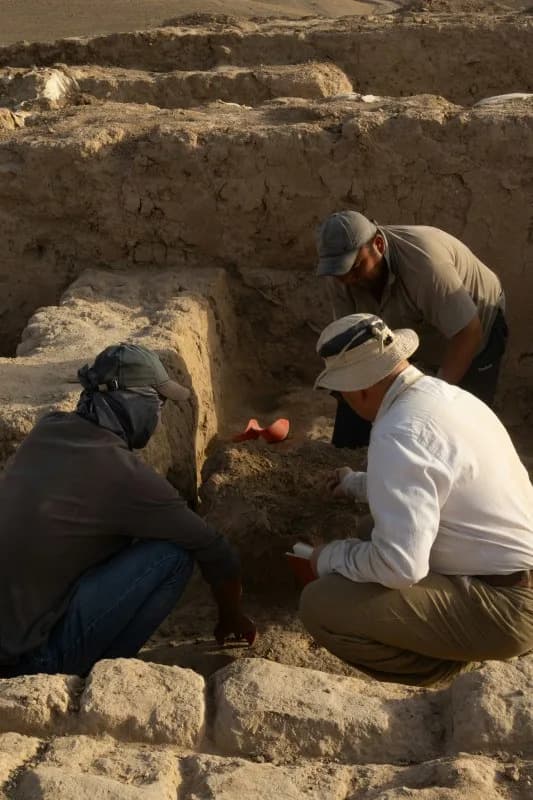
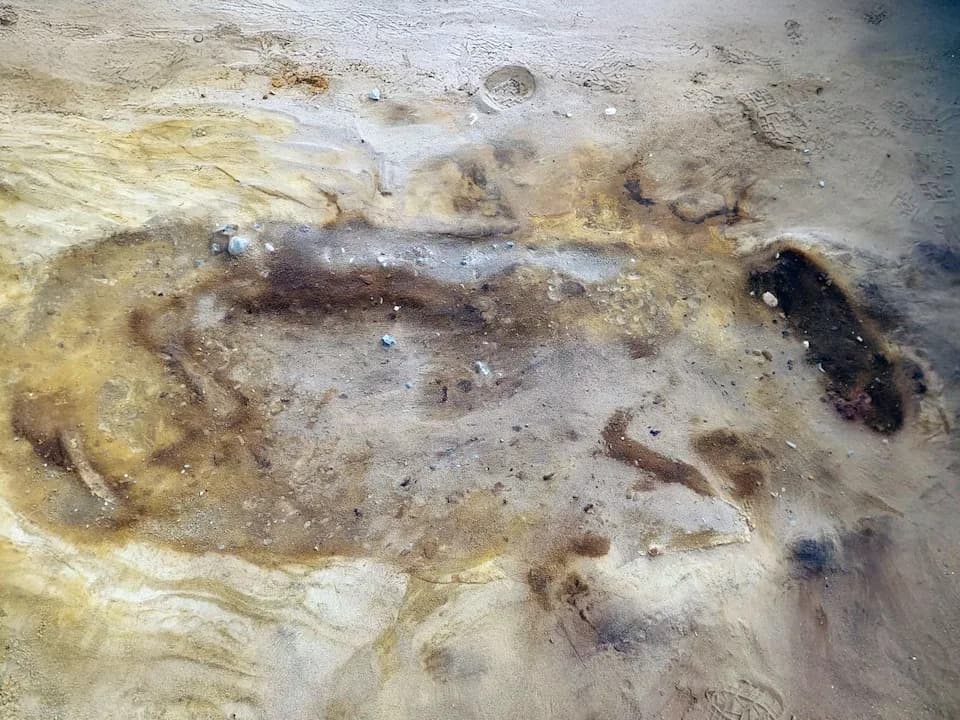
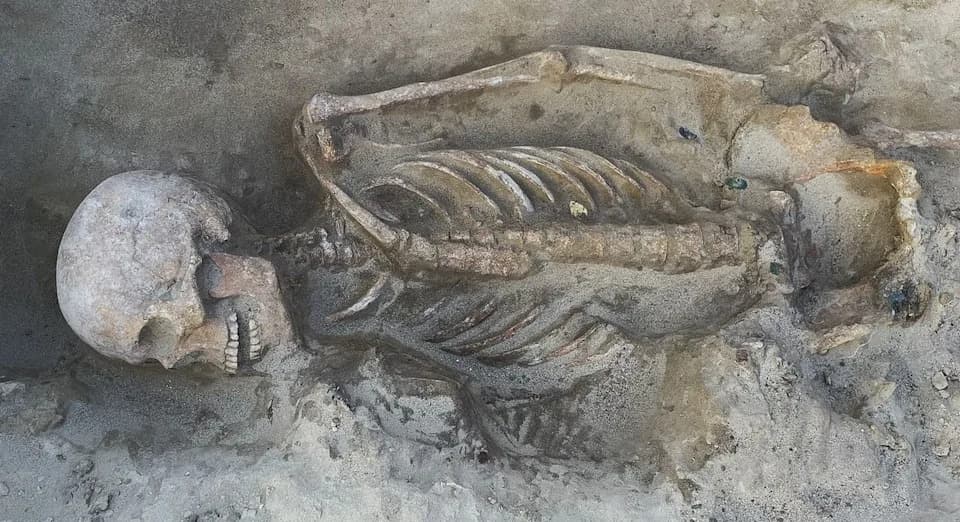
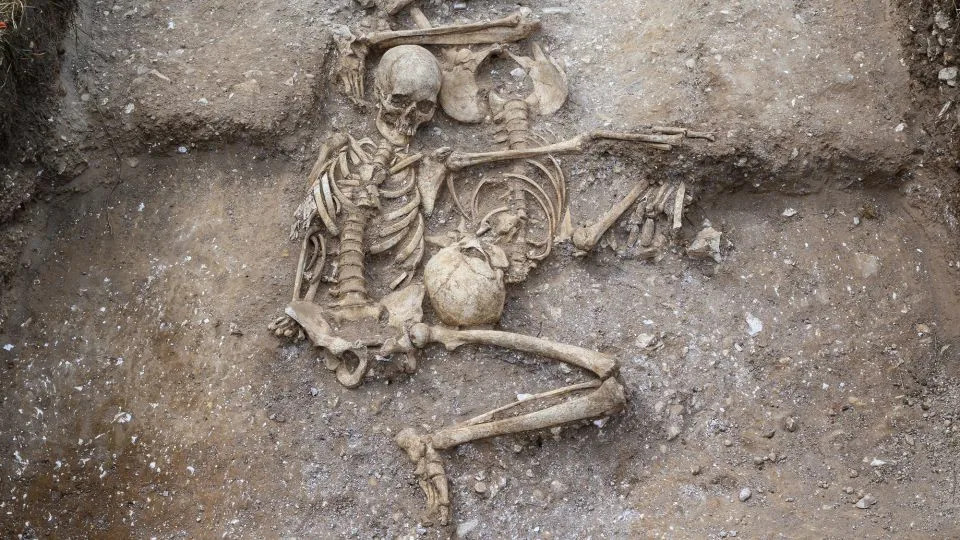
Archaelogists working near Cambridge, England uncovered a pit filled with skeletons. - David Matzliach/Cambridge Archaeological Unit
In a quiet corner of an English field at Wandlebury Country Park, about three miles (4.8 km) from Cambridge, archaeologists uncovered a pit containing human remains that date to roughly 1,200 years ago. The discovery, made during a University of Cambridge training excavation, revealed several skeletons—some largely intact, others dismembered—all showing clear evidence of violent deaths.
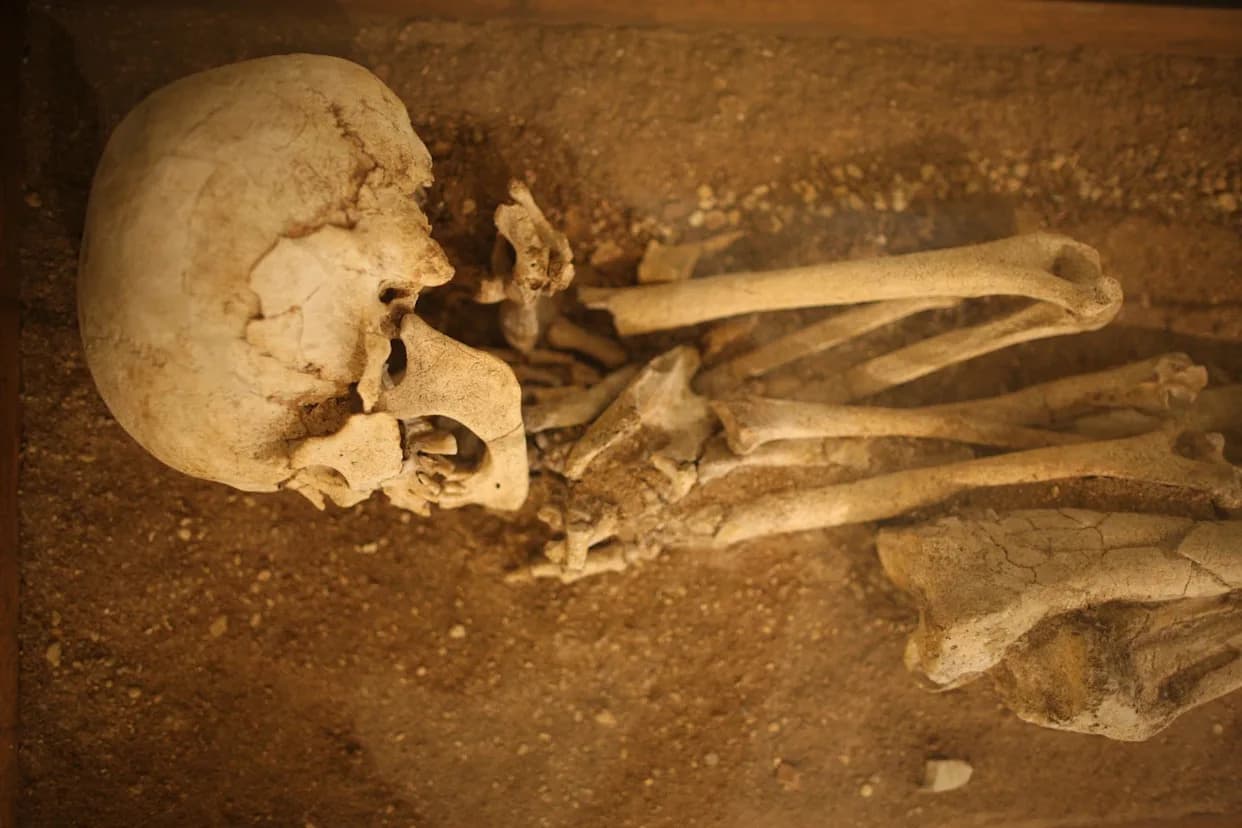
One of the bodies had a trepanned skull. - David Matzliach/Cambridge Archaeological Unit
What Was Found
The excavation, led by Oscar Aldred, exposed four principal bodies interred together in a single pit and at least six additional loose skulls placed on top of the burials and the legs of a partially represented individual. The main burials include a face-down skeleton (often interpreted as a mark of disrespect), an apparent decapitation where the first cervical vertebra shows a cut and a large incision is visible on the lower jaw, and one individual represented only by lower leg bones, feet and kneecaps.

Six skulls were found on top of the bodies. - David Matzliach/Cambridge Archaeological Unit
Notable Details
- No personal artefacts were found with the bodies, suggesting the dead were stripped of possessions before burial.
- The six loose skulls lack their lower jaws, which implies they may have been displayed or kept separately before final deposition.
- One skeleton shows a large trepanation hole in the skull and belongs to an unusually tall person—about 6 ft 5 in—whose limb-bone proportions suggest a possible pituitary condition causing excess growth.
Interpretations And Next Steps
Oscar Aldred and colleagues say the assemblage could represent either a mass execution or the aftermath of a battle from the 8th or 9th century AD. Several features—face-down burial, possible bound limbs, decapitation and lack of grave goods—are consistent with execution, but the presence and treatment of the loose skulls complicate that reading and leave open the possibility of battle-related deposits or post-battle trophy treatment.
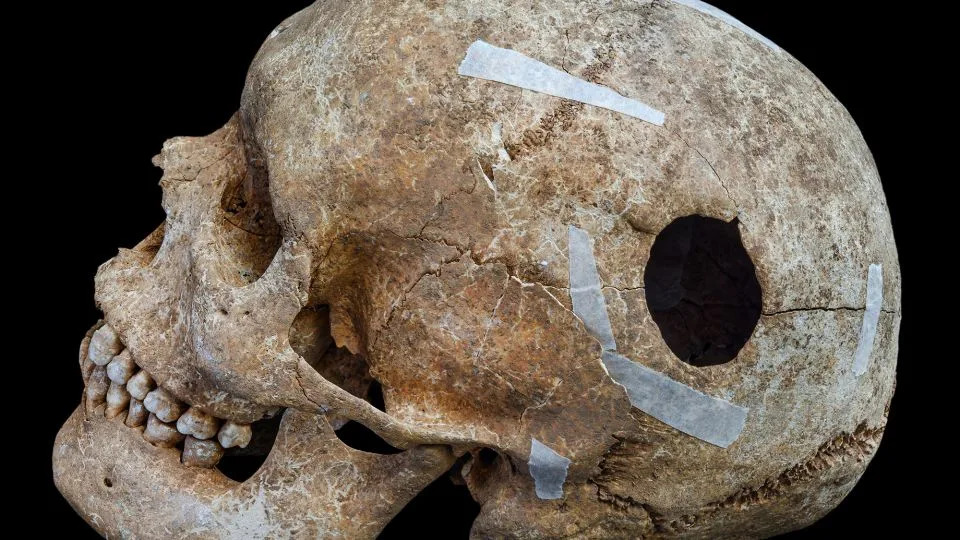
The individual whose skull had been trepanned was unusually tall for the era. - David Matzliach/Cambridge Archaeological Unit
The team will use radiocarbon dating, dental isotope analysis and further osteological study to refine the chronology, determine geographic origins, confirm sex and kinship, and assess trauma in detail. A 9th-century date would raise the likelihood of Saxon–Viking conflict as a cause, while an 8th-century date would make judicial execution or local violence more probable.
Why This Matters
Finds like this deepen understanding of early medieval England—an era of shifting kingdoms, consolidation of power under rulers such as Offa, and later Viking incursions. The pit was uncovered as part of a five-year field project at Wandlebury, a site occupied for around 2,000 years that includes an Iron Age hillfort and is widely used for archaeological training.
'There’s terrible interpersonal violence going on here in whatever form we’re looking at,' Aldred said. Undergraduate student Grace Grandfield described the discovery as 'confusing' and 'unsettling' as more remains were exposed during follow-up excavations.
Further laboratory work will help clarify who these people were, how and when they died, and what their treatment in death reveals about social practices and conflicts in Anglo‑Saxon Britain.
Help us improve.