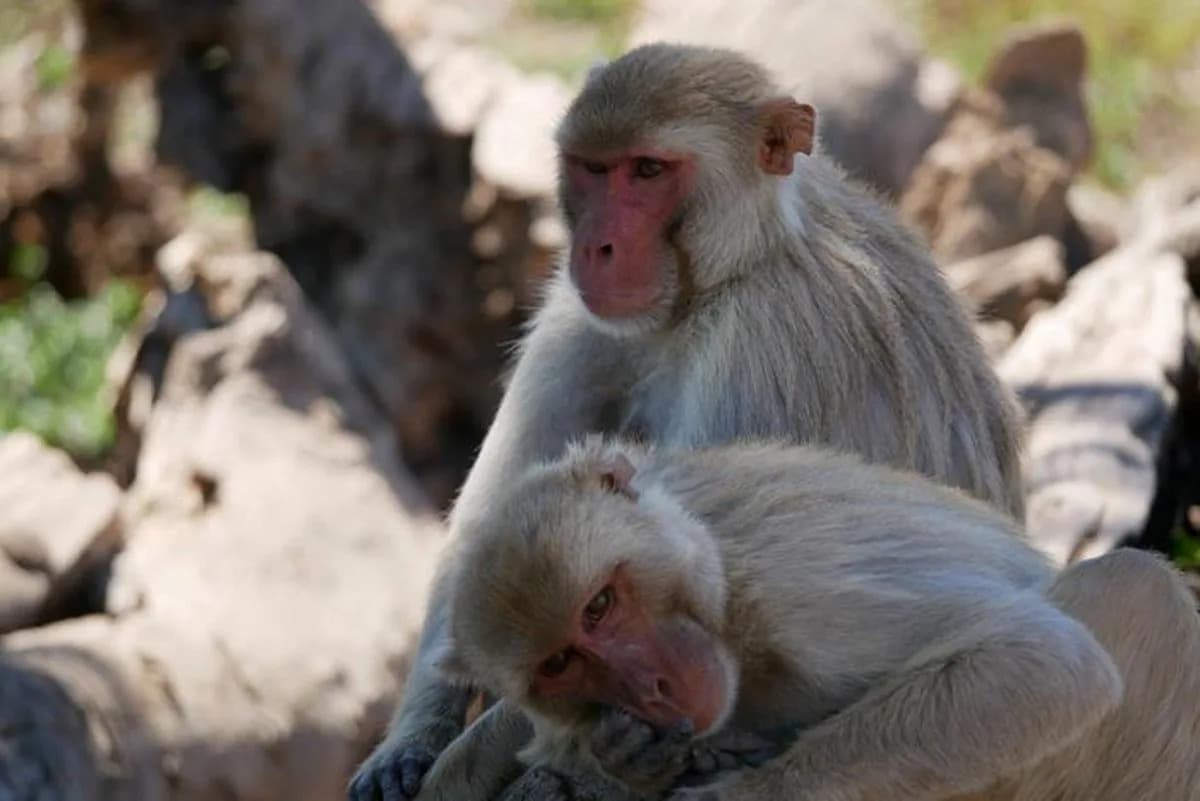
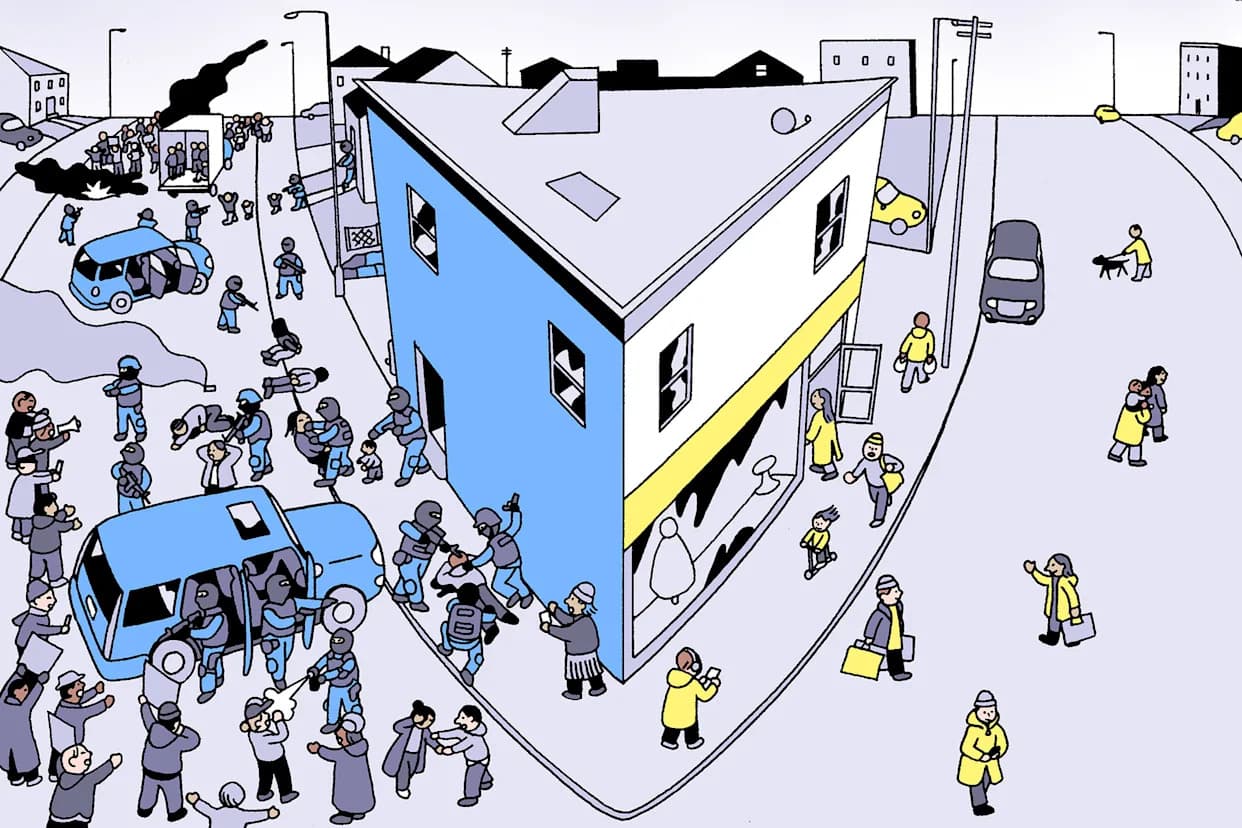
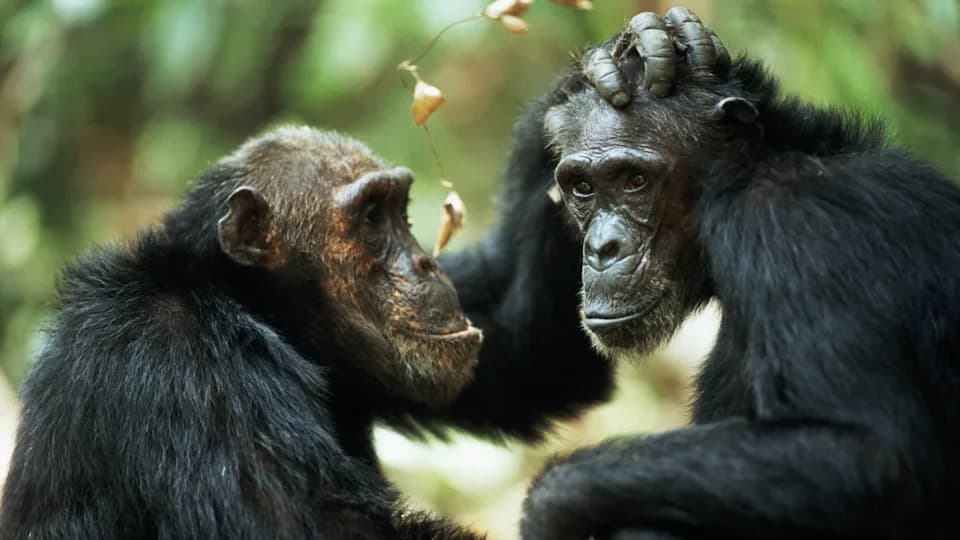
Researchers argue that humans form hierarchies not only through force but by voluntarily deferring to expertise, creating prestige-based systems. Ethnographic and archaeological evidence shows subtle status differences even in so-called egalitarian societies. Computer simulations and lab experiments reveal a tipping point: a strong tendency to follow prestigious individuals produces steep influence hierarchies. Evolutionary models suggest this prestige sensitivity would be favored across generations, though real-world hierarchies can still be abused and require accountability.
Expertise Over Force: Why Humans Build Prestige-Based Hierarchies

Leaders can seem to emerge from the group naturally, based on their skill and expertise.Hiraman/E+ via Getty Images
Bill and Ben were born the same day and both rose to high rank—but in very different ways. Bill, a human, was liked, skilled and respected for his judgment. Ben, a chimp, relied on intimidation and strength. People sought Bill’s advice; they avoided Ben but yielded to his threats. This contrast highlights a fundamental difference in how many human social systems organize status.
Prestige vs. Dominance
Many mammals form dominance hierarchies: physical strength, aggression or alliances translate into priority access to resources and mates. Human societies also have hierarchies—leaders, captains and bosses—but they are often shaped by voluntary deference to expertise. We call these prestige hierarchies: influence and decision-making flow to individuals perceived as skilled, knowledgeable or beneficial to the group.
Why Expertise Matters
Humans evolved in environments that rewarded complex skills, teaching and coordinated cooperation. When technology, craft or coordination matter, people pay attention to who knows how to do things: who can build a kayak, organize a hunt, or lead a construction project. Skilled individuals can convert knowledge into status that often benefits followers as well.
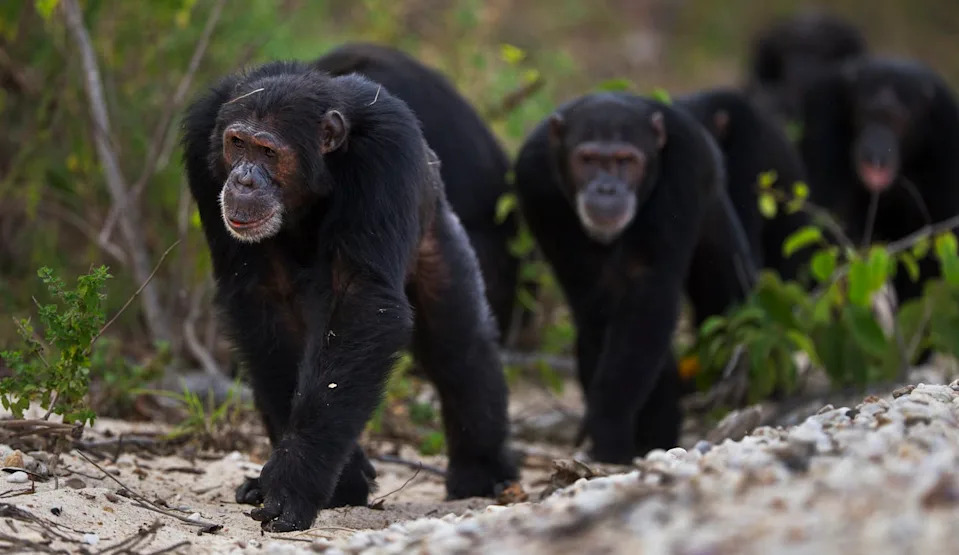
In other primates, leaders secure their dominant roles with physical strength and aggression.Anup Shah/DigitalVision via Getty Images
Evidence From Ethnography, Archaeology, Labs and Models
Ethnographic accounts show respected craftspersons and skilled hunters gaining standing, while overt bullies are often checked by their communities. Archaeology also finds signs of pre-agricultural wealth differences in some contexts, and even so-called egalitarian groups (like the Ju/’hoansi, Hadza and Tsimané) display subtle inequalities in influence and reproductive success.
To test how individual choices scale into social structure, researchers used computer simulations and laboratory experiments. In models where virtual individuals preferentially copied high-status models, a clear pattern emerged: below a threshold, groups remained mostly egalitarian; above it, influence concentrated in a few leaders. Lab groups of U.S. volunteers solving problems also showed a strong tendency to follow prestigious individuals—well above the model’s tipping point—producing clear leaders.
Finally, evolutionary simulations that allowed prestige sensitivity to evolve found that natural selection favored a level of deference very similar to what experiments measured. Over thousands of generations, prestige-seeking psychology became common and strong enough to generate sharp hierarchies.

People pay attention to those who are skilled.Virojt Changyencham/Moment via Getty Images
Limits and Cautions
Prestige hierarchies are not the same as primate dominance hierarchies: low rank in human groups is less often enforced by routine harassment. Still, prestige systems can fail. Leaders may abuse power, be incompetent, or be elevated for reasons unrelated to skill as prestige amplifies itself. The models discussed did not incorporate coercion, so they offer an optimistic view of how prestige can work in isolation. Real-world societies mix prestige and dominance, and accountability mechanisms remain essential.
Takeaway
Human social psychology appears tuned to value and defer to expertise, producing prestige-based hierarchies that—when functioning well—benefit many group members. But because hierarchies can be abused or miscalibrated, institutions and norms that hold leaders accountable are critical to prevent exploitation.
This article is republished from The Conversation. Original research and analysis by Thomas Morgan, Arizona State University. Morgan has received research funding from DARPA, the NSF and the Templeton World Charity Foundation.
Help us improve.