Douglas Rushkoff argues that technocratic utopianism often masks an elite strategy to escape the consequences of advanced technology. He warns AI is not eliminating labor but shifting it into hidden, lower-paid roles, supported by extensive supply chains and environmental costs. Experts acknowledge disruption and stress that governance, policy and redistribution will determine whether AI widens inequality or benefits society more broadly.
Rushkoff: Tech Utopianism Masks Billionaires’ Escape Plans — Not Salvation

Media theorist Douglas Rushkoff warns that the shiny rhetoric of a silicon-driven utopia often serves as a cover for an elitist escape strategy. In a wide-ranging interview on the Repatterning Podcast with Arden Leigh, Rushkoff argued that many tech billionaires are less interested in "saving the world" than in insulating themselves from the social and environmental fallout of the technologies they champion.
Signs of Private Doubt
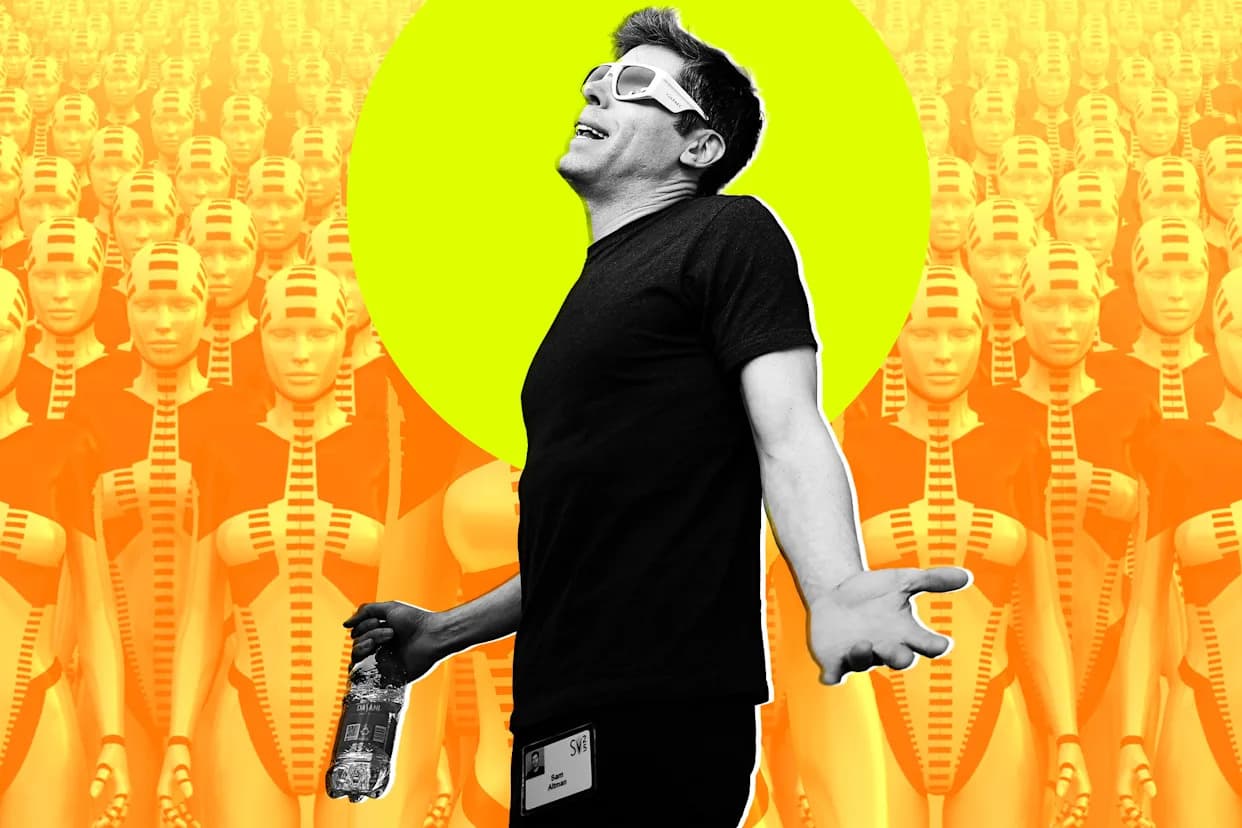
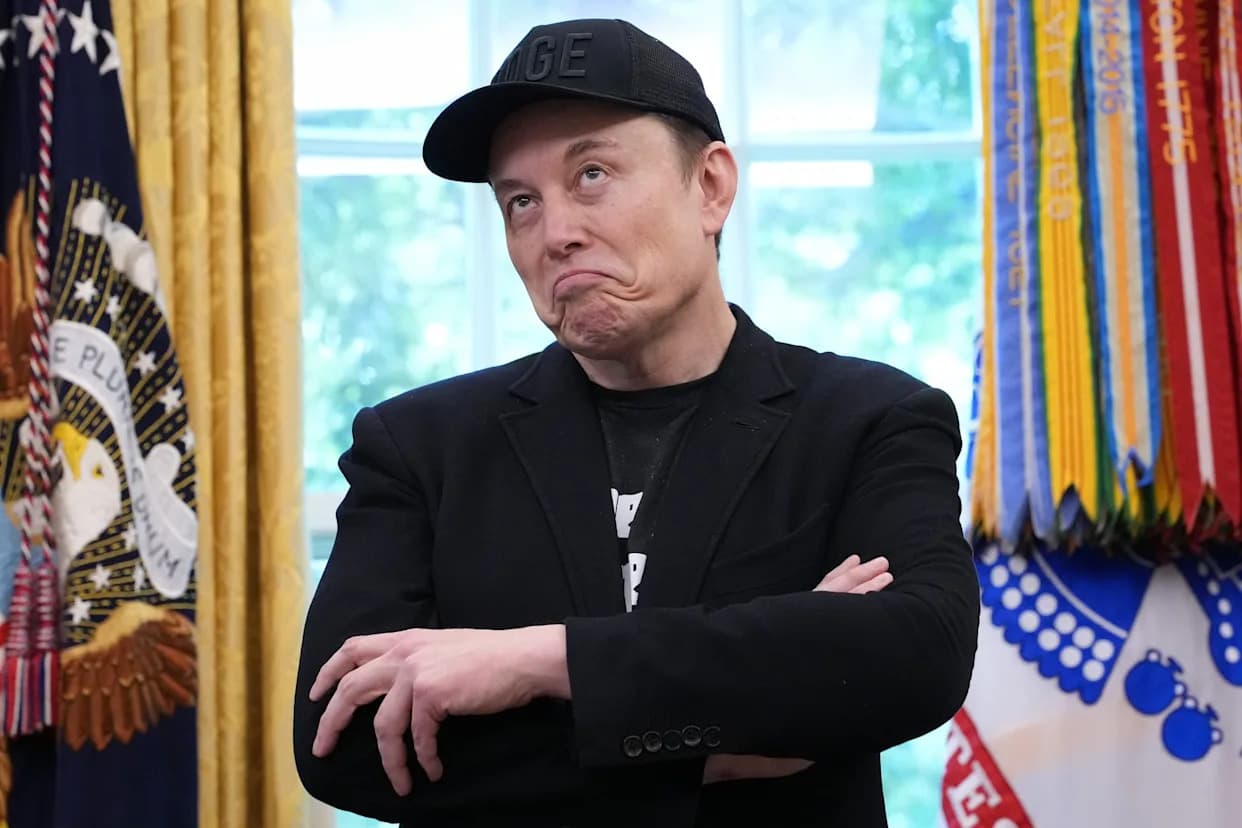
Rushkoff pointed to reports that figures such as Mark Zuckerberg and Sam Altman are investing in bunkers, and that Elon Musk promotes space colonization. To Rushkoff, those moves undercut public optimism: they suggest that some leaders privately expect collapse rather than a technological golden age.
"What they’ve done by building their bunkers and revealing their various space plans is they’ve exposed the fact that they do not believe that the things they are making are going to save the world," Rushkoff said. "They believe that the things they’re making could save them and that the rest of us are going down."
Hidden Labor and the Myth of Post-Work
Rushkoff also disputes the notion that AI simply eliminates human labor. Instead, he says, AI often shifts work into less visible, lower-paid and more exploitative forms — from mineral extraction to massive data-labeling operations.
"We’re not actually seeing a reduction in labor because of AI," he said. "What we’re seeing is a downskilling of labor."
He warned that the infrastructure supporting advanced AI — mining rare-earth metals, running data centers, annotating datasets — relies on vast, often overlooked human labor and environmental costs. "There are thousands and thousands of people behind AI," he said. "So far, there are lots and lots of jobs — just not jobs that we want to have."
Responses From Experts
Not everyone accepts Rushkoff’s more conspiratorial framing. David Bray, chair of the Accelerator and a distinguished fellow at the Stimson Center, advised against extremes: while he agreed that utopian narratives can gloss over real implementation challenges, he warned that swapping optimism for alarmism can be misleading.
Labor-market evidence supports parts of Rushkoff’s critique. Lisa Simon, chief economist at Revelio Labs, says entry-level and low-wage occupations show the biggest demand declines. "We’re seeing this mostly in low wage work, where the complexity of tasks is a little lower and the ability to replace entire chunks of an occupation through automation is a given," she told Decrypt, adding that these roles are also experiencing weaker wage growth.
NYU’s Vasant Dhar framed the situation as a likely bifurcation: AI will amplify productivity for some while disempowering others, with outcomes hinging on governance choices rather than technology alone.
What Matters Most: Governance and Policy
The experts interviewed argue that the trajectory of AI’s social impact is not predetermined. Policy interventions, clearer accounting of environmental and human costs, and stronger governance could mitigate harms and shape more equitable outcomes.
Rushkoff’s central warning — that elite utopian storytelling can obscure unequal risks and private preparations for escape — adds urgency to debates about transparency, labor protections, and democratic oversight of emerging technologies.
Help us improve.