The study in Applied Cognitive Psychology surveyed 253 adults across four countries and used a 10-point "cover-up" scale plus the HTPI personality inventory. Researchers found a strong link between conspiracy belief and low tolerance of ambiguity, and a separate link to viewing the world as unjust. Education level showed no protective effect. The authors call for larger, more diverse studies to confirm and extend these findings.
Study Finds Conspiracy Belief Tied to Intolerance of Uncertainty and Perceived Injustice

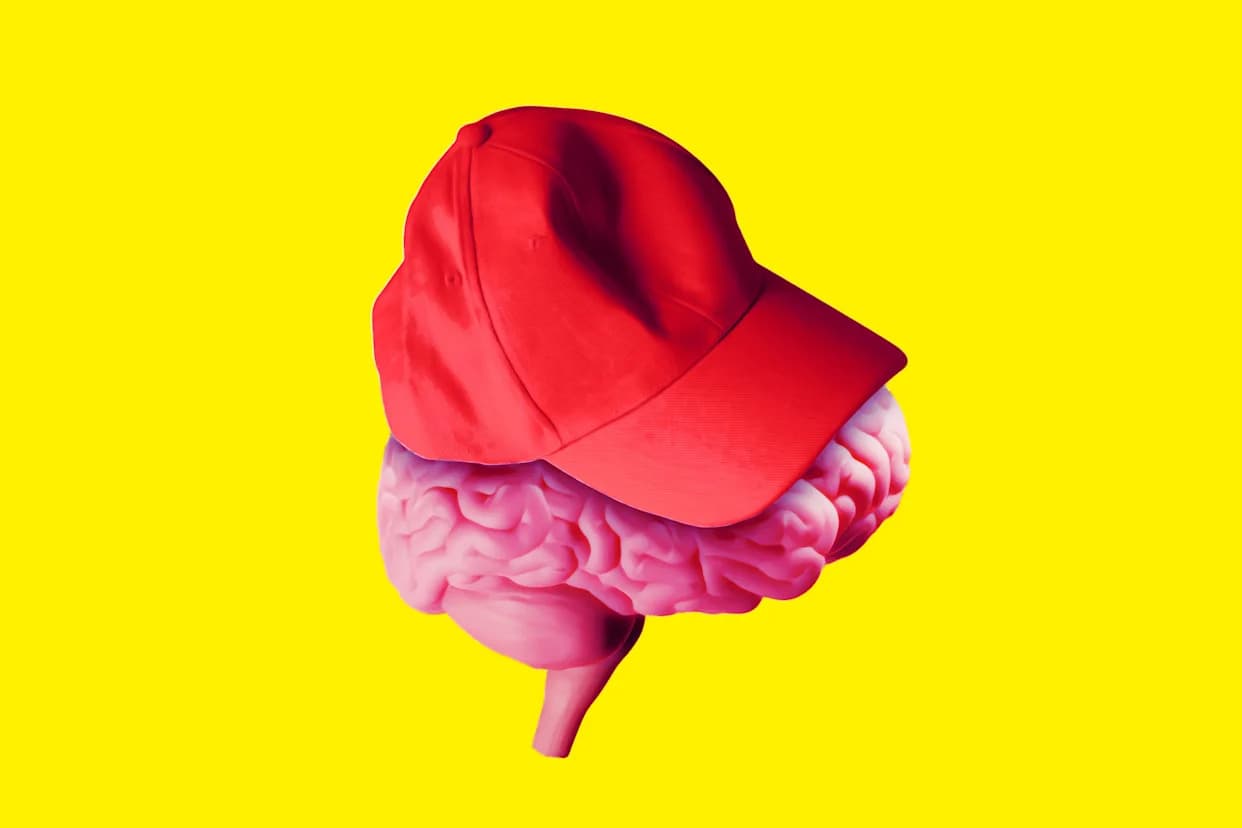
Illustration by Tag Hartman-Simkins / Futurism. Source: Getty Images
A new paper in Applied Cognitive Psychology suggests that the people most likely to endorse conspiracy theories are those who struggle with uncertainty and who view the world as fundamentally unfair — not necessarily those with less education or lower intelligence.
Study Details
The research analyzed 14 variables across demographics, ideology, and personality to identify factors associated with conspiratorial thinking. The sample included 253 adults (average age 49) recruited primarily from the UK, US, Canada and South Africa. To measure conspiratorial thinking the authors developed a 10-point "cover-up" scale based on agreement with statements such as "politicians usually do not tell us the true motives for their decisions" and "government agencies closely monitor all citizens." Participants also completed the High Potential Trait Indicator (HTPI), a personality inventory that assesses six traits, including competitiveness and tolerance of ambiguity.
Key Findings
The strongest association the researchers identified was between endorsement of conspiracy beliefs and a low tolerance of ambiguity. In other words, people who feel uncomfortable with uncertainty or who prefer clear, simple explanations were more likely to accept cover-up narratives that offer tidy answers to complex events.
“Few, if any, researchers have taken into account the ‘cover up’ perspective of conspiracy believers.” — Adrian Furnham, lead author
The study also found a significant relationship between conspiratorial thinking and a worldview that perceives human affairs as unjust: participants who endorsed an "unjust world" perspective were more prone to suspect hidden groups manipulating events. By contrast, there was no detectable link between a participant’s formal education level and their propensity to endorse implausible conspiracies.
What "Intolerance of Ambiguity" Means
Intolerance of ambiguity describes discomfort with uncertain, complex, or contradictory information. People low in this trait may prefer definite explanations — even if inaccurate — to the nuance and complexity often present in real-world events. That psychological preference helps explain why some individuals gravitate toward conspiratorial narratives that supply a single, coherent (but unproven) explanation.
Limitations And Next Steps
While the findings are suggestive, the authors note several limitations. The sample size (253) is modest and drawn largely from English-speaking countries, which may limit generalizability. The study is correlational, so it cannot establish causation — intolerance of ambiguity may contribute to conspiratorial belief, or conversely, engagement with conspiratorial content might reinforce intolerance. Measures were self-reported, and the new 10-point scale will benefit from further validation.
Future research should use larger, more diverse samples, longitudinal designs to probe causality, and experimental methods to test whether reducing intolerance of uncertainty affects susceptibility to conspiracy claims.
Why It Matters
These results shift the conversation away from simplistic explanations that blame lack of education or intelligence. Instead, they point to psychological needs — namely, the desire for certainty and a sense of justice — that shape how people interpret events. Understanding those drivers could improve communication strategies aimed at reducing the spread of harmful misinformation.
Help us improve.