President Xi Jinping called for accelerated, coordinated development of artificial intelligence while warning against wasteful expansion and idle computing capacity. Citing breakthroughs such as DeepSeek’s efficient large language model, Beijing is betting on software innovation to ease hardware restrictions. The government will prioritise domestic AI and semiconductor growth under the 15th Five‑Year Plan (2026–2030), balancing technological ambition with tighter oversight and resource optimisation.
Xi Jinping Accelerates China’s AI Push — But Warns Against Wasteful Overcapacity
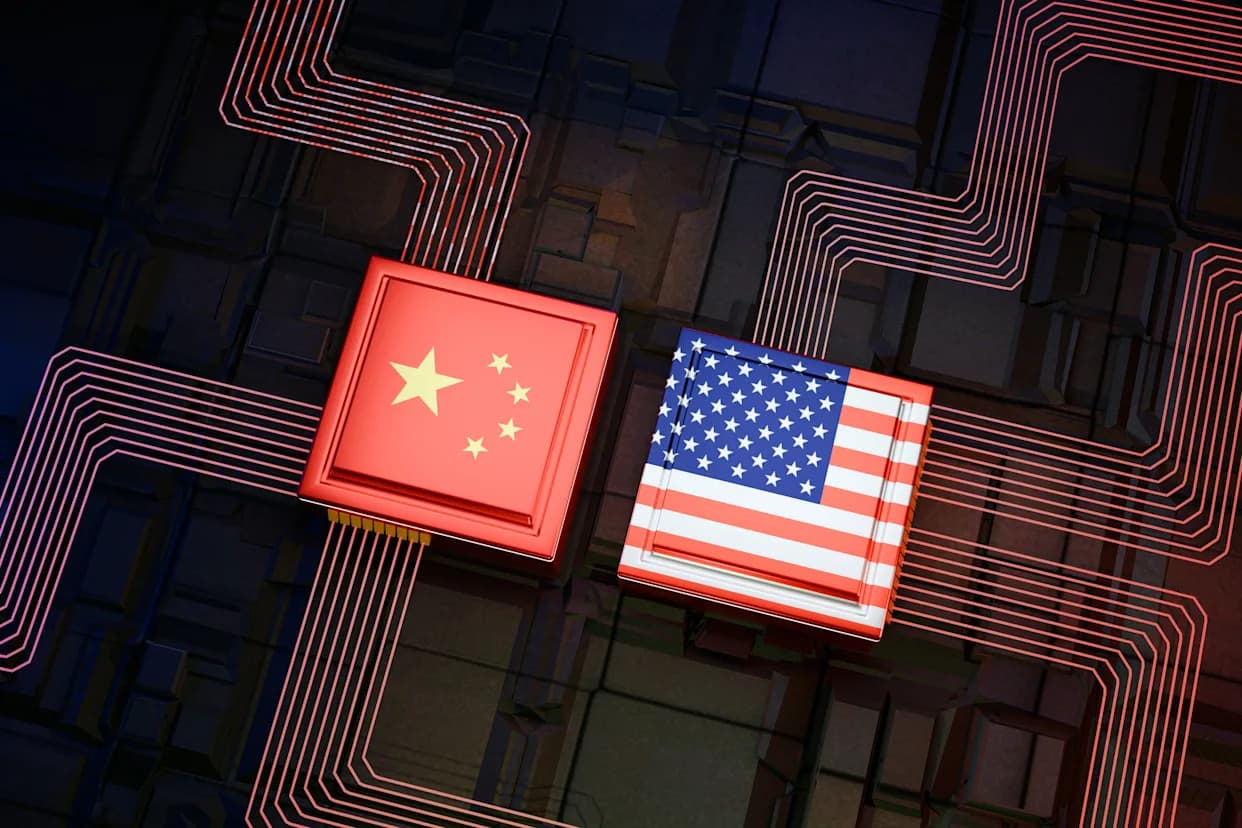
Credit: Getty Images
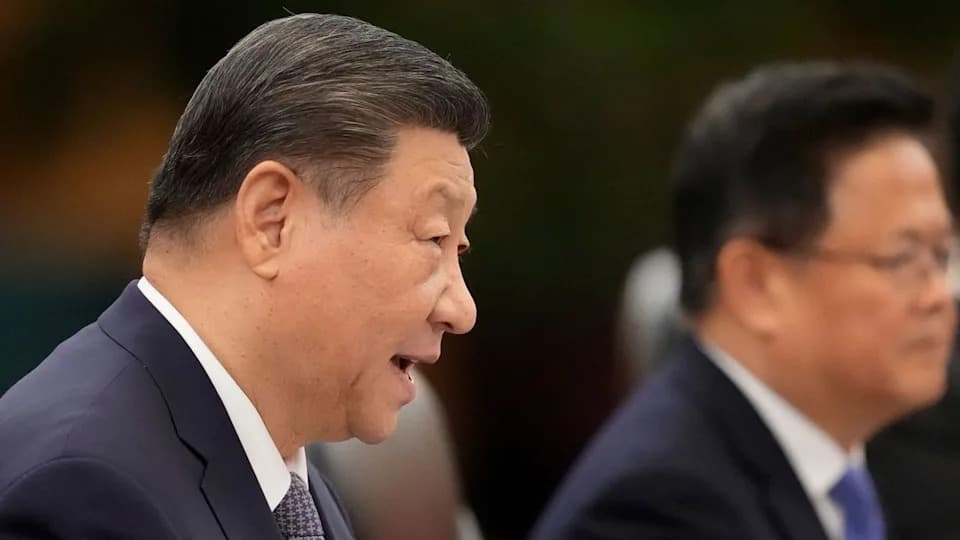
Chinese President Xi Jinping has urged faster, more disciplined development of artificial intelligence while warning against wasteful expansion and idle computing capacity. In his first formal meeting with ministers in 2026, Xi described AI as an 'epoch‑making' technological transformation on a par with quantum computing and biotechnology, and comparable in impact to the industrial revolution and the early Internet era.
Policy Direction: Coordination and Caution
Xi called for a 'whole‑of‑nation' strategy to remove persistent bottlenecks that slow indigenous technology progress and to preserve China’s global competitiveness. He urged coordinated support across research, industry and deployment to strengthen homegrown capabilities, while stressing that AI adoption should align with local needs rather than be imposed uniformly.
Software Gains Versus Hardware Constraints
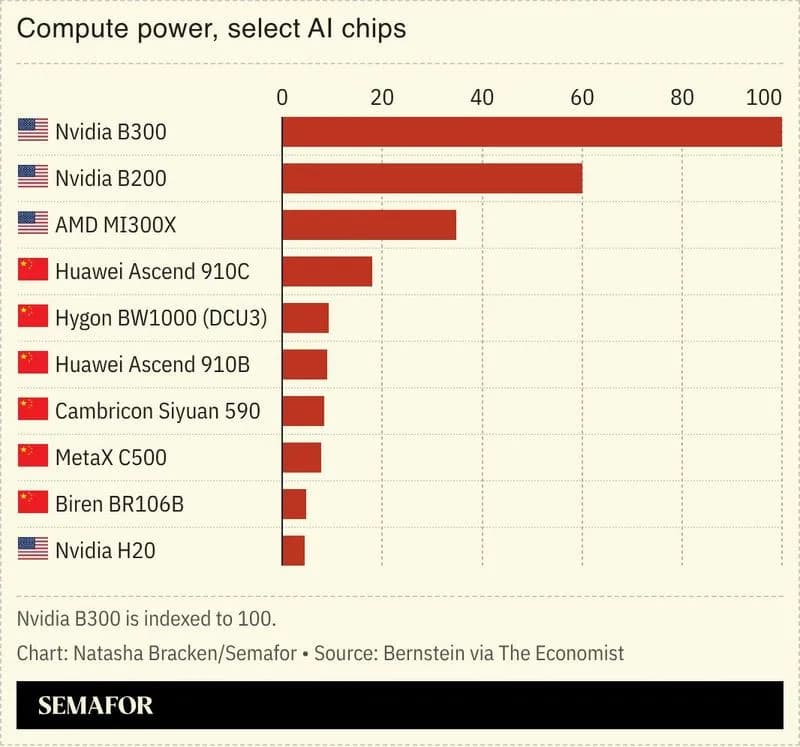
Beijing’s confidence in software‑level advances has been boosted by domestic breakthroughs. Over a year ago, Chinese firm DeepSeek unveiled a large language model that reportedly matched the performance of leading Western systems from OpenAI and Meta while using roughly eleven times less computational power. That achievement intensified interest in software optimization as a way to partially offset restrictions on access to advanced foreign hardware.
Domestic Industry And Resource Management
Officials have reinforced policy focus on building domestic AI and semiconductor industries even as access to the most advanced foreign accelerators remains limited. At the same time, Xi warned provincial authorities against unchecked or reckless spending on technology projects: AI initiatives should augment existing sectors and infrastructure rather than replace them indiscriminately.
His comments reflect recent problems with excess idle computing capacity in national data centers. Authorities have begun selling surplus capacity, tightening oversight and requiring better resource optimisation to prevent waste and to improve return on public investment.
Looking Ahead
China is preparing its 15th Five‑Year Plan for 2026–2030, which will formalise policy toward what Beijing calls 'new productive forces.' AI sits at the center of that strategy both as a tool for industrial modernisation and as an area of strategic competition with the United States. Xi’s remarks signal a dual approach: an ambitious push for leadership in AI paired with pragmatic measures to manage inefficiency and overcapacity.
Bottom line: Expect stronger national coordination on AI and chips, targeted investment in domestic capabilities, and tighter oversight to curb wasteful spending and idle compute.
Help us improve.