The UN warns the 1.5°C limit will likely be exceeded in the early 2030s, underscoring the urgency of climate action. Still, several positive developments offer cautious optimism: the High Seas Treaty will protect over 40% of the ocean; China expanded renewables dramatically and set ambitious targets; and the EU reported falling emissions and remains on course for its 2030 goal. The ozone hole is healing, regional air quality has improved in places like Shanghai, and Paris has accelerated pedestrianisation and clean mobility.
Climate Action Is Urgent — 8 Positive Developments to Start the Year

Where can nations get the green power they need? Patrick Pleul/dpa
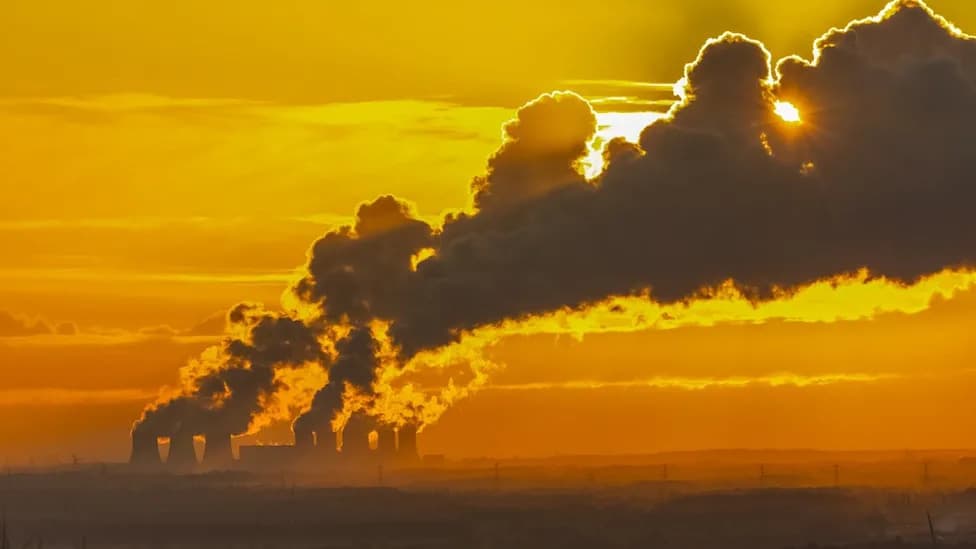
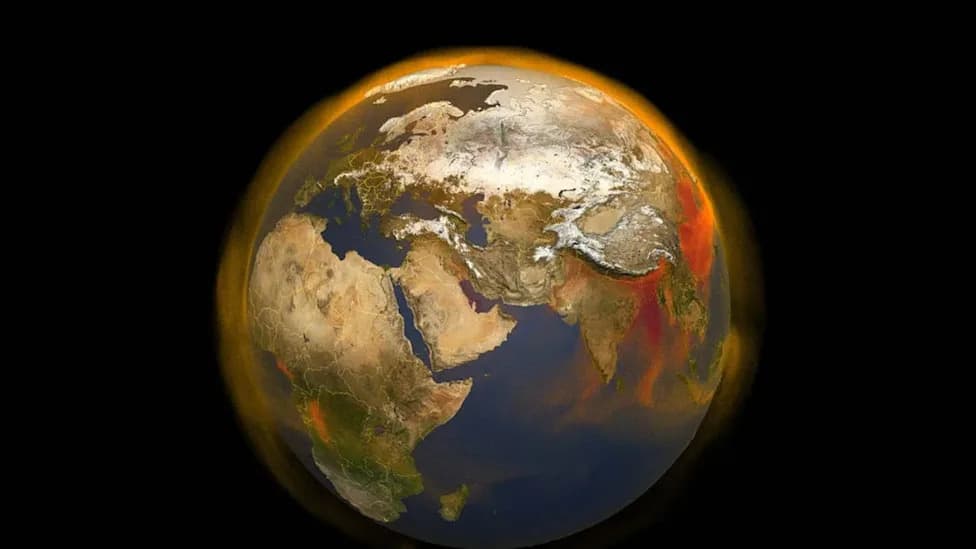
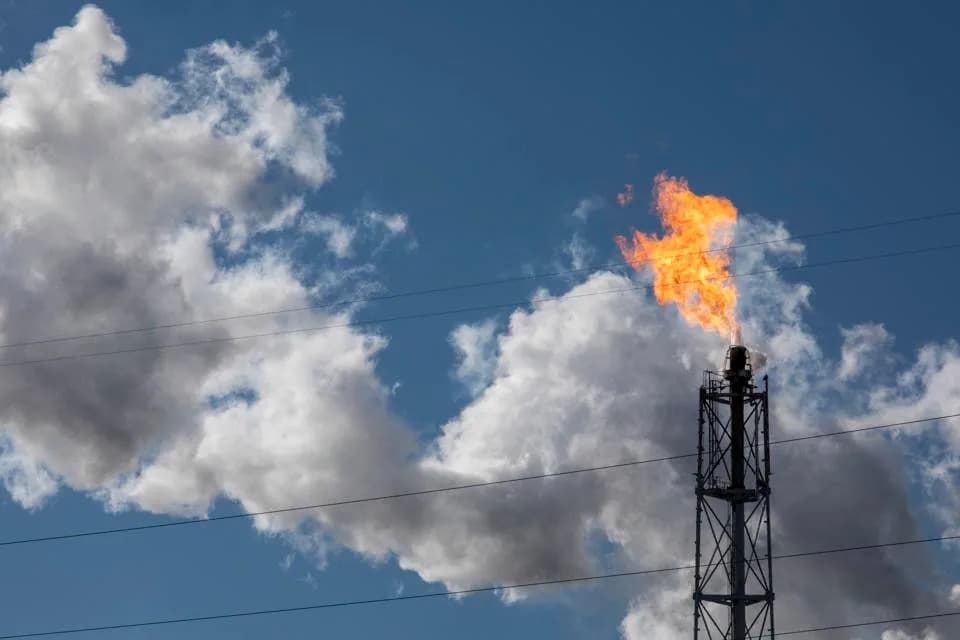
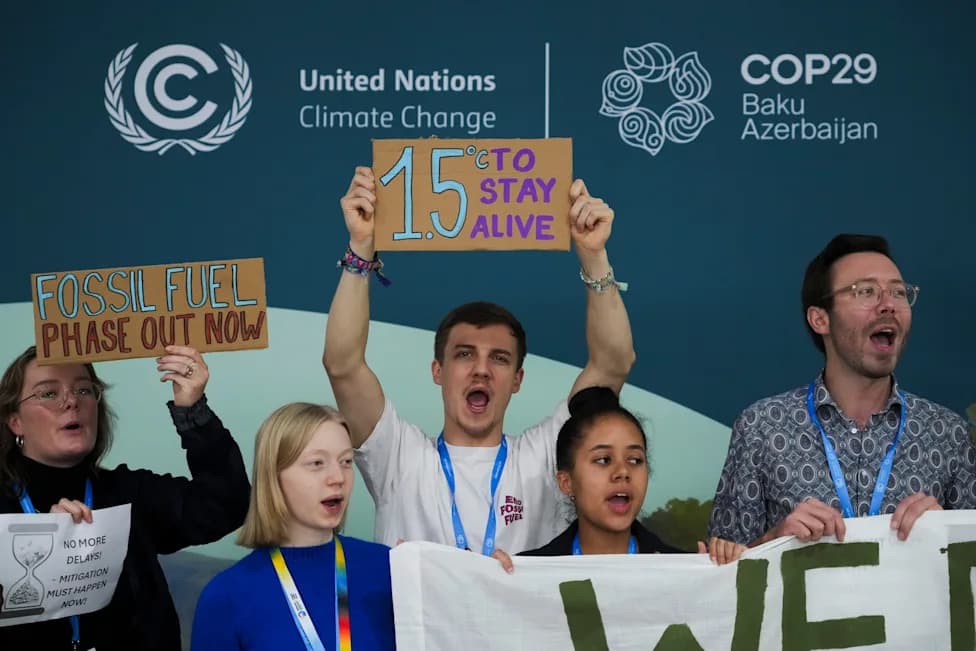
Efforts to limit global warming are more urgent than ever after the United Nations warned that the world is unlikely to keep temperature rise within the 1.5°C guardrail set by the 2015 Paris Agreement. Speaking at COP30 in Brazil, UN Secretary-General António Guterres called it a "moral failure" that continued reliance on fossil fuels makes exceeding 1.5°C in the early 2030s all but inevitable.
That sober reality matters, but recognising concrete progress can be motivating and informative. Below are eight notable developments that offer reasons for cautious optimism in global climate and environmental action.
High Seas Treaty To Take Effect
A UN treaty enabling the creation of marine protected areas on the high seas secured the required ratifications in September and is scheduled to enter into force on 17 January 2026. The agreement—endorsed by more than 160 countries during negotiations in 2023 and described by conservation group Pro Wildlife as a "milestone"—allows the protection of areas beyond national jurisdiction (which cover over 40% of Earth’s surface) and requires environmental assessments of activities like fishing.
China’s Rapid Expansion of Renewables
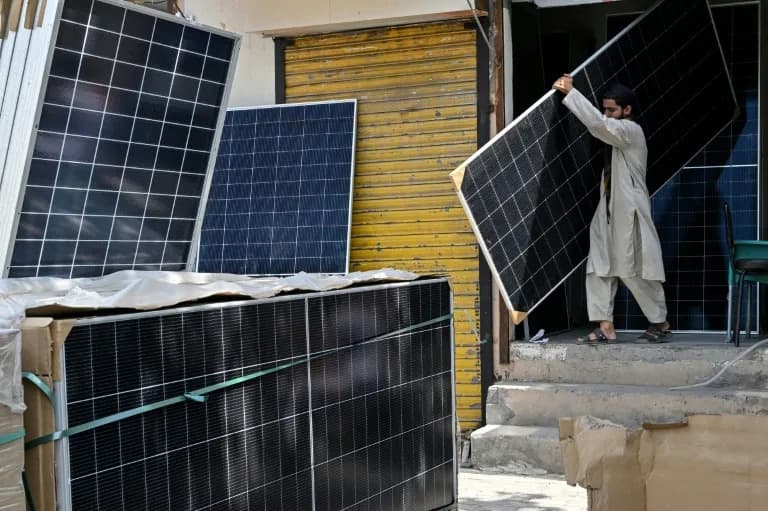
China remains the world’s largest emitter of CO2 and continues to rely on coal, but it is also scaling renewable energy at unprecedented speed. President Xi Jinping announced targets to raise non-fossil fuels to more than 30% of the energy mix and to expand wind and solar capacity to 3,600 GW by 2035—roughly six times 2020 levels. In 2024 China added 373 GW of capacity (mostly solar), a 23% increase year-on-year, and pledged to reduce greenhouse-gas emissions by 7–10% from peak levels by 2035.
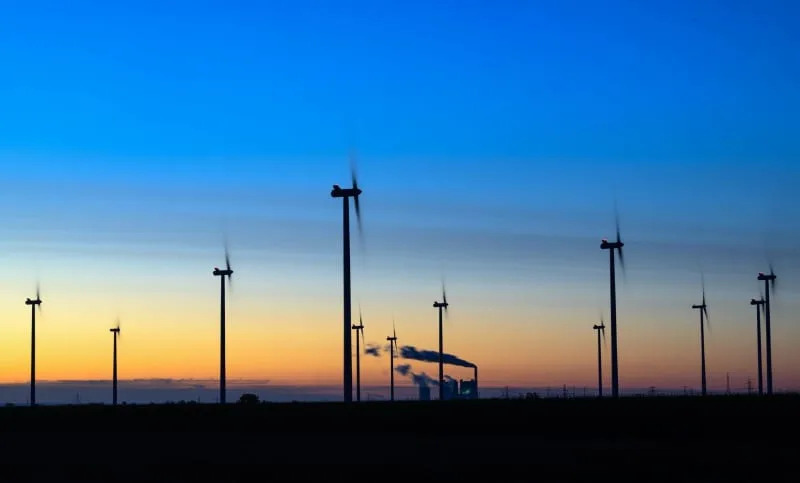
Germany needs to work faster to get renewable energy to the areas where it is needed. Hendrik Schmidt/dpa
EU On Track For 2030 Goal
After difficult internal negotiations, the European Union agreed in December on a pathway to cut greenhouse-gas emissions by 90% vs 1990 levels by 2040, allowing up to 5% of those reductions to be met from 2036 onward via international carbon credits. The European Environment Agency reported a 2.5% fall in EU emissions in 2024, and concluded the bloc is on track for its self-imposed 55% reduction by 2030 provided current and planned measures are implemented.
Ozone Hole Continues to Heal
Global measures taken since the late 1980s to phase out ozone-depleting chemicals are delivering results. The World Meteorological Organization reported the 2024 ozone hole was smaller than in 2020–2023, and projects the ozone layer will recover to 1980s levels by mid-century after the phase-out of over 99% of regulated substances such as CFCs.
Regional Air Quality Improving
Air pollution remains a major health threat globally, but some regions are seeing improvements. The WMO highlighted significant gains in the Shanghai region thanks to expanded parks and tree cover and a rise in electric vehicles. Particulate-matter concentrations have also fallen across North America and Europe following targeted environmental policies.
Paris Advances Pedestrianisation and Clean Transport
Paris continues to lead on urban mobility reform. Since around 2002 car traffic has declined by nearly 50% in parts of the city, riverside roads along the Seine have been transformed into pedestrian leisure areas, and a 30 km/h speed limit covers large sections of the city. More than 200 streets are already car-free and another 500 are planned to become pedestrian zones after a recent referendum—changes strongly linked to improved urban air quality.
Why this matters: None of these developments negates the scale of the climate challenge, but together they demonstrate that international treaties, policy shifts and investments in clean energy and urban design can produce measurable environmental benefits. These examples highlight pathways policymakers and communities can scale up to reduce emissions and protect ecosystems.
Help us improve.