Southeast Asia is experiencing the world’s fastest growth in coal demand, with the IEA projecting more than 4% annual increases through 2030, led by Indonesia and Vietnam. That surge threatens progress on the $15.5 billion JETP commitments and is driven by concerns over energy security, costs and strained power systems. Indonesia has rolled back a coal phase‑out pledge and faced setbacks retiring plants, while Vietnam has rapidly expanded solar but still imported record volumes of coal amid grid and financing shortfalls. Policy shifts and funding gaps mean the region’s transition to renewables will be slow and politically fraught in the coming years.
Rising Coal Demand in Southeast Asia Threatens Renewable Transition
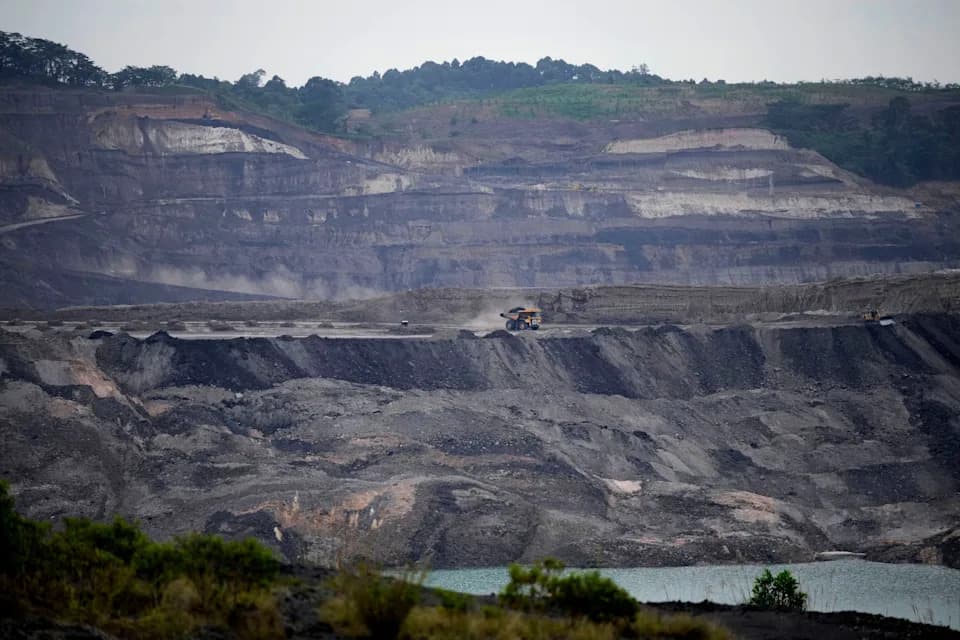
FILE - A dump truck carrying coal navigates its way near a coal mining pit in Sanga-Sanga, East Kalimantan, Indonesia, Dec. 20, 2022. (AP Photo/Dita Alangkara, File)(ASSOCIATED PRESS)
Southeast Asia’s appetite for coal is outpacing the rest of the world, jeopardizing efforts to cut carbon emissions even as countries pursue renewable energy ambitions.
Coal Demand Forecast and Regional Context
The International Energy Agency (IEA) projects that regional coal demand will grow by more than 4% per year through the end of the decade, driven by expanding electricity needs across a population of more than 600 million. Indonesia — home to roughly 285 million people — is expected to account for over half of that increase, followed by Vietnam. Coal currently supplies just over a third of Southeast Asia’s electricity, making the region the third-largest coal consumer globally after India and China.
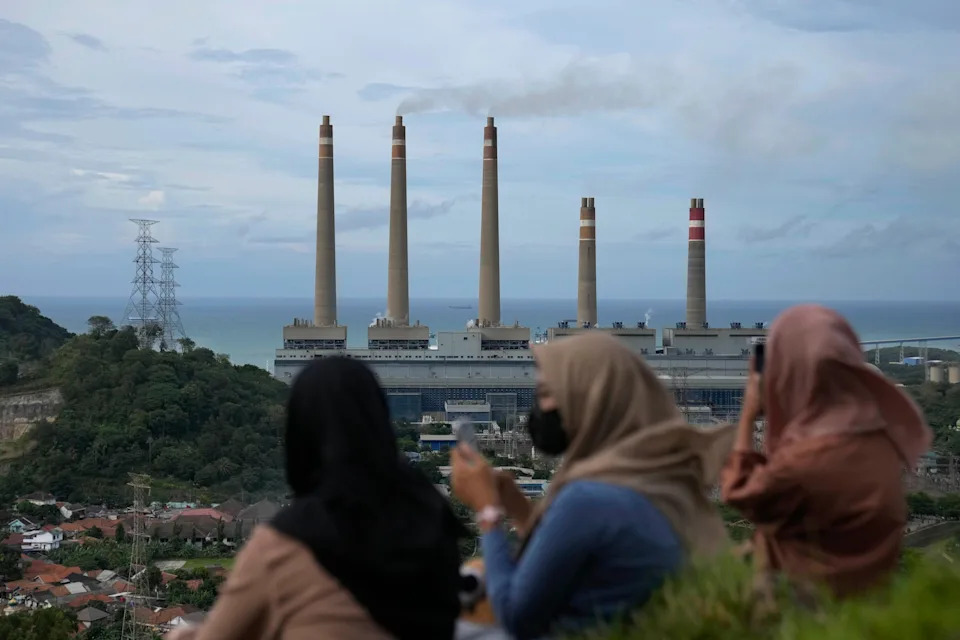
FILE - Women sit on a hill overlooking the Suralaya coal power plant in Cilegon, Indonesia, Jan. 8, 2023. (AP Photo/Dita Alangkara, File)(ASSOCIATED PRESS)
Funding, Politics and Energy Security
Those trends cast doubt on the $15.5 billion in Just Energy Transition Partnership (JETP) commitments signed by Indonesia and Vietnam in 2022 to help finance their transitions to renewables. Policy shifts abroad, including a 2025 U.S. withdrawal from JETP under the Trump administration, have further complicated financing and implementation.
“We’re standing on two opposite grounds — wanting to build clean energy, but not letting go entirely of coal,” said Katherine Hasan, an analyst at the Centre for Research on Energy and Clean Air.
Policymakers and industry officials cite cost and energy security as primary reasons for continued coal reliance. “Nobody burns coal for fun,” said Paul Baruya of FutureCoal, a group backed by the fossil-fuel industry. He argued that coal underpins a level of energy security the region still needs and that rapid cutbacks would mean writing off billions of dollars of existing infrastructure.
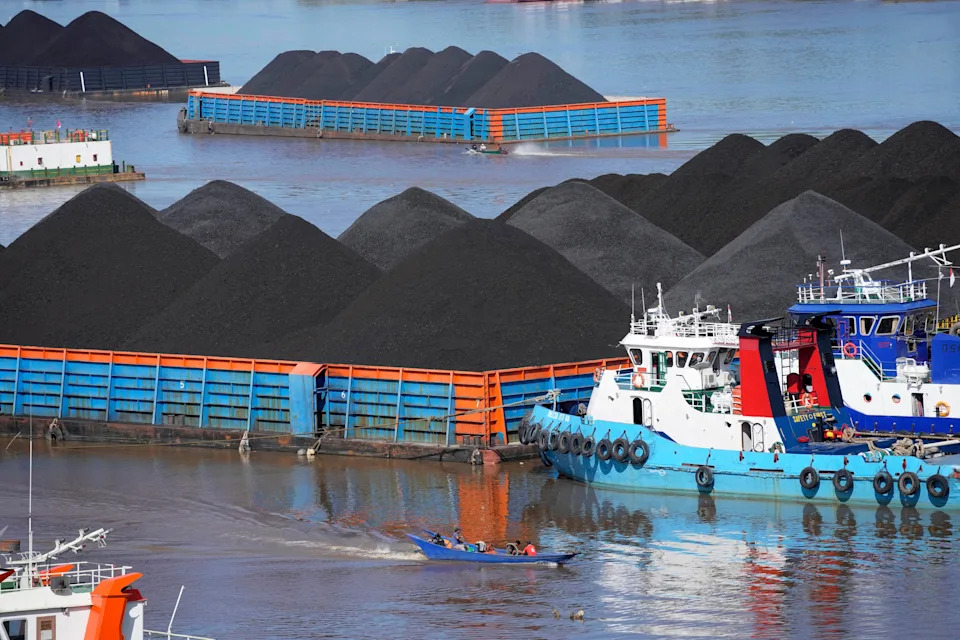
FILE- Boats cruise near barges fully loaded with coal on the Mahakam river in Samarinda, East Kalimantan, Indonesia, on Dec. 19, 2022. (AP Photo/Dita Alangkara, File)(ASSOCIATED PRESS)
Indonesia: Backtracking and Global Implications
Indonesia is the world’s largest coal exporter and Southeast Asia’s top carbon emitter, making its choices critical for the regional transition. A long-running plan to retire a coal-fired plant in West Java fell through recently, and the country’s updated climate pledge removed an earlier commitment to phase out coal by 2040. Climate Action Tracker rated Indonesia’s updated targets as “critically insufficient,” noting they do not align with the Paris Agreement.
Critics warn Indonesia’s hesitation has broader implications. “If Indonesia cannot transition away from coal, then why would other developing countries?” said Dinita Setyawati of the think tank Ember. Meanwhile, Indonesia continues to weigh options that could allow future construction of new coal plants.
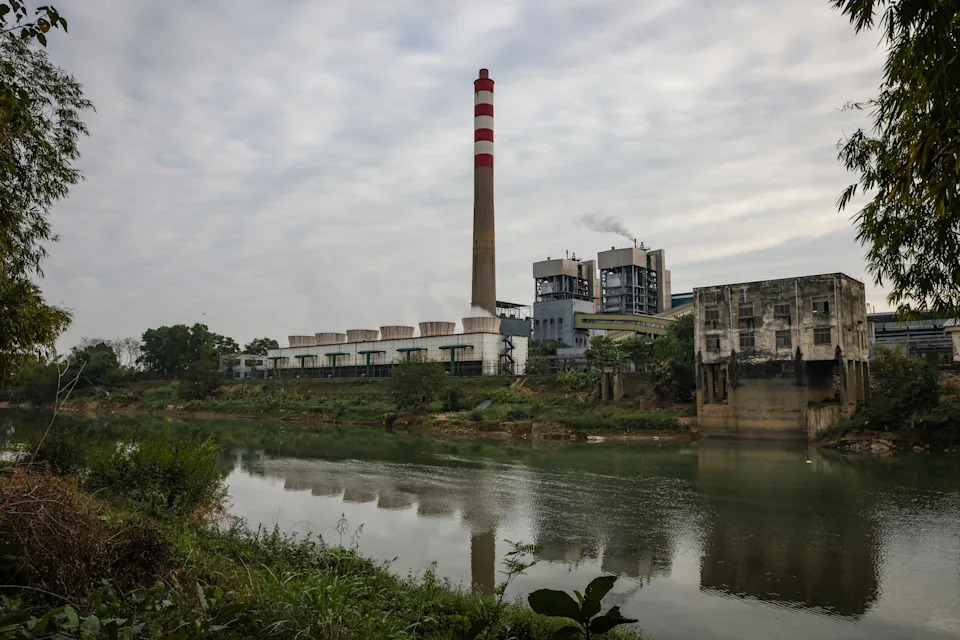
FILE -Cao Ngan Thermal Power Station, a coal-fired power plant, operates on, Jan. 28, 2025, in Thai Nguyen, Vietnam. (AP Photo/Yannick Peterhans, File)(ASSOCIATED PRESS)
The human and economic toll of climate-related extremes is rising: last year more than 700 people died in severe floods and landslides linked to extreme weather, and continued coal dependence risks worsening air pollution in cities such as Jakarta.
Vietnam: Rapid Solar Growth — But Coal Still Climbs
Vietnam has been a standout in the region for fast solar expansion, growing capacity from 4 megawatts in 2015 to 16 gigawatts by 2025, with official targets ranging from about 73 gigawatts by 2030 to nearly 295 gigawatts by 2050. Yet coal imports hit a record in 2025, exceeding 65 million metric tonnes — up 2.6% year-on-year, according to customs data.
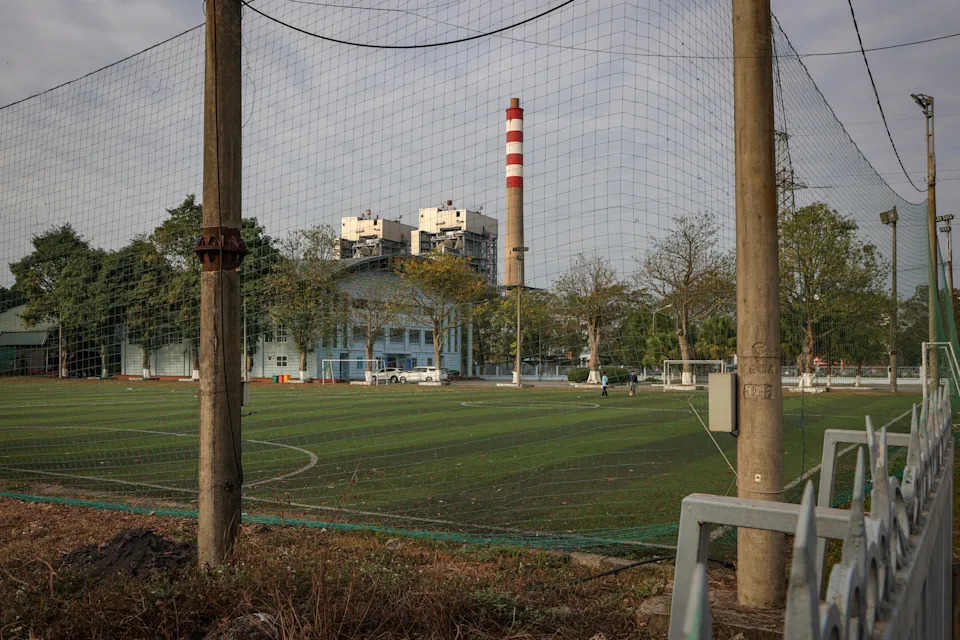
FILE -Cao Ngan Thermal Power Station, a coal-fired power plant, operates on Jan. 28, 2025, in Thai Nguyen, Vietnam. (AP Photo/Yannick Peterhans, File)(ASSOCIATED PRESS)
That increase partly reflects caution after power shortages in 2023, when drought reduced hydropower output and caused an estimated $1.4 billion in losses, the World Bank said. To sustain strong GDP growth, Vietnam plans to boost electricity sales substantially, and the government has permitted large companies such as LEGO and Samsung to buy power directly from wind and solar producers — a move that could raise the renewable share from roughly 19% to about 42%, Ember estimates.
However, Vietnam’s power grid is strained by the rapid, uneven rollout of renewables and years of underinvestment in transmission. Officials estimate about $18 billion is needed by 2030 to upgrade the network; committed funding to date covers only a fraction of that.
Outlook for JETP and the Decade Ahead
Momentum for JETP-supported projects in Indonesia and Vietnam is expected to be slow this year. Putra Adhiguna of Jakarta’s Energy Shift Institute said Indonesia’s cancelled retirement of the West Java plant and the 2025 U.S. withdrawal from JETP have shaken confidence in near-term deliverables. “Expectations for the billion-dollar JETP deals were set too high,” he said. “JETP was basically a brute force attempt to do a transition ... But fundamentally there are things that take a bit of time and political commitment to happen.”
The policy choices made in this decisive decade will shape how the region copes with extreme weather, air pollution, and global climate goals — and whether investments in renewables can outpace the short-term security and cost reasons that keep coal central to Southeast Asia’s energy mix.
Delgado reported from Bangkok. Edna Tarigan in Jakarta contributed to this report. The Associated Press’ climate coverage receives support from private foundations; the AP retains editorial control.
Help us improve.