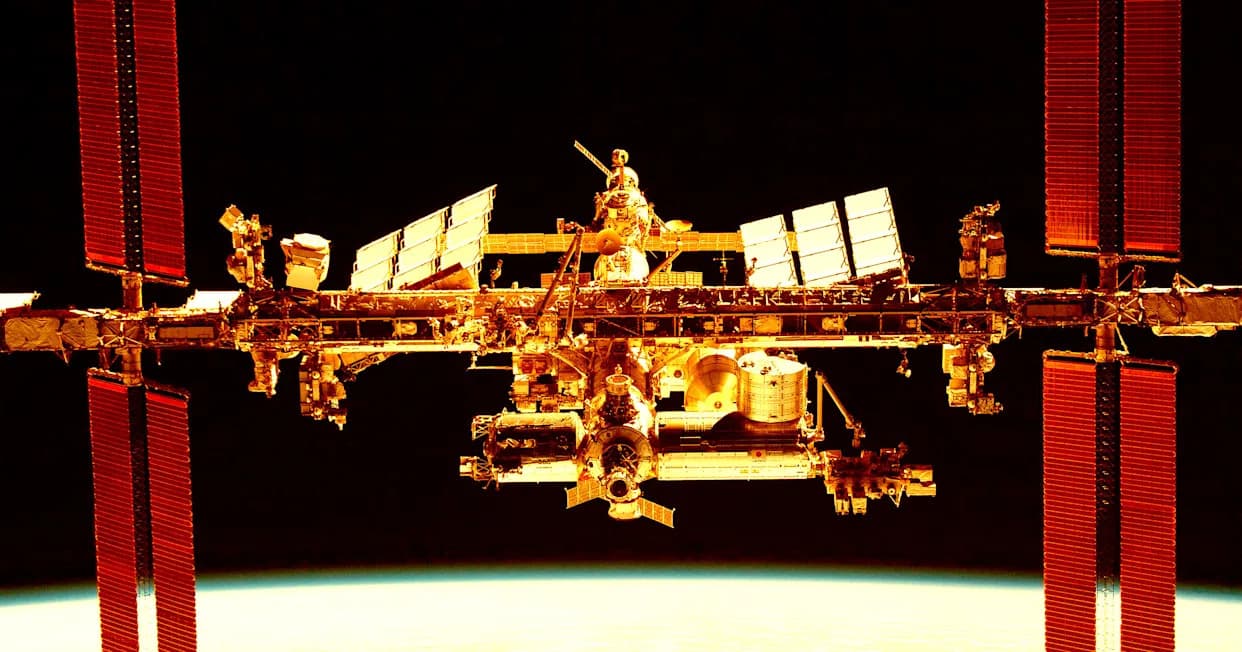
Boeing’s Starliner reached and docked with the ISS last year but could not return its two astronauts as scheduled. Investigators linked the failure to helium leaks that contributed to the loss of four of 28 reaction control thrusters, leaving minimal margin before loss of attitude control. An independent safety panel criticized NASA for delayed and ambiguous disclosure, and NASA has moved the next Starliner mission to an uncrewed flight while investigations and fixes continue.
Starliner’s Troubled Test Flight: Helium Leaks, Lost Thrusters, And A Crisis Of Confidence For NASA

Boeing's Starliner spacecraft on the ground during an inspection. - Nasa/Getty Images
Boeing's Starliner program suffered a high-profile test flight last year that exposed both technical failures and shortcomings in mission communication. The spacecraft launched with two astronauts, reached orbit, and docked with the International Space Station (ISS), but could not return the crew as planned. Subsequent investigations found helium leaks and a partial loss of reaction control thrusters, prompting an independent safety review and changes to future flight plans.
What Went Wrong
Prelaunch and in-orbit checks flagged helium leaks, but NASA cleared the vehicle to proceed. Once docked, however, the problems worsened: the Starliner lost four of its 28 reaction control thrusters, systems that control attitude and small maneuvers. Losing four thrusters left almost no margin for safe control—one more thruster failure could have rendered the spacecraft unable to reliably manage its orientation during approach and reentry.
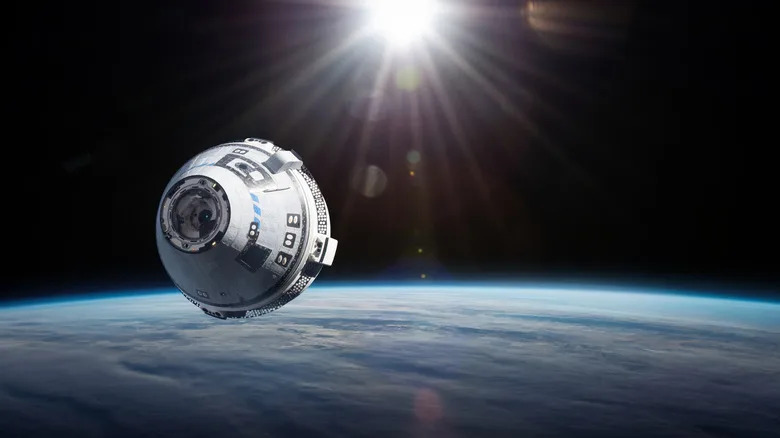
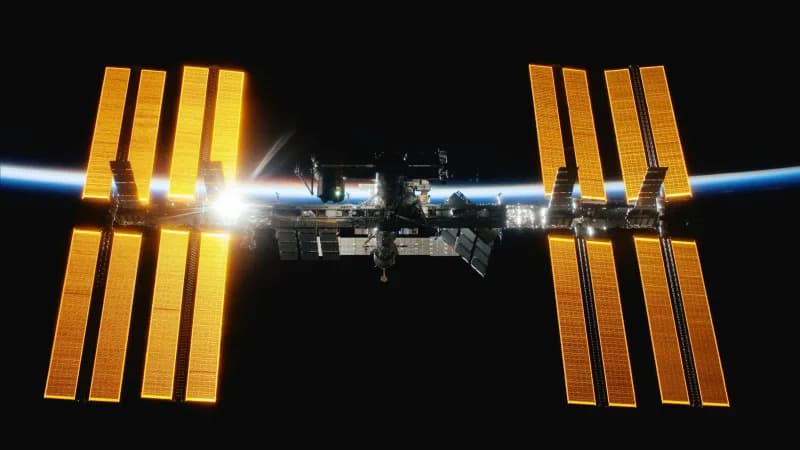
spacecraft like boeing starliner in space above the earth - Dima_zel/Getty Images
Safety And Communication Concerns
Beyond the hardware failures, an independent safety panel criticized how and when information was shared. Panel members said NASA did not promptly or clearly disclose the full extent of the issues to the astronauts or the public, and that agency language suggesting it was "working toward proving" Starliner safe masked the severity of the situation. Panel member Mark Sirangelo urged that any mishap or near‑miss be reported immediately and formally so safety teams can evaluate and mitigate risks without delay.
Mark Sirangelo: Operational mishaps and close calls should be declared formally and promptly so safety risks can be elevated and addressed.
Consequences And Next Steps
After the crew returned safely to Earth, NASA and Boeing launched detailed investigations. As a precautionary change, NASA switched Starliner’s next mission to an uncrewed flight while fixes are implemented and further testing is completed. Observers warn that another failure or collision could generate debris that threatens satellites, the ISS, and other orbital assets.
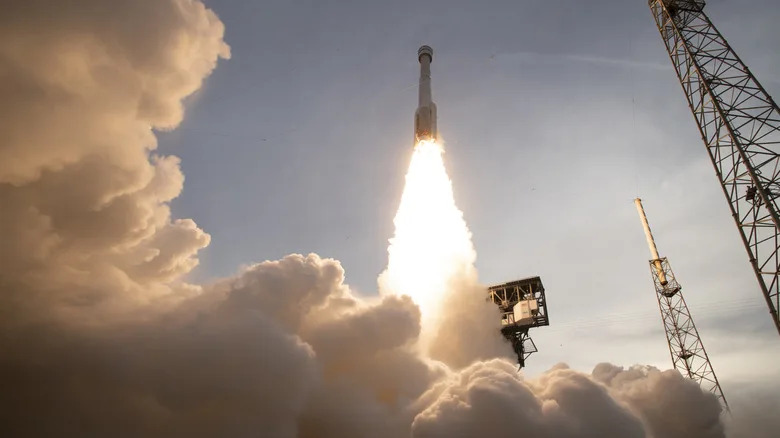
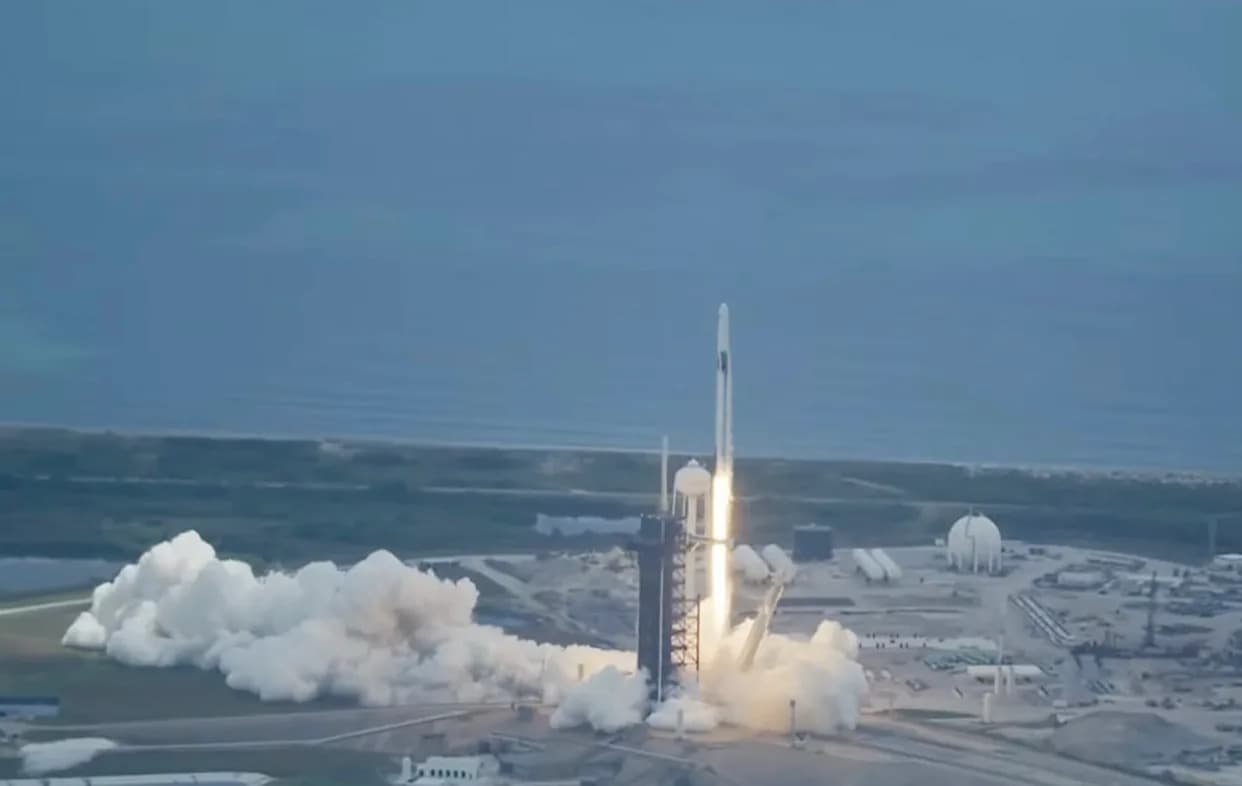
A rocket taking off at Cape Canaveral, rocket booster engines firing, smoke surrounding the rocket. - Nasa/Getty Images
Despite the problems and criticism, both astronauts who flew on Starliner—Butch Wilmore and Suni Williams—have said they would consider flying on the spacecraft again if the known issues are fully corrected. Boeing and NASA continue to work with independent investigators to identify root causes and implement corrective actions.
Context And Outlook
The incident has intensified scrutiny of Boeing's production and integration processes and raised broader questions about how agencies communicate safety risks during missions. While NASA is moving forward with corrective steps, the episode underscores the delicate balance between advancing commercial crew capabilities and ensuring transparency and strict adherence to safety protocols.
Help us improve.