SpaceX is preparing Version 3 of its Starship for a likely 2026 debut from Starbase in South Texas. The company has not set a firm launch date; the FAA advisory listed no Starship launch as of Jan. 7, while SpaceX targets the first quarter of 2026. Version 3 aims to attempt orbital flight and demonstrate on‑orbit refueling — capabilities essential for Artemis Moon missions and future Mars plans. NASA has raised schedule concerns and may consider other lunar lander proposals if development slips.
When Will SpaceX’s Next Starship Fly? What to Expect From a Likely 2026 Debut

The SpaceX Starship spacecraft sits Oct. 12, 2025 atop the Super Heavy booster before sunrise as preparations continue for its 11th test flight from the company's complex in Starbase, Texas.
SpaceX appears close to preparing an upgraded, more powerful Starship prototype — Version 3 — for flight from its Starbase site in South Texas. The next test, referred to as Flight 12, is being watched closely because it could mark the vehicle’s first attempt at orbit and the demonstration of on‑orbit refueling, a capability critical for Moon and Mars missions.
Where Things Stand
Schedule: SpaceX has not announced a firm launch date. The Federal Aviation Administration's operations advisory did not list a Starship launch as of Jan. 7, and independent trackers have suggested a January window. SpaceX has said the mission is targeted for the first quarter of 2026.
Launch Site: Starship test flights originate from Starbase, SpaceX’s facility and company town in Cameron County, Texas, near the U.S.–Mexico border.
Why Version 3 Matters
When fully stacked, Starship stands at more than 400 feet tall. The previous full‑scale prototype, Version 2, used a 232‑foot Super Heavy lower booster and a 171‑foot upper‑stage Starship. SpaceX is developing the system to be fully reusable—both stages returning to fly again—and Version 3 aims to take the program further by:
- Attempting orbital flight that previous iterations did not fully achieve, and
- Demonstrating on‑orbit refueling of the upper stage, a technique essential for deep‑space missions such as crewed trips to the Moon and Mars.
Program Progress and Pressure
In 2025 SpaceX conducted five Starship test flights. The first three ended prematurely, but the program closed the year with successful August and October missions. The Oct. 13 flight was the final test of Version 2, and SpaceX is now assembling and testing Version 3 ahead of its expected 2026 debut.
Beyond technical goals, Starship’s schedule is tied to a high‑profile NASA contract to provide a lunar lander for the Artemis program. In October, then‑Acting NASA Administrator Sean Duffy said NASA would consider proposals from other companies amid concerns about Starship’s timeline for the Artemis 3 mission. The article notes a later change in NASA leadership; readers should be aware that staffing and policy details may evolve and could affect schedule and procurement decisions.
What to Watch Next
- Official launch notices from SpaceX and the FAA for a confirmed date.
- Progress reports from Starbase on vehicle stacking, static tests and fueling operations.
- Any demonstration of on‑orbit refueling or an orbital insertion attempt by V3.
- NASA announcements about the lunar lander competition and Artemis scheduling.
Bottom line: If tests proceed on schedule, Version 3’s first flight in 2026 could be a major milestone — both for SpaceX’s long‑term goals to reach the Moon and Mars and for retaining a central role in NASA’s Artemis lunar plans.
This article has been updated to reflect new information.
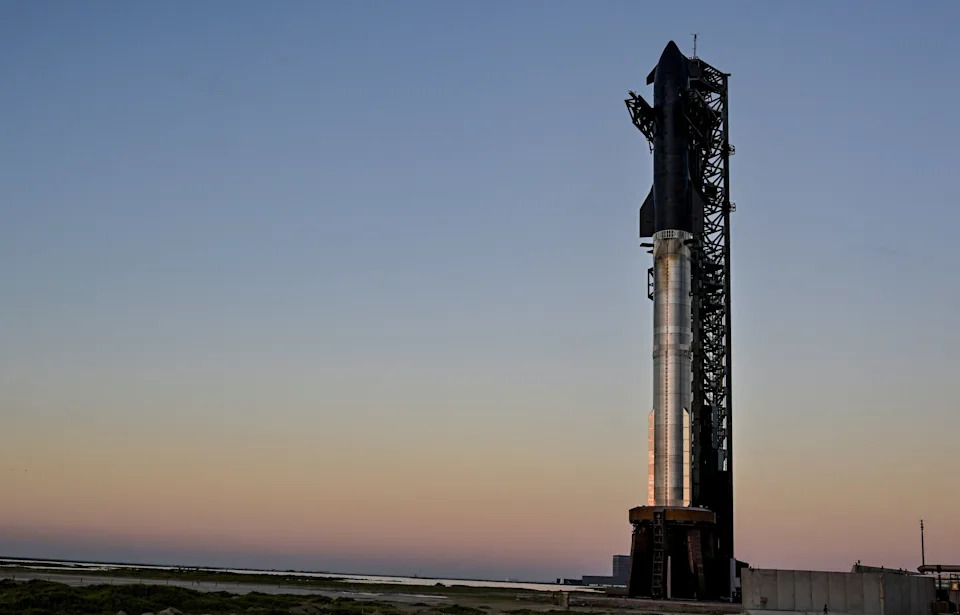
The SpaceX Starship spacecraft sits Oct. 12, 2025 atop the Super Heavy booster before sunrise as preparations continue for its 11th test flight from the company's complex in Starbase, Texas.
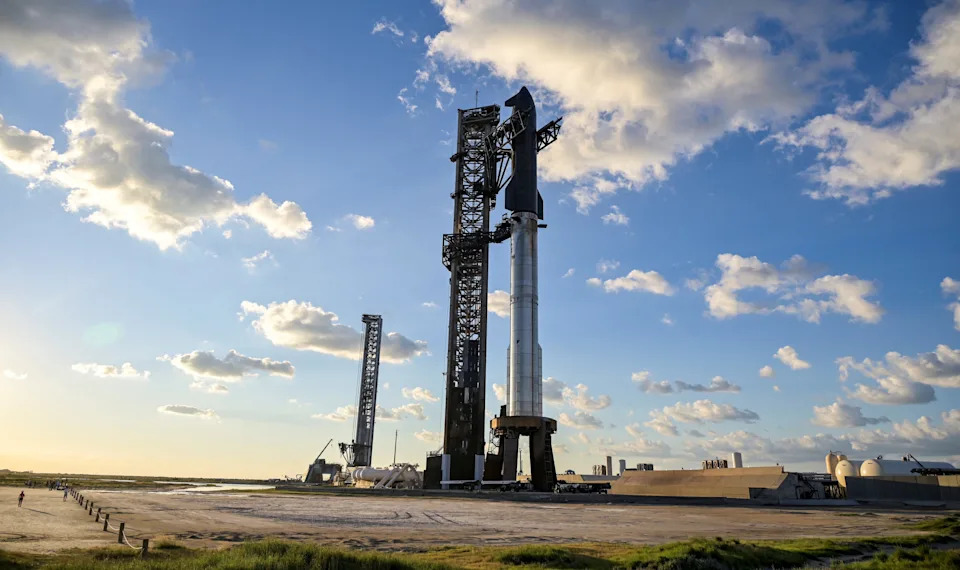
The SpaceX Starship spacecraft is hoisted Oct. 11, 2025 along the launch tower for stacking atop the Super Heavy booster in preparation for its 11th test flight from the company's complex in Starbase, Texas.
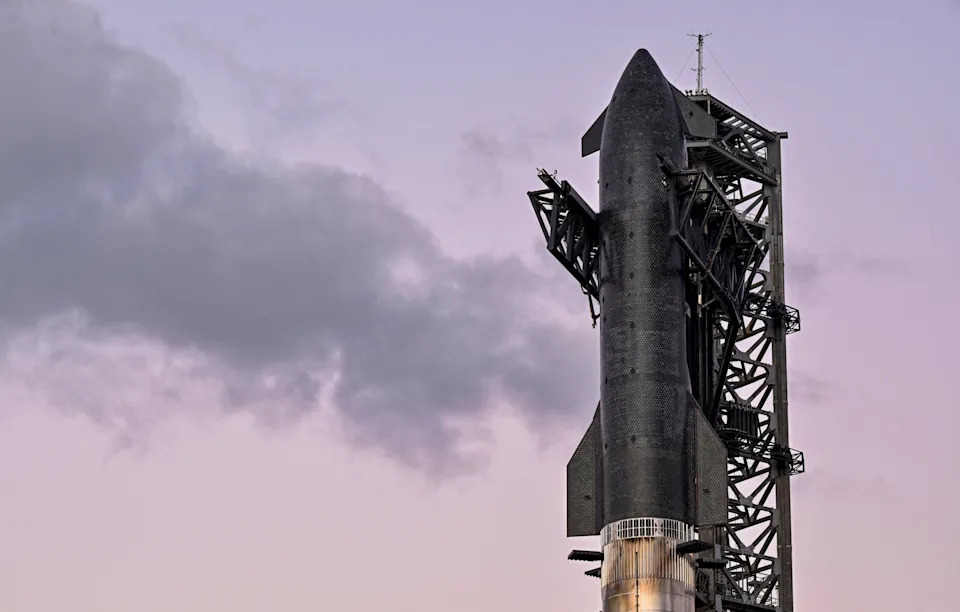
The SpaceX Starship spacecraft sits Oct. 12, 2025 atop the Super Heavy booster before sunrise as preparations continue for its 11th test flight from the company's complex in Starbase, Texas.
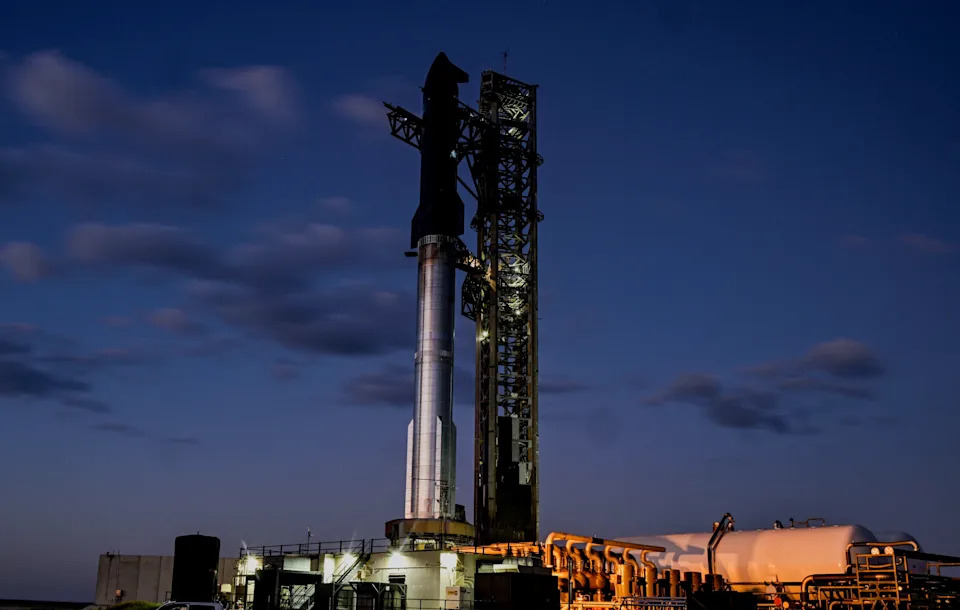
The SpaceX Starship spacecraft sits Oct. 12, 2025 atop the Super Heavy booster before sunrise as preparations continue for its 11th test flight from the company's complex in Starbase, Texas.
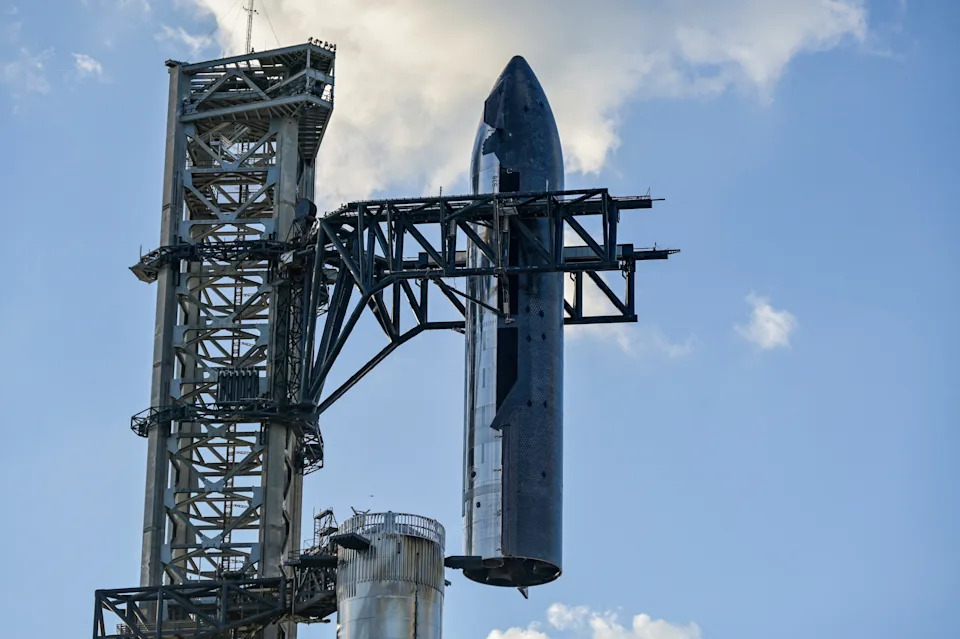
The SpaceX Starship spacecraft is hoisted Oct. 11, 2025 along the launch tower for stacking atop the Super Heavy booster in preparation for its 11th test flight from the company's complex in Starbase, Texas.
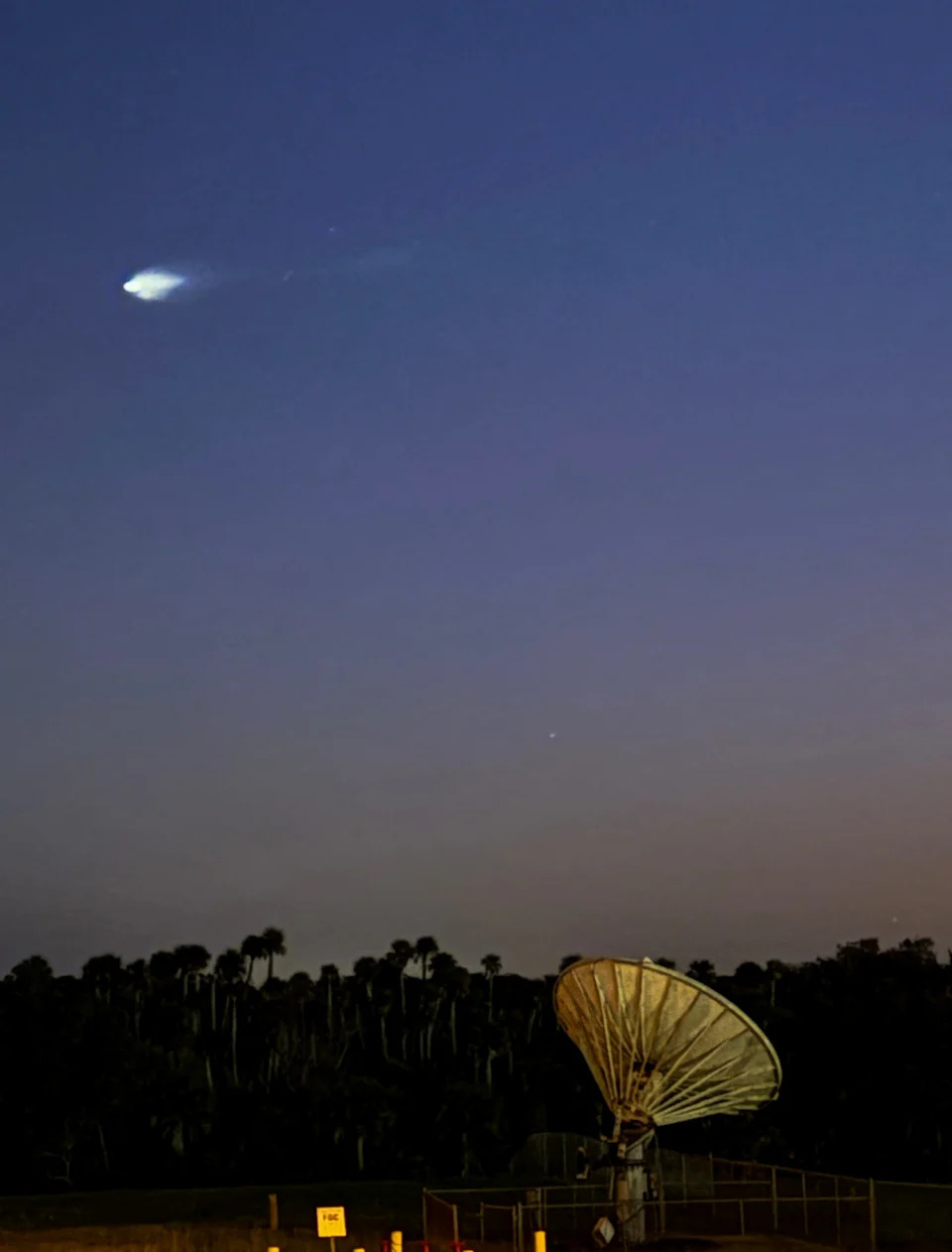
SpaceX’s 11th Starship test flight lights up the skies over Brevard as seen from the Kennedy Space Center October 13, 2025. Craig Bailey, FLORIDA TODAY via USA TODAY NETWORK
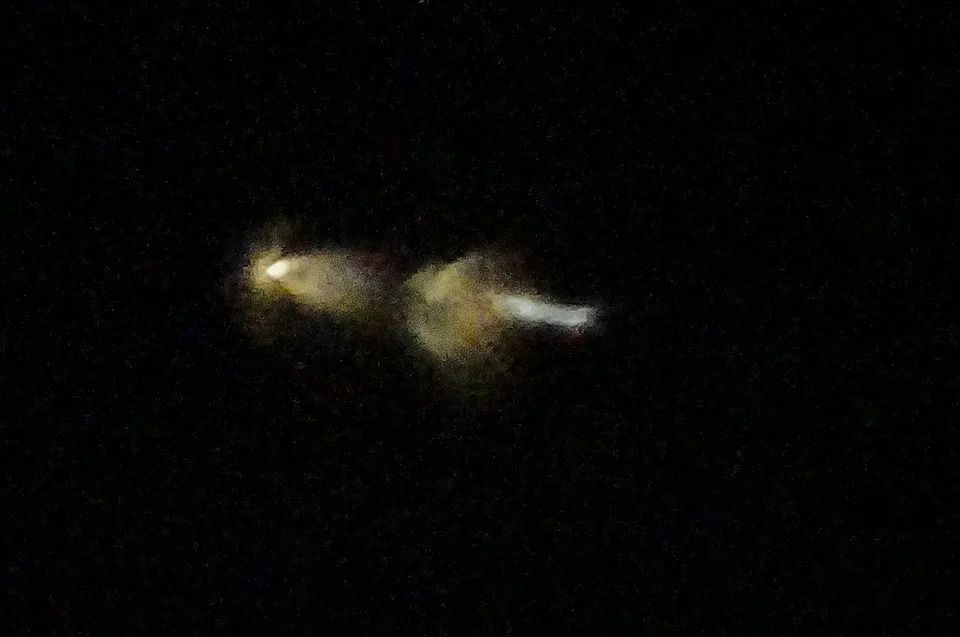
SpaceX’s 11th Starship test flight lights up the skies over Brevard as seen from the Kennedy Space Center October 13, 2025. Craig Bailey, FLORIDA TODAY via USA TODAY NETWORK
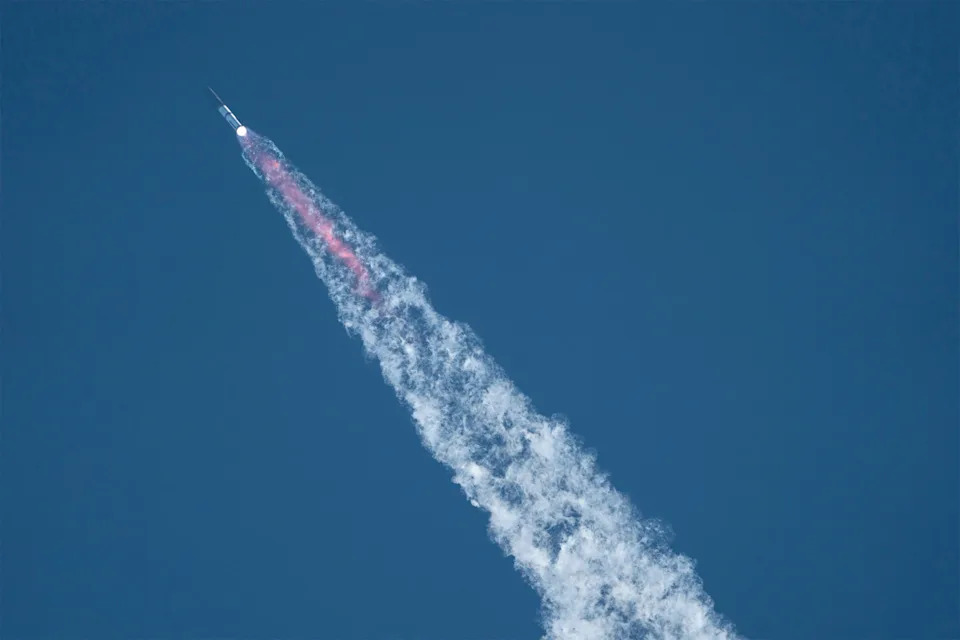
SpaceX's Starship rocket launches Oct. 13 during the 11th test flight, as seen from South Padre Island in Texas.
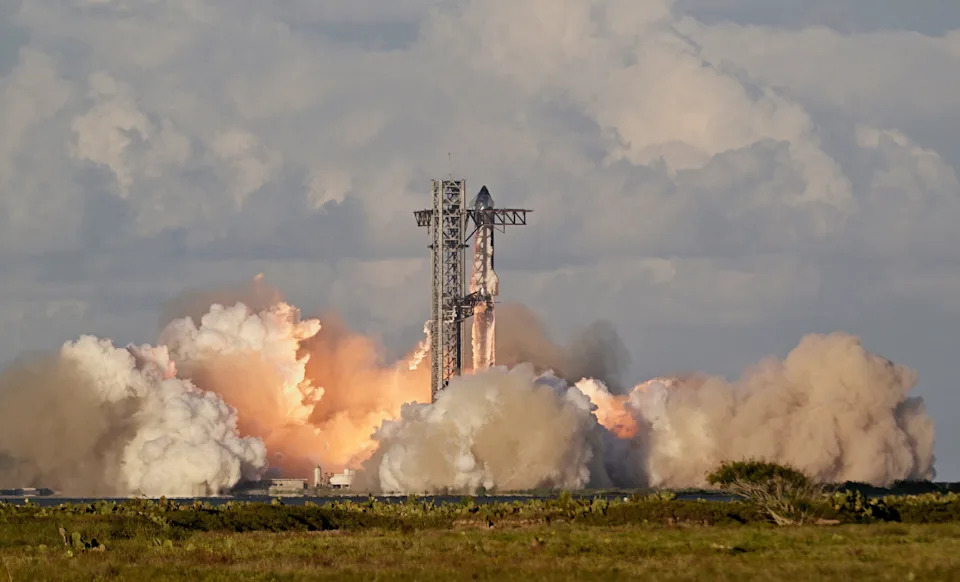
A SpaceX Super Heavy booster carrying the Starship spacecraft lifts off October 13, 2025 on its 11th test flight at the company's launch pad in Starbase, Texas.
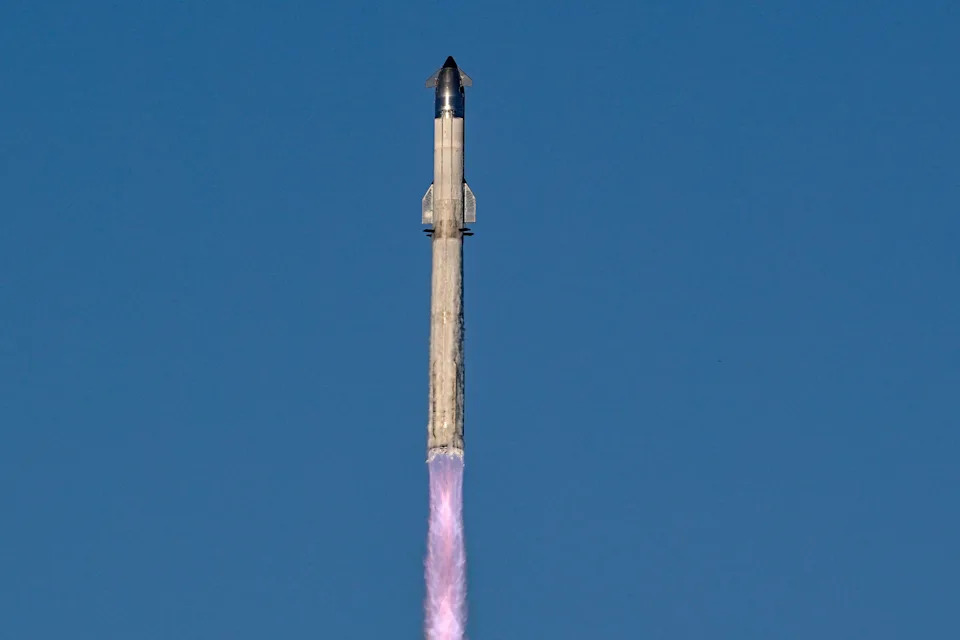
A SpaceX Super Heavy booster carrying the Starship spacecraft lifts off October 13, 2025 on its 11th test flight at the company's launch pad in Starbase, Texas.
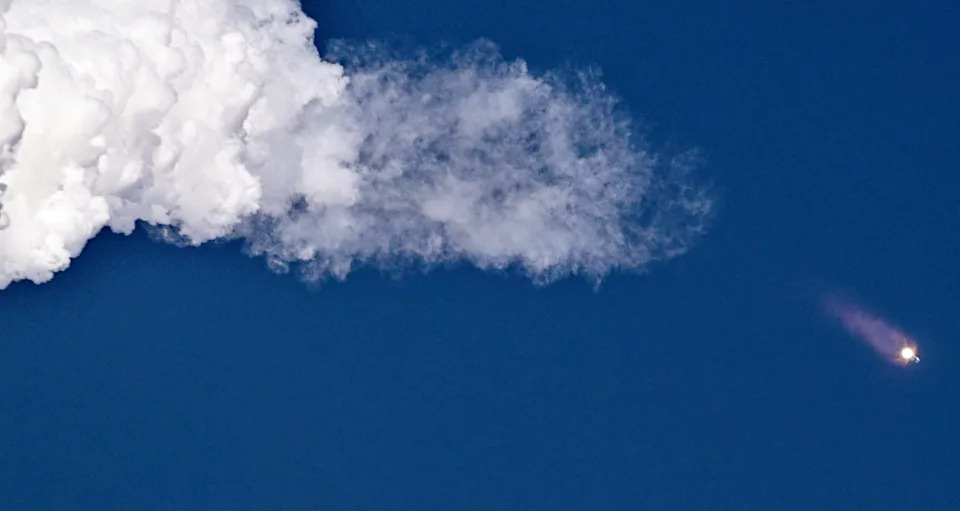
A SpaceX Super Heavy booster carrying the Starship spacecraft lifts off October 13, 2025 on its 11th test flight at the company's launch pad in Starbase, Texas.
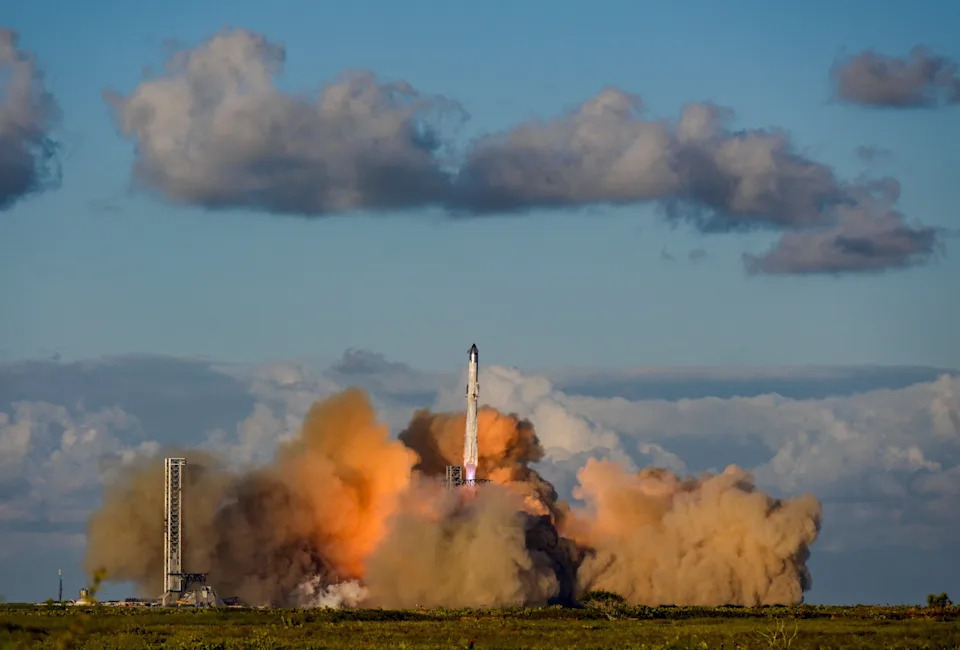
A SpaceX Super Heavy booster carrying the Starship spacecraft lifts off October 13, 2025 on its 11th test flight at the company's launch pad in Starbase, Texas.
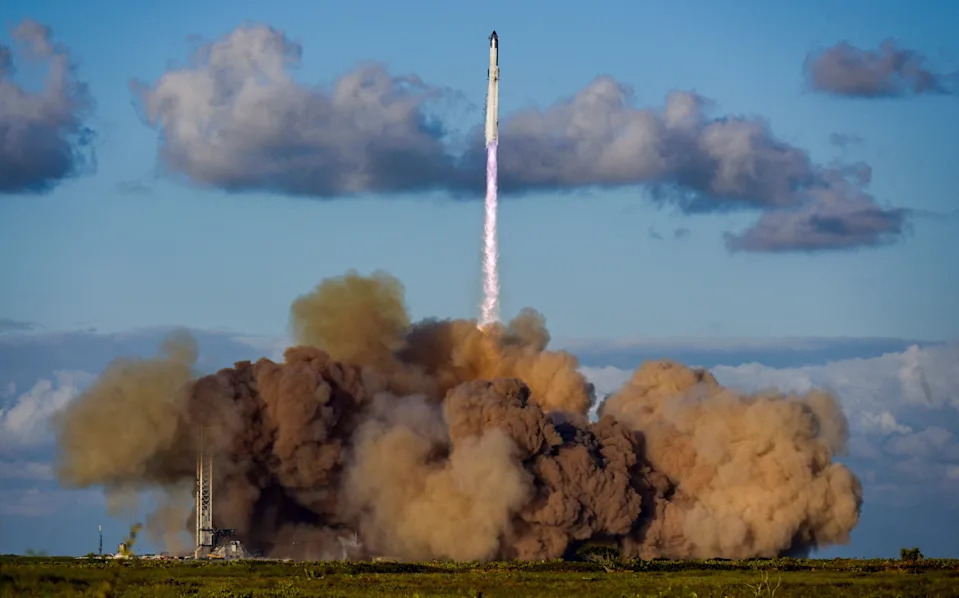
A SpaceX Super Heavy booster carrying the Starship spacecraft lifts off October 13, 2025 on its 11th test flight at the company's launch pad in Starbase, Texas.
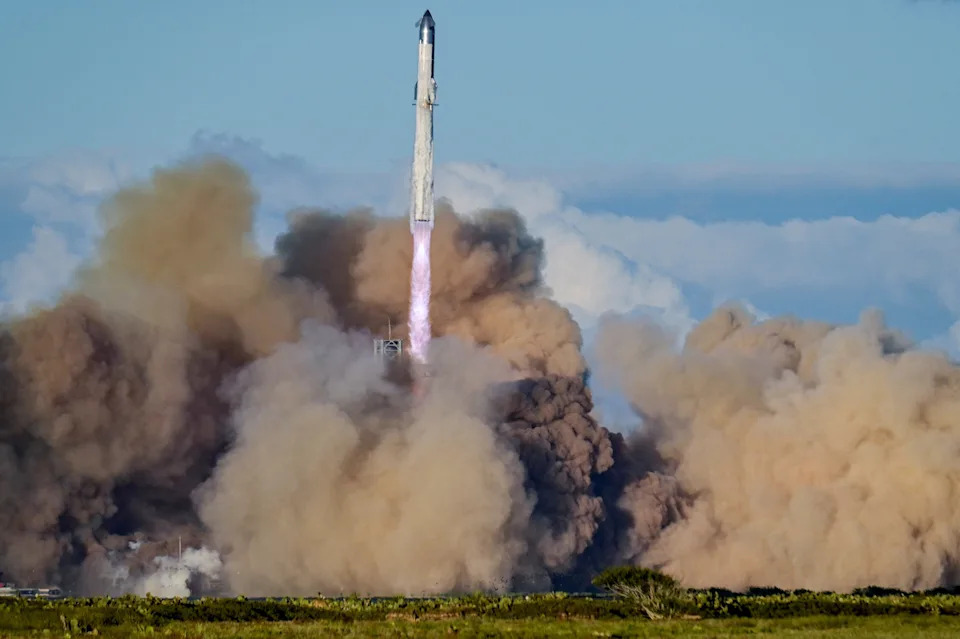
A SpaceX Super Heavy booster carrying the Starship spacecraft lifts off October 13, 2025 on its 11th test flight at the company's launch pad in Starbase, Texas.
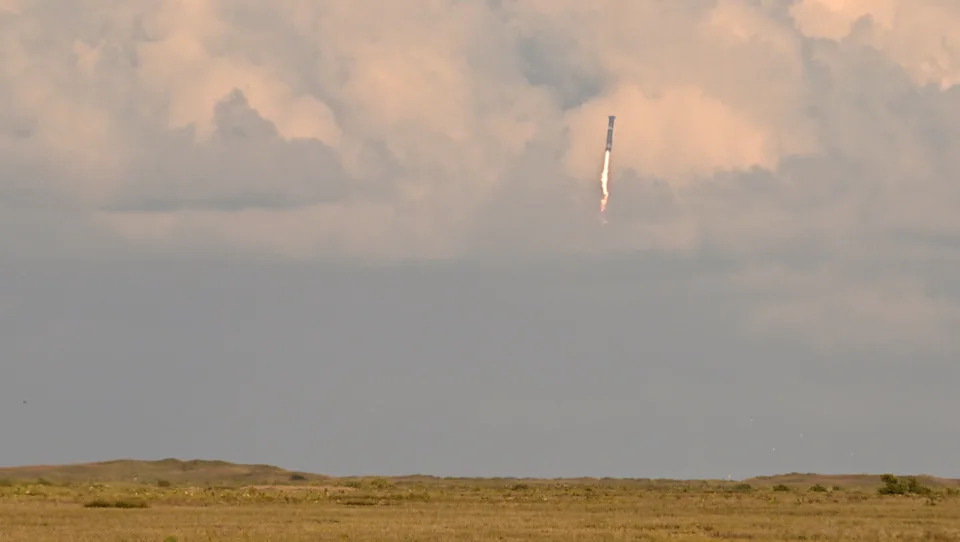
A SpaceX Super Heavy booster splashes down in the Gulf of Mexico, renamed by the U.S. government as the Gulf of America, after launching the SpaceX Starship spacecraft October 13, 2025 on its 11th test flight at the company's launch pad in Starbase, Texas.
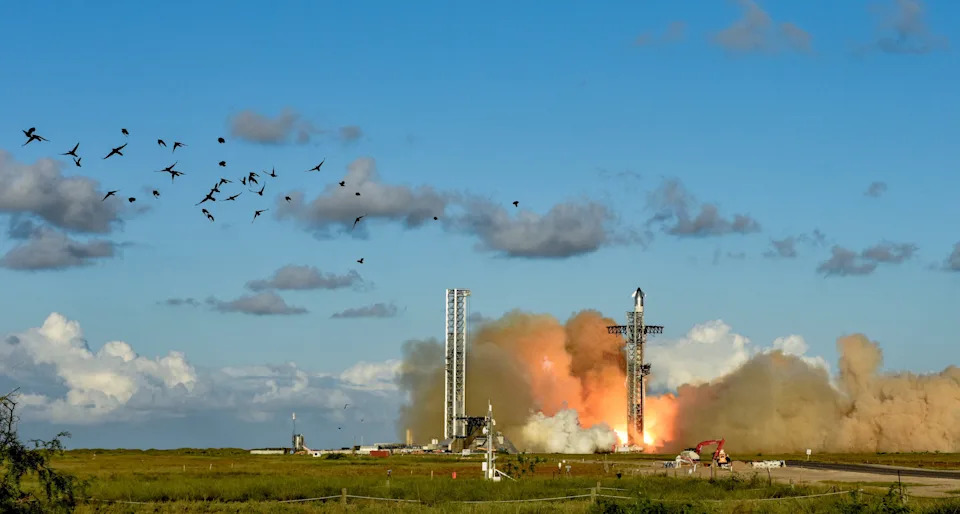
A SpaceX Super Heavy booster carrying the Starship spacecraft lifts off October 13, 2025 on its 11th test flight at the company's launch pad in Starbase, Texas.
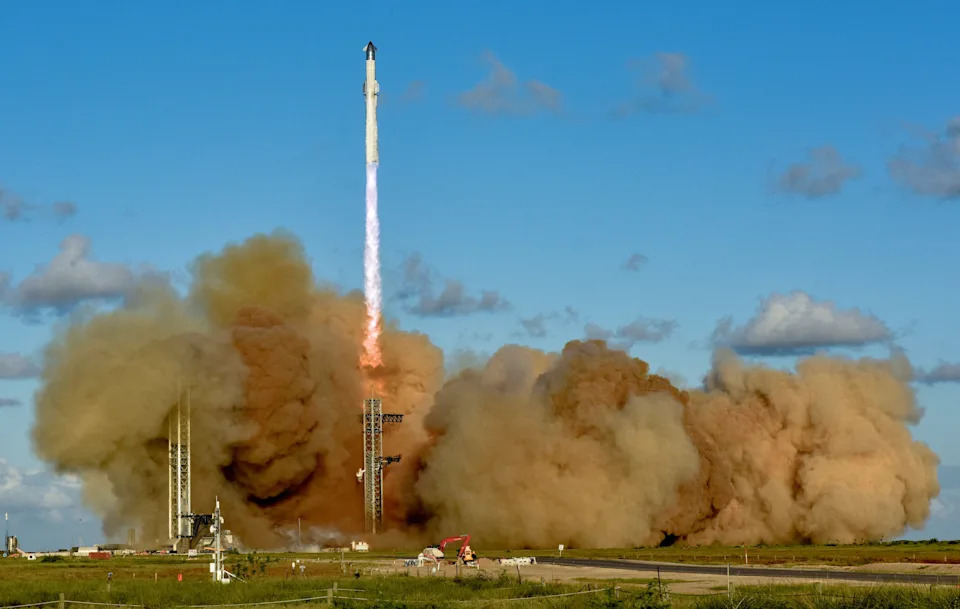
A SpaceX Super Heavy booster carrying the Starship spacecraft lifts off October 13, 2025 on its 11th test flight at the company's launch pad in Starbase, Texas.
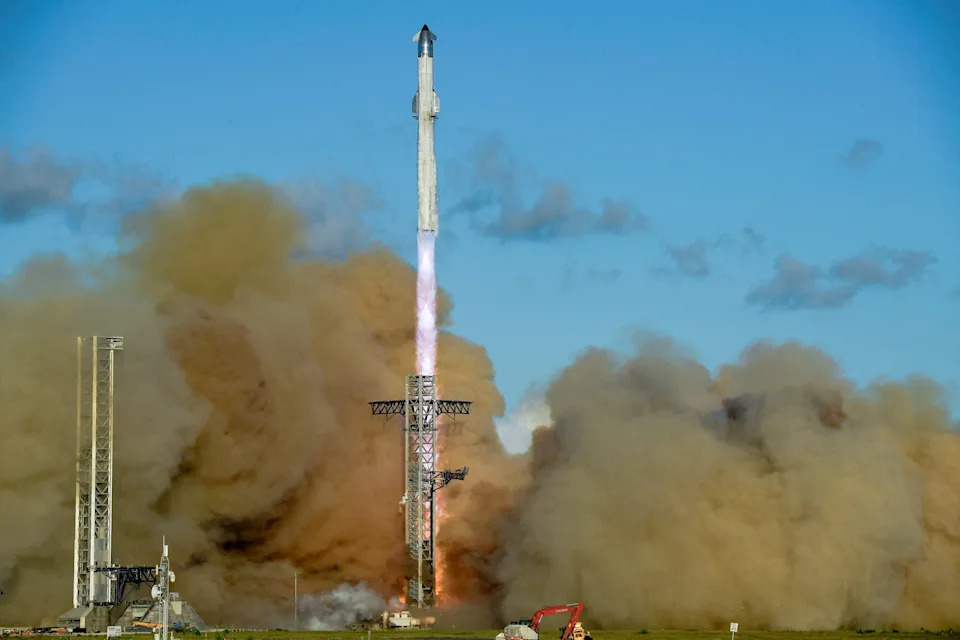
A SpaceX Super Heavy booster carrying the Starship spacecraft lifts off October 13, 2025 on its 11th test flight at the company's launch pad in Starbase, Texas.

A SpaceX Super Heavy booster carrying the Starship spacecraft lifts off October 13, 2025 on its 11th test flight at the company's launch pad in Starbase, Texas.

A SpaceX Super Heavy booster carrying the Starship spacecraft lifts off October 13, 2025 on its 11th test flight at the company's launch pad in Starbase, Texas.
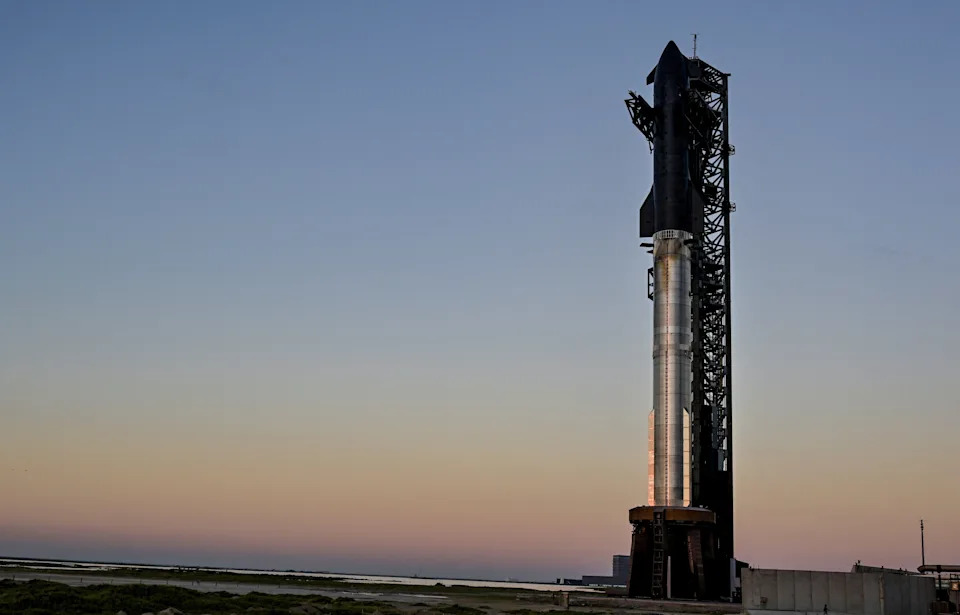
The SpaceX Starship spacecraft sits Oct. 12, 2025 atop the Super Heavy booster before sunrise as preparations continue for its 11th test flight from the company's complex in Starbase, Texas.
Help us improve.