SpaceX Starship Flight 7 exploded over the Caribbean on Jan. 16, 2025, forcing at least 20 commercial aircraft to reroute. Repeated Starship failures have created debris hazards and operational disruptions for airlines, prompting criticism of FAA policies that allow launches during open safety investigations. Pilots and passengers report emergency returns and unscheduled refueling, while public opinion remains split between support for rapid space innovation and demands for stronger passenger protections.
SpaceX Starship Explosions Disrupt Caribbean Flights and Raise FAA Oversight Questions
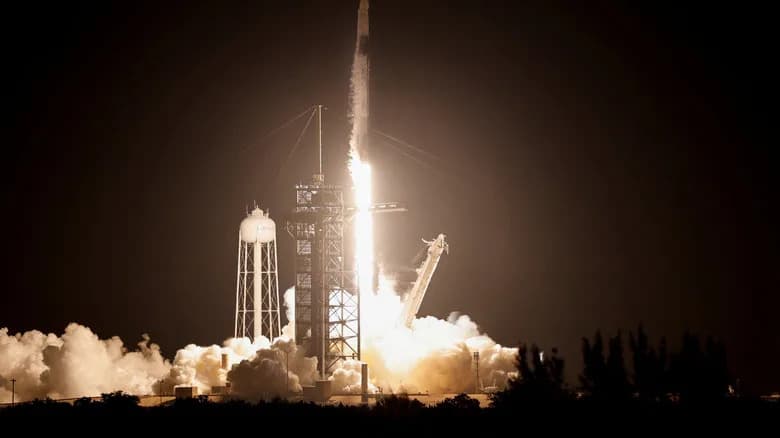
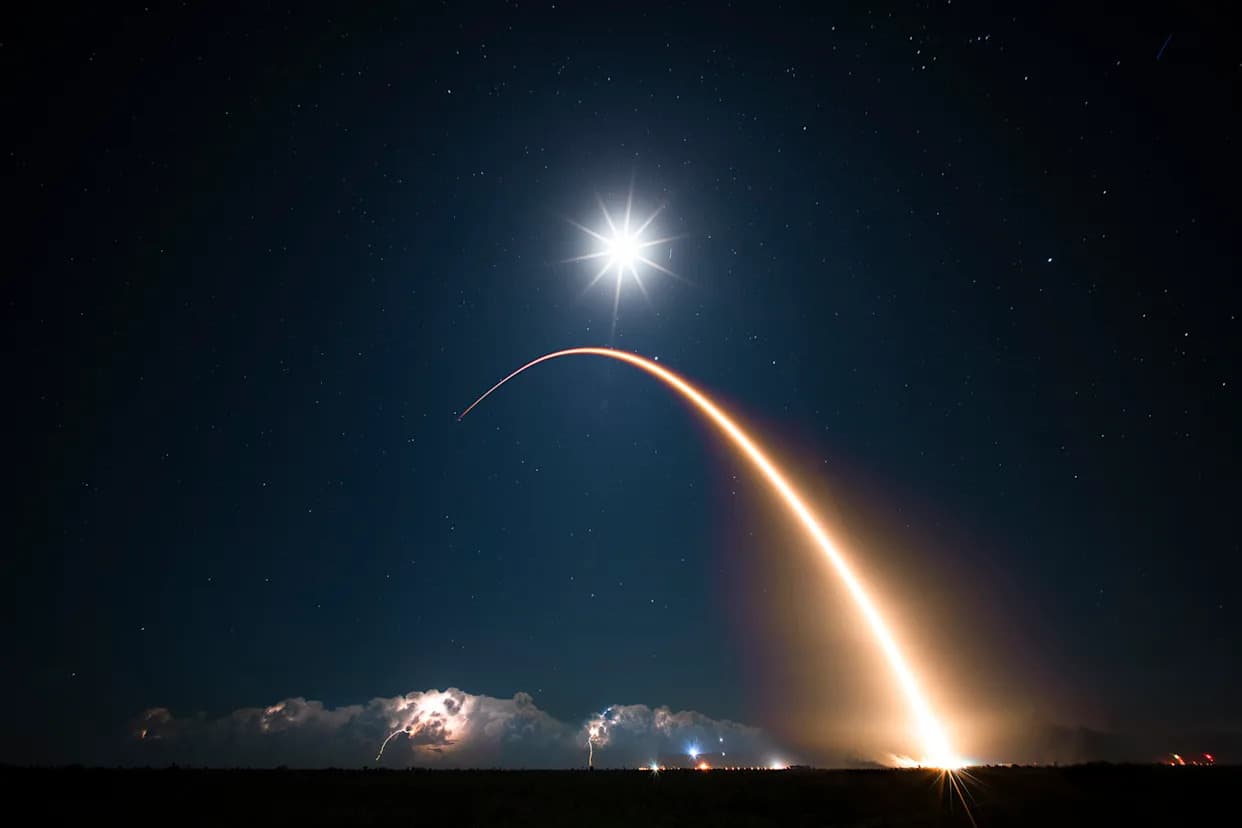
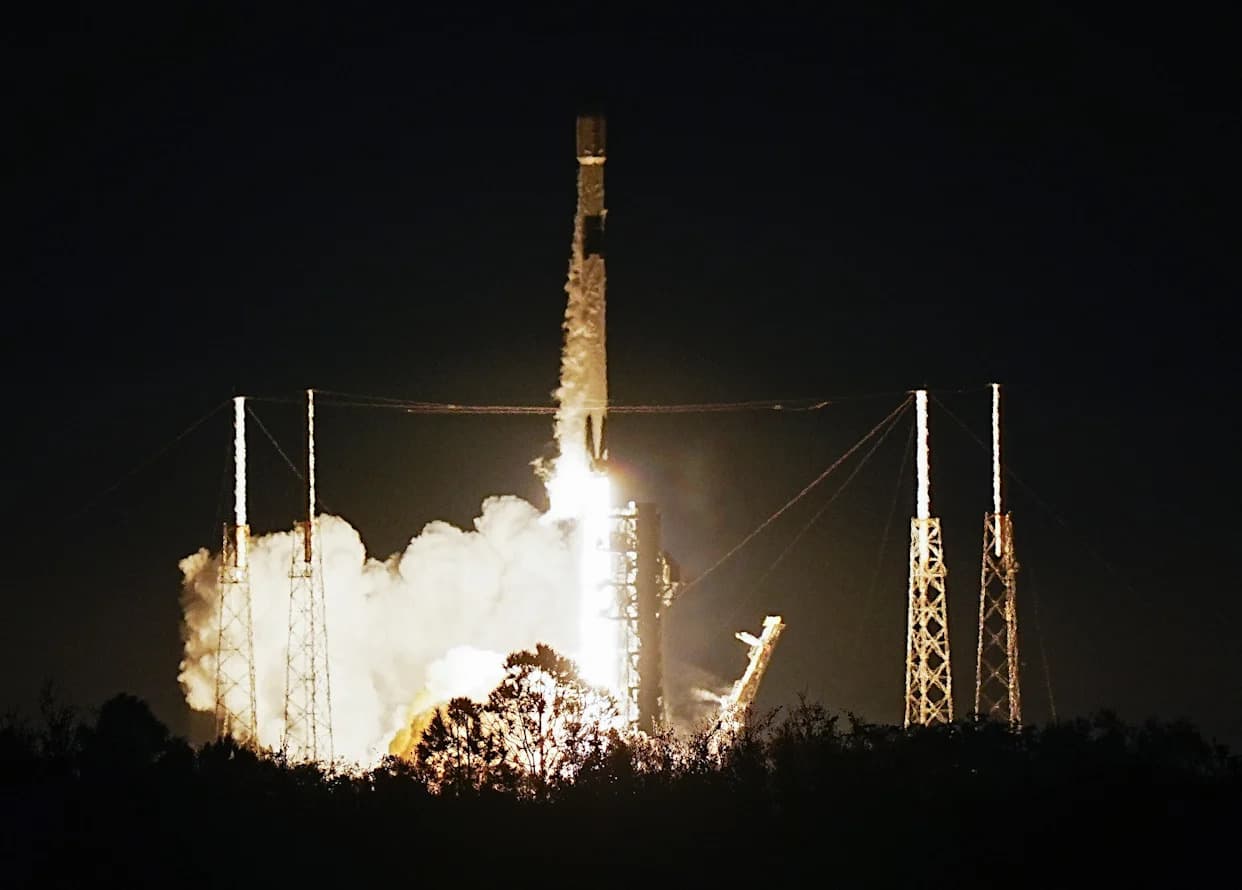
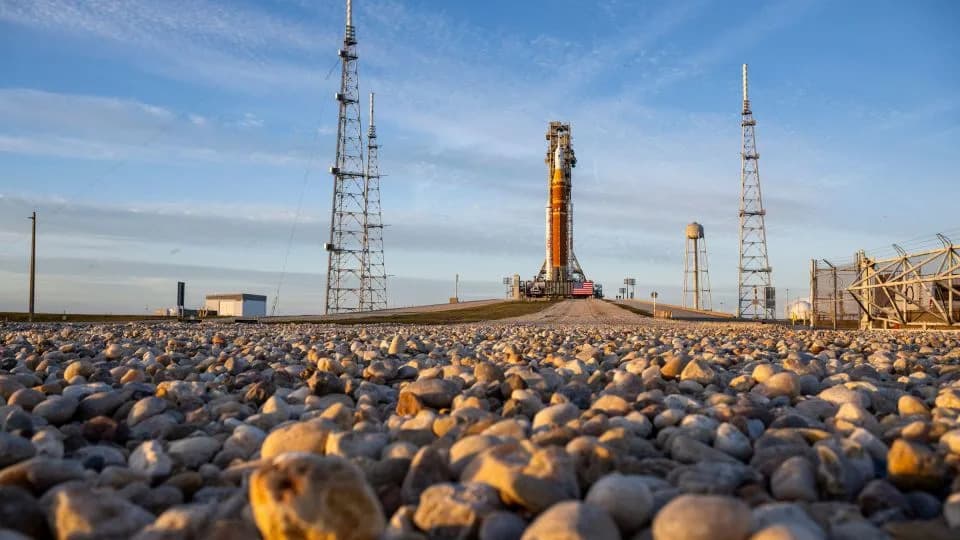
A SpaceX rocket launch. - youledtayif/Shutterstock
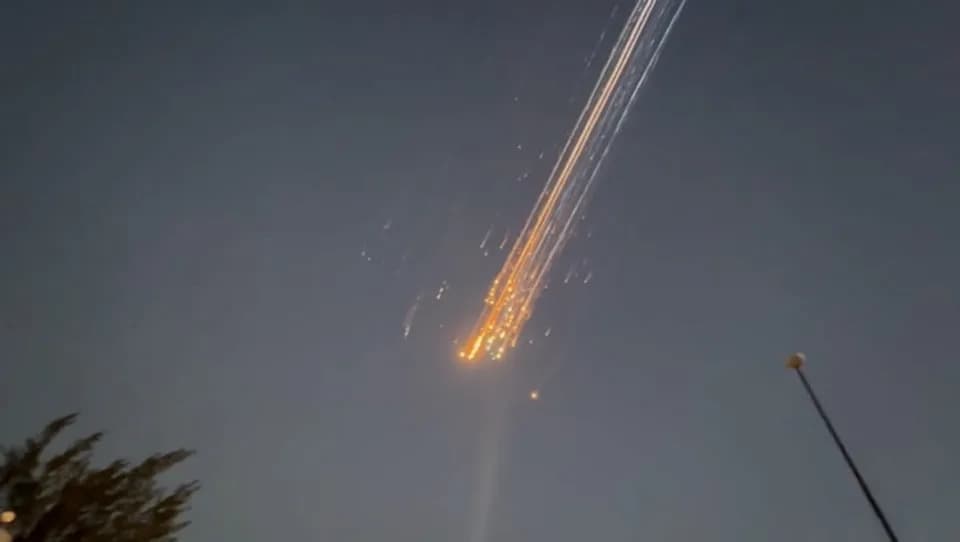
On January 16, 2025, air traffic controllers in the Caribbean issued an emergency alert at 5:49 p.m. after SpaceX's Starship Flight 7 detonated over the region near Puerto Rico, Cuba and nearby islands. Controllers ordered all active commercial flights to vacate the area to avoid falling debris; at least 20 aircraft were forced to execute emergency reroutes and some flights required unscheduled refueling or returns to base.
What Happened
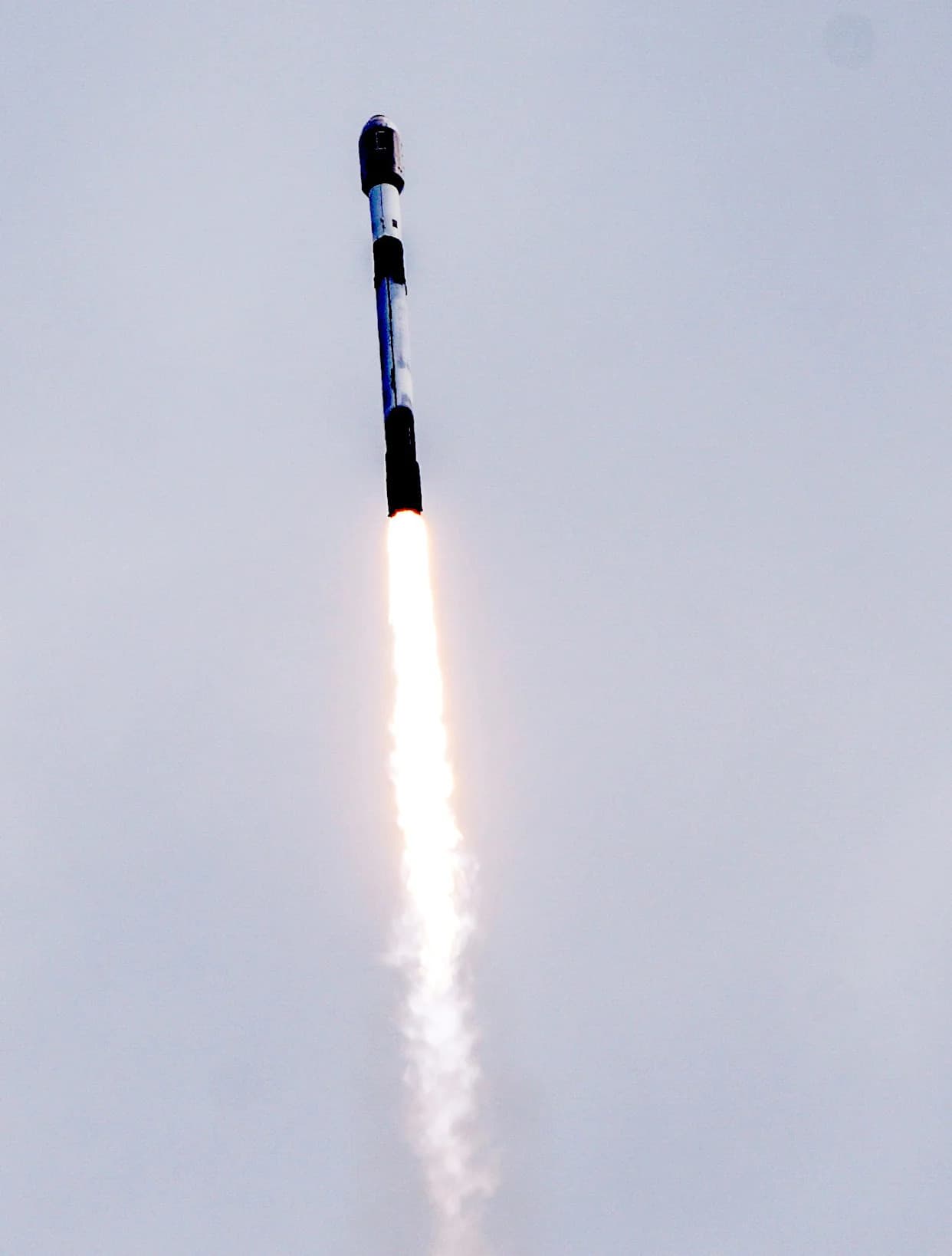
While the January incident drew immediate attention, it forms part of a pattern: multiple Starship test flights have failed in recent launch campaigns, producing debris hazards and operational disruptions for commercial aviation. Abrupt course changes in congested airspace increase complexity for pilots and air-traffic controllers and can raise the risk of in-flight conflicts.
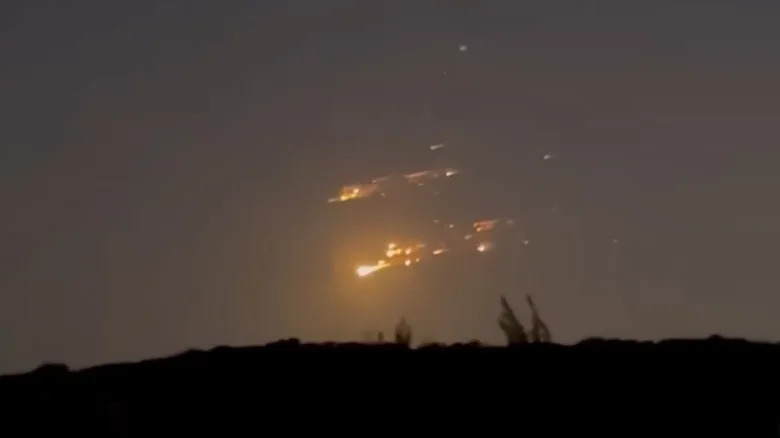
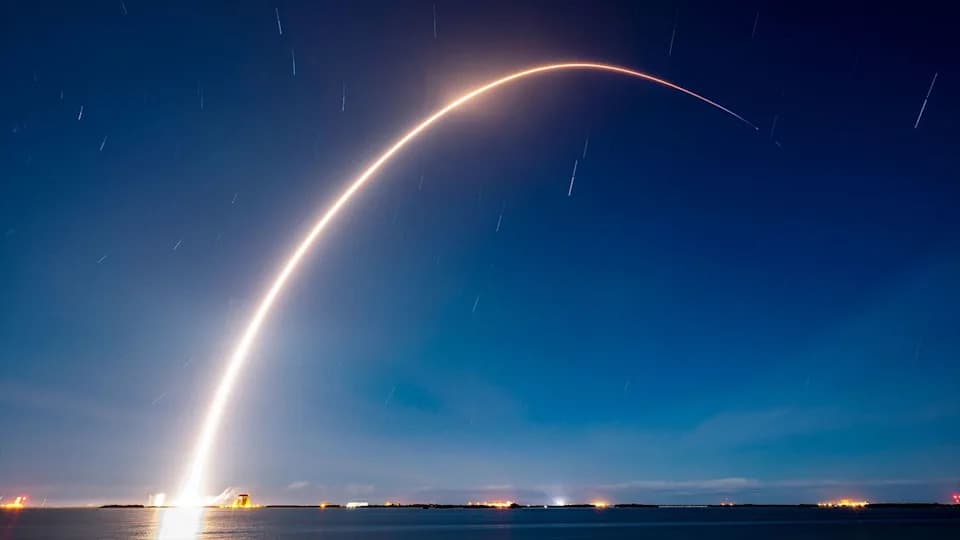
A SpaceX explosion in the night sky. - ABC News / YouTube
FAA Role And Regulatory Questions
The Federal Aviation Administration (FAA) is responsible for approving launch plans, designating potential danger zones and issuing protocols to protect aircraft in U.S. airspace. In February 2025 the FAA had an open investigation into Flight 7, yet it allowed Starship Flight 8 to proceed under a policy permitting launches to continue during open safety probes so long as regulatory conditions are met. That policy has drawn scrutiny because the FAA typically incorporates lessons from investigations into assessments of future launches.
Operational And Public Impact
Operationally, pilots and airlines report real impacts: emergency reroutes that increase flight time and fuel burn, unscheduled landings to refuel, and at least one flight that reversed course after the March 2025 Starship Flight 8 explosion. Passengers and crew described the events as surreal and disruptive.
SpaceX headquarters. - Tada Images/Shutterstock
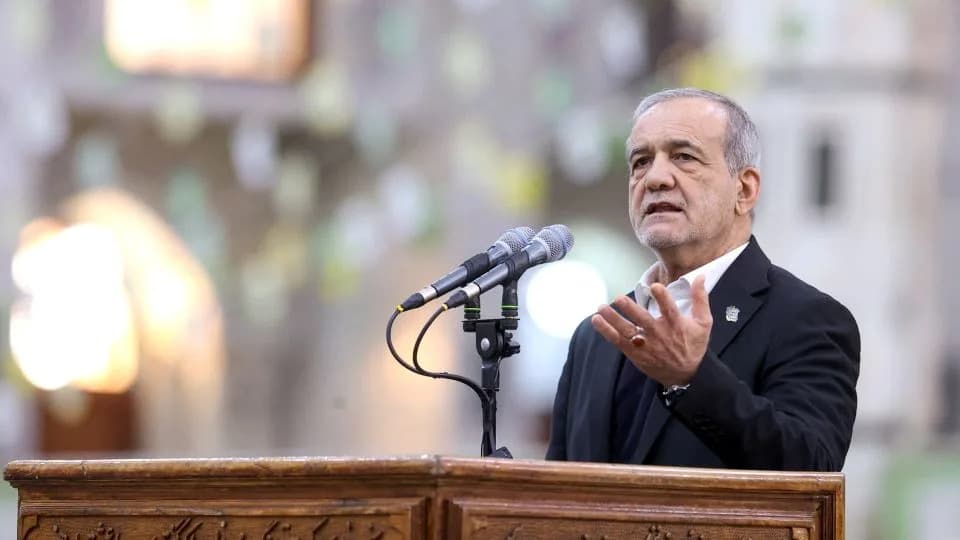
"I've never had a situation where I've had to say... our flight was delayed and had to go back to Miami because a rocket exploded over our heads and the pieces were falling down." — Ray Peck, passenger on a disrupted flight
Industry And Public Reaction
Public reaction is mixed. Some observers praise SpaceX's rapid iteration and broader ambitions in space exploration; others prioritize passenger safety and urge stricter launch controls when commercial aviation shares nearby airspace. SpaceX founder Elon Musk posted footage of a rocket detonation on X with the caption, "Success is uncertain, but entertainment is guaranteed!", a message that some critics said downplayed safety concerns.
Looking Ahead
The recurring Starship failures present a pressing regulatory and operational challenge. Regulators, airlines and commercial space companies will need to clarify procedures for coordinating launches and air traffic, improve risk assessments, and decide whether current FAA policies sufficiently protect airline passengers and crews when launches proceed during open investigations.
Help us improve.