The SM-39 Razor is a triple-fuselage, batwing-styled concept from 25-person Stavatti Aerospace that claims Mach 4+ speeds, 25,000 lb internal payload and a 100,000 ft ceiling. Experts caution turbofan propulsion and current materials make near-hypersonic, stealthy flight unlikely without scramjet or rocket-class solutions. Stavatti has decades of concepts but no full-scale prototype, while Boeing and Northrop Grumman remain the most probable F/A-XX contenders. The Navy has requested up to $897 million for F/A-XX development in FY2026.
‘Batwing’ SM-39 Razor: Small Company Claims Mach 4+ Fighter — Experts Skeptical
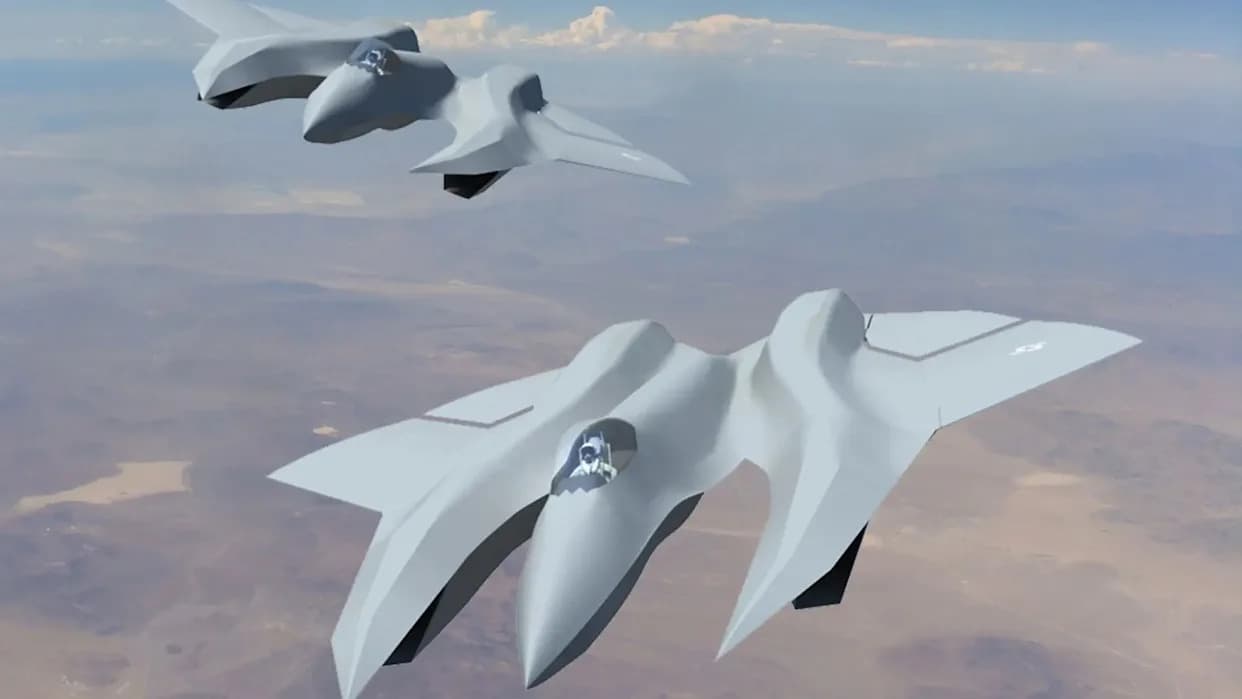
Image: Stavatti Aerospace
A 25-employee Niagara Falls firm, Stavatti Aerospace, has unveiled a dramatic concept fighter — the SM-39 Razor — a triple-fuselage, batwing-styled jet that the company says could exceed Mach 4. The design, which the company markets as a challenger for the U.S. Navy’s F/A-XX competition, pairs a futuristic silhouette with ambitious performance claims.
Bold Claims On Paper
Stavatti says the roughly 70-foot SM-39 would use twin E1400 afterburning turbofan engines to reach speeds above Mach 4 while retaining low-observable (stealth) characteristics. The company also claims an internal weapons capacity of 25,000 pounds, a service ceiling near 100,000 feet, and a tactical radius of about 1,400 nautical miles.
Why Experts Raise Eyebrows
Those numbers would place the Razor alongside high-end reconnaissance and experimental aircraft such as the SR-71 in terms of speed and altitude. But propulsion and thermal physics present major hurdles: turbofan engines are not typically designed to operate efficiently — or survive — in near-hypersonic regimes. Managing airflow and heat at such speeds creates extreme thermal loads that can destroy conventional materials and damage stealth coatings.
Most Hypersonic Platforms Use Different Propulsion
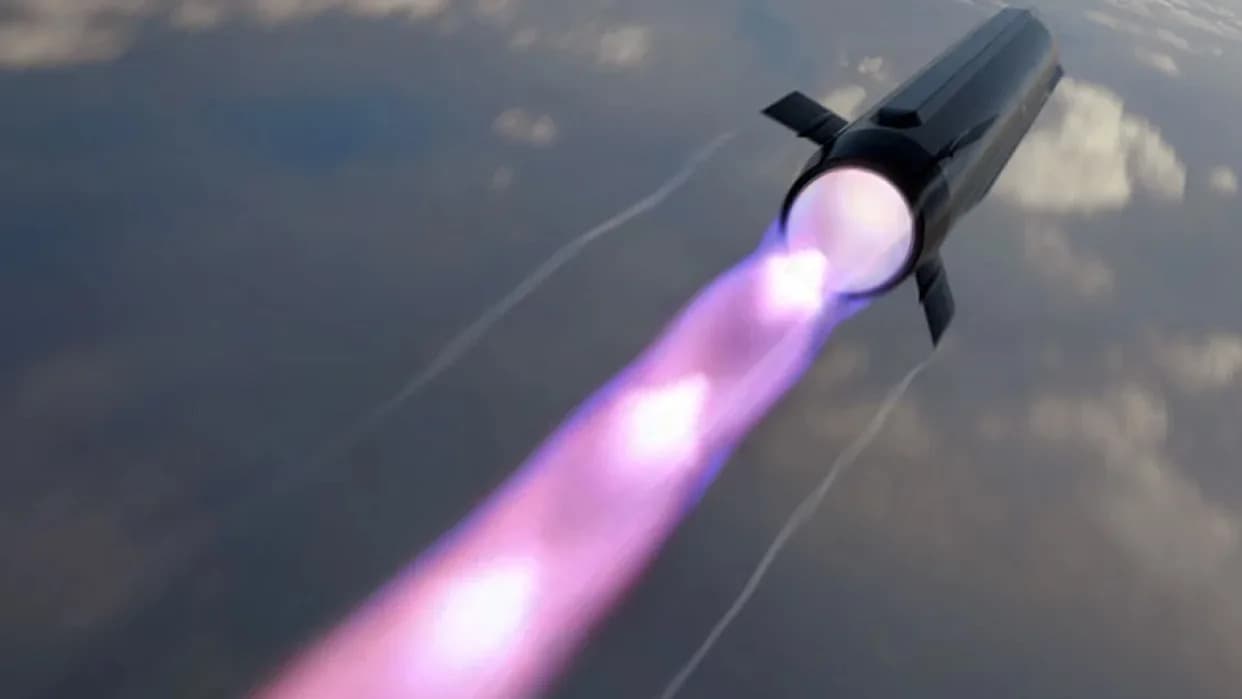
Vehicles intended for sustained hypersonic flight generally rely on scramjets, rockets, or purpose-built combined-cycle engines rather than conventional turbofans.
Track Record And Program Context
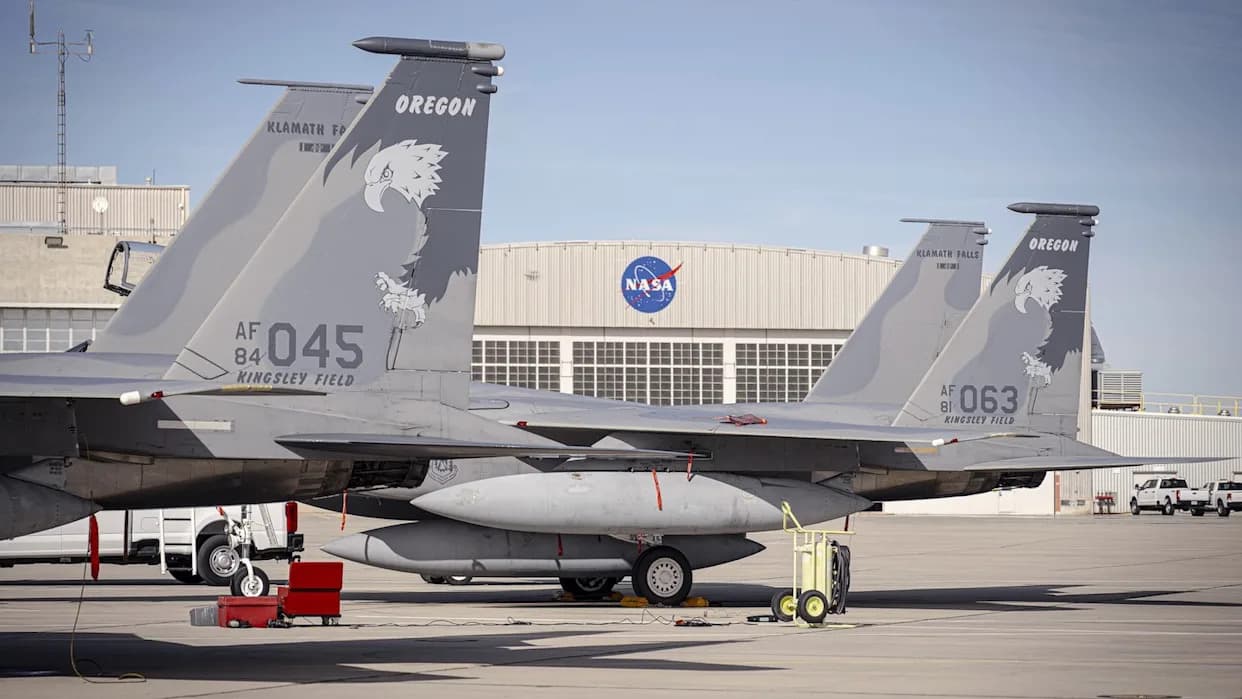
Stavatti points to about 30 years of concept work but has not produced a full-scale prototype — a point that contrasts with Boeing’s long history of carrier aircraft production and Northrop Grumman’s proven stealth platforms. Whether Stavatti’s submission will receive serious consideration in the F/A-XX program is unclear.
In parallel, the Navy has requested up to $897 million in FY2026 for F/A-XX Engineering & Manufacturing Development. The Chief of Naval Operations has reportedly pushed to accelerate the program in response to growing threats in the Indo-Pacific and the Middle East. Industry observers still view Boeing and Northrop Grumman as the most likely frontrunners to produce a serviceable F/A-XX replacement for the F/A-18E/F by the 2040s.
Bottom Line
The SM-39 Razor is an eye-catching concept that captures the imagination with bold styling and headline-grabbing performance claims. However, the physics of high-speed flight, materials and propulsion limitations, and Stavatti’s limited production track record make the concept’s advertised capabilities highly doubtful without substantial, verifiable technical evidence and prototypes.
Help us improve.