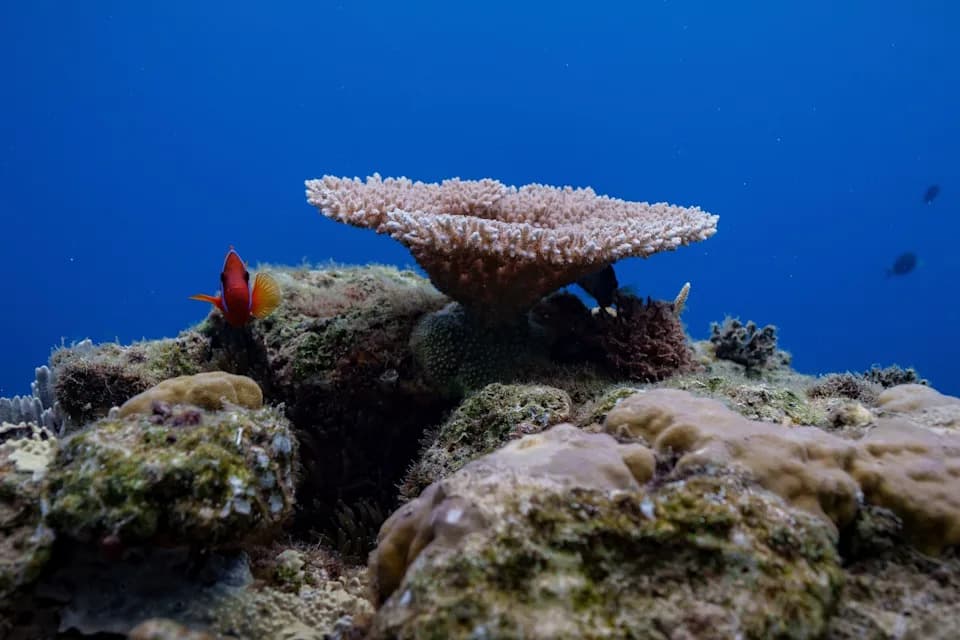
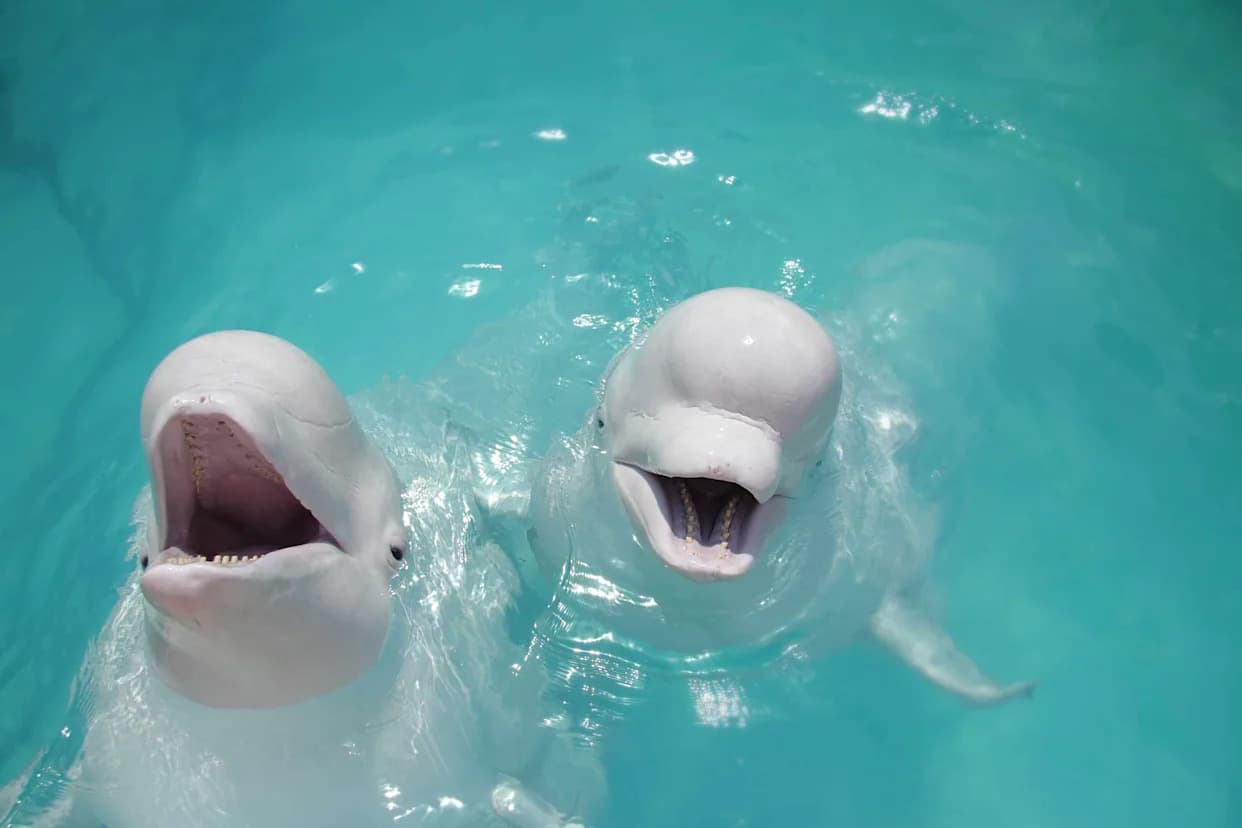
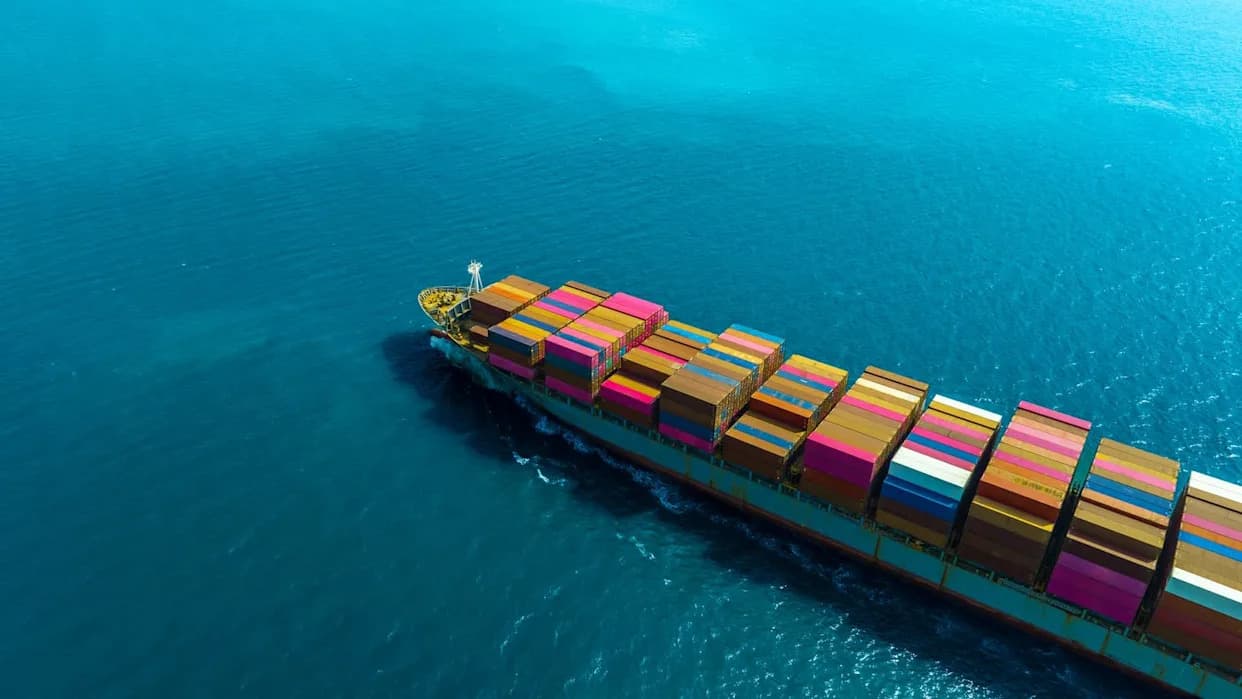
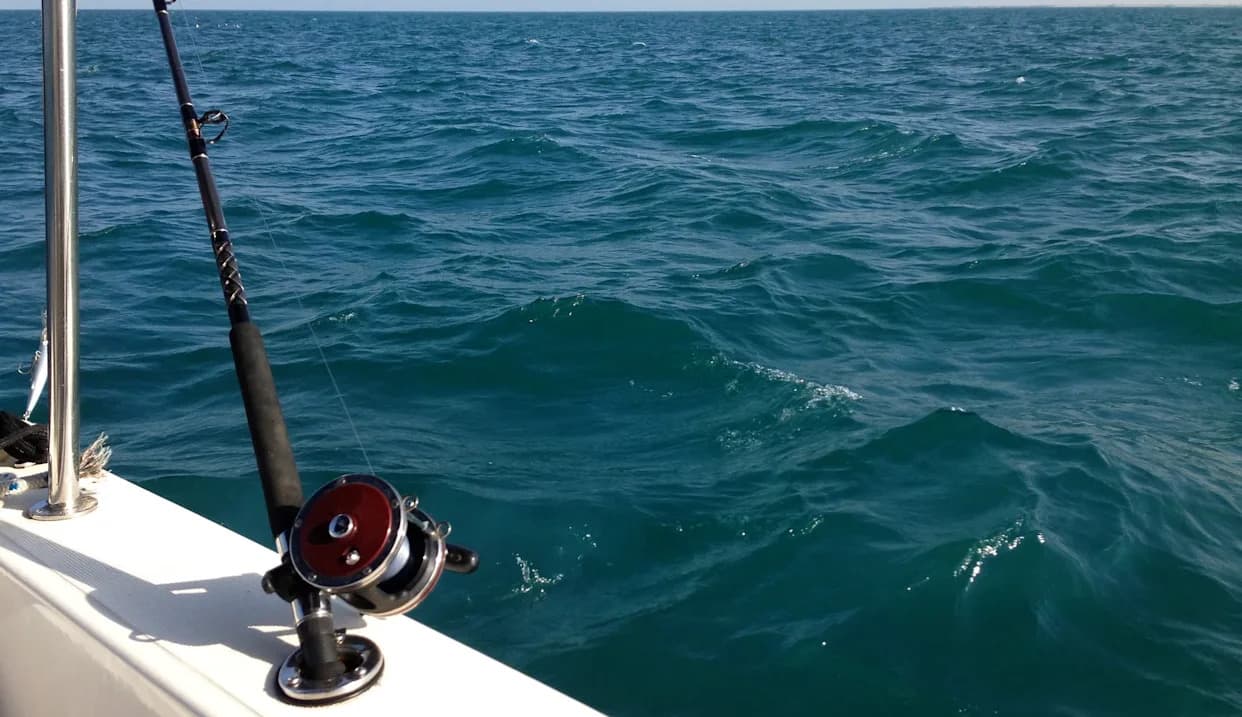
The Marine Mammal Protection Act (1972) has helped recover many marine species and safeguarded coastal economies dependent on vibrant oceans. A proposed legislative change would lower the Act’s standard from sustaining “healthy, functioning populations” to preventing mere survival, weaken industrial safeguards, remove take-reduction plans, and delay protections for the critically endangered North Atlantic right whale. These changes would increase risks already amplified by warming seas, toxic algal blooms, entanglements and ship strikes, and would threaten California’s $45+ billion coastal economy and the jobs it supports.
Gutting the Marine Mammal Protection Act Would Harm Wildlife — and Coastal Jobs
Living in a Southern California beach community shapes who we are: the surf, sand and sun are central to daily life. Like many Angelenos, I find the ocean calming and restorative; it reminds us that we do not fully control nature and that marine life often takes center stage.
That sense of awe can be misleading. The ocean remains only partially known and is a finely balanced ecosystem. Though it appears vast and resilient, it is vulnerable to collapse when protections are weakened.
For more than 50 years the Marine Mammal Protection Act (MMPA) has kept whales, dolphins, manatees, seals and sea lions from sliding toward extinction due to human activities. Enacted in 1972 after clear evidence of overexploitation, the law set a national standard: maintain healthy, functioning marine mammal populations.
What’s At Risk
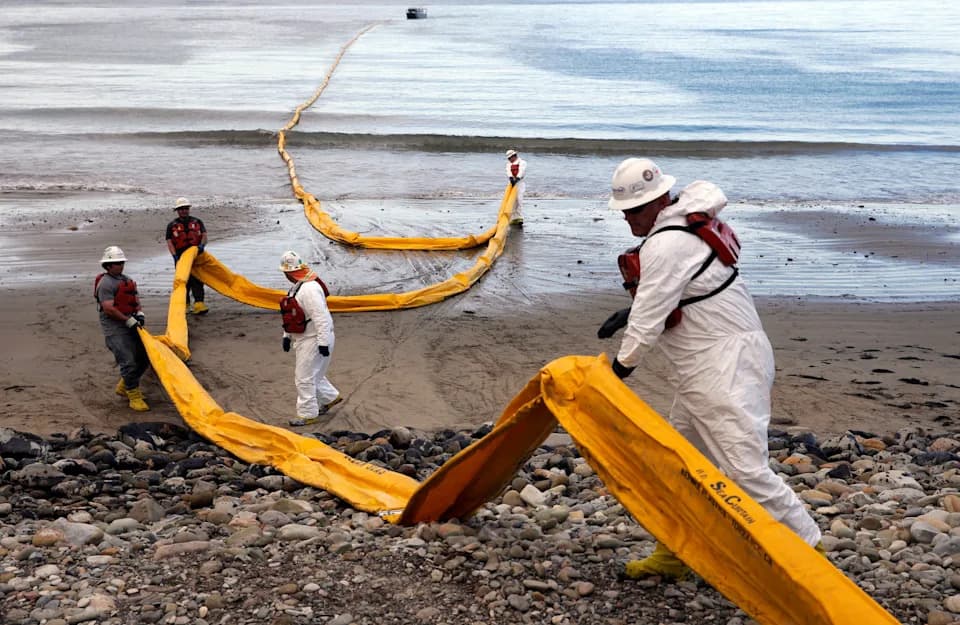
A quiet legislative proposal now circulating would significantly weaken the MMPA. Among its changes, the draft would reduce the law’s goal from ensuring “healthy, functioning populations” to merely preventing extinction; weaken safeguards against industrial threats such as oil and gas activity, vessel strikes and seismic blasting; remove "take reduction plans" that lower accidental deaths in fishing gear; blur science-based definitions that enable enforcement; and delay critical protections for the North Atlantic right whale until 2035—a species numbering fewer than 400 individuals.
Some supporters assert marine mammals have "recovered" and no longer need strong protections. That misunderstands cause and effect: many populations improved precisely because the MMPA worked. In 1972 the global human population was about 3.85 billion; today it is roughly 8.3 billion—more than double, with far greater pressure on ocean ecosystems. The threats have not gone away; the law has helped keep them at bay.
Local Harm, Local Costs
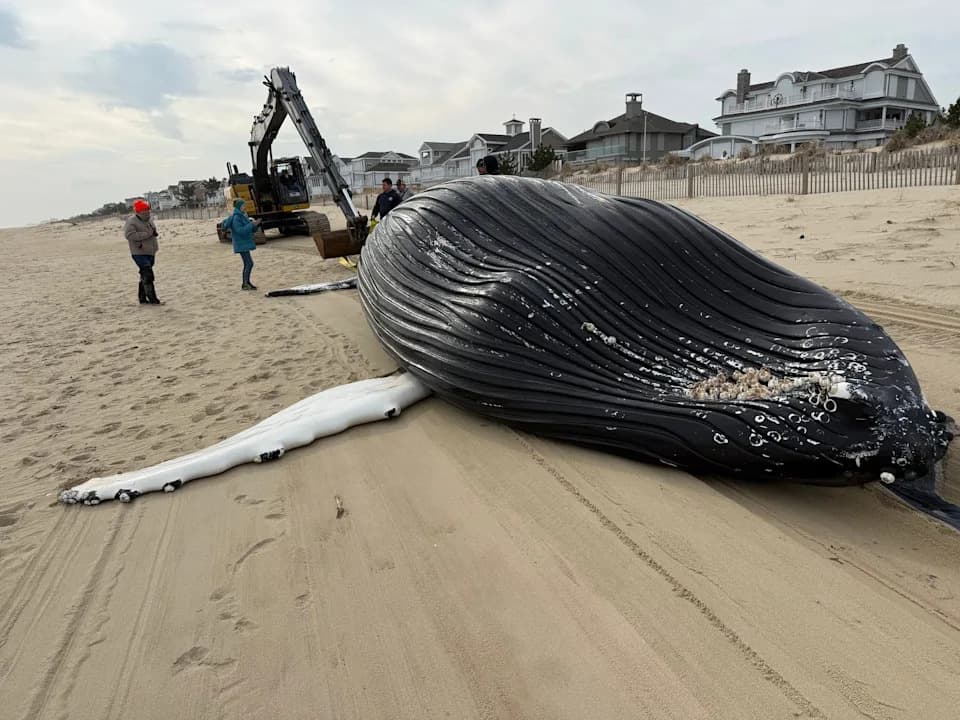
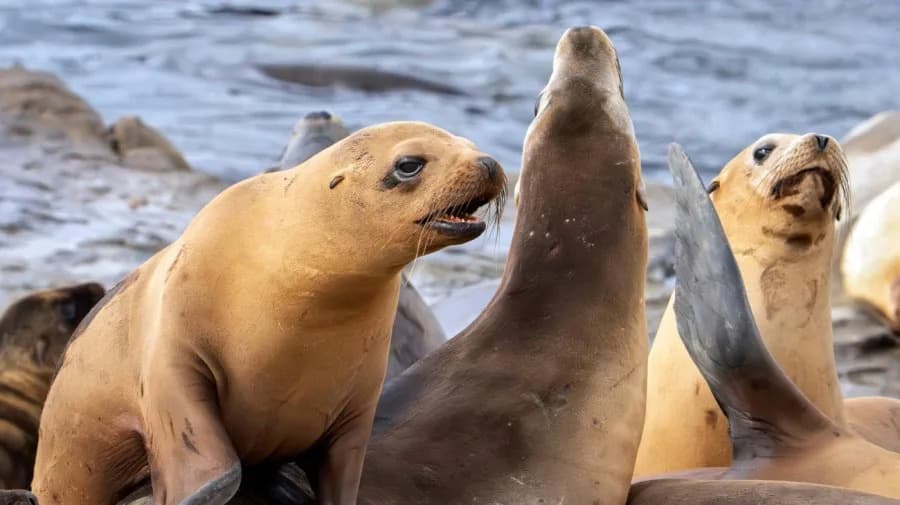
We saw the ocean’s fragility close to home last summer, when a toxic algal bloom off Southern California caused widespread domoic acid poisoning. Hundreds of sea lions, seals and dolphins stranded, many dead, while rehabilitation centers raced to treat and release affected animals. Organizations such as the Marine Mammal Care Center Los Angeles, where I serve on the board, mobilized along the coast to respond.
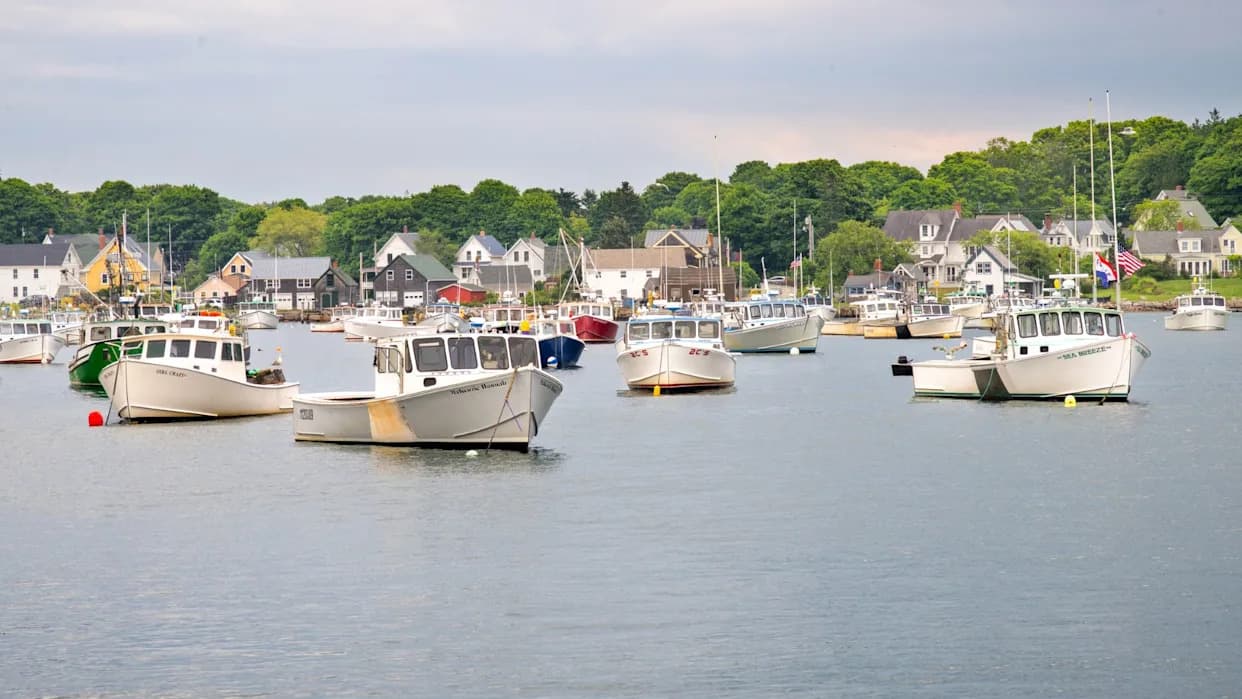
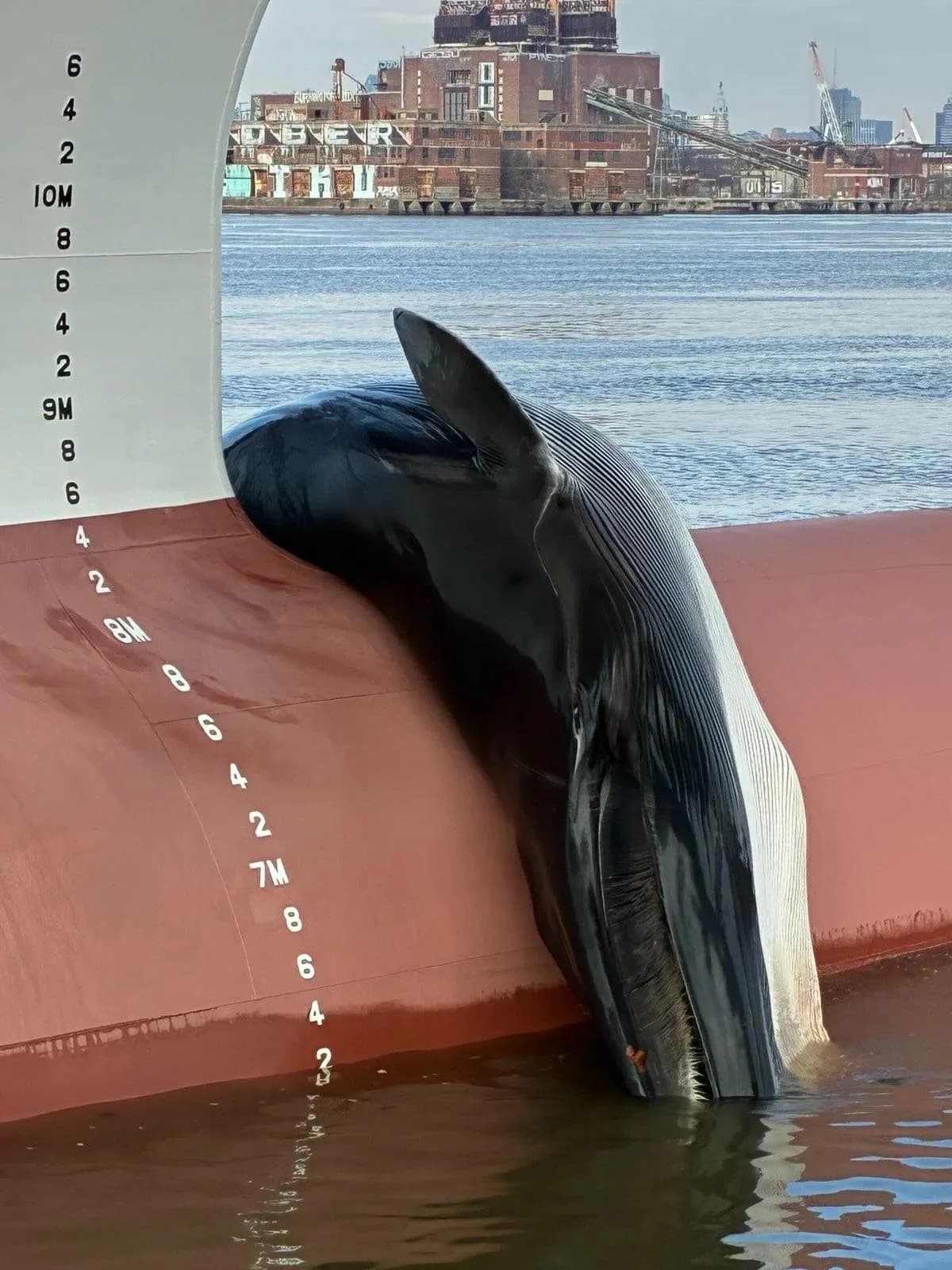
Other risks are growing: warming seas fuel more frequent toxic algal blooms and disease outbreaks; fishing gear continues to entangle animals; vessel strikes kill whales in busy shipping lanes; and the Great Pacific Garbage Patch now covers a surface area estimated to be larger than the state of Texas.
Weakening the MMPA would not only expose marine mammals to increased, preventable harm — it would also threaten the people and businesses that depend on a healthy ocean. California’s coastal economy generates more than $45 billion annually and supports hundreds of thousands of jobs in tourism, fishing and recreation. The Los Angeles Economic Development Corporation reported in 2021 that the ocean economy in Los Angeles County provided 105,074 jobs across 3,896 establishments and contributed more than $14 billion to the county’s GDP.
Globally, the so-called "blue economy" is projected to reach $3 trillion by 2030. Healthy oceans underpin healthy regional and global economies; when marine ecosystems collapse, industries and communities collapse with them, and taxpayers often shoulder the cost of preventable environmental crises.
Why Strong Protections Matter
The Marine Mammal Protection Act has been effective because it balances conservation with commerce: it allows industry to operate while requiring responsibility and gives communities confidence that the ocean will remain vibrant for future generations. Gutting the MMPA would be a betrayal of lessons learned and would leave both marine life and coastal communities worse off.
Marine mammals deserve more than mere survival. So do the communities that rely on them. It is up to Congress—and to the public—to insist on stronger protections, not weaker ones.
Christopher Knight is an actor and a board member of the Marine Mammal Care Center Los Angeles.
Help us improve.