Canada has granted conditional approval for export permits allowing Marineland to move 30 belugas and four dolphins to accredited U.S. aquariums, averting a threatened euthanasia deadline. Final permits hinge on comprehensive veterinary health checks and confirmed placements with facilities that can provide appropriate medical and welfare care. The decision follows years of concern about conditions at Marineland and multiple whale deaths since 2019; experts warn relocation carries social and logistical risks.
Conditional Reprieve: Canada Approves Export Permits To Move 30 Belugas And 4 Dolphins From Marineland To U.S. Aquariums
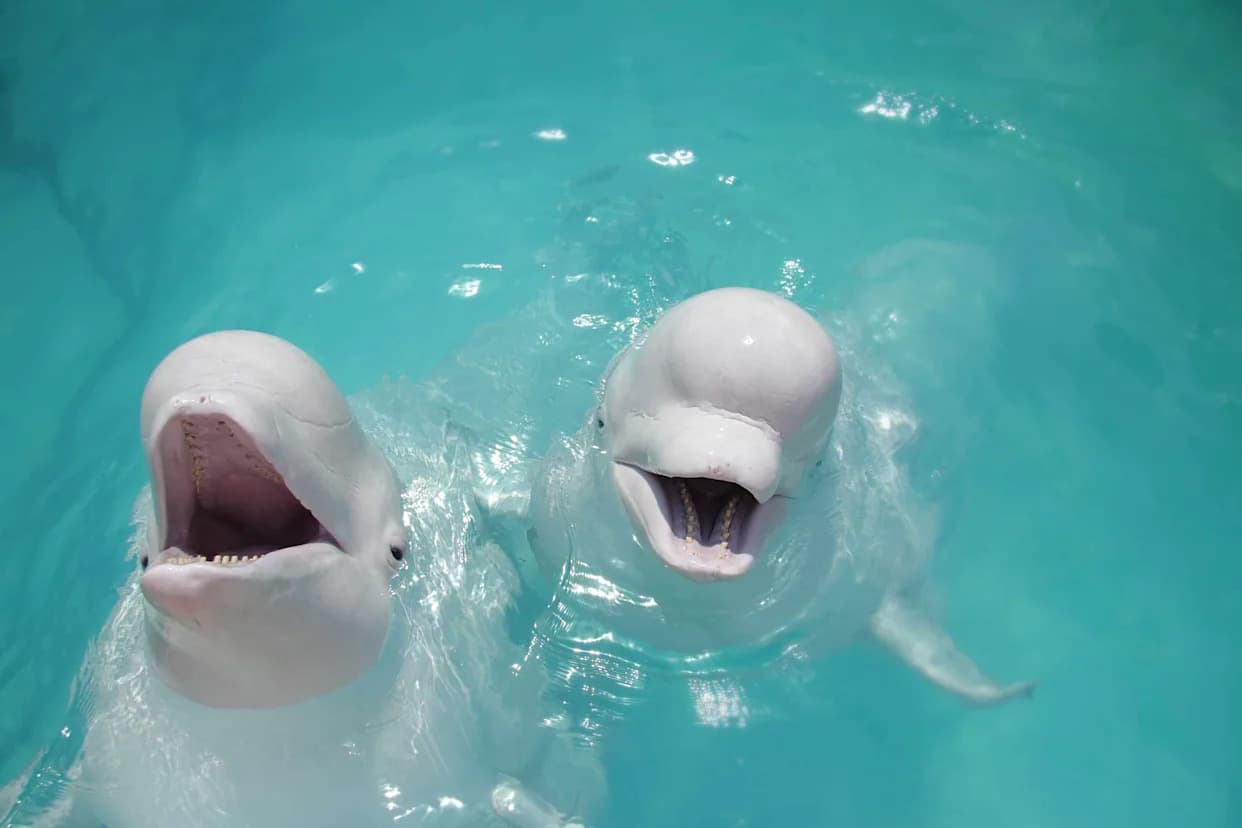
Beluga whales make a series of sounds including chirrups, whistles, squeaks and bleats. Elena Yakusheva/Shutterstock
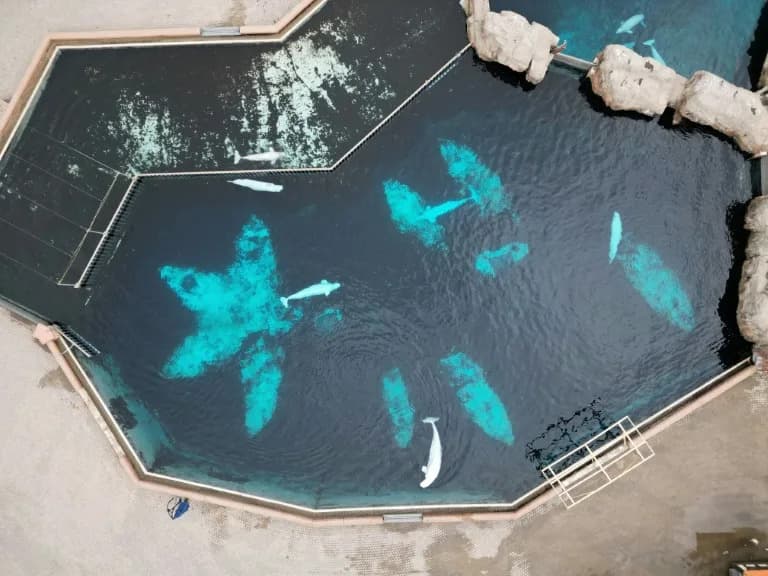
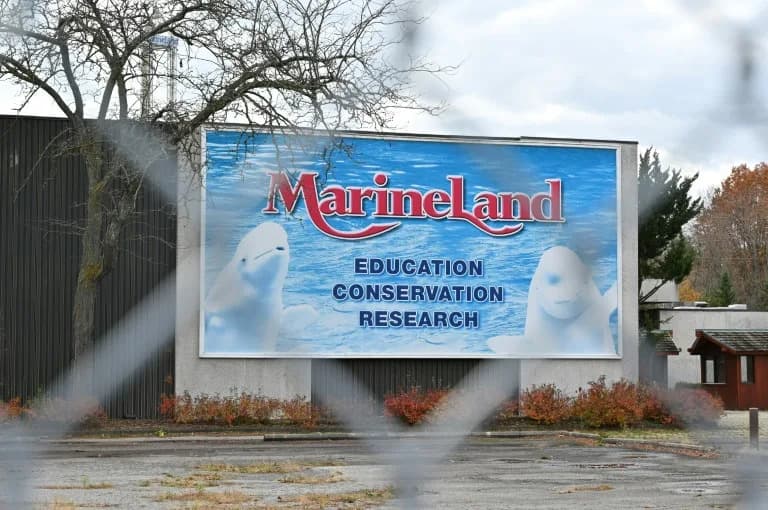
Canada’s federal government has granted conditional approval for export permits that would allow Marineland in Niagara Falls, Ontario, to relocate its remaining captive cetaceans — 30 beluga whales and four dolphins — to accredited facilities in the United States, offering a temporary reprieve from an imminent euthanasia threat.
On Jan. 26, Fisheries Minister Joanne Thompson said she provided "conditional approval" following a meeting with Marineland officials to review what the park described as an urgent rescue proposal. Thompson said she will issue final permits once Marineland submits required documentation, including comprehensive health and transport plans.
Conditions Before Any Transfer
The conditional approval requires two key prerequisites before any animals are moved:
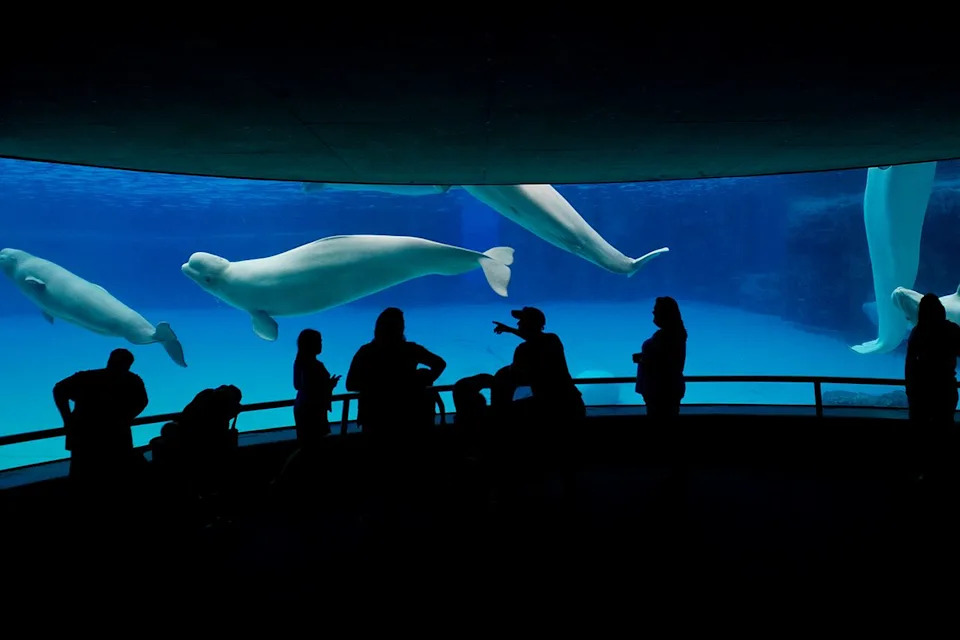
Beluga whales is seen through the glass of Marineland's underwater viewing area in Arctic Cove.Tara Walton/Toronto Star via Getty
- Full health assessments by accredited veterinarians, including evaluations of each animal's fitness for transport and a review of veterinary and emergency plans during transit; and
- Written confirmation from receiving facilities that they will provide appropriate medical care, enrichment and long-term welfare supports for the incoming animals.
Potential Receiving Facilities
Marineland is reportedly in discussions with several U.S. institutions, including the Georgia Aquarium (Atlanta), Mystic Aquarium (Connecticut), the Shedd Aquarium (Chicago) and SeaWorld facilities. Minister Thompson said the U.S. sites under consideration meet high standards for animal care.
Why This Move Is Urgent
Marineland informed officials it would euthanize the remaining animals if export permits were not authorized by Jan. 30, citing severe financial strain. The park has been closed to the public since September 2024 but has continued on-site care for the animals. Concern about conditions at Marineland has been mounting for years: since 2019, an ongoing count indicates 20 whales — one killer whale and 19 belugas — have died at the facility.
“It was a constructive meeting, and I provided conditional approval for export permits. I will issue the final permits once the final required information is received from Marineland,” Minister Thompson said in a public statement.
Experts, Advocates And Alternatives
Former Marineland staff and animal-welfare advocates have described deteriorating infrastructure and chronic understaffing that limited enrichment and veterinary attention. Former trainer Kristy Burgess said the animals were ‘‘not getting the same mental stimulation and care that they’re supposed to.’’
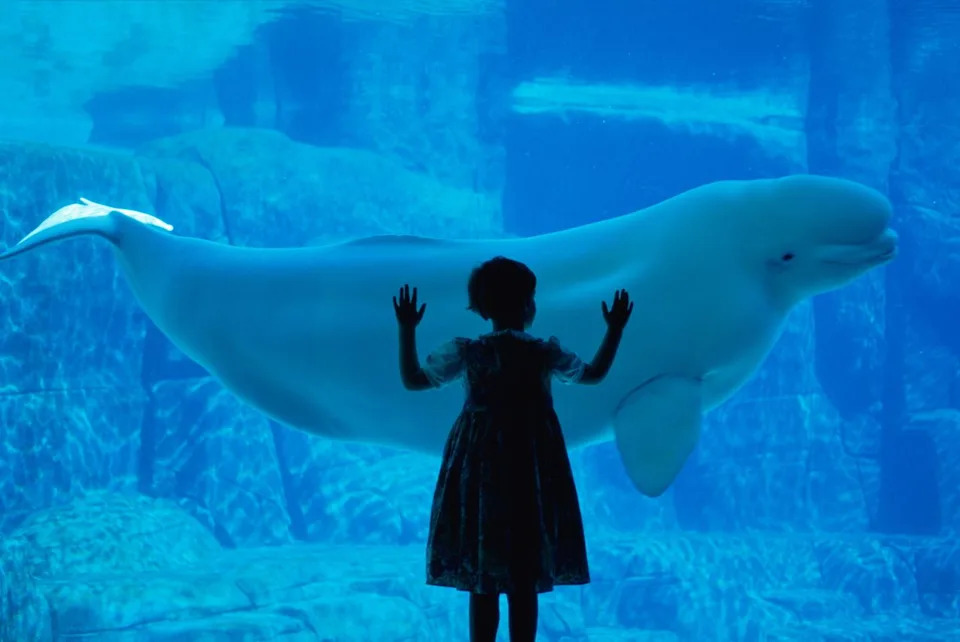
Belugas at the Vancouver Aquarium Grant Faint/The Image Bank/Getty Images
Conservation groups proposed ocean-based sanctuaries, including a site in Nova Scotia, but officials and marine mammal experts said those options were not currently viable for these animals. In October, Canada denied Marineland’s request to export belugas to China’s Chimelong Ocean Kingdom, citing concerns about animals performing in captivity; that decision aligned with Canada’s 2019 ban on whale and dolphin captivity, which grandfathered existing facilities.
Marine mammal scientists caution that relocation carries risks: belugas are highly social, and separating long-established pods can cause stress and behavioral disruption. Andrew Trites, a professor at the University of British Columbia, said the U.S. aquariums being considered are "world class" and offer far better conditions than those reportedly available at Marineland, but he and others stress careful planning to preserve social groups where possible.
Next Steps
For now, the animals remain at Marineland while accredited veterinarians conduct assessments and receiving institutions finalize commitments. If all conditions are met, permits will be issued and transfers planned to minimize stress and risk to the animals. The conditional approval shifts the immediate trajectory from potential euthanasia toward relocation — but significant logistical and welfare checks remain.
What To Watch: Completion of veterinary health checks, signed placement agreements from U.S. facilities, and any announced transport timelines. Advocacy groups will likely monitor whether animals are moved in social groups and whether long-term welfare plans are publicly documented.
Help us improve.