Regulators have extended the Gulf of Maine commercial shrimp moratorium for three more years, keeping the fishery closed to commercial harvest while stocks remain severely depleted. The collapse is linked to overfishing (2011 landings of ~13M lb vs a 8.8M lb allocation), warming seas that disrupt life cycles, and rising predator numbers. Officials say the closure will allow recovery, reduce bycatch and enable further research.
Regulators Extend Gulf Of Maine Shrimp Moratorium For Three More Years Amid Low Stocks
Photo Credit: iStock
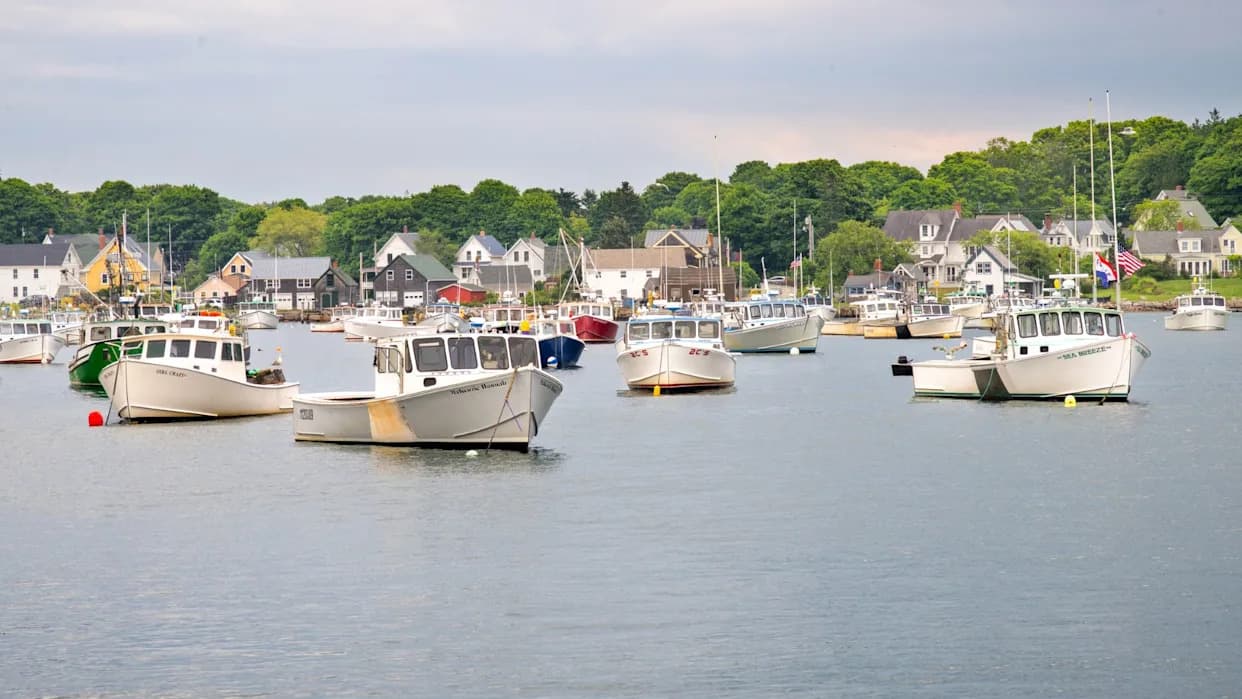
Regulators have extended the commercial moratorium on North Atlantic (Gulf of Maine) shrimp for an additional three years, keeping the fishery closed to commercial harvest while managers monitor stock recovery and pursue further research.
Background
The restrictions—first imposed in 2014—remain in force after state and federal managers from Maine coordinated with counterparts in Massachusetts and New Hampshire to weigh causes and remedies for a dramatic population decline. Surveys showed shrimp abundance at multi-decade lows, prompting the long-running closure.
Why Stocks Collapsed
- Overfishing: In 2011, fishers landed about 13 million pounds of shrimp—far above the allocated 8.8 million pounds—contributing to rapid depletion.
- Warming Seas: North Atlantic shrimp are a cold‑water, bottom‑dwelling species whose life cycle is tightly linked to ocean temperature. Warmer waters can trigger earlier spawning so juveniles miss the spring phytoplankton bloom they depend on, reducing survival and recruitment.
- Predation: NOAA scientists have pointed to increases in predators such as spiny dogfish, redfish and silver hake as likely contributing to low shrimp numbers.
Anne Richards of NOAA’s Northeast Fisheries Science Center warned in 2009 that warming seas would make shrimp production in the Gulf of Maine “more variable.”
Management Decision And Expected Benefits
Officials emphasize that the closure is intended to give depleted stocks time to rebuild, improve catch rates in areas outside closures, reduce bycatch and help dependent seabird populations by increasing prey availability. The moratorium also creates space for targeted research and enhanced monitoring to better understand the roles of fishing, temperature and predation.
Socioeconomic Considerations
Fishing moratoriums can be controversial because they affect livelihoods. Managers say collaboration with fishers and coastal communities is essential—coupling restrictions with economic assistance, alternative fishing opportunities and improved science can help ensure long‑term gains for both ecosystems and fisheries-dependent people.
With enforcement and continued study, regulators hope the three-year extension will support a sustained recovery for Gulf of Maine shrimp while informing future management decisions.
Help us improve.